Matthew 8
Jesucristo oy oa’pak: Kenda Jesucristoa; monigka’uyatenok; Diostaj mo’manopo’yarea’ika’ne · Tap a verse to see its cross-references.
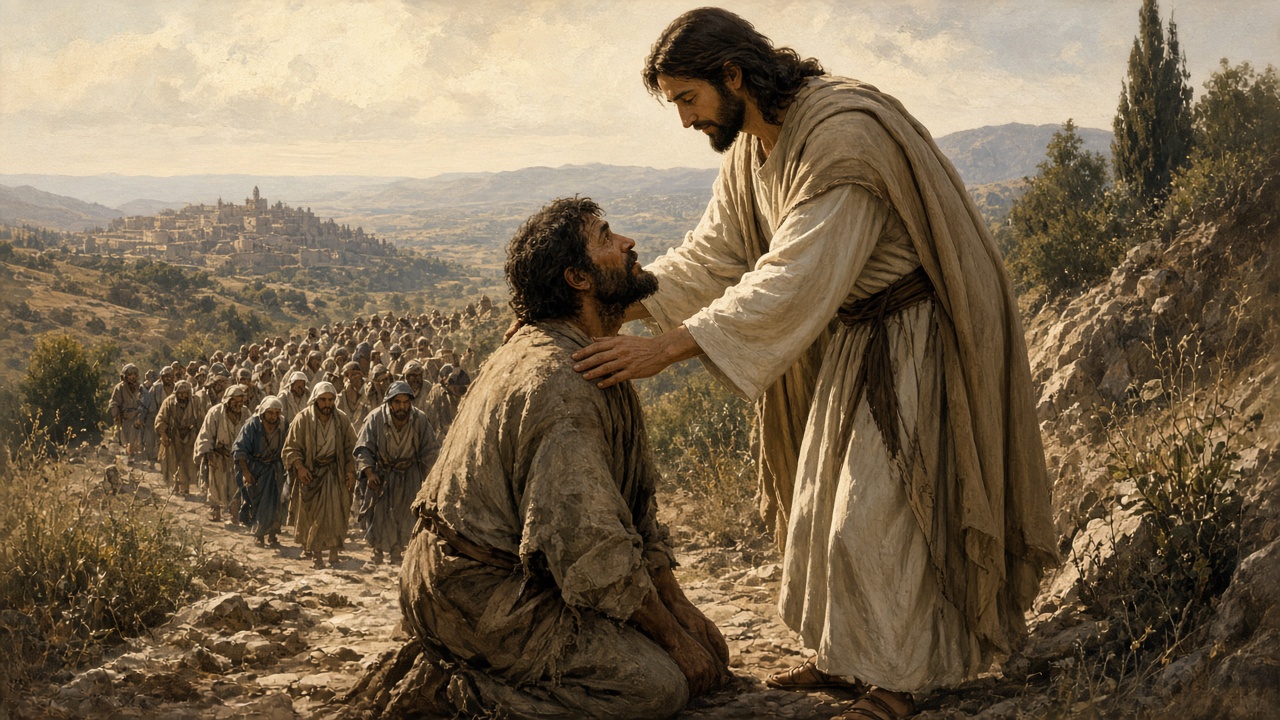
Huabokerek keʼpoda eʼso̱ʼsettaj Jesúsa oʼyareaʼuyate.
1Jesús oteʼyaʼ oʼhuarakpo huakkaʼada onʼtaʼbahuaʼuy. 2Jesústaj huabokereka oʼhuatiakuy, kena keʼpoda eʼso̱ʼset. Konig aʼnenda aratbut gobierno huairitaj o̱gkikaʼuynig keʼna Jesústaj huikudate oʼtihuadpo:
—O̱ʼna eʼpaknayo beyareaʼ, Huairi. —Onaʼuy.
3Jesúsa oʼtibataʼtepo onaʼpo:
—Eʼyareaʼtaʼ ijpaki. Ijyareapoy. —Jesúsa onaʼuy. Enaʼte i̱dada oʼyarudʼuy.
4—Jesúsa beʼyareaʼne mantiaʼpakhueʼ ya̱e̱ʼ. Sacerdote Diostaj ʼuhua huanigbatiarakerite yahuatiʼ. Aʼyareyaʼpo konig Moisésa oʼmanaʼuyate ken konig yayoktiʼ. Sacerdotea ʼuhua Diostaj kanigarakeʼpo ʼuhuapiʼ yayoktiʼ. Ken konig iʼkaʼpo oʼyaredepo aratbuta moʼtinopo̱e̱a̱pone. —Jesúsa onaʼuy.
Roma gobierno capitánen huanabaʼtaj Jesúsa oʼyareaʼuyate.
5Huakkaʼ jak Capernaumyo Jesús eʼkudondeʼte Roma sorotataj Capitána Jesústaj oʼhuahuaʼuy. Cien sorotataj oʼmataʼmonaʼikaʼ. 6Jesústaj
—Doʼhued huanabaʼ jakyo onpahued. Hua̱so̱ʼ dakhueʼda o̱ʼe̱po konig ayhueʼda o̱ʼe̱. Paiʼnada oʼnopoʼe̱, Huairi. —Capitána diga̱ʼ oʼpakpo onaʼuy.
7—Aʼyareayaʼpo ijhuaʼapoy. —Jesúsa onaʼuy.
8—O̱ʼna ʼuruaʼda Huairi i̱ʼe̱. Donayo nog aratbutda i̱jje̱y. Ehueʼda i̱jje̱y. Doʼhued jakyo kudhueʼdik i̱ʼe̱ne, Huairi. Kayareʼ yaaʼ. Eadeʼte oʼyaruda̱po. 9Doʼhued sorotataj huairia menikaʼne kenda ijnigpe̱i̱kay. Kenpaʼti doʼhued sorotatataj ijmanikay doʼtaj menʼnigpe̱i̱kaʼne. “Yahuatiʼ.” Doʼhued sorotatataj enadeʼte onʼhuaʼikaʼ. Nogtaj “Yatiak,” enaʼte onʼtiakikaʼ. Doʼhued huanabaʼtaj katepiʼ “Yakaʼ,” enaʼnayo oʼkikaʼ. —Capitána Jesústaj onaʼuyate. 10Kenda Jesúsa oʼpe̱e̱depo,
—Kenpihuay, huakkaʼda meknopo̱e̱ne. Israel aratbut Diosen aratbut e̱ʼe̱a̱da sueʼda Diostaj oʼnoknopo̱e̱. 11Huakkaʼda nog aratbutda judío ehueʼ oʼnoknopo̱e̱a̱po. Bidtaʼda onʼtiakapo nogya̱ʼ nogya̱ʼ. Abrahamere Isaacere Jacobere onʼbapeʼpo onʼnoeonhuahuikaʼapo. Diosensiʼpo o̱ʼneapo. 12Huakkaʼada judío aratbuta Diosensiʼpo o̱ʼe̱y namaʼda onʼnopo̱e̱po Diostaj oknopo̱e̱hueʼada onʼnopo̱e̱nok Diosa oʼmaenapo. Sikki̱re̱gyo̱da onʼbahuaʼapo. Paiʼda onʼnopoʼunhuahuikaʼapo. Kenpaʼda onʼhuikonhuahuikaʼapo. —Jesúsa huanigpe̱i̱kaʼeritaj oʼmanaʼuy.
13Onaʼti capitántaj onaʼpo:
—O̱ʼnen jakyo yahuatiʼ. Konig doʼtaj iknopo̱e̱nig o̱ʼnen huanabaʼ oʼyarudde. —Jesúsa onaʼuy. Kenda eaʼte huanabaʼ oʼyarud.
Pedroen huasuʼtaj oʼyareadʼuy Jesúsa.
14Pedroen jakyo Jesús oʼhuaʼuy. Pedroen huasuʼ oʼdigpakpo onpahued. Jesús eʼkuddeʼte oʼtiahuayʼuy. 15Huabaʼtaʼ oʼnejpo oʼyareadʼuy. Ken Pedroen huasuʼ oʼyaruddepo oʼbodpo oʼmanigmanhuada̱ʼuy.
Jesúsa huakkaʼtada oʼbayareaʼuy.
16Nogya̱ʼ nogya̱ʼ huakkaʼ aratbut o̱ʼnepo, dakhueʼda o̱ʼnepo, noga̱ noga̱ nogda nogda dakhueʼ onʼto̱e̱po onʼdigpakpiʼ, ekpobigpiʼ, nogda nogda dakhueʼda o̱ʼneʼuyate. Ken eʼsikdeʼte kenomeyen huabeta Jesúste onʼbatotiakuyate. Jesús nogtati nogtati oʼbatibataʼteʼepo oʼbayareaʼuyate. Nogomey kenpaʼti dakhueʼda e̱ʼneʼte Jesúsa totoʼtaj oʼmakenaʼuyate. Ayaʼ dakhueʼ hua̱e̱ʼeritaj oʼbayareaʼuy. 17“Oroʼtaj moʼtinepahuiʼpo boʼyareaʼapone.” Isaíasa aʼnennada oaʼuyate. Kenpaʼ Isaíasa Jesústaj oʼtiaʼpakpo oaʼuyate. Kenda Jesúsa oʼkaʼpo oʼbayareaʼuy. Jesúsa huakkaʼtada oʼbayareaʼuy.
Nogomeya̱ Jesústaj eʼtahuataʼ onʼpakuy.
18Nogok Jesústaj huakkaʼada enʼtikupopakte Jesúsa oʼbatiahuaypo, “E̱ʼpo̱gtoneʼ moʼdayhua,” oʼmanaʼuy. 19E̱ʼpo̱g ayhuahued Moisésenbaʼ huamanmadikaʼeria Jesústaj oʼhuatiakuy. Onaʼpo:
—Meyo̱piʼ iʼhuikaʼapo o̱ʼnen huanigpe̱i̱kaʼeri e̱e̱ʼtaʼ ijpaki. Ontaj eʼtahuikaʼtaʼ ijpaki, Huamanmadikaʼeri. —Jesústaj onaʼuy.
20—Nubakuhued huakog o̱ʼta̱i̱kaʼ. Bakoyen kenpaʼti huapak o̱ʼta̱i̱kaʼ. Do huabokerek i̱jje̱po Diosyaʼ ijtiakuy. Donayo nog jakyo nog jakyo ijtayʼikay. Doere eʼhuaʼnayo meyo̱kon yatayapet nopo̱e̱hueʼ ya̱e̱ʼ. —Huamanmadikaʼeritaj Jesúsa onaʼuy.
21—Ontaj etahuataʼ ijpaknigʼa huakkuru bueyhued e̱e̱ʼted huaojtoneʼtaj dakaʼ to̱e̱dik i̱jje̱y. —Noga̱ huanigpe̱i̱kaʼeria Jesústaj onaʼuy.
22—Huabo oknopo̱e̱hueʼ hua̱e̱ʼeria nog oknopo̱e̱hueʼ hua̱e̱ʼeritoneʼtaj dakaʼ kanʼto̱i̱ke̱ʼ kenpaʼti kanʼkubarakkeʼ. Onnayo diga̱ʼda yaeretpakpo betaʼhuaʼ. —Jesúsa onaʼuy.
Jesúsa e̱ʼhue̱niri̱ʼtoneʼtaj bapokaʼtere oʼbatikaʼuy.
23Jesús huanigpe̱i̱kaʼeriere e̱ʼpo̱g aktegyaʼpo kusiʼpetoneʼyo onʼbahuadpo onʼhuaʼuy. 24E̱ʼpo̱gnopoyo e̱e̱ʼte huaboroʼbapokada oʼbahuatiakuy. Teyaʼda oʼbapoknok huaboroʼda oʼhue̱niri̱ʼtoneʼpo diga̱ʼda oʼhue̱kudpo huataʼkotdikte o̱ʼu̱y. Jesúsnayo oʼtayʼuy. 25Aʼmaboayaʼpo Jesústaj onʼhuahuaʼ huanigpe̱i̱kaʼeria:
—Boʼtihuapok, Huairi. Montakotnede. —Jesústaj oʼnonaʼuy.
26—Meʼpukhueʼ yaneʼ. Diosa boʼtihuapokapone. Diosa boʼtiokkikaʼapo dakaʼ yanoknopo̱i̱kaʼ. —Jesúsa oʼmanaʼuy.
Oʼmabodpo, “Yabatik, bapokhueʼ ya̱e̱ʼ, hue̱niri̱hueʼ ya̱e̱ʼ,” onaʼnok oʼbatikanpo, bapokhueʼ o̱ʼe̱po kenpaʼti hue̱niri̱hueʼ o̱ʼu̱y. 27“Kenpihuay. I̱ʼna huabokerek ʼuruaʼda oʼkaʼ. Kentaj bapoka oʼnigpe̱e̱ kenpaʼti e̱ʼpo̱ga̱ oʼnigpe̱e̱.” Huanigpe̱i̱kaʼeria onʼbatiaʼpakuy.
Bottaʼ huabokerektaj totoʼ huakkaʼada oʼmanopoʼto̱e̱ʼikaʼuyate.
28Jesús e̱ʼpo̱g akodpen oʼbeʼtuy. Ken huadari Gadarabayo o̱ʼe̱. Jesústaj bottaʼ huabokerek onʼhuatiakuy. Huakkaʼada totoʼa oʼmanopoʼtounhuahuaʼnok kubarakbayo o̱ʼnikaʼuyate. Soroke̱yo̱ o̱ʼnikaʼuyate. Huiyokda o̱ʼnikaʼuyate. Huiyokda o̱ʼnenok keʼnenbayo aratbut huahueʼdik o̱ʼnikaʼuyate.
29—¿Menaʼpo oroʼtaj oʼhuatiak, Jesús? Diosen Huasiʼpo i̱ʼe̱ne. Keneʼhua̱ya̱ʼ castiga huameʼnoe ehued oroʼtaj castiga magkahueʼ moeʼ. —ʼUttaʼda Jesústaj oʼnonaʼuy totoʼa.
30Kentaʼda meyo̱hueʼda huakkaʼda huakyariʼ onʼbapeʼuy.
31—Oroʼtaj eʼmaoro̱kaʼnayo huakyarien huanopoʼyo motaʼmonaʼ. —Jesústaj diga̱ʼda oʼnonaʼuy.
32—Yanhuatiʼ, huakyarien huanopoʼyo yanʼbakud. —Jesúsa oʼmanaʼnok, totoʼ botbokerektaj onʼmaenonpo huakyarien huanopoʼyo onʼhuaʼpo onʼbakudʼuy. Ken, ayaʼda huakyariʼ huaduk onʼbahuarakpo kubogyo onʼbaajpo e̱ʼpo̱gyo̱ onʼbataʼkoʼtuyate. Totoʼere onʼbataʼkoʼtuy.
33Ken huakyariʼ huamato̱e̱ʼeri kenda onʼtiahuaydepo diga̱ʼda onʼmameʼpukonpo kenomeyen huakkaʼ jakyo onʼbaketʼuyate. Onʼtiakdepo kenda huaboaʼda onʼtiahuaynig onʼbatiaʼpakatoʼuyate. 34Ayaʼada huakkaʼ jak hua̱e̱ʼeria onʼpe̱e̱depo Jesúste onʼhuahuaʼuy. Jesústaj onʼhuahuaydepo, “Oroʼenbayaʼ yahuadeʼ.” Jesústaj diga̱ʼda oʼnonaʼuyate.
Did you know?
Healings, faith, and the sea
- Capernaum, which Jesus enters in this chapter, was a Galilean city not named in the Old Testament. Easton's Bible Dictionary (1897) says it became his “own city” after he left Nazareth, and it lists the centurion’s appeal and the healing at Peter’s house among the events set there.Sources: Capernaum · the Bible text itself
- Jesus says that many will come from east and west to share the banquet with Abraham, Isaac, and Jacob in the kingdom of heaven. Easton's Bible Dictionary (1897) calls Abraham the son of Terah and heir of the promises, Isaac Abraham’s only son by Sarah, and Jacob—also known as Israel—the younger twin son of Isaac and Rebekah.Sources: the Bible text itself · Abraham · Isaac · Jacob (Israel)
- Matthew presents that evening’s healings as fulfilling words spoken through the prophet Isaiah: “He took on our infirmities and carried our diseases.” Easton's Bible Dictionary (1897) identifies Isaiah as the son of Amoz, who prophesied in the reigns of Uzziah, Jotham, Ahaz, and Hezekiah.Sources: the Bible text itself · Isaiah
Notes written with AI assistance from open sources (Theographic Bible Metadata, CC BY-SA 4.0; Easton’s Bible Dictionary, public domain) and reviewed before publishing.
Places in this chapter
- Gadara · Today: Umm Qais · 32.656, 35.679 · verse 28
Only places identified with high confidence are shown (90% or more according to the scholarly sources compiled by OpenBible). Period map: DARE (Digital Atlas of the Roman Empire), CC BY 4.0; modern map: © OpenStreetMap contributors; places: OpenBible.info (CC BY 4.0).
Credits and license for this translation
Jesucristo oy oa’pak: Kenda Jesucristoa; monigka’uyatenok; Diostaj mo’manopo’yarea’ika’ne
New Testament in Amarakaeri (PE:amr:Amarakaeri)
copyright © 2008 Wycliffe Bible Translators, Inc.
Language: Amarakaeri
Translation by: Wycliffe Bible Translators, Inc.
Amarakaeri [amr], Peru
Copyright Information
© 2008, Wycliffe Bible Translators, Inc. All rights reserved.
This translation text is made available to you under the
terms of the Creative Commons License: Attribution-Noncommercial-No Derivative Works.
( http://creativecommons.org/licenses/by-nc-nd/3.0/ )
In addition, you have permission to port the text to different file formats, as long as you
do not change any of the text or punctuation of the Bible.
You may share, copy, distribute, transmit, and extract portions
or quotations from this work, provided that you include the above copyright
information:
You must give Attribution to the work.
You do not sell this work for a profit.
You do not make any derivative works that change any of the actual words or punctuation of the Scriptures.
Permissions beyond the scope of this license may be
available if you contact
us with your request.
The New Testament
in Amarakaeri
© 2008, Wycliffe Bible Translators, Inc. All rights reserved.
This translation is made available to you under the terms of the
Creative Commons Attribution-Noncommercial-No Derivatives license 4.0.
You may share and redistribute this Bible translation or extracts from it in any format, provided that:
You include the above copyright and source information.
You do not sell this work for a profit.
You do not change any of the words or punctuation of the Scriptures.
Pictures included with Scriptures and other documents on this site are licensed just for use with those Scriptures and documents.
For other uses, please contact the respective copyright owners.
2024-02-11
Source: http://ebible.org/amrNT/ · eBible.org