Luke 16
Jesucristo oy oa’pak: Kenda Jesucristoa; monigka’uyatenok; Diostaj mo’manopo’yarea’ika’ne · Tap a verse to see its cross-references.
Huairien huatamato̱e̱ʼeri namaʼda oʼkaʼpo konig huairien eʼtamati̱e̱ʼada namaʼda oʼbayokenok kenpaʼda huairia oʼenʼuyate. Jesúsa ken konig oʼmanbatiaʼpakpo oʼmanmadikaʼuyate.
1Huanigpe̱i̱kaʼeritaj oʼmanbatiaʼpakpo oʼmanmadikaʼpo,
—Huairi o̱ʼu̱yate. Huakkaʼda oʼtamaenok huatamato̱e̱ʼeria oʼtamato̱e̱po, “O̱ʼnen huatamato̱e̱ʼeri huabokerek o̱ʼnen iʼtamaenig dakaʼ tamato̱e̱hueʼada dakhueaʼ iʼtakikaʼne.” Aratbuta onʼhuaaʼnok, 2“Yatiak.” Huatamato̱e̱ʼeritaj onaʼuyate. Eʼtiakdeʼte “Doʼhued eʼtamato̱e̱ʼada namaʼda oʼbayokikaʼ. Nogomeya̱ menonaʼne. Onteʼti doʼhued huatamato̱e̱ʼeri ehueʼda i̱ʼe̱a̱pone. Ayaʼda eʼbahuayaʼbaʼ kenpaʼti ayaʼda eʼbaeʼbaʼ menigtotiak.” Huairia huatamato̱e̱ʼeritaj onaʼuyate. 3“Oy huairia meʼendene keʼnen huatamato̱e̱ʼeri onteʼti ehueʼda i̱jje̱a̱poy. ¿Kate ijkaʼapet? Teyhueʼda i̱jje̱po taʼba kahueʼdik i̱jje̱y. Konig aratbuttaj huakupe beyok eʼmanikaʼtaʼ pakhueʼ i̱jje̱po, ijbiraʼi.” Kenda huairien huatamato̱e̱ʼeria huanopoyaʼda oʼnopo̱e̱po. 4“Oyda kenda ijkaʼapoy ijnopo̱e̱y. Nogok jak to̱e̱hueʼ e̱ʼe̱deʼte, huakupe to̱e̱hueʼ e̱ʼe̱deʼte, aypobayoʼ e̱ʼe̱deʼte aratbuta kenomeyen jakyo doʼtaj medeapetpiʼ kenda ijkaʼapoy ijnopo̱e̱y.” Kenpaʼ huanopoyaʼda oʼnopo̱e̱ʼuyate. 5Kenomey doʼhued huairitaj dehueaʼ eʼnahue̱ʼtaj kenomeytaj nogti nogtiaʼ menigtotiak onaʼnok. Huakkuru huatiakeritaj “¿Doʼhued huairitaj meniga̱ʼ dehueaʼ i̱ʼe̱?” Huakkuru dehueaʼ hua̱e̱ʼeritaj onaʼuyate. 6“Cien kajapotoneʼte huasihuaj dehueaʼ i̱jje̱y.” Huakkuru huabokereka onaʼnok “In o̱ʼnen dehueaʼ e̱ʼhua̱e̱ʼbaʼ iʼte̱ne, i̱da yahuadpo yamadoyaʼ, cincuentayoʼda yamadoyaʼ. Ken onteʼti huairitaj cincuentayoʼda dehueaʼ i̱ʼunapone.” Huairien huatamato̱e̱ʼeria onaʼuyate. 7Noga̱kon eʼtiakdeʼte “¿O̱ʼna meniga̱ʼ dehueaʼ i̱ʼe̱?” Nogtaj onaʼnok, “Cien huaboroʼ saco trigo dehueaʼ i̱jje̱y.” Noga̱ onaʼuyate. “In o̱ʼnen dehueaʼ e̱ʼhua̱e̱ʼbaʼ iʼte̱ne, kente ochenta huaboroʼ sacoyoʼda yamadoyaʼ. Ken onteʼti huairitaj ochenta huaboroʼ sacoyoʼda dehueaʼ i̱ʼunapone.” Huairien huatamato̱e̱ʼeria onaʼuyate. Kenda konigti nogtaj nogtaj dehueaʼ hua̱e̱ʼeritaj oʼmanaʼuyate. Konige̱po nogok dehueaʼ hua̱e̱ʼeria huairien huatamato̱e̱ʼeritaj yaʼdeapetpiʼ. 8Huairien huatamato̱e̱ʼeri ken konig oʼkaʼde huairi oʼnokotdepo, “In dakhueaʼ huatamato̱e̱ʼeria dakhueaʼ beʼtakaʼ aratbuta kentaj nogok mentihuapokeʼpo dakaʼ akayaʼ oʼnopo̱e̱po. In huadariyo Diostaj oknopo̱e̱hueʼ hua̱e̱ʼeri aratbut nogtaj nogtaj ʼuruaʼda akayaʼ onʼnopo̱e̱po, nogok kenpaʼti mentihuapokeʼpo. Diostaj huaknopo̱e̱ʼerinayo sueʼda ʼuruaʼda akayaʼ onʼnopo̱i̱kaʼ, nogok sueʼda mentihuapokedepo.”
9Konige̱po huakupepiʼ nog katepiʼ moʼto̱e̱po namaʼda gasta kaʼdik moʼi̱kaʼpiʼ. Huataʼda boʼpakpo Diostaj nigpe̱e̱hueʼda moʼe̱po gasta kaʼdik moʼi̱kaʼpiʼ. Huataʼda boʼeretpakpo namaʼda baeʼikaʼdik moʼe̱piʼ. Diostaj dakaʼ yanʼnigpe̱e̱po aratbuttaj yanʼtihuapokikatiʼ, yanʼbayokikatiʼ, paiʼda hua̱e̱ʼeritaj yanʼbayokikatiʼ, ijjay. Nogok opudomey eʼbueydeʼte katepiʼ huakupepiʼ to̱e̱hueʼ moʼe̱denok o̱ʼnen huadiʼa Dioserea kurudya̱ʼ moʼbaedapone.
10Nogen sueʼda eʼtamaetaj dakaʼ eʼtamati̱e̱ʼikaʼnayo konigti nogenkon nogi̱tinada dakaʼ moʼtamati̱e̱ʼikaʼapo. Kenpaʼti nogen sueʼda eʼtamaetaj dakaʼ mati̱e̱hueʼ e̱e̱ʼnayo konigti nogen nogi̱tinada dakaʼ tamati̱e̱hueʼdik moʼe̱a̱po. 11Huakupe katepiʼ moʼto̱e̱po dakaʼ yanʼnopo̱e̱po yanikatiʼ. Huakupe gana eʼkaʼtaʼ boʼpakpo engaña kaʼdikpiʼ moʼe̱ne. Diosa oʼpaknok huakupe moʼto̱i̱kaʼne. Huakupe dakaʼ to̱e̱hueʼ e̱e̱ʼnayo paiʼda aratbuttaj dakaʼ bayokhueʼ e̱e̱ʼnayo Dios huadaknanada huaunhuahuikaʼ yokhueʼdik moʼe̱a̱pone. Kenpaʼti Diosa ʼuruda huaknopo̱e̱ʼ tihuapokhueʼdik moʼe̱a̱pone. 12Nogen dakaʼ tamati̱e̱hueʼ e̱ʼi̱kaʼnayo o̱ʼnenda huatamaeʼ Diosapiʼ bayokhueʼ moʼe̱a̱pone.
13Bottaʼ huairi to̱e̱hueʼdik moʼe̱ne. Diosyoʼda Huairi o̱ʼe̱. Katepiʼ huakkaʼ eʼtamaetaʼ eʼeretpaknayo konig nog huairi huanopoyaʼ to̱e̱ʼdik o̱ʼe̱. Kenpaʼti huakkaʼ huakupe e̱ʼta̱e̱ʼtaʼ eʼeretpaknayo konig nog huairi huanopoyoda to̱e̱ʼdik o̱ʼe̱. Dios Huairitayoʼda nigpe̱e̱dik moʼe̱ne. Diostayoʼda diʼ e̱ʼdik moʼe̱ne. Huakkaʼtaʼda katepiʼ huakupepiʼ eʼeretpaknayo Diostaj pakhueʼdik moʼe̱ne. Diostaj eʼpaknayo huakkaʼda katepiʼ huakupepiʼ pakhueʼdik moʼe̱ne. Diostaj eʼnigpe̱e̱nayo huakkaʼda katepiʼ huakupepiʼ pakhueʼdik moʼe̱ne. —Kenda Jesúsa oʼmanmadikaʼuyate.
14Fariseoa huakkaʼda huakupetaʼ onʼderetpakikaʼpo Jesústaj onʼpe̱e̱depo Jesústaj onʼtierikpo namaʼda oaʼ onʼhuaaʼuyate.
15—Opudomey fariseo “Huadakda o̱ʼne,” nog aratbuttaj moʼmanopo̱e̱a̱ʼikaʼnigʼa Diosanayo opudomeyennopoʼtaj dakhueʼ o̱ʼne moknopo̱e̱ne. Beʼapi engaña o̱gkaʼpo “Huadakda o̱ʼne,” aratbuttaj eʼmanopo̱e̱a̱ʼtaʼ onʼeretpakikaʼ. Diosnayo kenda eʼkaʼ dakhueʼda o̱ʼe̱ oʼnopo̱i̱kaʼ. —Jesúsa oʼmanaʼuyate.
Moisésenbaʼtaj kenpaʼti konig Dios Huairitaj oʼnoknopo̱e̱po onʼnigpe̱i̱kaʼapone Jesúsa oʼbatiaʼpakpo oʼmanmadikaʼuyate.
16—Juan Bautista tiakhued e̱e̱ʼte Moisésbaʼtaj moʼnigpe̱i̱kaʼuyate, kenpaʼti Juan Bautista tiakhued e̱e̱ʼte Diosen huamanbatiaʼpakerien berobaʼ monmadikaʼuyate. Juan Bautista eʼtiakdeʼte huadak huaʼa konig Dios Huairitaj yanoknopo̱e̱ʼ yanʼnigpe̱e̱ʼ kenda onʼmanbatiaʼpakonhuahuaʼpo oy huakkaʼda onʼeretpakpo Dios Huairitaj huaboaʼda onʼnigpe̱e̱depo.
17Kurud huadariere i̱da batikhueʼdik o̱ʼneapo konigti Moisésenbaʼ kenpaʼda o̱ʼi̱kaʼapo. Dikenhueʼdik o̱ʼe̱a̱po. Nogtipiʼ huadik dikenhueʼdik o̱ʼe̱a̱po. —Jesúsa oʼmanaʼuyate.
Hua̱to̱e̱ʼtaj kenpaʼda enhueʼ yaneʼ. Jesúsa oʼmanmadikaʼuyate.
18—Beʼapiʼ huabokerek hua̱to̱e̱ kenpaʼda e̱ʼennayo kenpaʼti nog ettoneʼtaj eʼto̱e̱paknayo huakkuru hua̱to̱e̱ʼtaj dakhueaʼ oʼkaʼ. Kenpaʼti konig eʼbakdej o̱ʼe̱nok dakhueaʼ oʼkaʼ. Kenpaʼ Diosa oaʼ. Nog huabokereken hua̱to̱e̱ e̱ʼenondeʼte kentaj beʼapiʼ eʼto̱e̱paknayo kenpaʼ dakhueaʼ o̱gkaʼ. Kenpaʼ Diosa oaʼ. —Ken Jesúsa oʼmanmadikaʼuyate.
Huabokerek huairitaj kenpaʼti paiʼda Lázarotaj Jesúsa oʼmanbatiaʼpakpo oʼmanmadikaʼuyate.
19—Huabokerek huairi o̱ʼu̱yate. Huakkaʼda oʼmato̱e̱ʼuyate. ʼUruda yudtaj huakkaʼteda ekkaiʼ o̱ʼta̱e̱nok oʼotikaʼpo ayaʼ huameʼnoe huakkaʼtada oʼmatobapepo konig fiesta oʼkikaʼpo ʼuruaʼda oʼbapeʼikaʼuyate. 20Nog huabokerek Lázaro paiʼnanada o̱ʼi̱kaʼpo huasiʼdak huabada oʼbasetikaʼpo huairien akbogpete oʼhuadikaʼpo sorokte oʼhuadikaʼuyate. 21Huairia enʼbapeʼte sueʼda aypotaʼsuj barakte enʼbakotate ken aypotaʼsuj paiʼda Lázaro eʼbapeʼtaʼ oʼpakikaʼuyate. Kenpaʼti Lázarotaj kuhua onʼhuatiakpo huasiʼdak eʼsettaj onʼtiminikaʼuyate. 22Nogok Lázaro paiʼda hua̱e̱ʼeri oʼbueyʼuyate. Ken Diosen huataʼmoneria Lázarotaj onʼtohuaʼpo kente Abraham e̱ʼhua̱e̱ʼyo̱ onʼtohuaʼuyate. Kente ʼuruda o̱ʼi̱kaʼ. Huairikon eʼbueydeʼte onʼkubarakkaʼuyate. 23Ke̱yo̱ oknopo̱e̱hueʼ hua̱e̱ʼerikudak noki̱re̱g e̱ʼnikaʼyo ken huairia paiʼda oʼnopoʼe̱po kutayo bidteda Abrahamtaj oʼtiahuaypo Lázarotaj Abrahameretaj oʼbatiahuayʼuyate. 24“Doʼtaj yatinepahuiʼ, pag Abraham. Doʼte Lázarotaj menigtaʼmonaʼ. Keʼna huabaʼpikunote hue̱ʼe̱yyo̱ yabaʼpisotpo doʼhued huanoʼtaj kanoʼpohueʼpo in taʼakyo paiʼda ijnopoʼe̱y.” Kenpaʼ huairikudaka Abrahamtaj oʼnokoypo onaʼuyate. 25“Okkahuehueʼ ya̱e̱ʼ, sion. On iʼnoepo huakkaʼnanada iʼmato̱e̱ʼikaʼuyate. Huadaknada i̱ʼi̱kaʼuyate, Lázaronayo paiʼnada o̱ʼi̱kaʼuyate. Oy i̱yo̱ doere Lázaro huadakda o̱ʼe̱. Durugda o̱ʼi̱kaʼ. Onnayo paiʼnada iʼnopoʼe̱ne. 26Kenpaʼti i̱yo̱ konig kubog o̱ʼe̱. Mente huahueʼdik o̱ʼe̱. I̱ya̱ʼ opudomeytaj huahuahueʼdik o̱ʼe̱y. Kenpaʼti i̱yo̱ oroʼomeytaj huatiakhueʼdik moʼe̱ne.” Abraham huairikudaktaj onaʼuyate. 27“Ken doʼhued huaojen jakyo Lázarotaj yataʼmonaʼ. 28Doʼhued cinco huamaʼbuytaj yamanaʼtuʼ Lázarotaj yanaʼ. Doʼhued huamaʼbuy i̱yo̱ tiakhueʼ kaʼneʼpo, i̱ya̱ʼ paiʼda onʼnopoʼe̱a̱po. Konig do namaʼda ijkikaʼmey konigti kahueʼ kaʼneʼpo. Lázaroa kamaneʼ, pag Abraham.” Huairia Abrahamtaj onaʼuyate. 29“O̱ʼnen huamaʼbuy kenda Moisésa oʼnigmadoyaʼuyate, Moisésenbaʼ onʼbaʼto̱e̱ kenpaʼti Diosen huamanbatiaʼpakerienbaʼ onʼbaʼto̱e̱. Kanʼnigpe̱e̱ʼ.” Abrahama onaʼuyate. 30“Ehueʼ, Moisésenbaʼtaj nigpe̱e̱hueʼ o̱ʼneapo, pag Abraham. Beʼapiʼ kubarakyaʼ oʼnoyhuadpo eʼhuatiakatoʼnayo doʼhued huamaʼbuya yanʼnopoʼkoreaʼapet.” Huairia onaʼuyate. 31“Moisésenbaʼtaj kenpaʼti huamanbatiaʼpakeribaʼtaj eʼnigpe̱e̱taʼ pakhueʼ e̱e̱ʼnayo beʼapiʼ kubarakyaʼ eʼhuatiakatoʼnayo kentaj kenpaʼti nigpe̱e̱hueʼ o̱ʼneapo.” Abrahama onaʼuyate. —Kenda Jesúsa oʼmanbatiaʼpakpo oʼmanmadikaʼuyate.
Did you know?
Wealth, two masters, and Lazarus
- In Jesus' words about the rich man and Lazarus, the rich man cries out, 'Father Abraham,' and Abraham answers, 'Child.' Easton's Bible Dictionary (1897) explains the name Abraham as 'Father of a multitude' and describes him as the heir of the promises.Sources: the Bible text itself · Abraham
- Speaking to Pharisees who were scoffing at him, Jesus says that the Law and the Prophets were proclaimed until John, and that since then the gospel of the kingdom of God is being preached. Easton's Bible Dictionary (1897) calls John the Baptist the 'forerunner of our Lord,' says that his mission was the subject of prophecy, including Isaiah 40:3 and Malachi 3:1, and states that his birth took place six months before that of Jesus.Sources: the Bible text itself · John the Baptist
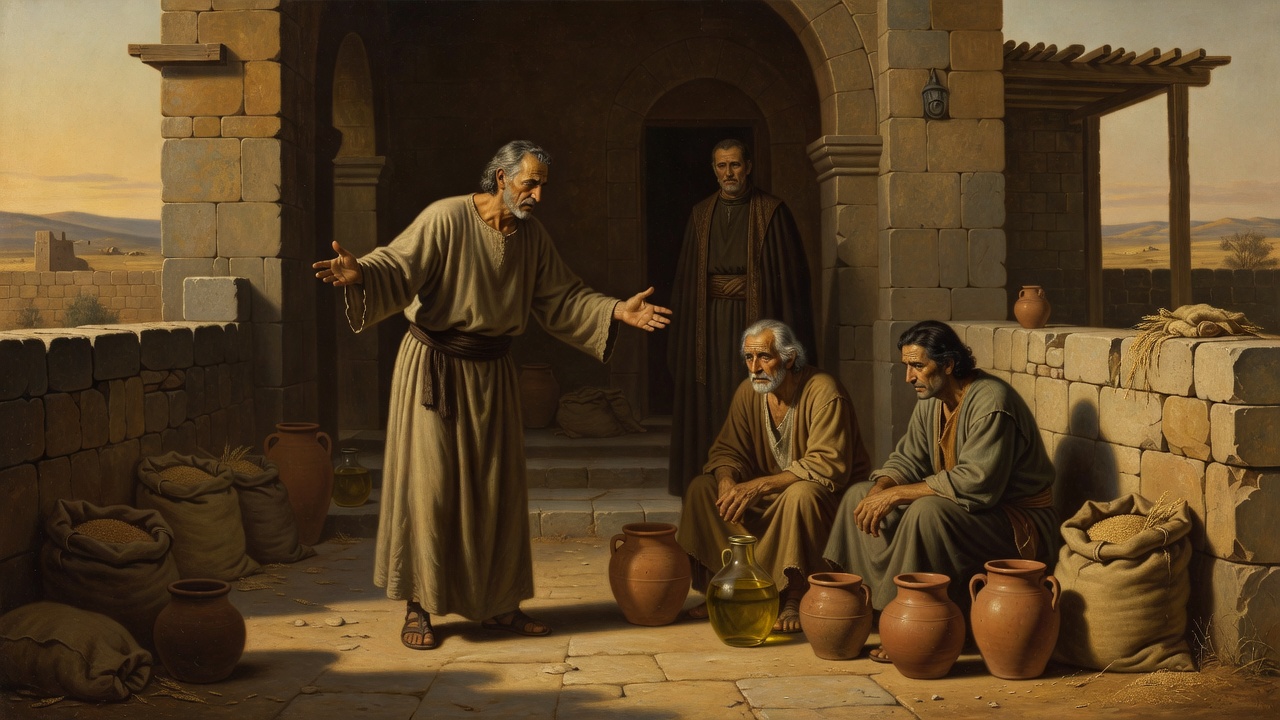
- A manager accused of wasting his master's possessions is told to turn in an account and give up his position. He has the debtors rewrite their bills, reducing a hundred measures of olive oil to fifty and a hundred measures of wheat to eighty, and the master commends the dishonest manager because he had acted shrewdly. Jesus then says that no servant can serve two masters, and that no one can serve both God and money.Sources: the Bible text itself
Notes written with AI assistance from open sources (Theographic Bible Metadata, CC BY-SA 4.0; Easton’s Bible Dictionary, public domain) and reviewed before publishing.
Credits and license for this translation
Jesucristo oy oa’pak: Kenda Jesucristoa; monigka’uyatenok; Diostaj mo’manopo’yarea’ika’ne
New Testament in Amarakaeri (PE:amr:Amarakaeri)
copyright © 2008 Wycliffe Bible Translators, Inc.
Language: Amarakaeri
Translation by: Wycliffe Bible Translators, Inc.
Amarakaeri [amr], Peru
Copyright Information
© 2008, Wycliffe Bible Translators, Inc. All rights reserved.
This translation text is made available to you under the
terms of the Creative Commons License: Attribution-Noncommercial-No Derivative Works.
( http://creativecommons.org/licenses/by-nc-nd/3.0/ )
In addition, you have permission to port the text to different file formats, as long as you
do not change any of the text or punctuation of the Bible.
You may share, copy, distribute, transmit, and extract portions
or quotations from this work, provided that you include the above copyright
information:
You must give Attribution to the work.
You do not sell this work for a profit.
You do not make any derivative works that change any of the actual words or punctuation of the Scriptures.
Permissions beyond the scope of this license may be
available if you contact
us with your request.
The New Testament
in Amarakaeri
© 2008, Wycliffe Bible Translators, Inc. All rights reserved.
This translation is made available to you under the terms of the
Creative Commons Attribution-Noncommercial-No Derivatives license 4.0.
You may share and redistribute this Bible translation or extracts from it in any format, provided that:
You include the above copyright and source information.
You do not sell this work for a profit.
You do not change any of the words or punctuation of the Scriptures.
Pictures included with Scriptures and other documents on this site are licensed just for use with those Scriptures and documents.
For other uses, please contact the respective copyright owners.
2024-02-11
Source: http://ebible.org/amrNT/ · eBible.org