Galatians 5
Jesucristo oy oa’pak: Kenda Jesucristoa; monigka’uyatenok; Diostaj mo’manopo’yarea’ika’ne · Tap a verse to see its cross-references.
Oroʼomey onteʼti konig huanabaʼnig ehueʼ o̱ʼe̱po “Dakhueaʼ nigkahueʼ moʼe̱ne moʼtinopo̱e̱po.” Diosa moneʼpo onteʼti Moisésenbaʼtaj kikahueʼdik o̱ʼe̱ne.
1Jesucristotaj oknopo̱e̱nok Diosa dakhueaʼ eʼkaʼ moʼnopoʼyareaʼne. Aʼnopoʼyareayaʼpo Moisésenbaʼ onteʼti nigpe̱i̱kahueʼdik o̱ʼe̱ne. Aʼnopoʼyareayaʼpo Moisésenbaʼ nigpe̱i̱kahueʼ yanikaʼ.
2Menʼpe̱e̱ʼ. Do Pabloa opudtaj oʼnonaʼne menʼnigpe̱e̱ʼ. “Dakhueaʼ nigkahueʼ meʼnene, moʼtinopo̱e̱po.” Diosa moneʼ. “Doʼhued bokereksiʼdak bekteg.” Opuda̱ enaʼnayo opudtehuapaʼ Cristoa hue̱ypa cruzte moʼnigbueyʼuyatenigʼa opudtaj dakhueaʼ eʼkaʼ nopoʼyareahueʼdik moʼe̱a̱pone. 3“Dakhueaʼ nigkahueʼ meʼnene moʼtinopo̱e̱po.” Diosa moneʼpo ayaʼda huabokereka bokereksiʼdak eʼnoktegnayo ayaʼ Moisésenbaʼtaj kenpaʼda nigpe̱i̱kaʼdik o̱ʼneonhuahuikaʼapo. Onteʼti opudtaj oʼnonaʼne. 4“Dakhueaʼ nigkahueʼ meʼnene, moʼtinopo̱e̱po.” Diosa moneʼpo opudomeypiʼ Moisésenbaʼtaj moʼnigpe̱i̱kaʼnok konig onteʼti Diosensiʼpo ehueʼ moʼe̱depo Cristoen ehueʼ moʼe̱depo Diosa opudomeytaj matinepahuihueʼ moʼe̱deapone. “Dakhueaʼ nigkahueʼ meʼe̱ne moʼtinopo̱e̱po.” Diosa onahueʼdik moʼe̱a̱pone. 5Oroʼtanayo Diosensiʼpotaj kanʼnigi̱keʼpo Diosen Noki̱re̱ga̱ boʼtihuapokikaʼne. Kenpaʼti dakaʼ Jesucristotaj oknopo̱e̱nok “Dakhueaʼ nigkahueʼ meʼnene moʼtinopo̱e̱po.” Diosa monaʼapone. Kenda oroa oknopo̱i̱kaʼpo Diostaj oʼnigi̱kaʼne. 6Oroʼomey Cristotaj dakaʼ eʼmaknopo̱e̱deʼte Cristoen o̱ʼe̱dene. Huabokereksiʼdak eʼnoktegpiʼ huabokereksiʼdak okteghueʼ e̱e̱ʼpiʼ Diostaj konigti huadak o̱ʼnige̱ne. Oroa Jesucristotaj eknopo̱i̱kataʼ Diosa huakkaʼ oʼpak. Cristotaj oroʼ oknopo̱e̱po ayaʼtada diʼ oʼmaikaʼne.
7Dakaʼ Cristotaj moknopo̱i̱kaʼuyne kenpaʼti Jesucristoen buttida huaʼa dakaʼ moʼnigpe̱i̱kaʼuynigʼa menpaʼ namaʼda huamanmadikaʼeritaj moʼpe̱e̱po Cristoen buttida huaʼataj eknopo̱e̱ʼ bokkahueʼdemeʼne. 8“Moisésenbaʼtaj nigpe̱i̱kaʼdik moʼe̱.” Diosa oroʼtaj onahueʼ moʼu̱yne. “Cristotaj oknopo̱e̱ʼdik moʼe̱ne.” Diosa monaʼuyne. 9Sueʼada namaʼda huamanmadikaʼeria eʼmanmadikaʼnayo i̱da huakkaʼda namaʼda oʼnoknopo̱e̱a̱po, namaʼda o̱gkikaʼapo. Kenda okkahuehueʼ yanikaʼ. 10Opud Galacia huaknopo̱e̱ʼeri nogpaʼda oknopo̱e̱hueʼ moʼe̱a̱pone do Jesucristo Huairitaj yoknopo̱e̱po kenda onʼtinopo̱e̱ne. Kenpaʼti beʼapiʼ namaʼda monmadikikaʼne kentaj Diosa castiga kamagkeʼ.
11O̱ʼnen judío aratbuta dakhueaʼ mogkikaʼne. “Diosa dakhueaʼ eʼkaʼ moʼnopoʼyareʼpo huabokereksiʼdak oktegdik moʼe̱.” Pabloa oʼmanmadikikaʼ. Sueʼada namaʼda doʼtaj menʼhuaaʼne. Kenpaʼ do manmadikahueʼ i̱ji̱kay. Kenpaʼ Jesucristoen huadak huaʼaere eʼmanmadikaʼnayo doʼtaj dakhueaʼ o̱gkikahueʼ ya̱ʼneayet. 12Opud Jesucristotaj huaknopo̱e̱ʼeritaj eknopo̱e̱batikaʼtaʼ oʼderetpakpo opudtaj namaʼda monmadikikaʼ. Kenpaʼda kanʼbahueʼ onteʼti opudere kupopakhueʼ kaʼnikeʼ. Kenda ijpaki.
13Diosa moʼbaktieʼeaʼuynok Moisésenbaʼtaj konig huanabaʼ ehueʼ moʼe̱po nigpe̱i̱kahueʼdik moʼe̱ne. Kenpaʼti konig judío o̱gkikaʼnig konigti kikahueʼdik moʼe̱ne. Cristotayoʼda yanoknopo̱i̱kaʼ. Diosa oʼmanaʼuyate. Konige̱po “Moisésbaʼtaj konig huanabaʼ ehueʼ i̱jje̱po katepiʼ ijpakpo kikaʼdik i̱jje̱y,” nopo̱e̱hueʼ yanikaʼ. Diosa diʼ moʼe̱nok huayahuaya yanʼbatihuapokikatiʼ. 14“Konig opud huataʼda diʼda moʼi̱kaʼnig konigti nog aratbuttakon huakkaʼda diʼda yanʼmaikaʼ.” Diosbaʼa oʼmanaʼnok kenda oʼnigpe̱i̱kaʼpo konigti ayaʼ Diosen huaʼataj oʼnigpe̱i̱kaʼne. 15Opudomey huayahuaya dig eʼbahuadiayikaʼnayo, dig eʼbahuahuaynayo, huayahuaya eʼmamahui̱ʼi̱a̱ʼnayopiʼ, keyoj, oʼnonaʼne. Ken konig kikahueʼ yanikaʼ. Eʼkikaʼnayo Cristoen huaknopo̱e̱ʼeri ehueʼ moʼe̱a̱pone.
Konig dakhueaʼ eʼkaʼtaʼ oʼeretpakikaʼuynig konigti kikahueʼ o̱ʼe̱po konig Diosen Noki̱re̱ga̱ oʼpaknigda mogkikaʼ.
16Diosen Noki̱re̱ga̱ oʼpaknigda mogkikaʼ. Kenda oroʼ namaʼda oʼeretpakikaʼnig ken konig kikahueʼ moʼne. 17Oroʼennopoada dakhueaʼ eʼkaʼtaʼ oʼeretpakikaʼ konigti Diosen Noki̱re̱ga̱ konig eʼnigkataʼ pakhueʼ o̱ʼi̱kaʼ. Kenda Diosen Noki̱re̱ga̱ oʼpak konig oroʼennopoada eʼkaʼtaʼ pakhueʼ o̱ʼi̱kaʼne. Konige̱po kenda oʼpakikaʼnig menpaʼ kikahueʼdik o̱ʼe̱ne. 18Diosen Noki̱re̱ga̱ eʼnopoʼto̱e̱ʼnayo Moisésenbaʼ nigpe̱i̱kahueʼdik o̱ʼi̱kaʼne. Ken konig oʼnonaʼne, egomey, pogomey.
19Diosen Noki̱re̱ga̱ nopoʼto̱e̱hueʼ e̱e̱ʼnayo konig oroʼnopoada oʼpakpo dakhueaʼ kikaʼdik o̱ʼe̱ne, dakaʼ oʼnopo̱e̱ne. Kenpaʼti Diosen Noki̱re̱ga̱ nopoʼto̱e̱hueʼda e̱e̱ʼnayo oroʼada oʼpakpo nogen hua̱to̱e̱ʼtaj onʼbakdeʼikaʼ, huabokerekere nog ettoneʼere dakhueaʼda kaʼdik o̱ʼi̱kaʼne. Kenpaʼti nogen hua̱to̱e̱ʼtaj eʼbokerekboʼ nogen hua̱to̱e̱ʼtaj ettoneʼa̱kon eʼmuneʼboʼ. 20Kenpaʼti Diosen Noki̱re̱ga̱ nopoʼto̱e̱hueʼda e̱e̱ʼnayo eʼketkaʼ diostaj eretpakdik o̱ʼi̱kaʼne. Kenpaʼti tidig eretpakdik o̱ʼe̱ne. Kenpaʼti huayahuaya maboyikaʼdik o̱ʼe̱ne. Nogtaj nogtaj dig bahuahuaydik o̱ʼe̱ne. Nogomeytaj bahuadiaydik o̱ʼe̱ne. Kenpaʼti Diosen Noki̱re̱ga̱ nopoʼto̱e̱hueʼ e̱e̱ʼnayo huataʼda oʼeretpakikaʼne. Nogpaʼda oʼpakpo oʼkikaʼpo maundik o̱ʼe̱ne. 21Kenpaʼti Diosen Noki̱re̱ga̱ nopoʼto̱e̱hueʼda e̱e̱ʼnayo oʼpakpo nogen katepiʼ enʼta̱e̱ʼ batihuadiayeʼdik o̱ʼe̱ne. Kenpaʼti nogomeytaj oʼhuadiaypo, barakdik o̱ʼe̱ne, kenpaʼti fiestate diga̱ʼda borracho e̱ʼdik o̱ʼi̱kaʼne. Kenpaʼti Diosen Noki̱re̱ga̱ nopoʼto̱e̱hueʼda e̱e̱ʼnayo oʼpakpo nogda nogda dakhueaʼ kikaʼdik o̱ʼe̱ne. Ken konig eʼkikaʼnayo Dios oroʼen huairi to̱e̱hueʼ o̱ʼe̱a̱pone. Kenpaʼti Diosensiʼpo ehueʼdik o̱ʼe̱a̱pone. Diosere ehueʼdik o̱ʼe̱a̱pone. Kenda aʼnenda onʼboroayʼuyne konigti onteʼti onʼboroayne.
22Diosen Noki̱re̱ga̱ moʼnopoʼto̱e̱denok nog aratbuttaj diʼ oʼmaikaʼapone, durugnada o̱ʼunhuahuikaʼapone, oʼnopoʼnoeyne, oynayo nog aratbuttaj huadiayhueʼ oʼmaene, nogomeya̱ oroʼomeytaj dakhueaʼ enaʼte i̱da bahuadiayhueʼ o̱ʼe̱ne, nogomeytaj dakaʼ oʼbatihuapokikaʼne, huadak katepiʼ nogomeytaj oʼbayokikaʼne, katepiʼ “Ijkaʼapoy,” enaʼnayo kenda oʼkaʼapoy. 23Diosen Noki̱re̱ga̱ moʼnopoʼto̱e̱denok oroʼtaj dakhueaʼ e̱gkaʼnayo bahuadiayhueʼ o̱ʼi̱kaʼapone. Oroʼennopoʼa dakhueaʼ eʼkataʼ eʼpaknayo kikahueʼ o̱ʼe̱a̱pone. Diosen Noki̱re̱ga̱ moʼnopoʼto̱e̱nok huadakyoʼnada kikaʼdik o̱ʼi̱kaʼapone. Ken konig oʼkikaʼpo Diosen huaʼa ayaʼ oʼkikaʼne. 24Kenpaʼti oroʼomey Jesucristotaj oknopo̱e̱po Diosen Noki̱re̱ga̱ moʼnopoʼto̱e̱nok onteʼti konig oroʼomeyennopoʼ dakhueaʼ eʼkaʼtaʼ oʼeretpakikaʼuynigʼa konig cruzte Jesúsere oʼbueyʼuy onteʼti kenda oroʼ oʼeretpakikaʼuynig kahueʼ o̱ʼi̱kaʼapone. 25Ken Diosen Noki̱re̱ga̱ oroʼtaj Diosen eʼkikaʼ boʼtihuapokikaʼne. Diostaj eknopo̱i̱kaʼtaj boʼtihuapokikaʼne. Diosen Noki̱re̱ga̱ moʼnopoʼto̱e̱nok ayaʼda Diosa oʼpaknig mogkikaʼ.
26Ken, “Donayo huadaknada i̱jje̱y,” nopo̱e̱hueʼdik moʼnikaʼ. Huataʼda eretpakhueʼ moʼnikaʼ. Huataʼda eʼeretpaknayo huayahuaya dig oʼbahuahuayapetpiʼ kenpaʼti huayahuaya dig oʼmahuanopo̱e̱a̱petpiʼ.
Did you know?
Freedom, the Law, and the Spirit
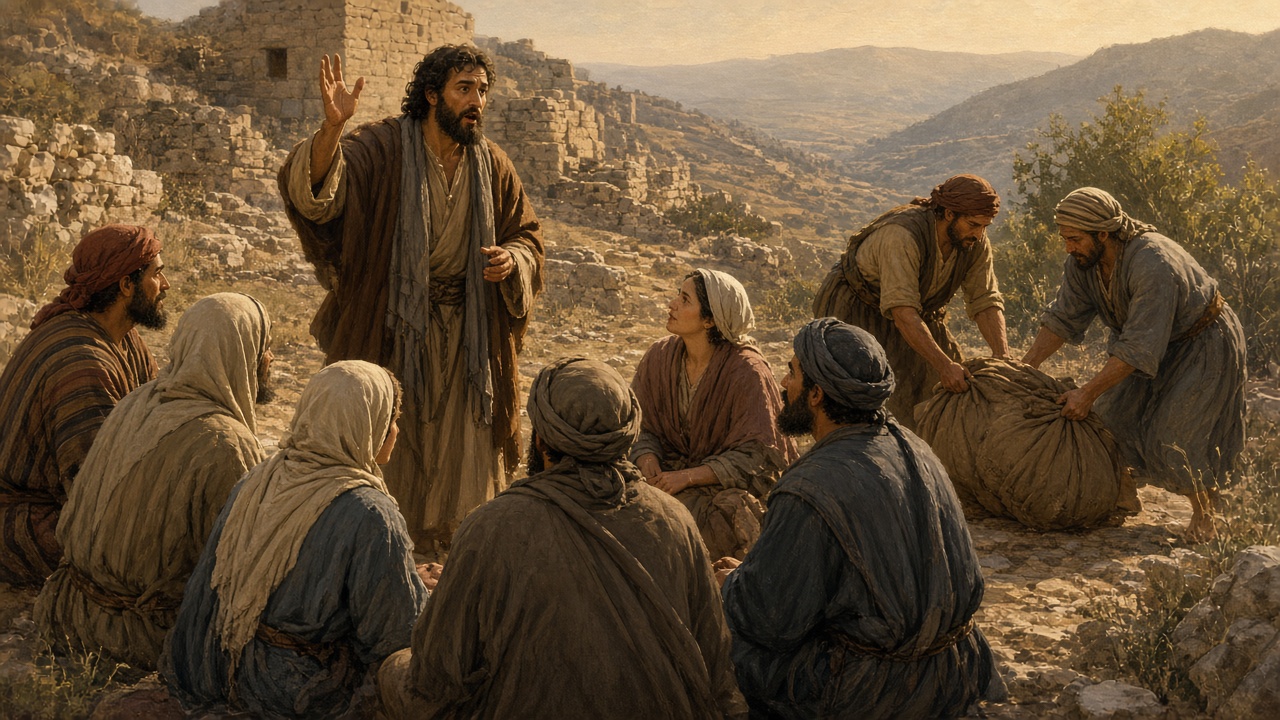
- The speaker identifies himself as Paul and warns that if those he addresses let themselves be circumcised, Christ will be of no value to them, and that every man who gets himself circumcised is obligated to obey the whole law. A biographical account says that Paul's circumcision-name was Saul, and that the name Paul was probably given to him in infancy for use in the Gentile world, while Saul would be his Hebrew home-name.Sources: the Bible text itself · Paul
- Freedom is set against a yoke of slavery: the chapter says Christ has set them free and tells them to stand firm and not be burdened again by that yoke. They were called to freedom, not as an opportunity for the flesh, but to serve one another in love, and the entire law is fulfilled in the single decree to love one's neighbor as oneself.Sources: the Bible text itself
- Walking by the Spirit is contrasted with gratifying the desires of the flesh, which are opposed to each other. If people are led by the Spirit, they are not under the law; the chapter lists the acts of the flesh and the fruit of the Spirit, and says that against such things there is no law.Sources: the Bible text itself
Notes written with AI assistance from open sources (Theographic Bible Metadata, CC BY-SA 4.0; Easton’s Bible Dictionary, public domain) and reviewed before publishing.
Credits and license for this translation
Jesucristo oy oa’pak: Kenda Jesucristoa; monigka’uyatenok; Diostaj mo’manopo’yarea’ika’ne
New Testament in Amarakaeri (PE:amr:Amarakaeri)
copyright © 2008 Wycliffe Bible Translators, Inc.
Language: Amarakaeri
Translation by: Wycliffe Bible Translators, Inc.
Amarakaeri [amr], Peru
Copyright Information
© 2008, Wycliffe Bible Translators, Inc. All rights reserved.
This translation text is made available to you under the
terms of the Creative Commons License: Attribution-Noncommercial-No Derivative Works.
( http://creativecommons.org/licenses/by-nc-nd/3.0/ )
In addition, you have permission to port the text to different file formats, as long as you
do not change any of the text or punctuation of the Bible.
You may share, copy, distribute, transmit, and extract portions
or quotations from this work, provided that you include the above copyright
information:
You must give Attribution to the work.
You do not sell this work for a profit.
You do not make any derivative works that change any of the actual words or punctuation of the Scriptures.
Permissions beyond the scope of this license may be
available if you contact
us with your request.
The New Testament
in Amarakaeri
© 2008, Wycliffe Bible Translators, Inc. All rights reserved.
This translation is made available to you under the terms of the
Creative Commons Attribution-Noncommercial-No Derivatives license 4.0.
You may share and redistribute this Bible translation or extracts from it in any format, provided that:
You include the above copyright and source information.
You do not sell this work for a profit.
You do not change any of the words or punctuation of the Scriptures.
Pictures included with Scriptures and other documents on this site are licensed just for use with those Scriptures and documents.
For other uses, please contact the respective copyright owners.
2024-02-11
Source: http://ebible.org/amrNT/ · eBible.org