Ephesians 2
Jesucristo oy oa’pak: Kenda Jesucristoa; monigka’uyatenok; Diostaj mo’manopo’yarea’ika’ne · Tap a verse to see its cross-references.
Dios diʼ moʼe̱po oroʼomeytaj moʼnopoʼkoreaʼne.
1Dios Cristoere moʼnopoʼkoreaʼpo moʼnopoʼnoeaʼuyne. Aʼnenda Diostaj nigpe̱i̱kahueʼ moʼi̱kaʼuyne. Dakhueaʼ boʼkikaʼuyne. Diostaj eʼbueyonig moʼi̱kaʼuyne. 2Kenpaʼda dakhueaʼ boʼkikaʼpo Diostaj nigpe̱e̱hueʼda moʼi̱kaʼuyne. Konig noga̱ o̱gkikaʼnig opudomey konigti boʼkikaʼuyne. Konig noga̱ onʼnopo̱i̱kaʼnig konigti moʼnopo̱i̱kaʼuyne. Totoʼ huairitaj moʼnigpe̱i̱kaʼuyne. Totoʼ kurudyo̱ hua̱e̱ʼeri o̱ʼe̱po namaʼda ayaʼtada oʼmanaʼikaʼpo Diostaj nigpe̱e̱hueʼ hua̱i̱kaʼeritaj oʼmanaʼikaʼ. 3Oroʼomey judío hua̱e̱ʼeri judío ehueʼ hua̱e̱ʼeriere aʼnenda Diostaj nigpe̱e̱hueʼ o̱ʼi̱kaʼuyne. Ken oroʼen hua̱so̱ʼa̱ katepiʼ oʼeretpakpo oʼkikaʼuyne. Katepiʼ oroʼen huanopoʼ oʼpakpo, katepiʼ oroʼada oʼpakpo, dakhueapiʼ oʼpakpo kenda oʼkikaʼuyne. Konigti nogomeytaj Diosa castiga o̱gkaʼdik oʼmaeapo kenpaʼti Diosa oroʼomeytaj castiga o̱gkaʼdik moʼe̱a̱yetnigʼa. 4Diosnayo huakkaʼda moʼtinepahuiʼpo oroʼomey Diostaj nigpe̱e̱hueʼ e̱ʼi̱kaʼte ken konig Diostaj noehueʼ o̱ʼe̱po Diostehuapaʼ konig eʼbueyonig oʼmauyne kenokaʼ Diosa moʼtinepahuiʼpo huakkaʼda diʼ moeʼu̱yne. Diosa diʼ moʼe̱po Cristo eʼbueydeʼte kubarakyaʼ moʼnignoyhuada̱ʼuyate. Oroʼomeytakon moʼnoeaʼuyne. Diosa diʼ moʼe̱po kenpaʼti oʼpakpo opudomeyen dakhueaʼ eʼkaʼ bokkahueaʼuyne kenpaʼti moʼnoeaʼuyne kenpaʼti moʼnopoʼkoreaʼuyne. 6Kenpaʼti Cristotaj moknopo̱e̱nok Diosa moʼnoeaʼne. Huaboaʼda Diostaj oʼnigpe̱i̱kaʼpo Cristoere Diostaj oʼnoikaʼne. Cristoere kurudyo̱ oʼnoikaʼne. Cristoere ʼuruda o̱ʼi̱kaʼne kenpaʼti durugda o̱ʼi̱kaʼne. 7Jesucristotaj moʼnigtaʼmonaʼuyne Diosa oroʼomeytaj huakkaʼda diʼ moʼmaepo oroʼomeytaj moʼnoeaʼuyne. Huakkaʼ moʼtinepahuiʼpo moʼnoeaʼuyne. Ken nogok ayaʼtada aʼmanopo̱i̱kayaʼpo Diosa kenda moʼnigkaʼuyne. 8Oroʼomey dakhueaʼ huakaʼeritaj Diosa moʼtinepahuiʼpo diʼ moʼe̱po moʼnopoʼkoreaʼuyne. Oroʼomey Cristotaj oʼnopoʼkoreaʼpo oknopo̱e̱nok Diosa dakhueaʼ eʼkaʼ moʼnopoʼyareaʼuyne. Huataʼda dakhueaʼ eʼkaʼ nopoʼyareahueʼdikda o̱ʼi̱kaʼne. Diosa katetehueʼ dakhueaʼ eʼkaʼ moʼnopoʼyareaʼuyne. 9Oroʼ huadakaʼda oʼnigkikaʼnok oroʼomeytaj Diosa nopoʼyareahueʼdik moʼi̱kaʼapone. “ʼUruaʼda ijkikaʼnok Diosa meʼnopoʼyareaʼne.” Oroʼomeya̱ ahueʼdik o̱ʼe̱ne. 10Oroʼomey huaknopo̱e̱ʼeritaj Diosa ʼuruaʼda moʼnopoʼkaʼuyne. Huadaknanada kanʼnopo̱i̱keʼpo huadakda huaʼa kanʼbatiaʼpakikeʼpo, huadakda kanʼkikeʼpo, Diostaj kanʼnigpe̱i̱keʼpo, nogomeytaj diʼ kanʼmaikeʼpo Diosa aʼnennada oʼpakpo ʼuruaʼda moʼnopoʼkaʼuyne. Cristo Jesústaj oknopo̱e̱nok Diosa ʼuruaʼda moʼnopo̱e̱a̱ʼikaʼne.
Cristotaj moknopo̱e̱nok Cristoa moʼmanopoʼnoeya̱ʼne. Diostaj moʼmanoeya̱ʼuyne.
11Opudomey judío aratbut ehueʼ moʼi̱kaʼuy. Judío aratbut huabokerekensiʼdak oʼnoktegi̱kaʼ. Judío aratbuttaj huaktege̱ri onʼbahuaaʼikaʼ. Opudomey okteghueʼ hua̱e̱ʼeri boʼhuaaʼikaʼne. Kenda okkahuehueʼ yanikaʼ. 12Aʼnenda Cristotaj oknopo̱e̱hueʼ moʼi̱kaʼuyne. Cristoere ehueʼ moʼi̱kaʼuyne. Diosen aratbut ehueʼ moʼi̱kaʼuyne. Israel aratbut ehueʼda moʼi̱kaʼuyne. Israel aratbutyoʼda Diosen aratbut o̱ʼnikaʼuy. Israel aratbuttaj ʼuruaʼda ijmanigkikaʼapoy Diosa oʼmanaʼuyate. Opudomey kenda nopo̱e̱hueʼ moʼi̱kaʼuyne. Diosa nopoʼkoreaʼdik kenpaʼti Diosere nounhuahuikaʼdik o̱ʼe̱y oknopo̱e̱hueʼ moʼi̱kaʼuyne. In huadariyo moʼnoikaʼnigʼa Diostaj oknopo̱e̱hueʼ moʼi̱kaʼuyne. 13Aʼnen Diostaj konig bidteda e̱ʼu̱o̱nig moʼi̱kaʼuyne. Oynayo Jesucristotaj moknopo̱e̱depo Diosen aratbut moʼi̱kaʼne. Cristo moʼnigbueyʼuynok judío aratbutere Diosen aratbut moʼe̱dene. 14Oroʼ judío aratbuttaj kenpaʼti judío ehueʼ aratbuttaj moʼmanoeynoeyʼuyne Cristoa. Aʼnen huayahuaya oʼbahuadiayikaʼuy. Konig takaʼ o̱ʼi̱kaʼuy. Jesucristoa moʼmanoeya̱ʼdepo nogaratbuttida boʼkaʼuyate. 15Jesús cruzte oʼmanigbueypo Moisésenbaʼ eʼnigpe̱i̱kaʼ oʼdakeaʼuyate. Oʼmanigbueypo nogtida huaboaʼ aratbutaʼ oʼkaʼuyate. Judío aratbut nog aratbut e̱ʼe̱a̱da nogtida huabo aratbutaʼ oʼkaʼuyate. Ken konig oʼkaʼpo judío nog aratbuttakon oʼmanoeya̱ʼuyate. 16Ken Cristo cruzte moʼnigbueyʼuynok judío aratbut judío aratbut ehueʼ e̱ʼhua̱e̱ʼtaj huayahuaya eʼbahuadiayikaʼtada Jesúsa kenpaʼda oʼmabatikaʼuyate, kenpaʼti oʼmanoeya̱ʼuyate. Diostehuapakon oʼmanoeya̱ʼuyate. Kenpaʼti bottaʼ aratbut e̱e̱ʼtada konig nogtida aratbut oʼkaʼuyate.
17Cristo oʼtiakdepo, Diostaj yanoknopo̱e̱po yanʼnopoʼnoeyʼ, Cristoa oʼmanaʼikaʼuyate. Judío aratbut ehueʼ hua̱e̱ʼeritaj oʼmanaʼikaʼuyate. Kenpaʼti judío aratbuttaj konigti oʼmanaʼikaʼuyate. 18Cristoa moʼnigbueyʼuyatenok Apag Diostaj huahuaʼdik o̱ʼi̱kaʼne. Oroʼ ayaʼada judío kenpaʼti judío ehueʼ hua̱e̱ʼeri Apag Diostaj huahuaʼdik o̱ʼi̱kaʼne. Diosen Noki̱re̱ga̱ boʼtihuapokikaʼnok Diostaj huahuaʼdik o̱ʼi̱kaʼne. 19Konige̱po opudomey judío ehueʼ hua̱e̱ʼeri konig nog aratbutenbayo hua̱e̱ʼeri ehueʼ moʼi̱kaʼne. Diosen aratbutere opudomeykon Diosenbayo hua̱e̱ʼeri moʼe̱po Diosen aratbut moʼi̱kaʼne. 20Opudomey Jesucristotaj huaknopo̱e̱ʼeri konig huaboroʼ jakonig moʼi̱kaʼne. Jesúsen huamanbatiaʼpakeri kenpaʼti Diosen huamanbatiaʼpakeri opudomeytaj monmadikikaʼpo konig jak huakaʼerionig oneʼuy. Kenpaʼti Jesucristotaj moknopo̱e̱po Jesucristo konig huidtoneʼteonig ayaʼ huaboroʼ jaktoneʼo̱nig dakaʼ oʼhuadikaʼ. 21Cristotaj moknopo̱e̱po konig jak hue̱ypa nogtaj nogtaj dakaʼ onʼtinukuikaʼnig konig onteteyoʼ moknopo̱e̱po konig jak Diosa oʼdakeaʼdepo konig Diosen jak moʼe̱po konig onpapayoʼ Diosenyoʼda nogi̱ti nogi̱ti oʼkikaʼne. 22Ken opudomeykon Jesucristotaj moknopo̱i̱kaʼpo nog huaknopo̱e̱ʼeriere moknopo̱i̱kaʼne Diosen Noki̱re̱ga̱ moʼnopoʼto̱i̱kaʼnok konig Diosen jak moʼi̱kaʼne.
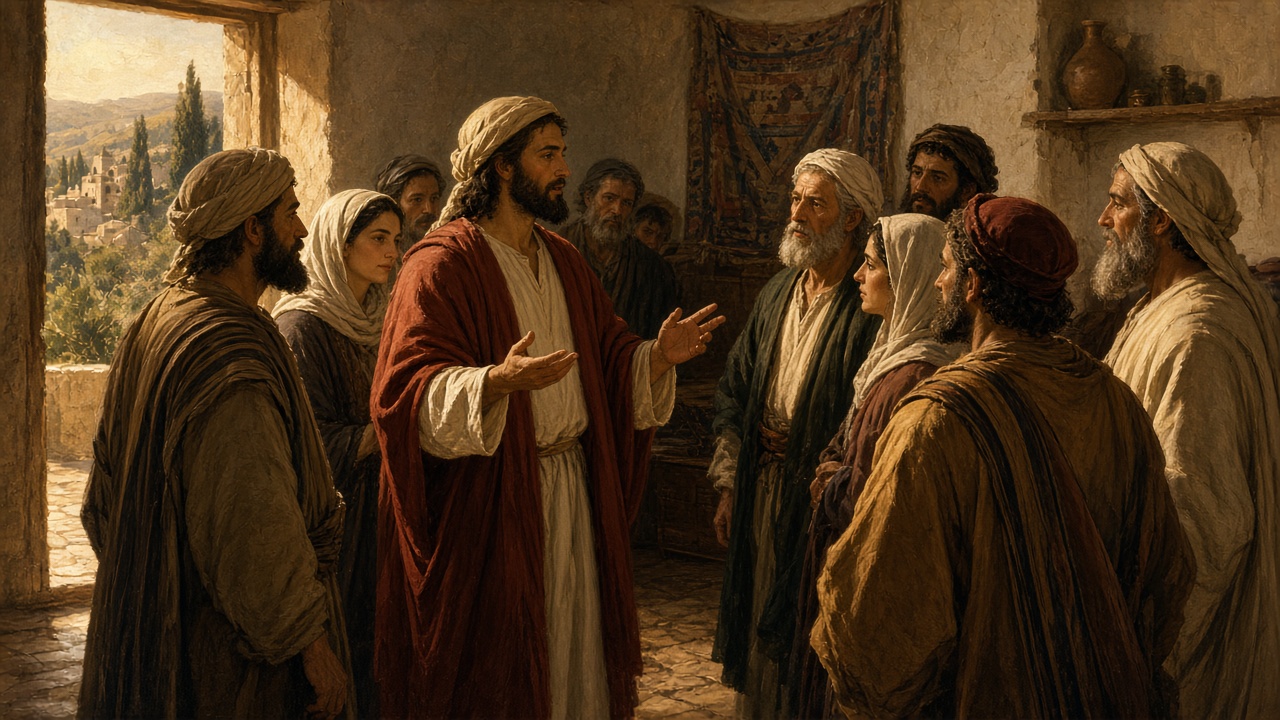
Did you know?
Made alive and brought near
- Ephesians 2 addresses readers who were dead in their trespasses and sins, conforming to the ways of this world and of the ruler of the power of the air. It says that God, rich in mercy, made them alive with Christ, raised them up with him, and seated them with him in the heavenly realms, and that they have been saved by grace through faith, not from themselves but as the gift of God, not by works, so that no one can boast.Sources: the Bible text itself
- Ephesians 2 reminds readers who are Gentiles in the flesh that they were called uncircumcised by the so-called circumcision, which the chapter describes as done in the body by human hands. It says that at that time they were separate from Christ, alienated from the commonwealth of Israel, and strangers to the covenants of the promise, without hope and without God in the world.Sources: the Bible text itself
- Ephesians 2 calls Christ himself our peace: he made the two one and tore down the dividing wall of hostility, abolishing in his flesh the law of commandments and decrees, to create in himself one new man and reconcile both to God in one body. He preached peace to those far away and those near, and through him both have access to the Father by one Spirit. The readers are no longer strangers and foreigners but fellow citizens with the saints and members of God’s household, built on the apostles and prophets with Christ Jesus as the cornerstone, and in him they too are being built together into a holy temple, a dwelling for God in his Spirit.Sources: the Bible text itself
Notes written with AI assistance from open sources (Theographic Bible Metadata, CC BY-SA 4.0; Easton’s Bible Dictionary, public domain) and reviewed before publishing.
Credits and license for this translation
Jesucristo oy oa’pak: Kenda Jesucristoa; monigka’uyatenok; Diostaj mo’manopo’yarea’ika’ne
New Testament in Amarakaeri (PE:amr:Amarakaeri)
copyright © 2008 Wycliffe Bible Translators, Inc.
Language: Amarakaeri
Translation by: Wycliffe Bible Translators, Inc.
Amarakaeri [amr], Peru
Copyright Information
© 2008, Wycliffe Bible Translators, Inc. All rights reserved.
This translation text is made available to you under the
terms of the Creative Commons License: Attribution-Noncommercial-No Derivative Works.
( http://creativecommons.org/licenses/by-nc-nd/3.0/ )
In addition, you have permission to port the text to different file formats, as long as you
do not change any of the text or punctuation of the Bible.
You may share, copy, distribute, transmit, and extract portions
or quotations from this work, provided that you include the above copyright
information:
You must give Attribution to the work.
You do not sell this work for a profit.
You do not make any derivative works that change any of the actual words or punctuation of the Scriptures.
Permissions beyond the scope of this license may be
available if you contact
us with your request.
The New Testament
in Amarakaeri
© 2008, Wycliffe Bible Translators, Inc. All rights reserved.
This translation is made available to you under the terms of the
Creative Commons Attribution-Noncommercial-No Derivatives license 4.0.
You may share and redistribute this Bible translation or extracts from it in any format, provided that:
You include the above copyright and source information.
You do not sell this work for a profit.
You do not change any of the words or punctuation of the Scriptures.
Pictures included with Scriptures and other documents on this site are licensed just for use with those Scriptures and documents.
For other uses, please contact the respective copyright owners.
2024-02-11
Source: http://ebible.org/amrNT/ · eBible.org