Acts 16
Jesucristo oy oa’pak: Kenda Jesucristoa; monigka’uyatenok; Diostaj mo’manopo’yarea’ika’ne · Tap a verse to see its cross-references.
Pabloere Silasere Timoteo oʼhuaeʼuyate.
1Pablo Silasere huakkuru Derbe huakkaʼ jakyo onʼhuaʼdepo konogyonda Listra huakkaʼ jakyo onʼhuaʼuyate. Timoteo Jesústaj huaknopo̱e̱ʼeri o̱ʼe̱po Listrayo o̱ʼi̱kaʼuyate. Keʼnen inag Jesústaj oknopo̱e̱po judío aratbut o̱ʼu̱yate. Timoteoen apag judío aratbut ehueʼ o̱ʼu̱yate. 2Listra huakkaʼ jakyo huanigpe̱i̱kaʼeria kenpaʼti Iconio huanigpe̱i̱kaʼeria Timoteo huadakda o̱ʼe̱ onʼbatiaʼpakikaʼuyate. 3Pablo Timoteotaj nogyon nogyon eʼtohuaʼtaʼ oʼpakpo ke̱yo̱ Timoteoen apag nog aratbutda o̱ʼe̱ judío aratbut onʼnopo̱e̱nok huadiayhueʼ meʼnepo Pabloa Timoteotaj huasiʼdak oktegʼuyate. 4Nog huakkaʼ jakyo nog huakkaʼ jakyo onʼhuaʼepo kenda Jerusalén huaknopo̱e̱ʼeri huairi Jesúsen huataʼmoneriere onʼmanameʼnigda Pablomeya̱ onʼmananhuaʼuyate. 5Ken huanigpe̱i̱kaʼeri o̱gkupopakikaʼpo nogi̱ti nogi̱ti Jesústaj dakaʼda onʼnigpe̱e̱po ayaʼda huameʼnoeda noga̱kon Jesústaj huaboaʼda oʼnoknopounhuaʼuyate.
Pabloa Macedoniabayo hua̱e̱ʼeritaj konig eʼyorokeaʼnig oʼtiahuayʼuyate.
6Asia huadaribayo Jesúsen huadak huaʼa manbatiaʼpakhueʼ yaneʼ. Diosen Noki̱re̱ga̱ Pablotaj onaʼnok Frigia huadaribayo kenpaʼti Galacia huadaribayo onʼhuaʼepo 7Misia huadaribayo o̱ʼnedepo Bitinia huadaribayo ehuataʼ onʼpakuynigʼa “Huahueʼdik moʼe̱ne.” Jesúsen Noki̱re̱ga̱ oʼmanopo̱e̱a̱ʼuyate. 8Konige̱po Misia onʼpokonpo huaboroʼ e̱ʼpo̱gte Troas huakkaʼ jakyo onʼhuarakuyate. 9Ke̱ya̱ʼda sikyo Pablo konig eʼyorokyanig huabokerektaj oʼtiahuaynig, ken huabokerek Macedonia huadaribayo hua̱e̱ʼeri oʼbopo, onaʼpo:
“Oroʼedbayo Macedoniayo yatiak. Oroʼtaj boʼtihuapok.” Onaʼuyate. 10Konige̱po Macedoniayo aktegyaʼpo oroʼ oʼbahuede̱a̱ʼuy. Jesúsen huadak huaʼa kanʼmanbatiaʼpakeʼpo Diosa moʼtaʼmonaʼne oroʼ oʼnopo̱e̱ʼuy.
Filipos huakkaʼ jakyo Pablo Silasere o̱ʼnikaʼuyate.
11Troas huakkaʼ jakyo kusiʼpetoneʼyo oʼkudondepo Samotracia hua̱gkutaʼmejyo oʼhuaʼuy. Emeʼte Neápolis huakkaʼ jakyo oktegdepo o̱kye̱ʼuy. 12Ke̱ya̱ʼ Filipos huakkaʼ jakyo oʼhuaʼuy. Kenteda huakkaʼ Roma aratbut o̱ʼnikaʼuy. Kenteyo Macedonia huadaribayo Filipos hueretda huakkaʼda jak o̱ʼu̱yate. Ke̱yo̱da sueʼda huameʼnoe o̱ʼunhuaʼuy. 13Okmapi̱e̱ʼahuaddik huameʼnoete huakkaʼ jak kurute o̱ʼo̱ro̱kpo, hua̱hue̱kubog aratbut ke̱yo̱da onʼtionaʼpakikaʼ ke̱yo̱ oʼhuaʼuy. Ettoneʼere e̱gkupopakte oroʼ oʼhuadpo ettoneʼtaj Jesúsen huadak huaʼa oʼmanbatiaʼpakonhuaʼuy. 14Nogtida ettoneʼ Lidia o̱ʼu̱yate. Lidia huakkaʼ jak Tiatirayo hua̱e̱ʼeri o̱ʼu̱yate. Keʼna tela huabed huabahuayaʼeri o̱ʼi̱kaʼuyate. Kenpaʼti Diostaj oʼpakpo oʼtionaʼpakikaʼuyate. Pablo Jesúsen huadak huaʼa oʼmanbatiaʼpaknok Diosa Lidiataj oʼnopo̱e̱a̱ʼnok Lidia huaboaʼda Jesústaj oknopo̱e̱ʼuy. 15Lidiataj kenpaʼti ayaʼda Lidiaen jak hua̱e̱ʼeritaj bautiza oʼmagkaʼuy. Bautiza e̱gkadeʼte oroʼtaj monaʼpo:
—Do Jesús Huairien huanigpe̱i̱kaʼeri o̱ʼe̱ o̱ʼna dakaʼ eʼnopo̱e̱ʼnayo doʼhued jakyo yanʼtiakpo yanikaʼ. —Lidia monameʼne. Konige̱po keʼnen jakyo o̱ʼi̱kaʼuy.
16Nogok kenteyo huakkaʼ jak kurute hua̱hue̱te enʼtionaʼpakikaʼyo oʼhuaʼpo muneʼyo̱taj oʼdejmey. Muneʼyo̱ nog aratbuten huanabaʼ o̱ʼu̱yate. Totoʼa muneʼyo̱taj oʼnopoʼto̱e̱ʼnok muneʼyo̱ huanopoada oʼnokotikaʼuy. Konig o̱ʼe̱a̱po muneʼyo̱a̱ eʼbatiaʼpaknayo muneʼyo̱ huairien hua̱ta̱to̱e̱ʼtaj aratbut huakupe onʼyokikaʼpo konig o̱ʼneapo eʼnopo̱e̱taʼ onʼpakpo huakupe onʼyokikaʼuy. 17Pablotaj oroʼeretaj boʼtahuaʼpo,
—Inomey huabokerek Dios kuruderien huanabaʼ o̱ʼnepo onteʼti kurudyo̱ noeonhuahuikaʼdik moʼe̱ne onʼmanbatiaʼpak. —Muneʼyo̱a̱ ʼuttaʼda oʼmanaʼuyate.
18Huakkaʼ huameʼnoe konigti ʼuttaʼda oʼmanikaʼnok nogok Pabloa oʼdiayatupo oʼhuakorudpo,
—Jesucristo oʼpaknok muneʼyo̱yaʼ yako̱ro̱k, totoʼ, yonay. —Pabloa onaʼnok totoʼ o̱ʼo̱ro̱kuy.
19Huakkaʼ huakupe onteʼti ehueʼdik meʼta̱e̱a̱pone muneʼyoen huairi onʼnopo̱e̱depo Pablotaj Silastaere onʼbataʼkuypo huakkaʼ jak eretnopoyo Roma huairite onʼbatohuaʼuy. 20Huakkaʼ jakyo huairitaj onʼtotiakdepo,
—Oroʼen huakkaʼ jakyo hua̱e̱ʼeritaj inomey judío huabokerek dakhueaʼda onʼmagkaʼpo 21kenda onʼmanmadikaʼnig oroʼ Roma aratbut o̱ʼe̱po pe̱e̱hueʼdik kenpaʼti kikahueʼdik o̱ʼe̱y. —Muneʼyoen huairia namaʼda onʼmanaʼuy.
22Ken huakkaʼ aratbut e̱gkupopakyaʼ onʼpe̱e̱depo Pablotaj Silaseretaj i̱ghuaʼda onʼbahuaaʼpo “Huaot yanʼbakkirokaʼ. Hue̱ypia yanʼmabitbit.” Huairia onʼmanaʼuy. 23Ken, diga̱ʼda onʼmabitbitdepo huabakuda̱ʼ jakyo onʼbakuda̱ʼdepo, “Dakaʼ yanʼmato̱e̱tiʼ.” Huabakuda̱ʼ jak huato̱e̱ʼeri huairitaj oʼnonaʼuy. 24Kenda huabakuda̱ʼ jak huairi oʼpe̱e̱depo adyonda oʼbakuda̱ʼuyate. Monhueʼdikaʼ hue̱ymeyente oʼbaibetaʼuyate.
25Nopote sikyo Pablo Silasere onʼtionaʼpakonhuaʼpo enʼbatadiʼkeadhuaʼte nog eʼbakuda̱ʼ onʼmape̱e̱ʼuyate. 26Ijhuiti ehueʼ huakkaʼda o̱ʼi̱ye̱gpo. Huabakuda̱ʼ jak diga̱ʼda o̱ʼi̱ye̱gpo ayaʼda oʼbakhuikeaʼuy. Ayaʼda sirobia huabakuderitaj eʼtidukuʼ oʼbakkujuyate. 27Huabakuda̱ʼ jak huairi oʼmabodepo ayaʼda jak eʼbakhuikeaʼ oʼtiahuaypo ayaʼda ebakuda̱ʼ onʼmamonate oʼnopo̱e̱po huataʼ aʼarakyaʼpo siro oʼutukonʼuy.
28—Kejeʼ huataʼ arakhueʼ ya̱e̱ʼ. Ayaʼda i̱yo̱da o̱ʼe̱y. —Pabloa ʼuttaʼda onaʼuyate.
29Ken huabakuda̱ʼ jak huairia “huakjey eʼbetaʼ menigtotiak,” oʼmanaʼpo, i̱da oʼkudonpo. Huakkaʼ oʼmeʼpukepo oʼiriga̱ʼpo Pablotaj Silastere huikudate oʼbatihuaduyate. 30Kenokaʼ Pablotaj Silaseretaj oʼmato̱ro̱kpo,
—Dakhueaʼ ijkamey, aʼnopoʼyareayaʼpo kate kaʼdik i̱jje̱, huairiomey. —Huabakuda̱ʼ jak huairia oʼmanaʼuyate.
31—Jesucristo Huairitaj yaknopo̱e̱ʼ. Onere o̱ʼnen huabetere onʼnigpe̱e̱nok Diosa oʼmanopoʼyareaʼapo. —Pablo Silaserea oʼnonaʼuy.
32Jesucristo Huairien huadak huaʼa huairitaj keʼnen huabetterekon oʼmanbatiaʼpakbedʼuy. 33Sikyo o̱ʼe̱po huabakuda̱ʼ jak huairi hue̱ypia mimia eʼmabitbitmeʼ oʼbatihuekeaʼuy. Pablo Silasere huairitaj keʼnen huabettaj ken sikyoda bautiza oʼmagkaʼuyate. 34Bautiza eʼmagkadeʼte jakyo huairia oʼbatokudpo Pablotaj Silastaere aypo oʼbatobapeʼuyate. Huairi keʼnen huabetere Diostaj onʼnigpe̱e̱depo durugda o̱ʼneʼuyate.
35Sikyoedda huakkaʼ jak huairi sorotatataj huabakuda̱ʼ jakyo onʼmataʼmonaʼpo, “Pablotaj Silastere yanʼmaoro̱kaʼ.” Huabakuda̱ʼ jak huairitaj ya̱ʼnonaʼ. 36Kenda eʼnonaʼte huabakuda̱ʼ jak huairi oʼpe̱e̱depo Pablotaj oʼmonaʼpo,
—Opudtaj kanʼo̱ro̱keʼ. Huakkaʼ jak huairia menaʼne. Konige̱po opuda̱ dakteda huaʼdik moʼe̱ne. Eʼmanaʼtada.
37—Romano hua̱e̱ʼeri e̱e̱ʼtada huairia oroʼtaj pe̱e̱hued huakkaʼ aratbut bakpote sorotataj hue̱ypia moʼbitbitmeʼne. Huabakuda̱ʼ jakyo boʼkuda̱meʼne. Oyda i̱re̱gi̱re̱g eʼo̱ro̱kaʼtaʼ menaʼpo boʼtipak. Kejeʼ, keʼnada kanʼtiakpo aratbut bakpote moʼo̱ro̱keʼ. —Pabloa huakkaʼ jak huairien sorotatataj oʼmanaʼuyate.
38Konig Pablo sorotatataj oʼmanaʼnig sorotataj huakkaʼ jak huairitaj onʼhuaʼdepo konigda onʼmanaʼuy. Pablo Silasere Roma hua̱e̱ʼeri o̱ʼnenok huakkaʼ jak huairi kenda onʼpe̱e̱depo onʼmeʼpukpo 39huabakuda̱ʼ jakyo onʼhuaʼuy. “Namaʼda o̱gkameʼne, motinoeyʼ oroʼtaj.” Pablotaj Silastaere onʼmanaʼpo onʼmato̱o̱ro̱konpo, “Huakkaʼ jakyaʼ yanhuatiʼ.” Onʼmanaʼuyate. 40Huabakuda̱ʼ jakyaʼ oʼnoro̱kdepo Lidiaen jakyo onʼhuaʼuy. Jesúsen huanigpe̱i̱kaʼeritaj onʼmanbatiaʼpakpo onʼmaboroaydepo onʼbakhuaʼuyate.
Did you know?
From Lystra to Philippi
- At Lystra, Paul met Timothy, a disciple of whom the brothers in Lystra and Iconium spoke well, the son of a believing Jewish woman and a Greek father. Wanting him as a companion, Paul had him circumcised on account of the Jews there, who knew that his father was Greek. Easton's Bible Dictionary (1897) says Timothy probably lived in Lystra and seems to have been converted during Paul's earlier visit.Sources: the Bible text itself · Timotheus
- After being kept from speaking in the province of Asia, Paul and his companions traveled through Phrygia and Galatia. At the border of Mysia they were not permitted to enter Bithynia, so they went down to Troas, Mysia's chief port on the northwest coast of Asia Minor, a city named for ancient Troy about four miles to the north. There a night vision of a man of Macedonia pleading for help led them to sail to that Roman province north of Greece.Sources: the Bible text itself · Mysia · Troas · Macedonia
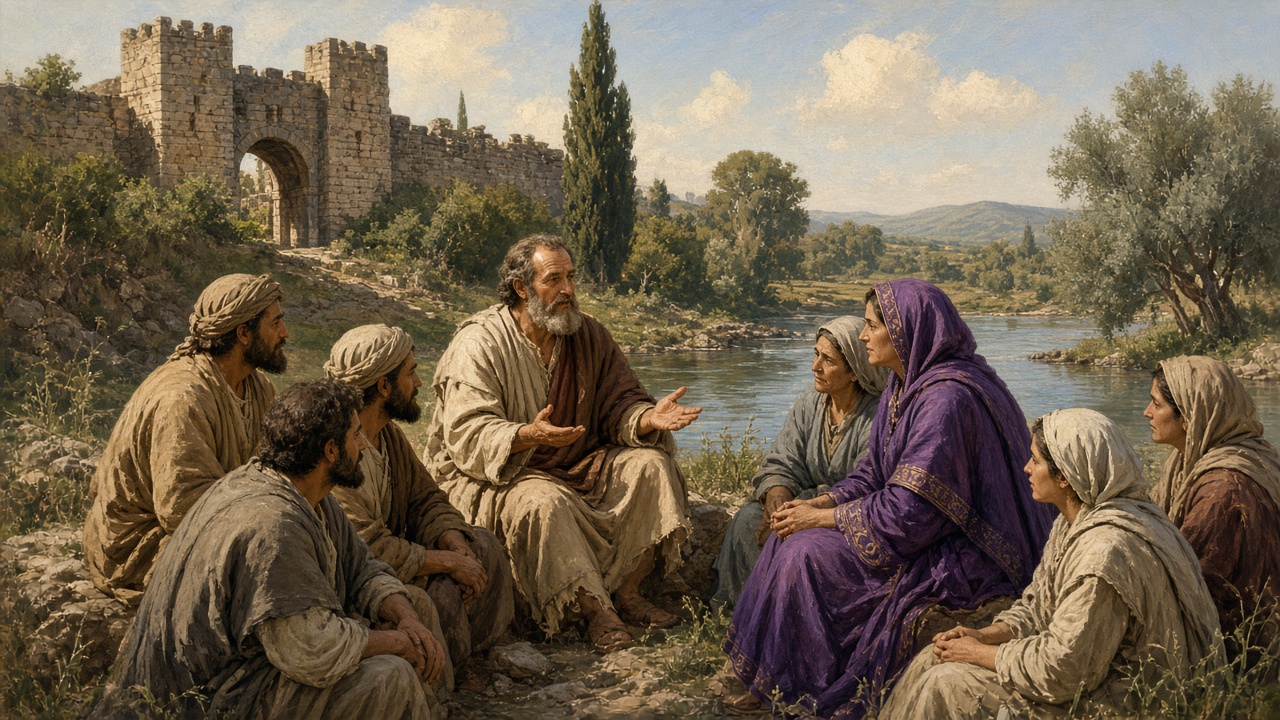
- In the Roman colony of Philippi, Paul and his companions found a customary place of prayer by the river outside the city gate, where women had gathered. Among them was Lydia, a dealer in purple cloth from Thyatira and a worshiper of God; after she and her household were baptized, she persuaded the travelers to stay at her house. Easton's Bible Dictionary (1897) describes her as a proselyte of considerable wealth and as the first person in Europe to embrace Christianity.Sources: the Bible text itself · Lydia
Notes written with AI assistance from open sources (Theographic Bible Metadata, CC BY-SA 4.0; Easton’s Bible Dictionary, public domain) and reviewed before publishing.
Places in this chapter
- Lystra · Today: Tel Lystra · 37.602, 32.338 · verses 1, 2
- Iconium · Today: Konya · 37.872, 32.492 · verse 2
- Jerusalem · 31.777, 35.234 · verse 4
- Asia · 38.400, 28.300 · verse 6
- Galatia · 39.267, 32.983 · verse 6
- Phrygia · 39.000, 31.000 · verse 6
- Bithynia · 40.500, 31.000 · verse 7
- Mysia · 40.000, 28.500 · verses 7, 8
- Troas · Today: Alexandria Troas · 39.752, 26.159 · verses 8, 11
- Greece · 37.972, 23.727 · verse 9
- Macedonia · 41.600, 22.540 · verses 9, 10, 12
- Neapolis · Today: Kavala · 40.935, 24.415 · verse 11
- Samothrace · Today: Samothraki · 40.450, 25.583 · verse 11
- Philippi · 41.012, 24.285 · verse 12
- Thyatira · Today: Akhisar · 38.920, 27.837 · verse 14
Only places identified with high confidence are shown (90% or more according to the scholarly sources compiled by OpenBible). Period map: DARE (Digital Atlas of the Roman Empire), CC BY 4.0; modern map: © OpenStreetMap contributors; places: OpenBible.info (CC BY 4.0).
Credits and license for this translation
Jesucristo oy oa’pak: Kenda Jesucristoa; monigka’uyatenok; Diostaj mo’manopo’yarea’ika’ne
New Testament in Amarakaeri (PE:amr:Amarakaeri)
copyright © 2008 Wycliffe Bible Translators, Inc.
Language: Amarakaeri
Translation by: Wycliffe Bible Translators, Inc.
Amarakaeri [amr], Peru
Copyright Information
© 2008, Wycliffe Bible Translators, Inc. All rights reserved.
This translation text is made available to you under the
terms of the Creative Commons License: Attribution-Noncommercial-No Derivative Works.
( http://creativecommons.org/licenses/by-nc-nd/3.0/ )
In addition, you have permission to port the text to different file formats, as long as you
do not change any of the text or punctuation of the Bible.
You may share, copy, distribute, transmit, and extract portions
or quotations from this work, provided that you include the above copyright
information:
You must give Attribution to the work.
You do not sell this work for a profit.
You do not make any derivative works that change any of the actual words or punctuation of the Scriptures.
Permissions beyond the scope of this license may be
available if you contact
us with your request.
The New Testament
in Amarakaeri
© 2008, Wycliffe Bible Translators, Inc. All rights reserved.
This translation is made available to you under the terms of the
Creative Commons Attribution-Noncommercial-No Derivatives license 4.0.
You may share and redistribute this Bible translation or extracts from it in any format, provided that:
You include the above copyright and source information.
You do not sell this work for a profit.
You do not change any of the words or punctuation of the Scriptures.
Pictures included with Scriptures and other documents on this site are licensed just for use with those Scriptures and documents.
For other uses, please contact the respective copyright owners.
2024-02-11
Source: http://ebible.org/amrNT/ · eBible.org