2 Corinthians 7
Jesucristo oy oa’pak: Kenda Jesucristoa; monigka’uyatenok; Diostaj mo’manopo’yarea’ika’ne · Tap a verse to see its cross-references.
1Kenda Diosa onʼnigkaʼapone oʼmanaʼuyate, huadiʼda egomey pogomey. Konige̱po oroʼen dakhueaʼ eʼkaʼ moʼnopoʼkoreaʼpo onteʼti ʼuruaʼda mogkikaʼ. Kenpaʼti Diostaj moʼnokmeʼpukpo Diosen huaʼayoʼda monʼpakpo Diostayoʼda monʼnigpe̱i̱kaʼ.
Corinto huaknopo̱e̱ʼeriomeya̱ namaʼda dakhueaʼ oʼkikay onʼnopo̱e̱depo onʼnopoʼkoreaʼuyate.
2Doʼtaj Pablotaj diʼ menikaʼ. Opudomeytaj doʼhua beʼtapiʼ dakhueaʼ o̱gkahueʼ o̱ʼneʼuyne. Opudomeytapiʼ doʼhua nogtatipiʼ namaʼda onahueʼ o̱ʼneʼuyne. 3“Dakhueaʼ bokameʼne,” onahueʼ o̱ʼnene. Kenda konig oʼnonaʼdepo, “diʼda o̱ʼnene.” Oy diʼda o̱ʼnene. Nogoktion diʼda o̱ʼnikaʼapone. 4Huadak boʼkikaʼnok dakaʼ oʼnoknopo̱e̱ne. Opudomey Jesucristotaj dakaʼ moknopo̱e̱po Diostaj moʼnigpe̱i̱kaʼnok durugda i̱jje̱y. Do paiʼda eʼnopoʼi̱kaʼpiʼ opudomeytaj huakkaʼ ijdurugpaki. Opudomey Diostaj dakaʼ moknopo̱e̱nok huakkaʼ ijdurugpaki.
5Macedonia huadaribayo ijtiakdemeʼpo do paiʼda ijnopoʼeunhuahuikaʼpo batikhueʼda paiʼda ijnopoʼeunhuahuikay Meyo̱piʼ ijhuaʼikaʼmey doʼtaj keʼpoda diga̱ʼda oʼnogkikameʼne. Huaknopo̱e̱ʼeritaj kenpaʼti Cristoen huadak huaʼa eʼmanbatiaʼpakte dakhueaʼ onʼbahuaʼaikaʼpo kenpaʼti huaknopo̱e̱ʼeritaj onʼmagkikaʼnok huaknopo̱e̱ʼeri dakaʼ yanoknopo̱i̱kapet onteʼti oknopo̱e̱batikhueʼ ya̱ʼneapet ijnopo̱e̱po ijmeʼpukeʼikaʼuy. 6Suhueʼda o̱ʼnepo paiʼda eneʼte Diosa oʼmadurugpakaʼikaʼ. Diosada doʼtakon meʼdurugpakameʼne. Doʼtaj Titotaj Diosa meʼnigtotiakpo doʼtaj meʼdurugpakanmeʼne. 7Titoa beʼhuatiakmeʼnok ijdurugpakmey kenpaʼti opudomeya̱ Titotaj moʼdurugpakameʼnok doakon onʼtipe̱e̱po durugnanada i̱jje̱mey. Doʼtaj huakkaʼ etaʼhuade̱taʼ boʼpakikaʼne. Doʼtaj suhueʼda moʼi̱kaʼpo kenpaʼti doʼtaj moʼmepuʼkudhuahuameʼte Titoa kenda menameʼnok nogi̱tinada huakkaʼda ijdurugpakmey.
8Berobaʼ onʼnigmadoyaʼuyne. Boʼtiahuaydepo sueʼmeʼnoeda suhueʼ e̱ʼu̱ypiʼ nogpaʼda ijmanigmadoyaʼuy nopo̱e̱hueʼ i̱jje̱ʼuy. 9Oyda durugda i̱jje̱y. Suhueʼ moeʼu̱ynok do kenpaʼti durugda ehueʼ i̱jje̱ʼuy. Suhueʼ moʼe̱po Diostaj moʼnopoʼkoreaʼuyne. Diosa oʼpakpo moʼnopoʼkoreaʼuyne. Konige̱po ijdurugpaki onʼnigmadoyaʼuyne dakhueaʼda nigkahueʼ o̱ʼneʼuyne. 10Suhueʼ moʼe̱po dakhueaʼ eʼkikaʼ Diostaj moʼnopoʼkoreaʼpo onteʼti Diostaj moʼnigpe̱i̱kaʼnok Dios durugda o̱ʼe̱po dakhueaʼ eʼkaʼ moʼnopoʼyareaʼpo Diosere moʼnoeanhuahuikaʼapone. Onteʼti suhueʼ i̱kahueʼ moʼe̱a̱pone. Oknopo̱e̱hueʼ hua̱e̱ʼerinayo suhueʼ e̱ʼe̱a̱da nopoʼkoreahueʼ o̱ʼnikaʼpo kenpaʼde onʼmabueyapo. 11Opud suhueʼ moʼunhuaʼuyne. Suhueʼ moʼi̱kaʼdepo Diostaj diga̱ʼda eʼnigpe̱e̱taʼ boʼpakuynok. Kenbokerektaj castiga o̱gkahued Diostaj boʼeretpakpo moʼenʼuy. Onteʼti dakyoʼda eʼkikataʼ beʼpakikaʼuy. Nogok doʼtaj etaʼhuade̱taʼ boʼpakuyne. Castiga mogkaʼuynok dakhueaʼ o̱gkaʼuy opudtaj beʼapiʼ huaahueʼdik moʼe̱ne. 12Aʼnenda opudtaj onʼnigmadoyaʼpo kenbokerek dakhueaʼ huakikaʼeritaj kenpaʼti keʼna oʼbiraeʼuynigtaj kenomeytaj sueʼpiʼ ijmepuʼkepo onʼnigmadoyaʼne. Diosa boʼtiahuayikaʼpo oroʼtaj huakkaʼ diʼ moʼe̱ne kenpaʼti oroʼtaj huakkaʼ moʼtimepuʼkepo opuda̱da kenda kanʼnopo̱e̱ʼpo onʼnigmadoyaʼuyne. 13Oroʼtaj huakkaʼ diʼ moʼe̱nok onteʼti mepuʼkehueʼ o̱ʼe̱depo durugda o̱ʼe̱y.
Durugda o̱ʼe̱depo Tito opudenbayaʼ behuatiakdepo durugnanada o̱ʼe̱nok oroʼomeykon nogi̱ti durugnanada o̱ʼe̱y. Tito opudere e̱e̱ʼte dakaʼ boʼkikaʼnok durugda o̱ʼi̱kaʼuy. 14Opud Corinto hua̱e̱ʼerienbayo Tito huahued e̱e̱ʼted “huadakda huaknopo̱e̱ʼeri o̱ʼnepo Diostaj onʼnigpe̱i̱kaʼ.” Titotaj buttida yonaʼmey. Namaʼda onahueʼ i̱jje̱po birahueʼdik i̱jje̱y. Tito opudere o̱ʼe̱depo ayaʼda opudtaj onhuaaʼpo buttida onhuaaʼuynok kenda boʼtiahuayʼuy. 15Titotaj konig huairitanig boʼe̱meʼpo mokmeʼpukmeʼne kenpaʼti kentaj moʼnigpe̱i̱kameʼne. Kenda oy Tito okkahuehueʼ o̱ʼi̱kaʼpo nogi̱ti nogi̱ti diʼ moʼi̱kaʼne. 16Diostaj kenpaʼti doʼtaj moʼnigpe̱i̱kaʼnok do Pabloa dakaʼda onʼtinopo̱e̱po durugnada i̱ji̱kay.
Did you know?
Comfort after a painful letter
- Macedonia, where Paul says he arrived with no rest in his body—conflicts outside and fears within—was a Roman province north of Greece. There, he writes, the God who comforts the downcast comforted him by the arrival of Titus.Sources: Macedonia · the Bible text itself
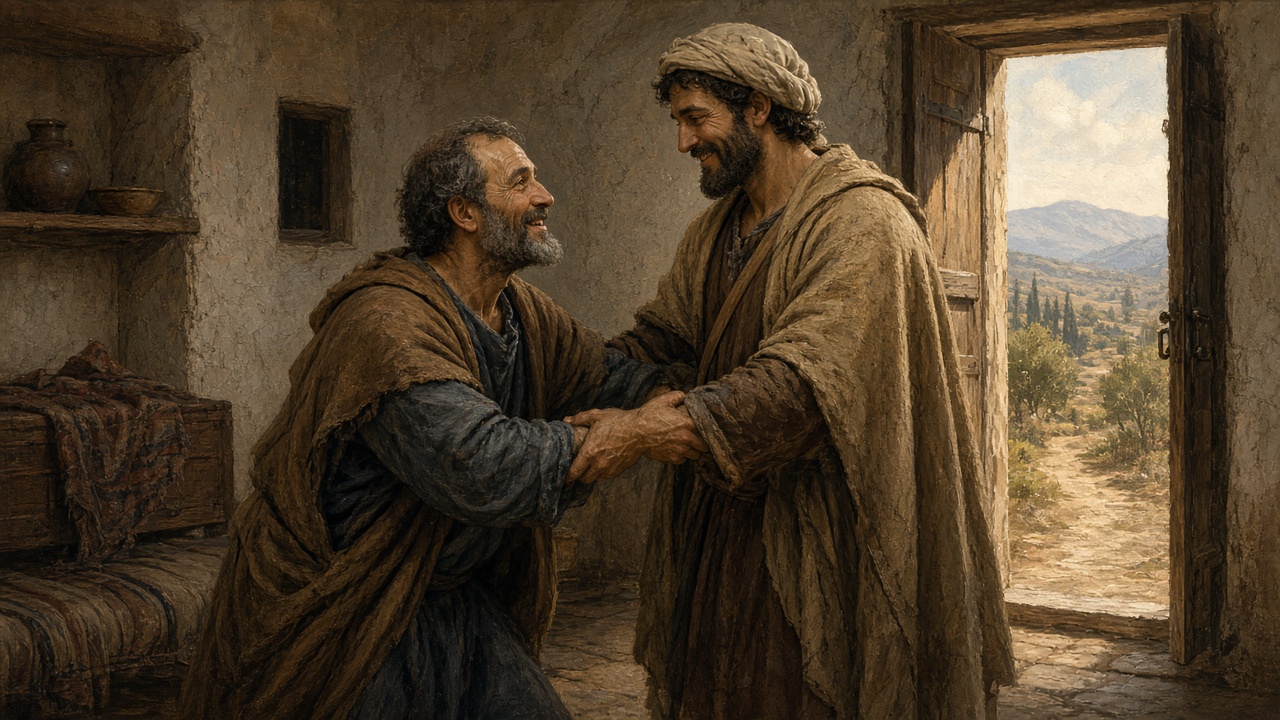
- Paul speaks of a letter that made them sorrowful, but only for a short time. He now rejoices not because they were sorrowful, but because that sorrow led them to repentance; he says they felt the sorrow God intended, were not harmed by him, and showed earnestness, zeal, and innocence in the matter.Sources: the Bible text itself
- A short account describes Titus as a companion of Paul, apparently a Gentile chiefly engaged in ministering to Gentiles. In this chapter Paul says Titus’s arrival comforted him, that Titus reported their longing, mourning, and zeal, and that they welcomed Titus with fear and trembling.Sources: Titus · the Bible text itself
Notes written with AI assistance from open sources (Theographic Bible Metadata, CC BY-SA 4.0; Easton’s Bible Dictionary, public domain) and reviewed before publishing.
Places in this chapter
- Macedonia · 41.600, 22.540 · verse 5
Only places identified with high confidence are shown (90% or more according to the scholarly sources compiled by OpenBible). Period map: DARE (Digital Atlas of the Roman Empire), CC BY 4.0; modern map: © OpenStreetMap contributors; places: OpenBible.info (CC BY 4.0).
Credits and license for this translation
Jesucristo oy oa’pak: Kenda Jesucristoa; monigka’uyatenok; Diostaj mo’manopo’yarea’ika’ne
New Testament in Amarakaeri (PE:amr:Amarakaeri)
copyright © 2008 Wycliffe Bible Translators, Inc.
Language: Amarakaeri
Translation by: Wycliffe Bible Translators, Inc.
Amarakaeri [amr], Peru
Copyright Information
© 2008, Wycliffe Bible Translators, Inc. All rights reserved.
This translation text is made available to you under the
terms of the Creative Commons License: Attribution-Noncommercial-No Derivative Works.
( http://creativecommons.org/licenses/by-nc-nd/3.0/ )
In addition, you have permission to port the text to different file formats, as long as you
do not change any of the text or punctuation of the Bible.
You may share, copy, distribute, transmit, and extract portions
or quotations from this work, provided that you include the above copyright
information:
You must give Attribution to the work.
You do not sell this work for a profit.
You do not make any derivative works that change any of the actual words or punctuation of the Scriptures.
Permissions beyond the scope of this license may be
available if you contact
us with your request.
The New Testament
in Amarakaeri
© 2008, Wycliffe Bible Translators, Inc. All rights reserved.
This translation is made available to you under the terms of the
Creative Commons Attribution-Noncommercial-No Derivatives license 4.0.
You may share and redistribute this Bible translation or extracts from it in any format, provided that:
You include the above copyright and source information.
You do not sell this work for a profit.
You do not change any of the words or punctuation of the Scriptures.
Pictures included with Scriptures and other documents on this site are licensed just for use with those Scriptures and documents.
For other uses, please contact the respective copyright owners.
2024-02-11
Source: http://ebible.org/amrNT/ · eBible.org