1 Peter 2
Jesucristo oy oa’pak: Kenda Jesucristoa; monigka’uyatenok; Diostaj mo’manopo’yarea’ika’ne · Tap a verse to see its cross-references.
1Konige̱po dakhueaʼ eʼkaʼ kenpaʼda yaʼnenpo yanʼbatik. Onteʼti dakhueaʼ kahueʼ yaneʼ. Namaʼda onahueʼ yaneʼ. Dakhueʼda e̱ʼe̱a̱da “huadakda i̱jje̱y,” batiaʼpakhueʼ yaneʼ. Kenpaʼti dig bahuahuayhueʼ yaneʼ. Kenpaʼti bahuaʼehueʼ yaneʼ. 2Aʼkerekyaʼpo yo̱bed diga̱ʼda eʼmiʼnogta onʼpak. Opud huaboaʼda huaknopo̱e̱ʼeri moʼe̱po konig Diosen yo̱bed moʼe̱po Diosensiʼpo moʼe̱po Diosen huaʼa yaderetpakikaʼ. Diostaj dakaʼ aknopo̱i̱kayaʼpo Diosen huaʼa yanʼnopo̱i̱kaʼpo yanʼnigpe̱i̱kaʼ. Nogi̱ti nogi̱ti Diostaj yanoknopo̱e̱ʼ. 3Jesús Huairia moʼmatinepahuiʼnok nogi̱ti boʼeretpakpo nogi̱ti yanoknopo̱e̱ʼ.
Jesucristo konig jak huakaʼ huid o̱ʼe̱. Oroʼ huaknopo̱e̱ʼeri konig jak huakaʼ huidsiʼpo o̱ʼe̱ne. Konig Diosen jak o̱ʼe̱po Jesucristo moʼnoeanhuahuikaʼne.
4Jesucristo Huairi konig jak iddu entaʼpoeda̱ʼ huid o̱ʼe̱po ayaʼ jak huid ontaʼtihuedikaʼnig. Aratbutanayo Jesús Huairitaʼ pakhueʼ e̱e̱ʼtada Diosnayo huakkaʼ oʼpakpo konig huamanoeaʼ huid oktieʼeaʼuyate. Jesucristo Huairi huamanoeanhuahuikaʼeritaj dakaʼ yanoknopo̱e̱ʼ. 5Opudnayo konig Diosen huid huakpa moʼe̱po moʼnigpe̱i̱kaʼpo Diosen Noki̱re̱ga̱ moʼnopoʼto̱e̱po Diostaj moʼnoeonhuahuikaʼpo Diostayoʼda yanʼnigpe̱i̱kaʼ. Nogomey nogomeytaj yanʼmaknopo̱e̱po Diosa kamanopoʼyareʼpo yanʼmanigtionaʼpakikaʼ. Kenpaʼti Jesucristotaj moknopo̱e̱po huadakyoʼ ya̱gʼkikatiʼ. Huayahuaya diʼ yanʼmaikaʼ. Dakiti Dios ya̱ʼnonaʼikaʼ. Kenda Diosa oʼpak. 6Kenpaʼti aʼnenda Apagbaʼ oaʼpo, Jesucristotaj oʼbatiaʼpakpo,
Ke̱yo̱ Jerusalén jakyo, ken judío aratbutenbayo ijtaʼmonaʼapopo keʼna konig doʼhued jak entaʼpoeda̱ʼ huid ijhuada̱ʼapoy. Kentaj yoktieʼeaʼpo huakkaʼ ijpaki. Ayaʼada kentaj oʼnoknopo̱e̱po durugda o̱ʼneapo. Birahueʼ o̱ʼneapo.
7Opudomey Jesucristotaj moknopo̱e̱po huakkaʼda boʼpakikaʼne. Oknopo̱e̱hueʼ hua̱e̱ʼeritaj Apagbaʼ oʼbatiaʼpakpo,
Jak huakaʼeriomey ʼuru jak entaʼpoeda̱ʼ huid onʼtiahuaypo pakhueʼ e̱ʼneʼtada keʼna konig Diosen ʼuru jak entaʼpoeda̱ʼ huid o̱ʼe̱. Apagbaʼ oaʼ.
8Kenpaʼti
Keʼna konig dagte huid eʼhuedte o̱ʼe̱po aratbut onʼpakpo konig tiahuayhueʼ o̱ʼnepo onʼtikudepo onʼhueda̱toʼ.
Kenda Cristotaj oʼbatiaʼpakuy, aratbut huadak huaʼa Jesucristotaj eʼnigpe̱e̱taʼ pakhueʼ o̱ʼnepo dakhueaʼ o̱gkaʼpo kenpaʼda ehueʼda o̱ʼneapo. Kenda aʼnenda Diosa oʼnopo̱e̱ʼuyate.
Diosen aratbut oʼmaene.
9Oroʼomeynayo Jesucristotaj oʼpakpo oknopo̱e̱nok Diosa moʼbaktieʼeaʼuyne. Kenpaʼti Dios Huairien huamanigtionaʼpakeri o̱ʼe̱ne. ʼUrunopoʼ monopoʼkaʼpo Diosenyoʼda ʼuruaʼnada kikaʼdik o̱ʼe̱ne. Diosen aratbut oʼmaene. Aʼnenda oknopo̱e̱hueʼ o̱ʼe̱po dakhueaʼ oʼkikaʼuyne konig sikki̱re̱gyo̱ o̱ʼi̱kaʼuyne oroʼomey. Diosa moʼtinepahuiʼpo moʼnopoʼyareaʼpo konig Diosen huakjeyyo moʼbakuda̱ʼuyne. “ʼUruaʼnanada Diosa mogkaʼne. ʼUrunanada Dios o̱ʼe̱po oʼkikaʼ. Dakiti Dios.” Oy batiaʼpakdik o̱ʼe̱ne. Kenda Diosa oʼpak. 10Aʼnennayo Diosen aratbut ehueʼ e̱ʼe̱a̱da oynayo Diosen aratbut o̱ʼe̱ne. Aʼnenda Dios moʼtinepahuiʼuyne oknopo̱e̱hued o̱ʼu̱ynigʼa oynayo moʼtinepahuiʼne oknopo̱e̱po Diosensiʼpo o̱ʼe̱ne oroʼomey.
Diosenyoʼda ya̱gʼkikaʼpo ʼuruaʼnanada ya̱gʼkikatiʼ.
11Nogda eʼmanaʼtaʼ ijjeretpaki, huadiʼda egomey. Jesucristo huaknopo̱e̱ʼeri moʼe̱po Diosensiʼpo moʼe̱po i̱yo̱ indariyo konig esoeri moʼe̱nok konig huanopoʼa namaʼda oʼeretpakikaʼ kahueʼ yanikaʼ. Dakhueaʼ kikahueʼ yaneʼ. Totoʼ Diostaj eʼbaktiparattaʼ boʼeretpakikaʼne. 12Huakkaʼada Diostaj oknopo̱e̱hueʼ o̱ʼne. “Dakhueʼda moʼe̱ne,” namaʼda opudomeytaj eʼhuaaʼpiʼ ʼurunanada ya̱gʼkikaʼ. Huadakda ya̱gʼkikaʼ. Kenda boʼtiahuayapone. Kenmeʼnoe Dios eʼtiakte “Dakiti Dios.” “Dios ʼuruda oʼkaʼ.” Onʼhuaaʼpakapo.
13Jesús Huairi oʼpaknok ayaʼada gobierno huairitaj yanʼnigpe̱i̱kaʼ. Presidente huairitaj yanʼnigpe̱i̱kaʼ. 14Kenpaʼti Presidenteen huairi kaʼyahueʼ teniente gobernadortaj sorotatataj yanʼnigpe̱i̱kaʼ. Ken huairi dakhueaʼ huakaʼeritaj castiga onʼmagkaʼikaʼ. Huadak huakaʼeritaj “Huadak o̱gkikaʼ,” onʼbahuaaʼikaʼ. 15Huadakda eʼkikaʼte oknopo̱e̱hueʼ hua̱e̱ʼeri namaʼda bahuaahueʼdik o̱ʼne. Kenda Diosa oʼpak.
16Jesucristotaj moknopo̱e̱po oy totoʼen huanabaʼ ehueʼda moʼe̱po katepiʼ boʼpakpo kikaʼdik moʼe̱. Katepiʼ huadak e̱ʼhua̱e̱ʼ kikaʼdik moʼe̱. “Katepiʼ ijpakpo kaʼdik i̱jje̱y. Dakhueaʼ kaʼdik i̱jje̱y.” Nopo̱e̱hueʼada Diostaj yanʼnigpe̱i̱kaʼ. 17Ayaʼtada huadakda yanʼmaknopo̱i̱kaʼ. Jesucristoen huaknopo̱e̱ʼeritaj diʼ yanʼmaikaʼ. Diosa dakhueaʼ huakaʼeritaj huiyoknanada oʼmagkaʼapo kenpaʼti huadaknanada o̱ʼi̱kaʼ. Diostaj dakaʼ yanoknopo̱i̱kaʼ. Gobierno huakhuairitaj huadakda yanʼmaknopo̱i̱kaʼ.
Jesucristo oʼbueypo paiʼda oʼnopoʼe̱po bahuadiayhueʼada oʼbueyʼuyate. Oknopo̱e̱hueʼ hua̱e̱ʼeria dakhueaʼ e̱gkaʼte paiʼda yanʼnopoʼe̱po Jesucristonig bahuadiayhueʼ yanikaʼ.
18Huanabaʼ e̱e̱ʼnayo o̱ʼnen huairitaj huadakda yanoknopo̱i̱kaʼpo yanʼnigpe̱i̱kaʼ. Huadak e̱ʼhua̱e̱ʼtaj yanʼnigpe̱i̱kaʼ. Dakhueaʼ huaaʼeri huairitakon yanʼnigpe̱i̱kaʼ. 19Diostaj moʼnigpe̱i̱kaʼpo huadakda eʼkikaʼte ontaj noga̱ namaʼda dakhueaʼ e̱gkayo̱ bahuadiayhueʼ yaneʼ. Bahuadiayhueʼ e̱e̱ʼnayo Diosa durugda moʼto̱e̱a̱pone. 20Opud dakhueaʼ ekaʼnayo kenaʼpo castiga e̱gkaʼte diayhueʼ e̱e̱ʼnayo “Huadak i̱ʼe̱,” Diosa onahueʼdik e̱e̱ʼtada huadak eʼkaʼtada huairia castiga e̱gkaʼnayo, huadiayhueʼ e̱e̱ʼnayo “Huadak i̱ʼe̱,” Diosa onaʼapo. 21Huadak eʼkikaʼte dakhueʼ e̱gkaʼnayo huadiayhueʼ yaneʼ. Kenda Diosa oʼpak. Jesucristoa moʼnigbueyʼuyate. Paiʼda moʼnignopoʼe̱ʼuyate. Kentaj monoknopo̱e̱po paiʼda monʼnopoʼe̱po huadiayhueʼ moʼneunhuaʼ. 22Jesúsnayo dakhueaʼ kahueʼ o̱ʼi̱kaʼuyate. Sigpiʼ namaʼda ahueʼ o̱ʼi̱kaʼuyate. 23Dakhueaʼ enaʼtepiʼ madeahueʼ o̱ʼu̱yate. Paiʼda eʼnopoʼe̱a̱ʼte bahuadiayhueʼ o̱ʼu̱yate. Apag Diosa dakaʼ meʼto̱i̱kaʼne oknopo̱i̱kaʼpo Dios buttida oʼnopo̱i̱kaʼpo dakaʼ oʼmatinopo̱e̱po castiga oʼmagkaʼapo Jesúsa oknopo̱e̱ʼuyate. 24Oroʼen dakhueaʼ eʼkaʼ aʼbatikayaʼpo onteʼti huadakdakon akikayaʼpo hua̱so̱ʼ oroʼen dakhueaʼ eʼkaʼ oʼto̱e̱po hue̱ypa cruzte moʼnigbueyʼuyate. Oroʼtaj moʼnopoʼyareaʼpo moʼnigenhuaduyate. 25Oroʼ konig oveja o̱ʼi̱kaʼuyne. Ovejaomey i̱da oʼyoyahueʼ. Dag meyon ya̱ʼe̱ nopo̱e̱hueʼ o̱ʼne. Oroʼ konigti Diosendagyaʼ diga̱ʼda oʼyoyahueʼikaʼpo dakhueaʼ eʼkikaʼtada oynayo Jesucristo oroʼen huairitaj oʼkumejdene. Oroʼomeytaj boʼtiokikaʼne.
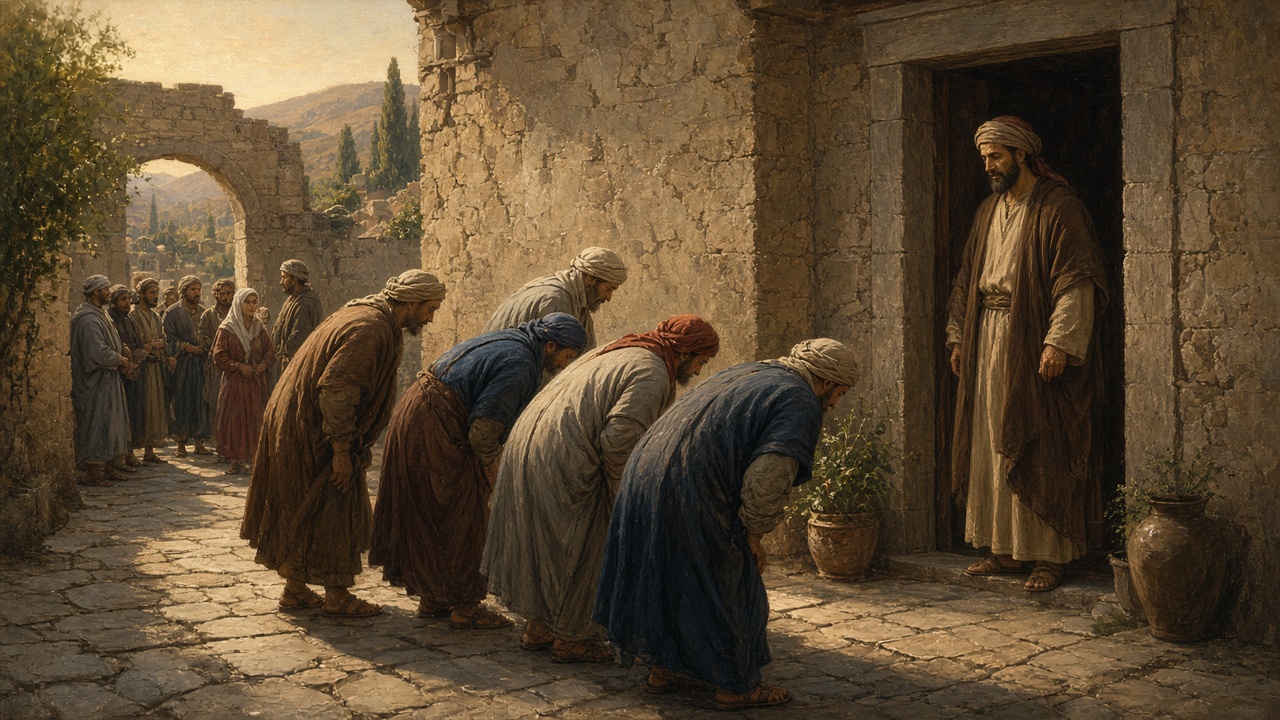
Did you know?
Living Stones and a Chosen People
- This chapter quotes Scripture about a chosen and precious cornerstone laid in Zion: the one who believes in him will never be put to shame. Zion was the south-eastern hill of Jerusalem, one of the heights on which the city was built, surrounded on every side except the north by deep valleys.Sources: the Bible text itself · Zion
- David took Zion from the Jebusites, built a citadel and a palace there, and the hill became known as the city of David. The letter uses that place-name when it quotes Scripture about a cornerstone laid in Zion, and it pictures the readers as living stones being built into a spiritual house and a holy priesthood.Sources: Zion · the Bible text itself
- The chapter urges submission, for the Lord’s sake, to every human institution—to the king as supreme authority and to governors sent to punish wrong and praise what is right. It tells servants to respect even unreasonable masters, and it holds up Christ’s suffering, without sin, deceit, threats, or retaliation, as the pattern for enduring unjust pain.Sources: the Bible text itself
Notes written with AI assistance from open sources (Theographic Bible Metadata, CC BY-SA 4.0; Easton’s Bible Dictionary, public domain) and reviewed before publishing.
Places in this chapter
- Zion · Today: Jerusalem · 31.777, 35.234 · verse 6
Only places identified with high confidence are shown (90% or more according to the scholarly sources compiled by OpenBible). Period map: DARE (Digital Atlas of the Roman Empire), CC BY 4.0; modern map: © OpenStreetMap contributors; places: OpenBible.info (CC BY 4.0).
Credits and license for this translation
Jesucristo oy oa’pak: Kenda Jesucristoa; monigka’uyatenok; Diostaj mo’manopo’yarea’ika’ne
New Testament in Amarakaeri (PE:amr:Amarakaeri)
copyright © 2008 Wycliffe Bible Translators, Inc.
Language: Amarakaeri
Translation by: Wycliffe Bible Translators, Inc.
Amarakaeri [amr], Peru
Copyright Information
© 2008, Wycliffe Bible Translators, Inc. All rights reserved.
This translation text is made available to you under the
terms of the Creative Commons License: Attribution-Noncommercial-No Derivative Works.
( http://creativecommons.org/licenses/by-nc-nd/3.0/ )
In addition, you have permission to port the text to different file formats, as long as you
do not change any of the text or punctuation of the Bible.
You may share, copy, distribute, transmit, and extract portions
or quotations from this work, provided that you include the above copyright
information:
You must give Attribution to the work.
You do not sell this work for a profit.
You do not make any derivative works that change any of the actual words or punctuation of the Scriptures.
Permissions beyond the scope of this license may be
available if you contact
us with your request.
The New Testament
in Amarakaeri
© 2008, Wycliffe Bible Translators, Inc. All rights reserved.
This translation is made available to you under the terms of the
Creative Commons Attribution-Noncommercial-No Derivatives license 4.0.
You may share and redistribute this Bible translation or extracts from it in any format, provided that:
You include the above copyright and source information.
You do not sell this work for a profit.
You do not change any of the words or punctuation of the Scriptures.
Pictures included with Scriptures and other documents on this site are licensed just for use with those Scriptures and documents.
For other uses, please contact the respective copyright owners.
2024-02-11
Source: http://ebible.org/amrNT/ · eBible.org