1 Corinthians 7
Jesucristo oy oa’pak: Kenda Jesucristoa; monigka’uyatenok; Diostaj mo’manopo’yarea’ika’ne · Tap a verse to see its cross-references.
Eʼto̱e̱paktaj Pabloa oʼmanmadikaʼuyate.
1Eʼto̱e̱pak menpaʼ huadak ya̱ʼe̱ doʼtaj onʼnigmadoyaʼuyate. Kenda eʼnopo̱e̱ʼtaʼ boʼpakpo onʼnigmadoyaʼuyate. Huabokerek to̱e̱pakhueʼ e̱e̱ʼ huadakda o̱ʼe̱nigʼa nogtaʼ nogtaʼ eʼeretpaknayo kanʼto̱e̱pakikeʼ. Kenpaʼti ettoneʼ konigti hua̱to̱e̱yoʼda to̱e̱ʼdik o̱ʼne. 3Ettoneʼ eʼbakdejtaʼ eʼpaknayo hua̱to̱e̱ereda bakdejdik o̱ʼe̱. Konigti huabokerek eʼbakdejtaʼ eʼpaknayo hua̱to̱e̱ereda bakdejdik o̱ʼe̱. 4Huabokerek eʼto̱e̱pakdeʼ hua̱toeen hua̱so̱ʼ onʼta̱i̱kaʼ. Kenpaʼti ettoneʼa̱ hua̱toeen hua̱so̱ʼ onʼto̱i̱kaʼ. 5Hua̱to̱e̱ eʼpaktada “Bakdeahueʼ i̱jje̱y,” ahueʼ yanikatiʼ. Kenokaʼ onpapayoʼ boʼpakpo sueʼda huameʼnoe bakdejhueʼ yaʼnunhuatiʼ. Aʼtionaʼpakyaʼpo sueʼda huameʼnoe bakdejhueʼ yaʼnunhuatiʼ. Ken onaʼti hua̱to̱e̱ere yanʼhuedikatiʼ. I̱dada onteʼti hua̱to̱e̱ere eʼhuednayo konig huanopoada namaʼda oʼpaknok kenpaʼti kenda totoʼ oʼpaknok kahueʼ moʼe̱a̱pone.
6“Yanʼto̱e̱pak.” Manahueʼ i̱jje̱y. Eʼto̱e̱paktaʼ eʼpaknayo to̱e̱pakdik moʼe̱ne. 7Do hua̱to̱e̱ to̱e̱hueʼ i̱jje̱y. Do i̱jje̱nig konig ayaʼada e̱e̱ʼnayo kenda do eʼpaktada nogte kanʼto̱e̱pakeʼpo Diosa oʼbatihuapokikaʼ kenpaʼti nogte to̱e̱hueʼ kaʼneʼpo Diosa oʼbatihuapokikaʼ.
8Konig do opud to̱e̱pakhueʼ e̱ʼi̱kaʼnayo huadakda o̱ʼe̱. Opud to̱e̱pakhued hua̱e̱ʼeritaj kenpaʼti ayhuataj oʼnonaʼne. 9Huakkaʼda hua̱tino eʼmati̱e̱ʼtaʼ eʼpaknayo kenpaʼti bakdejdikda moʼe̱po, yanʼto̱e̱paktiʼ. Eʼto̱e̱paknayo huadakda o̱ʼe̱. Hua̱to̱e̱ to̱e̱hueʼ e̱ʼe̱a̱da eʼbakdejtaʼ eʼeretpakikaʼnayo dakhueʼda o̱ʼe̱.
10Hua̱to̱e̱ʼtaj enhueʼ yanikaʼ. Ettoneʼ eʼto̱e̱pakdeʼtaj ijmanay. Kenda Jesús Huairia huakkuruda oʼmanaʼuyate. 11Ettoneʼa̱ hua̱to̱e̱ʼtaj e̱ʼennayo nogdakon to̱e̱pakhueʼ kaʼnikeʼ. Onteʼti hua̱to̱e̱ʼtaj kanʼnoeyikeʼ. Konigti huabokereka hua̱to̱e̱ʼtaj kenpaʼti enhueʼdik kaʼnikeʼ.
12Huabokerek huaknopo̱e̱ʼeri o̱ʼe̱po keʼnen hua̱to̱e̱ oknopo̱e̱hueʼ hua̱e̱ʼeri e̱ʼe̱a̱da keʼnen hua̱to̱e̱ʼtaj e̱ʼentaʼ pakhueʼ o̱ʼnikaʼnok huabokereka hua̱to̱e̱ʼtaj enhueʼ yanikaʼ. 13Kenpaʼti ettoneʼ huaknopo̱e̱ʼeri o̱ʼe̱po hua̱to̱e̱ oknopo̱e̱hueʼ hua̱e̱ʼeri e̱ʼe̱a̱da hua̱to̱e̱ʼtaj e̱ʼentaʼ pakhueʼ o̱ʼe̱nok ettoneʼa̱ hua̱to̱e̱ʼtaj enhueʼ yanikaʼ. 14Cristotaj oknopo̱e̱hueʼ hua̱e̱ʼeri hua̱to̱e̱ e̱ʼta̱e̱ʼpiʼ enhueʼ e̱ʼnikaʼnayo ettoneʼ huaknopo̱e̱ʼerien hua̱to̱e̱ Diostaj ʼuruda e̱ʼdik o̱ʼnikaʼapo. Kenpaʼti huabokerek huaknopo̱e̱ʼerien hua̱to̱e̱ Diostaj ʼuruda e̱ʼdik o̱ʼnikaʼapo. Hua̱to̱e̱ʼtaj e̱ʼennayo huasiʼpo konig oknopo̱e̱hueʼ hua̱e̱ʼeriensiʼponig ya̱ʼneapet. Dakhueʼda ya̱ʼneapet. Hua̱to̱e̱ enhueʼ e̱e̱ʼnayo huasiʼpo huadakda o̱ʼnikaʼapo. 15Huabokerektapiʼ ettoneʼtapiʼ hua̱to̱e̱ oknopo̱e̱hueʼ hua̱e̱ʼeria pakhueʼ o̱ʼe̱po e̱ʼentaʼ eʼpaknayo kaʼneneʼ. E̱ʼennayo huabokerekapiʼ ettoneapiʼ huaknopo̱e̱ʼeria huaʼdik o̱ʼne. Oroʼtaj eʼnopoʼnoeyaʼtaʼ oʼpakikaʼ Diosa. 16Ettoneʼ o̱ʼnen hua̱to̱e̱ oknopo̱e̱hueʼ hua̱e̱ʼeritaj enhueʼ e̱e̱ʼnayo hua̱to̱e̱ iʼnopoʼkoreaʼnok Jesústaj oknopo̱e̱ʼdikpiʼ o̱ʼne. Kenda nopo̱e̱ʼdik moʼe̱ne. Huabokerek o̱ʼnen hua̱to̱e̱ oknopo̱e̱hueʼ hua̱e̱ʼeritaj enhueʼ e̱e̱ʼnayo hua̱to̱e̱ iʼnopoʼkoreaʼnok oknopo̱e̱ʼdikpiʼ o̱ʼne. Kenda nopo̱e̱ʼdik moʼe̱ne. Kenda Cristoa onahueʼ moʼu̱ynigʼa doʼhuada ijnopo̱e̱po oʼnonaʼne.
17Konig Diosa monaʼuyne, konig Diosa oʼpakikaʼnig ya̱gʼkikaʼ. Kenpaʼti nopoʼkoreahued moʼe̱po moʼi̱kaʼnig konigti yanikatiʼ. 18Cristotaj yanopoʼkoreaʼ kenpaʼti yanoknopo̱e̱ʼ Diosa enaʼte kenokaʼ huabokerekensiʼdak ektegnayo kenpaʼda yanikatiʼ. Cristotaj yanʼnopoʼkoreaʼ kenpaʼti yanoknopo̱e̱ʼ Diosa enaʼte kenokaʼ huabokerekensiʼdak okteghueʼ e̱e̱ʼnayo kenpaʼda yanikatiʼ. 19Huabokerekensiʼdak ektegdeʼ e̱e̱ʼnayo Diostaj huadakda o̱ʼe̱. Kenpaʼti huabokerekensiʼdak okteghueʼ e̱e̱ʼpiʼ konigti Diostaj huadakda o̱ʼe̱. Oroʼomeya̱ Diostaj ʼuruaʼda eʼnigpe̱i̱kaʼtaʼ boʼerettipakne Diosa. 20Yanʼnopoʼkoreaʼ Cristotaj yanoknopo̱e̱ʼ Diosa monaʼuyne. Kenokaʼ konig boʼkikaʼuynig konigti ya̱gʼkikatiʼ. 21Yanʼnopoʼkoreaʼ Cristotaj yanoknopo̱e̱ʼ Diosa monaʼuyne. Kenokaʼ on nogen huanabaʼ e̱e̱ʼnayo huanabaʼ e̱e̱ʼpiʼ mepuʼkehueʼ yanikatiʼ. “Kenpaʼda yahuatiʼ.” O̱ʼnen huairia enaʼnayo yahuatiʼ. 22Yanʼnopoʼkoreaʼ Cristotaj yanoknopo̱e̱ʼ Diosa monaʼuyne. Kenokaʼ opud nogen huanabaʼ e̱e̱ʼpiʼ oyda Diosention ʼuruda kikaʼdik moʼi̱kaʼapone. Kenokaʼ yanʼnopoʼkoreaʼ Cristotaj yanoknopo̱e̱ʼ Diosa monaʼuyne nogen huanabaʼ ehueʼ e̱e̱ʼnayo opud konig Cristoen huanabaʼonig katepiʼ Diosa oʼpakikaʼnig ya̱gʼkikatiʼ. 23Oroʼtaj aʼmanopoʼyareayaʼpo huakkaʼteda e̱e̱ʼtada boʼyokuyate. Diosa Cristotaj cruzte moʼnigbueyaʼuyate. Konige̱po konig oknopo̱e̱hueʼ hua̱e̱ʼeria namaʼda onʼnopo̱i̱kaʼnig konigti nopo̱i̱kahueʼ yanikaʼ kenpaʼti konig oknopo̱e̱hueʼ hua̱e̱ʼeria o̱gkikaʼnig kikahueʼ yanikaʼ. 24Yanʼnopoʼkoreaʼ Cristotaj yanoknopo̱e̱ʼ Diosa monaʼuyne. Kenokaʼ ken konig moʼi̱kaʼuynig huanabaʼpiʼ konigti yanikaʼ. Jesúsa kenpaʼ onahueʼ moʼu̱ynigʼa doʼhuada oʼnonaʼne egomey pogomey.
25Ettoneʼ to̱e̱pakhued hua̱e̱ʼeria kate kaʼdik ya̱ʼne. Cristoa doʼtaj onahueʼ meʼu̱ynigʼa doada ijnopo̱e̱po oʼnonaʼne. Diosa doʼtaj meʼtinepahuiʼuynok konige̱po opuda̱ doʼtaj menʼpe̱e̱ʼ. 26Oyda oknopo̱e̱hueʼ hua̱e̱ʼeria oroʼomeytaj dakhueaʼda mogkikaʼnok opudomey huaknopo̱e̱ʼeri oyda konig moʼi̱kaʼnig konigda yanikaʼ. 27Ettoneʼ hua̱to̱e̱ eʼto̱e̱ʼnayo enhueʼ yanikaʼ. Hua̱to̱e̱ to̱e̱hueʼ e̱ʼi̱kaʼnayo ettoneʼ aʼto̱e̱pakyaʼpo ʼukhueʼ yanikaʼ. 28Eʼto̱e̱paknayo Diostaj dakhueaʼ kahueʼ moʼe̱. Muneʼyo̱ eʼto̱e̱paknayo Diostaj dakhueaʼ kahueʼ o̱ʼe̱nigʼa moʼto̱e̱pakdepo oyda paiʼda nopo̱e̱ʼdik moʼe̱tpiʼ ijnopo̱e̱y.
29I̱damon Cristo oʼtiakaponok tionaʼpakonhuahuaʼdik yanikaʼ kenpaʼti huayahuaya batihuapokikaʼdik yanikatiʼ. Eʼto̱e̱pakdeʼ konig to̱e̱pakhued hua̱e̱ʼerionig yanʼnoikatiʼ. 30Kenpaʼti on suhueʼnada i̱ʼe̱po paiʼda e̱e̱ʼnayo i̱da yabatikpo Diosen yakatiʼ kenpaʼti fiesta o̱gkaʼpo enʼdurugpaknayo konig kenomeyere durugpakhueʼ e̱e̱ʼpiʼ dakaʼ Diosen ya̱gʼkikatiʼ. Kenpaʼti opudomey huakupete eʼbaikapiʼ konig to̱e̱hueʼ hua̱e̱ʼerionig e̱e̱ʼpiʼ Diosention dakaʼ ya̱gʼkikatiʼ. 31Indariyo moʼi̱kaʼpo boʼkikaʼpo katetapiʼ eretpakhueʼ ya̱ʼnepo dakaʼ ya̱gʼkikaʼ. Katetapiʼ indariyo diga̱ʼ durugpakhueʼ yanikaʼ. Ken konig ijpakpo oʼnonaʼne, egomey.
32Katetapiʼ mepuʼkehueʼ ya̱ʼnepo Diosen ya̱gʼkikatiʼ. Kenda ijpaki. Huabokerek to̱e̱pakhued o̱ʼe̱po Diostaj huakkaʼ pakdik o̱ʼi̱kaʼ. Kenpaʼti Diostaj eʼdurugpakaʼtaʼ oʼpak. 33Huabokerek eʼto̱e̱pakdeʼ katetapiʼ mepukeʼdik o̱ʼnikaʼ. Kenpaʼti hua̱to̱e̱ʼtaj tihuapokikaʼdik o̱ʼnikaʼapo. 34Muneʼyo̱ to̱e̱hueʼ o̱ʼnepo Diosenyoʼda eʼkataʼ pakdik o̱ʼnikaʼ. Keʼnen hua̱so̱ʼ kenpaʼti keʼnennopoʼ ʼurunanada o̱ʼnepo kenpaʼda Diostaj eʼnigpe̱i̱kaʼtaʼ onʼpak. Ettoneʼ eʼto̱e̱pakdeʼ nogtaʼ nogtaʼ oʼpak. Jaktaʼ manhuada̱ʼdik i̱jje̱y onʼnopo̱i̱kaʼ. Kenpaʼti hua̱to̱e̱ʼtaʼ durugpakaʼdik o̱ʼi̱kaʼ.
35Opudtehuapaʼ kenda ʼuruda oʼnonaʼne. To̱e̱pakhueʼdikda moʼe̱ne. Nogda nogda kahueʼdik moʼe̱ne, onahueʼ o̱ʼnene. Huadak eʼkaʼ kenpaʼti butukda eʼkaʼ kenpaʼti kenda Dios oʼpakikaʼnig ya̱gʼkikatiʼ. Yanʼeretpakpo Diosen ya̱gʼkikatiʼ.
36Huabokereken hua̱yo̱bu to̱e̱pakhueda̱ded oʼtoneʼpaknok to̱e̱pakdik o̱ʼe̱de apag onʼtanopo̱e̱nok kanʼto̱e̱pakikeʼ. Kenda dakhueaʼ eʼkaʼ ehueʼ o̱ʼe̱. 37Nogen hua̱yo̱bu to̱e̱pakhued e̱ʼta̱e̱ted to̱e̱pakhueʼdik o̱ʼe̱ huaoa dakaʼ oknopo̱e̱nok to̱e̱pakhueʼdik o̱ʼne. Kenda huadak o̱ʼe̱. 38Konige̱po huaoa keʼnen hua̱yo̱bu eʼto̱e̱pakaʼnayo sueʼda huadak oʼkaʼ. To̱e̱pakahueʼ e̱e̱ʼnayo huadakda o̱gkaʼ.
39Ettoneʼen hua̱to̱e̱ eʼnoeʼnayo monhueʼdik o̱ʼe̱nigʼa hua̱to̱e̱ ekbueynayo nogtaj beʼerepiʼ oʼpakpo Cristotaj huaknopo̱e̱ʼeritation to̱e̱pakdik o̱ʼne. 40Onaʼti eʼto̱e̱paknayo sueʼda durugmon o̱ʼnikaʼapo. To̱e̱pakhueʼ e̱e̱ʼnayo durugnada o̱ʼnikaʼapo. Ken buttida ijnopo̱e̱y. Kenda Diosen Noki̱re̱ga̱ meʼnopo̱e̱a̱ʼne.
Did you know?
Counsel on marriage and the present crisis
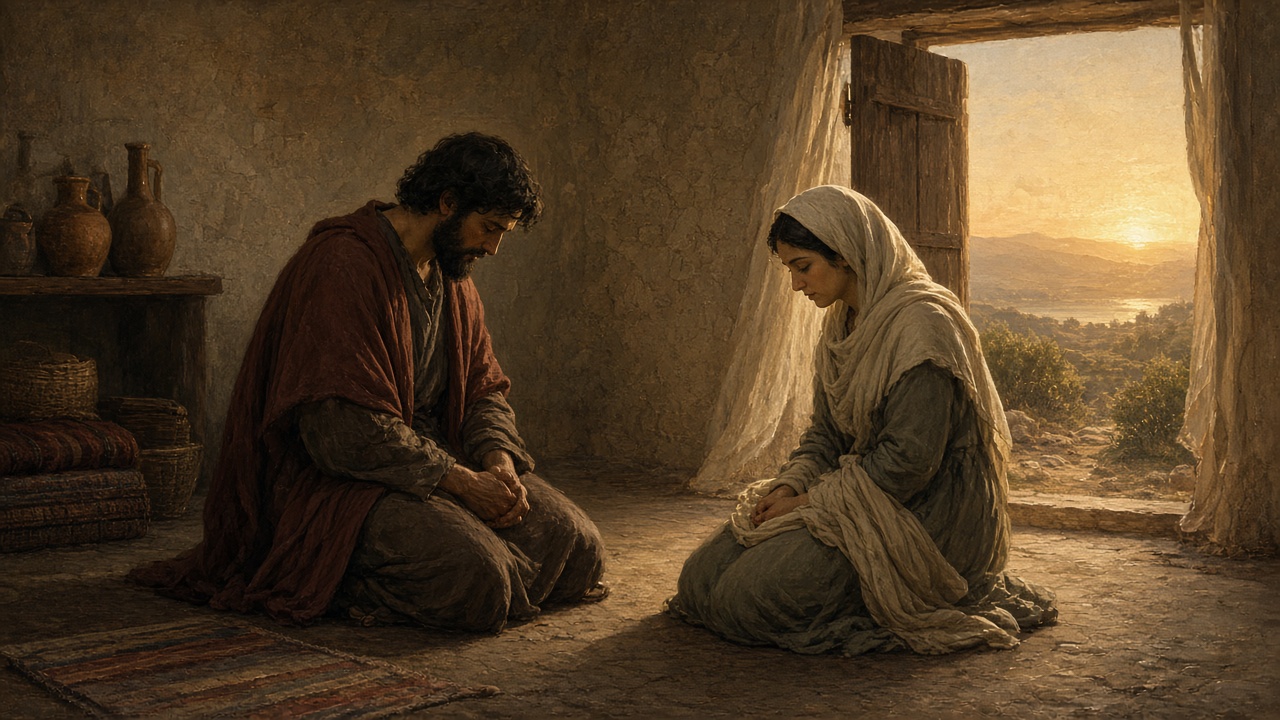
- The chapter opens as a reply to matters the readers had written about. The writer says it is good to abstain from sexual relations, yet, because there is so much sexual immorality, each man should have his own wife and each woman her own husband. He presents this as a concession, not as a command, and says that each person has their own gift from God.Sources: the Bible text itself
- In marriage, the writer says the wife does not have authority over her own body, but the husband does, and likewise the husband does not have authority over his own body, but the wife does. They should not deprive each other except by mutual consent and for a time, so they may devote themselves to prayer, and then come together again, so that Satan will not tempt them through lack of self-control. Easton's Bible Dictionary (1897) presents the name Satan as “adversary” or “accuser,” and notes that he tempted Jesus in the wilderness.Sources: the Bible text itself · Satan
- The writer distinguishes a command he attributes to the Lord—a wife must not separate from her husband, and a husband must not divorce his wife—from his own judgment where he says he, not the Lord, is speaking, including marriages with an unbeliever and questions about virgins. Because of what he calls the present crisis, and because he says the time is short and this world in its present form is passing away, he thinks it good to remain as one is. He adds that to marry is not to sin, though those who marry will face troubles in this life.Sources: the Bible text itself
Notes written with AI assistance from open sources (Theographic Bible Metadata, CC BY-SA 4.0; Easton’s Bible Dictionary, public domain) and reviewed before publishing.
Credits and license for this translation
Jesucristo oy oa’pak: Kenda Jesucristoa; monigka’uyatenok; Diostaj mo’manopo’yarea’ika’ne
New Testament in Amarakaeri (PE:amr:Amarakaeri)
copyright © 2008 Wycliffe Bible Translators, Inc.
Language: Amarakaeri
Translation by: Wycliffe Bible Translators, Inc.
Amarakaeri [amr], Peru
Copyright Information
© 2008, Wycliffe Bible Translators, Inc. All rights reserved.
This translation text is made available to you under the
terms of the Creative Commons License: Attribution-Noncommercial-No Derivative Works.
( http://creativecommons.org/licenses/by-nc-nd/3.0/ )
In addition, you have permission to port the text to different file formats, as long as you
do not change any of the text or punctuation of the Bible.
You may share, copy, distribute, transmit, and extract portions
or quotations from this work, provided that you include the above copyright
information:
You must give Attribution to the work.
You do not sell this work for a profit.
You do not make any derivative works that change any of the actual words or punctuation of the Scriptures.
Permissions beyond the scope of this license may be
available if you contact
us with your request.
The New Testament
in Amarakaeri
© 2008, Wycliffe Bible Translators, Inc. All rights reserved.
This translation is made available to you under the terms of the
Creative Commons Attribution-Noncommercial-No Derivatives license 4.0.
You may share and redistribute this Bible translation or extracts from it in any format, provided that:
You include the above copyright and source information.
You do not sell this work for a profit.
You do not change any of the words or punctuation of the Scriptures.
Pictures included with Scriptures and other documents on this site are licensed just for use with those Scriptures and documents.
For other uses, please contact the respective copyright owners.
2024-02-11
Source: http://ebible.org/amrNT/ · eBible.org