John 3
Haalin Mallano · Tap a verse to see its cross-references.
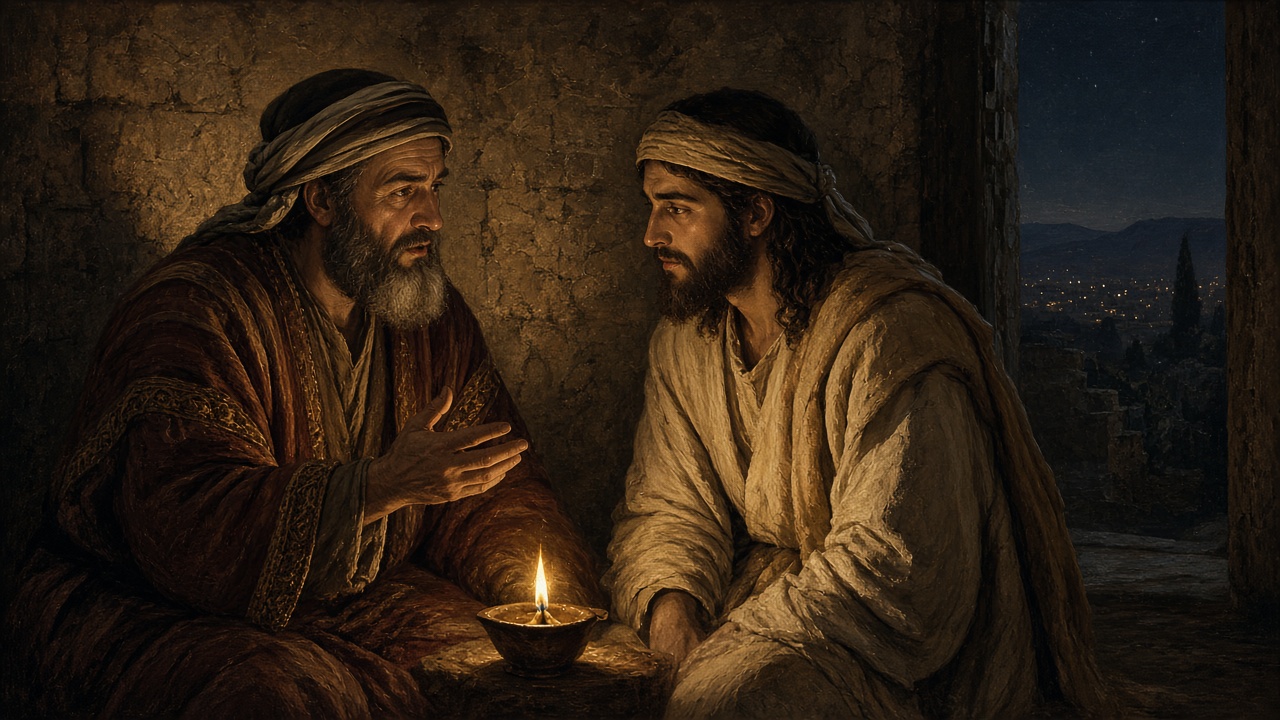
Yesusbee Niqodimosbe
1Parisa eensa shaarira Ayiwd eensa hayoa Niqodimos hambhea eedi kalaa dahade. 2Kidiar sootinka Yesuskal nivayse, “Woam Dhettsea, Barjo kimbesana ki dahaamma, hanin hayayna igina tarshayna yerraam hayana damea eedi qolehe. Ogonante Barjokalanka nivaa dhettsea hanin dohonam dhesooda dhese” kina ki hamade.
3Yesusaar kina yinin maasenka, “Inta hana gon ida giye: Eedi lansi yi adhadhaamma, Barjosa bitamonam haapana damehe” kina ki hamade. 4Niqodimosaar “Eedi yinin gecchonsa budonte hamin ki adhadhe? Lansi indansa iir ardayse adhadhana damaw?” hamayse kiam ki oysade.
5Yesusaar yin giyayse kina ki maasade: “Inta hana gon ida giye: Eedi noqokalankabee Manpas Gazankalankabe yi adhadhaamma, Barjosa bitamonte ardana damehe. 6Waakalanka adhadhaa waane; manpaskalanka adhadhaa manpasne. 7‘Lansi adhadha yeam ko zaske’ inin hana hamonna ya targadhaabhode. 8Jibare yinin nashaa raqadar koda jibarshe; kosa upsinamaar hada qanse. Ko dahaannaar hamora konin nivenam, pir hamodar konin yivenam ya dhesattane. Manpas Gazankalanka adhadhaa wul yinne” kina ki hamade. 9Niqodimosaar “Ogono hamin ko yin dee?” hamayse kiam ki oysade.
10Yesusaar kina yi giyna: “Ya Israveel eenam dhettsea dahayse ogoam dhesattanu? 11Inta hana gon ida giye: Wonin dhesonam woda giye; wonin haaponamaar woda tarje. Yediar wosa tarjamonam gonne hamayse tiyattene. 12Peendar dohonam inin yena giyenka gonne hamayse ye tiymina, cecinte dohonam i yena giydianna yedi gonne hamayse haminee tiye? 13Cecira hanchaa Eedi Naasira ab hayyear tura cecindar yivaa eedi qolehe.
14“Musear darante guninam kinin ziitaadettsi, Eedi Naasiar agaadettsi ziitadha kiam koda zaske. 15Ogonoar kidar woylamin qajea hayyear rooro wul lay dehen sadanam kinin haapoadettsine. 16Kidar woylamin qajayna wul kenin kayoamadettsi, rooro wul lay dehen sadanam ke haape, Barjo yisa Naasa kalaam yinin imenka yekka peen kodar dohon eenam kattsi ki nashade. 17Barjo peendar yisa Naasaam kinin nittsoono peen kodar dohoono eeno kanka konin dhaqoadettsine; eendar kinin pirdoadettsitehe.
18“Kidar woylamin qajeadar pirdadhehe; kidar woylamin qajimaadar Barjo Naasa kalaadar woylamin kinin qajaamonna, ta kidar pirdadhidine. 19Shaakanoar peendar ko nivade; eeno siya konin hayenna, shaakanam nashadehe. Thipanam konin nashonna, pirdino ogona ko nivade. 20Siya hayea wul shaakanam kida jibbe; kisa waadimanin haapadhoamadettsi shaakandar nivehe. 21Gonin hayea ea kisa waadimano Barjokala konin dohonam haapadhoadettsi shaakandar kida nive” hamayse ki giyade.
Yesusbee Shivea Wannisbe
22Ogosa budonte Yesus yisa paanan yivaynabesana kinka Yiwda peendar ki yivade; ogotear kembesana kinka dooqayse eenaam kida shive. 23Wannisar Saaleem katamansa gasante Yenoon hambhea raqaate thoothi noqon dohonna, eenam kida shive; eenoar kikal nivayse koda shiidhe. 24Wodan ogoka Wannisam akar dhaxin ooninte dhaxadhadehe.
25Wannissa paanan yivaynabee Ayiwd eedi kalabesa shaarinte ashki gilosa palime ko dhaabhade. 26Wannissa paanan yivaynaar Wanniskal nivayse, “Woam Dhettsea, Yordaanoos baynsa saabar hambesana kinka dahaa, yaar kina hanin tarjaa, kidi eenam kida shive; eeno wulaar kidar koda yive” kina ke hamade.
27Wannisaar kena yinin maasenka, “Eedi haynaar cecira Barjo kina imima yer kala hattear tiyana damehe. 28‘Inta Barjoyn qadhaa Kiristoostehe; ko dahaannaar kisa birayse i nittsadhade’ hamayse inin giyonsa yedi isa tarjanane. 29Uutan yisa dahaa ea kidi uutan imbaane; uutan imbaasa aananta kikal woyayse ki daaka, uutan imbaa uutanbesana kinin dhalqenka kisa upsinam qansayse aananta kattsi kida wozadhe. Ogonante isa wozano ta thoothidine. 30Kidi dheg dheg hama kiam koda zaske; inta yirk yirk hama iam koda zaske” kena ki hamade.
31Bhaara nivaa wuldara sagine. Peente dahaa peensane; peenngayn yerinam kida giye. Cecira nivaa wuldara sagine. 32Kidi yinin haaponbee yinin qansonbeam kida tarje; kinin tarjenamaar tiyea qolehe. 33Kinin tarjonam tiyaa ea Barjosa gonamonam kida tarje. 34Barjoyn nittsaa Barjosa upsinam kida giye; harrna hambhidianna, Barjo yisa Manpasinam kashate imehe. 35Barjo Imbaa yisa Naasaam kida nashe; yer wulam kisa hayamon demente haydine. 36Barjo Naasadar woylamin qajeasa rooro wul lay dehea sada kisa daane. Barjo Naasadar woylamin qajima eadar Barjosa wacime kidar ko dahade; dehen sadanam haapehe.
Did you know?
New birth and John's witness
- Nicodemus, whose name means "the people is victor," was a Pharisee and a member of the Sanhedrin. He came to Jesus at night to learn more of his teaching, and the Gospel calls him a leader of the Jews; Jesus addresses him as Israel's teacher.Sources: Nicodemus · the Bible text itself
- After this conversation, Jesus and his disciples went into the Judean countryside, under the Romans the southernmost of the three divisions of Palestine. John was also baptizing at Aenon near Salim, because water was plentiful there; Salim, whose name means "peaceful," lay west of the Jordan. Aenon means "springs," and Easton's Bible Dictionary (1897) places it probably near the upper source of the Wady Far'ah, an open valley full of springs running from Mount Ebal to the Jordan.Sources: the Bible text itself · Judea · Aenon · Salim
- In this chapter John tells his disciples that he is not the Christ but was sent ahead of him, and the narrative notes that he had not yet been thrown into prison. Easton's Bible Dictionary (1897) describes him as the forerunner of Jesus, of priestly descent, and says that his mission was the subject of prophecy.Sources: the Bible text itself · John the Baptist
Notes written with AI assistance from open sources (Theographic Bible Metadata, CC BY-SA 4.0; Easton’s Bible Dictionary, public domain) and reviewed before publishing.
Places in this chapter
- Jerusalem · 31.777, 35.234 · verse 22
- Judea · Today: Judea 1 · 31.777, 35.234 · verse 22
- Jordan · Today: Jordan River · 31.761, 35.558 · verse 26
Only places identified with high confidence are shown (90% or more according to the scholarly sources compiled by OpenBible). Period map: DARE (Digital Atlas of the Roman Empire), CC BY 4.0; modern map: © OpenStreetMap contributors; places: OpenBible.info (CC BY 4.0).
Credits and license for this translation
Haalin Mallano
The New Testament in the Banna language of Ethiopia
copyright © 2014 SIM International
Language: Banna (Hamer-Banna)
Translation by: SIM
This translation text is made available to you under the
terms of the Creative Commons License: Attribution-Noncommercial-No Derivative Works.
( http://creativecommons.org/licenses/by-nc-nd/3.0/ )
In addition, you have permission to port the text to different file formats, as long as you
do not change any of the text or punctuation of the Bible.
You may share, copy, distribute, transmit, and extract portions
or quotations from this work, provided that you include the above copyright
information:
You must give Attribution to the work.
You do not sell this work for a profit.
You do not make any derivative works that change any of the actual words or punctuation of the Scriptures.
Permissions beyond the scope of this license may be
available if you contact
us with your request.
This translation is made available to you under the terms of the
Creative Commons Attribution-Noncommercial-No Derivatives license 4.0.
You may share and redistribute this Bible translation or extracts from it in any format, provided that:
You include the above copyright and source information.
You do not sell this work for a profit.
You do not change any of the words or punctuation of the Scriptures.
Pictures included with Scriptures and other documents on this site are licensed just for use with those Scriptures and documents.
For other uses, please contact the respective copyright owners.
2014-10-15
Source: http://ebible.org/amf/ · eBible.org