2 Thessalonians 2
Haalin Mallano · Tap a verse to see its cross-references.
Haynaar Ee Hamima Ea
1Imbanaanato, Imbaa wontea Yesus Kiristoossa nivintanbee wodi kidar wonin buken goynbesa yin giyayse woda yeam miske: 2“Inta Barjokala i qansade” hamayse giyntaka way wonin apoka giyate yittsaadettsi way wokalanka warqat thaapate yittsadhaadettsi hayayse een waanin giyenka, “Barjosa roorono yeskidine” hamayse yedi saanawa yesa bhocchinam ookeebhode, kurtumbheebhode. 3Eedi hayyear yer harkaar yeam ki taysabhoode. Harrna hambhidianna, birayse “Barjona ee hamattone” hamayna dhaabhimabee haynaar ee hamima, agaa kayendar yivea ea haapadhimabe ogono Barjosa roorono nivehe.
4Agaa haynaar ee hamima ea “barjone” hambhayna wulbee yina goodimbhayna wulbeam jibbada kedara yiam bhaabar hayayse Barjosa gazan ooninte dooqayse, “Inta Barjone” kida hame. 5Ena yembesana kinka inin dohon wodanka, ogo inin yena giyonam yedi bhocchattenu? 6Yinnon wodanka kinin haapadhoadettsi ta kinin nivoamadettsi kiam marayno har ko hannaar dheseeda dhese. 7Harrna hambhidianna, ta aachimaa ko hannaar, haynaar ee hamima easa kantano taar waadadhite ko dahade. Kisa kantanam marea daane; agaa maream goyra mardhenka yekka kisa kantano aachika koda waadadhe. 8Agaa maream goyra mardhen wodanka, haynaar ee hamima ea may kida haapadhe. Imbaa wontea Yesus aponka uten upsinka kiam bashayse kida deese; pir tarshen nivintan yinnonka kiam kida kayse.
9Haynaar ee hamima ea kinin nivayno Seethaansa kantanka, eediam dhaddhisana tarshea yerbee, milkitbee, kattsi gebhi yerbeam waadimintakane. 10Yin pir kayendar yivayna eenaam siyon yerin wulka taysite kida waadadhe. Eena igina kenin kayaynoar dhaqana keam yeskisen goninam nashayse kenin tiyaamonnane. 11Ogona buudanam gonne hamayse kenin tiyoadettsi Barjo keam dhaddhisen yerinam kedar kida yittse. 12Ogonoar goninam “tiyattone” hamayse siyonka wozadhayna wuldar pirdadhoadettsine.
Kenin Dhaqoadettsi Kambhaana Eena
13Imbaa wontea Yesusin nashayna imbanaanato, wodiar yennon goynka Barjoam rooro wul gobsha woam koda zaske. Wonin gobshaynoar yedi Manpas Gazanka yenin gazimbhenbee goninam yenin tiyen goynbeka yenin dhaqoadettsi Barjo yisa birana eena hayayse yeam kinin kamonnane. 14Barjo yena wonin giyon dhacchintan upsinka ye dhaqe yeam kinin eeloono Imbaa wontea Yesus Kiristoossa gobshinam yenin kashimoadettsine.
15Ogonante imbanaanato, wocchimbhee; wonin giyoono ko dahaannaar, wonin thaapoono ko dahaannaar, yena wonin dhettson timmirin wulam payya hayayse yedee. 16Kidi yinti wosa Imba maataa Yesus Kiristoosbee woam nashaa, yisa sunin imintonkaar rooro wul lay wocchisintanbee qaabe haydhenbeam wona imaa wosa Imbaa Barjobe 17yesa woylaminam ke wocchinse; payya maaton wulam yenin hayoadettsibee yenin giyoadettsibe kantanam yena ke ime.
Did you know?
The Day of the Lord Has Not Yet Come
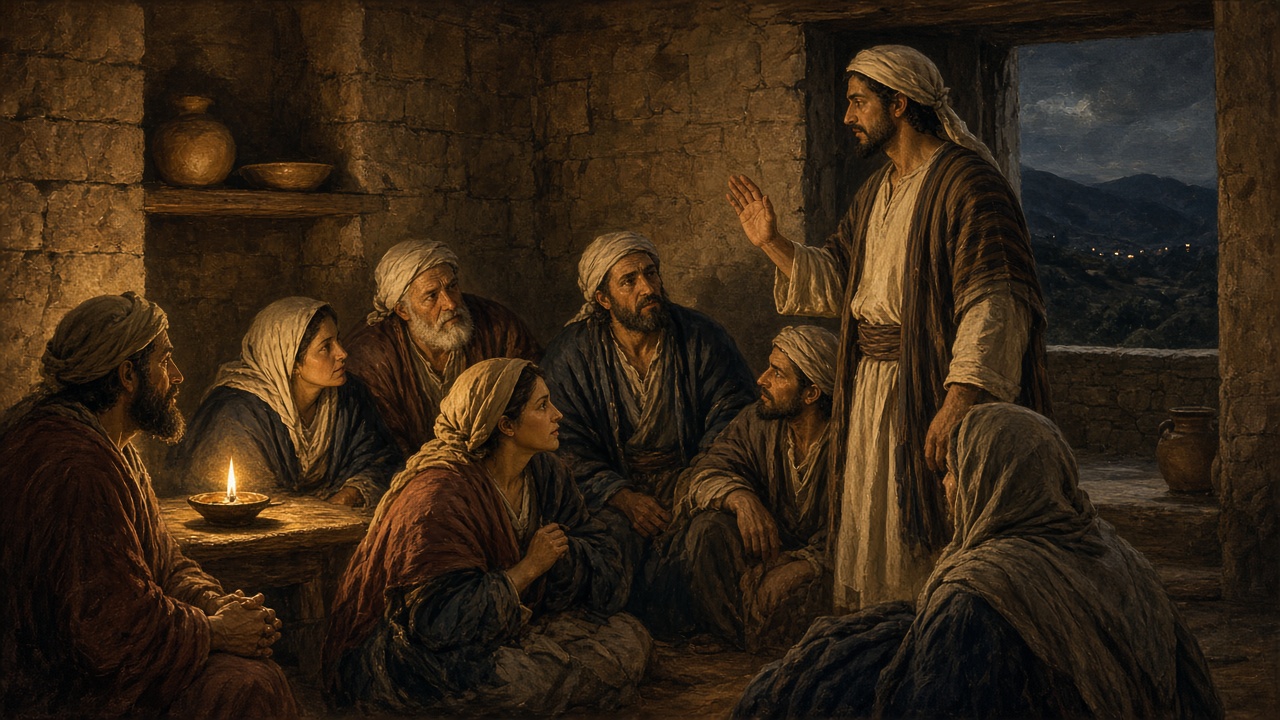
- The chapter urges readers not to be easily alarmed by a spirit, a message, or a letter that only seems to come from the authors and claims that the Day of the Lord has already come. It says that day will not arrive until the rebellion occurs and the man of lawlessness is revealed.Sources: the Bible text itself
- Called also the son of destruction, he is described as exalting himself above every so-called god, seating himself in the temple of God, and proclaiming himself to be God. The passage refers to what now restrains him, and to the one who restrains, but it does not name that restraint.Sources: the Bible text itself
- The coming of the lawless one is accompanied by the working of Satan, with every kind of power, sign, and false wonder. Satan means adversary or accuser; in the New Testament the name is used interchangeably with Diabolos, the devil, more than thirty times.Sources: the Bible text itself · Satan
Notes written with AI assistance from open sources (Theographic Bible Metadata, CC BY-SA 4.0; Easton’s Bible Dictionary, public domain) and reviewed before publishing.
Credits and license for this translation
Haalin Mallano
The New Testament in the Banna language of Ethiopia
copyright © 2014 SIM International
Language: Banna (Hamer-Banna)
Translation by: SIM
This translation text is made available to you under the
terms of the Creative Commons License: Attribution-Noncommercial-No Derivative Works.
( http://creativecommons.org/licenses/by-nc-nd/3.0/ )
In addition, you have permission to port the text to different file formats, as long as you
do not change any of the text or punctuation of the Bible.
You may share, copy, distribute, transmit, and extract portions
or quotations from this work, provided that you include the above copyright
information:
You must give Attribution to the work.
You do not sell this work for a profit.
You do not make any derivative works that change any of the actual words or punctuation of the Scriptures.
Permissions beyond the scope of this license may be
available if you contact
us with your request.
This translation is made available to you under the terms of the
Creative Commons Attribution-Noncommercial-No Derivatives license 4.0.
You may share and redistribute this Bible translation or extracts from it in any format, provided that:
You include the above copyright and source information.
You do not sell this work for a profit.
You do not change any of the words or punctuation of the Scriptures.
Pictures included with Scriptures and other documents on this site are licensed just for use with those Scriptures and documents.
For other uses, please contact the respective copyright owners.
2014-10-15
Source: http://ebible.org/amf/ · eBible.org