Romans 16
Wakʉ Itekare: Emenna' Pe Ekonekan Nɨto' · Tap a verse to see its cross-references.
Tʉmɨrɨ Pe Rɨ Nin Si Miyarɨ Tato' Iya
1Ɨpɨ'nokon ina parusi Pepi ekama uya, so'si Senkʉre yawon poitorʉ pe te'sen. 2Ɨyekama'po uya 'nokon Itepuru awɨrɨ anʉmʉ kon pa wakʉ ton anʉnto' eseru yau mɨrɨ awonsi'kɨ ɨ'rɨ rɨ i'se iye'to' ɨwinɨpaino kon ke ipika'tɨtɨ', apʉne pʉra eke pe rɨ tu'kan kon nɨ ka'pon amʉ' pika'tɨnin kʉrɨ rɨ, urɨ rɨ to' tonpa pe.
3Miyarɨ ka'tɨ' Pʉre'sira mɨrɨ awonsi'kɨ A'kira pɨ', e'tʉrawasoma Kʉrai Sises yau tonpa ton pɨ'. 4Tʉuma'tato' kon annau rɨ upika'tɨ'pʉ to' uya. Urɨ rɨken pen e'tane tanporon nɨ so'si ton Esuwerʉ amʉ' pen iwano' ton esi pori' pe to' pɨ'.
5Miyarɨ ka'tɨ' rɨ marɨ so'si to' iwʉ' tau tamʉrasan pɨ'.
Miyarɨ ka'tɨ' utonpa rʉ'kwɨ Epene'tos pɨ', wapiya kuru iyera'tɨsa' rʉ'pʉ Kʉrai winɨkʉi' Eisa nono po.
6Miyarɨ ka'tɨ' Meri pɨ', sa'man pe kuru ɨiwano' kon pe iye'tʉrawasomasa' rʉ'pʉ.
7Miyarɨ ka'tɨ' Antʉroni'kas mɨrɨ awonsi'kɨ Isuniyas, utonpa ton, upokon pe pariki'si tau iye'sa' kon. Eke ton pe kuru itekare ekamai' enno'sa' kon koro'tau te'san kamoro, mɨrɨ awonsi'kɨ urawɨrɨ Kʉrai yau to' esi'pʉ.
8Miyarɨ ka'tɨ' Anpʉriya'tas pɨ', Itepuru yau uni'nʉnkanʉ.
9Miyarɨ ka'tɨ' Orʉpanos pɨ', Kʉrai yau e'tʉrawasoman tonpa, mɨrɨ awonsi'kɨ utonpa rʉ'kwɨ Sʉ'ta'kes.
10Miyarɨ ka'tɨ' A'peres pɨ', wakʉ ye' pe Kʉrai yau i'tusa'.
Miyarɨ ka'tɨ' Arestoporos tonpa ton pɨ'.
11Miyarɨ ka'tɨ' utonpa, Esuwerʉ pe te'sen Eratiyan pɨ'.
Miyarɨ ka'tɨ' Narʉsisas amʉtʉ pe te'san pɨ', Itepuru yawon kon.
12Miyarɨ ka'tɨ' Tʉrai'pina mɨrɨ awonsi'kɨ Tʉrai'posa pɨ', kamoro uri'sami'si amʉ' sa'man pe rɨ te'tʉrawasomasan Itepuru apiyo' pe.
Miyarɨ ka'tɨ' utonpa rʉ'kwɨ Pɨrʉses pɨ', kʉrɨ rɨ kanan uri'san sa'man pe kuru rɨ iye'tʉrawasomasa' Itepuru apiyo' pe.
13Miyarɨ ka'tɨ' Ru'pos pɨ', anʉnsa' Itepuru iwano' pe, mɨrɨ awonsi'kɨ isan, usan pe rɨ kanan iye'sa' rʉ'pʉ.
14Miyarɨ ka'tɨ' Asenkʉri'tas, Pʉrekon, Ɨrʉmes, Pa'tʉropas, Ɨrʉmas mɨrɨ awonsi'kɨ tonpa ton amʉ', to' piyau na'ne' nan pɨ'.
15Miyarɨ ka'tɨ' Pirorokas, Isuriya, Nereyas mɨrɨ awonsi'kɨ iparusi, mɨrɨ awonsi'kɨ Orenpas mɨrɨ awonsi'kɨ tanporo wakʉ ton to' piyau na'ne' nan.
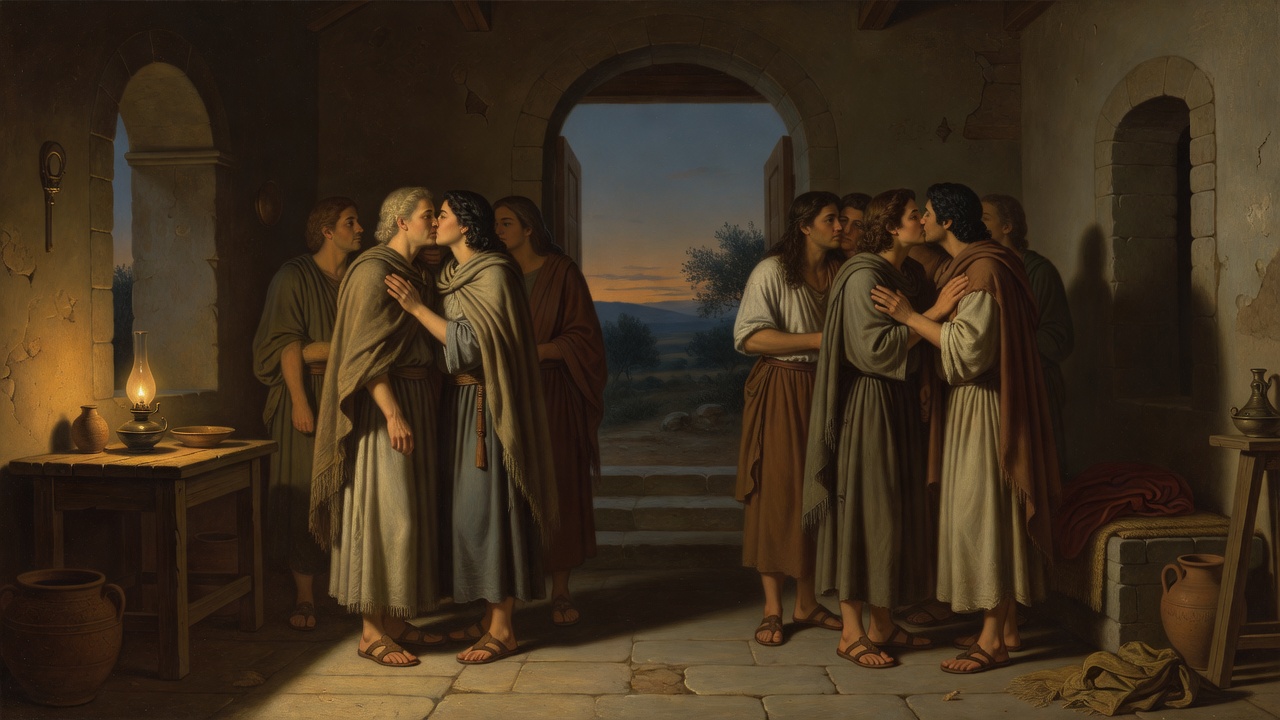
16Miyarɨ ka'tɨ' ɨsipokon pe wakʉ eseru yau auta'su'ka kon pe.
Tanporon Kʉrai so'sii ton miyarɨ nɨkayan.
17Ɨyekama'po uya 'nokon kuru, utonpa ton, kamo e'ta'nʉ'nɨ emapu'tɨnin nan enei'ma ɨwesi kon pa mɨrɨ awonsi'kɨ ɨye'mata'nokon awa'kʉ'nin kon tʉnin nan. To' nʉkupʉnʉ esi ɨusenupa'pʉ kon ipɨ' kasa pʉra rɨ. To' piyau ke'tʉu. 18Apʉne pʉra pʉsamoro rupɨ esi uyepuru kon Kʉrai apiyo' pe pʉra, e'tane tiwano' kon nɨ. Wakʉ pe kuru rɨ tʉusaurokʉ kon ke, mɨrɨ awonsi'kɨ ennakan nɨto' ike ke entu'ma' rɨ te'san ka'pon amʉ' enku'tɨ to' uya. 19Tanporon kon uya rɨ main awɨrɨ ɨwe'to' kon etasa' man, mɨrɨ wenai ipan pe rɨ pori' pe e'ai' ɨpɨ'nokon; e'tane wakʉ pe te'sen ti'tui' ɨwesi kon i'se e'ai', mɨrɨ awonsi'kɨ ɨri ku'nin nan ye' pe pʉra.
20Papa usewankaman nɨto' pʉn nɨ uya Se'tan amo'korokʉ mɨrɨ a'ta kon o'no.
Uyepuru kon Sises uya wakʉ nonkasa' nesii ɨpiyau'nokon.
21Temu'ti, e'tʉrawasoma tonpa man miyarɨ ta pɨ' ɨpɨ'nokon, Rusiyas rɨ, Ise'sʉn mɨrɨ awonsi'kɨ So'sipa'tɨrʉ, utonpa ton.
22Urɨ, Tɨrʉ'tiyas, kareta menukanin nʉ'pʉ, miyarɨ nɨkayan ɨpɨ'nokon Itepuru yau.
23Kayas, tewakiri kon pe urɨ mɨrɨ awonsi'kɨ tanporo rɨ so'si na'ne' serɨ yau itiwʉ' tau te'san miyarɨ nɨkayan ɨpɨ'nokon.
Erastas, eke pata pʉrataai esa' pe te'sen, mɨrɨ awonsi'kɨ utonpa kon Kuwarʉ'tas miyarɨ nɨkayan ɨpɨ'nokon.
25Apurɨpɨ'to' tʉpai'nokon Papa ena'! Pana' pe ɨye'mʉ'sa'ka kon apurɨ auya'nokon yau kupʉ iya, wakʉ itekare sekamayai'ne' kasa rɨ, itekare Sises Kʉrai pɨ' mɨrɨ awonsi'kɨ ama'aino i'nairon onansa' rʉ'pʉ pena rɨ usenpoikasa' na'ne' kasa rɨ. 26E'tane nin si isenpoikasa' pu'kena' amʉ' nʉmenuka'pʉ awɨrɨ Papa tɨwɨ rɨ tʉuko'mansen uya apiyontɨn awɨrɨ, tanporo tʉpataron kon uya tapurɨto' pe mɨrɨ awonsi'kɨ tʉmaimu awɨrɨ to' e'to' pe. 27Papa rɨken ta'kwarʉ kenan iwano' pe eke pe iku'to' nesii tɨwɨrɨ rɨ Sises Kʉrai poro! Amen.
Did you know?
Greetings to the church in Rome
- Paul commends Phoebe, a servant of the church in Cenchrea, and asks the recipients in Rome to welcome her and help her with whatever she needs, because she has been a great help to many people, including him. Cenchrea was the eastern harbor of Corinth, about nine miles east of the city and the outlet for its trade with the Asiatic shores of the Mediterranean; Easton's Bible Dictionary (1897) says she was probably the bearer of this letter.Sources: the Bible text itself · Phebe · Cenchreae
- Paul greets Prisca and Aquila, his fellow workers in Christ Jesus, who risked their lives for him, and also the church that meets in their house; he says that not only he but all the churches of the Gentiles are grateful to them. Easton's Bible Dictionary (1897) calls her Priscilla and describes Aquila as a tent-maker from Pontus who, with his wife, left Rome because of a decree of Claudius in A.D. 50 commanding all Jews to leave the city; her name sometimes comes before his, as it does here.Sources: the Bible text itself · Priscilla · Aquila
- Near the close, Tertius, who wrote the letter down, adds his own greeting. Gaius, who has hosted Paul and all the church, also sends greetings, as do Erastus, the city treasurer, and Quartus.Sources: the Bible text itself
Notes written with AI assistance from open sources (Theographic Bible Metadata, CC BY-SA 4.0; Easton’s Bible Dictionary, public domain) and reviewed before publishing.
Places in this chapter
Only places identified with high confidence are shown (90% or more according to the scholarly sources compiled by OpenBible). Period map: DARE (Digital Atlas of the Roman Empire), CC BY 4.0; modern map: © OpenStreetMap contributors; places: OpenBible.info (CC BY 4.0).
Credits and license for this translation
Wakʉ Itekare: Emenna' Pe Ekonekan Nɨto'
New Testament in Akawaio (GY:ake:Akawaio)
copyright © 2010 Wycliffe Bible Translators, Inc.
Language: Akawaio
Translation by: Wycliffe Bible Translators, Inc.
Akawaio
ake
Guyana
Copyright Information
© 2010, Wycliffe Bible Translators, Inc. All rights reserved.
This translation text is made available to you under the
terms of the Creative Commons License: Attribution-Noncommercial-No Derivative Works.
( http://creativecommons.org/licenses/by-nc-nd/3.0/ )
In addition, you have permission to port the text to different file formats, as long as you
do not change any of the text or punctuation of the Bible.
You may share, copy, distribute, transmit, and extract portions
or quotations from this work, provided that you include the above copyright
information:
You must give Attribution to the work.
You do not sell this work for a profit.
You do not make any derivative works that change any of the actual words or punctuation of the Scriptures.
Permissions beyond the scope of this license may be
available if you contact
us with your request.
The New Testament
in Akawaio
© 2010, Wycliffe Bible Translators, Inc. All rights reserved.
This translation is made available to you under the terms of the
Creative Commons Attribution-Noncommercial-No Derivatives license 4.0.
You may share and redistribute this Bible translation or extracts from it in any format, provided that:
You include the above copyright and source information.
You do not sell this work for a profit.
You do not change any of the words or punctuation of the Scriptures.
Pictures included with Scriptures and other documents on this site are licensed just for use with those Scriptures and documents.
For other uses, please contact the respective copyright owners.
2014-04-21
Source: http://ebible.org/akeNT/ · eBible.org