Mark 10
Wakʉ Itekare: Emenna' Pe Ekonekan Nɨto' · Tap a verse to see its cross-references.
No'pʉ Nonkato' Ekareei Ekama'pʉ Sises Uya
1Mɨrɨ a'tai, Sises uya mɨrɨ pata nɨmɨ'pʉ, mɨrɨpan utɨ'pʉ Isutiya nono pe te'sen ya' tuna Isotan ratoi pon anpisin pe rɨ kanan ka'pon amʉ' uye'kaa'pʉ ipiya', mɨrɨpan kon enupa'pʉ iya, teseru yau rɨ.
2Pari'si amʉ' tonpa ton uyee'pʉ ipiya', mɨrɨpan kon uya i'tupɨtʉ'pʉ ekama'popɨtʉ tʉuya'nokon winɨ, “Main awɨrɨ rɨ e'nɨ pe rɨ pe' iyesi ka'pon uya tʉno'pʉ nonka a'tai?” ta'pʉ to' uya.
3Sises uya to' eikʉ'pʉ to' ekama'po pe, “Ɨ'rɨ tawon ken Main tʉrʉ'pʉ Mosi' uya ɨyena'nokon?” ta'pʉ iya.
4To' uya eikʉ'pʉ, “Mosi' uya itʉsa' ka'pon uya e'nonkan nɨto' karetaai tʉmenukai' tʉno'pʉ enno'to' pe tasa' iya,” ta'pʉ to' uya.
5Sises uya ta'pʉ to' pɨ', “Mosi' uya serɨ main menuka'pʉ, apʉne pʉra sa'man pe rɨ ɨyewan kon esi pɨ'. 6E'tane iye'kapʉ epiya'tɨ yau, ‘Papa uya warawo' mɨrɨ awonsi'kɨ uri'san kaa'pʉ,’ tasa' iya. 7‘Mɨrɨ wenai, warawo' uya tʉkʉipʉnʉ mɨrɨ awonsi'kɨ tʉsan nɨnto' esi, mɨrɨpan uta'sikʉ tʉno'pʉ ya', 8mɨrɨpan asa'ron kon ena tikin nɨ ipun,’ tasa' iya. Asa'rɨ to' esi pen, e'tane tikin nɨ to' esi. 9Mɨrɨ pe iyesi pɨ', Papa na'sikʉ'san ɨsipona mo'ka ka'pon uya kʉse'nin,” ta'pʉ iya.
10To' enna'posa' a'tai ɨutɨ ta', ipoitorʉ ton uya serɨ pɨ' ekama'po'pʉ. 11Eikʉ'pʉ iya, “Ɨnʉ' rɨ tʉno'pʉ nonkayai'ne' mɨrɨpan uya tʉron nɨ uri'san mari'ma ekuma pe iyesi tʉno'pʉ piyapai. 12Mɨrɨpan tʉtaan'pʉ nonka iya pe iyesi yau mɨrɨpan uya tʉron nɨ warawo' mari'ma yau, iyekuma pe rɨ iyesi mɨrɨ,” ta'pʉ iya.
Mʉre Amʉ' Pʉrema'pʉ Sises Uya
13Ka'pon amʉ' uya mʉre amʉ' nee'pʉ Sises piya' to' a'pɨ'to' pe iya, e'tane ipoitorʉ ton uya to' eseremekʉ'pʉ. 14Sises uya ensa' a'tai, isakorota'pʉ, mɨrɨpan uya ta'pʉ tʉpoitorʉ ton pɨ', “Tɨwɨ mʉre amʉ' nʉyepʉi upiya'. To' kʉsereutanʉ'tʉu, apʉne pʉra Papa e'to' esa' wannɨ pe esi pʉsamoro waraino kon iwano' pe. 15I'napairon ekama uya ɨpɨ'nokon, ɨnʉ' rɨ kʉrɨ Papa e'to' esa' wannɨ pe eporo iya pʉra na'ne' mʉre kasa te'se ewonto' oton pen nɨ ya',” ta'pʉ iya. 16Mʉre amʉ' anʉmʉ'pʉ iya temekon pona, mɨrɨpan kon pona temiyatʉ tʉtʉse to' pʉrema'pʉ iya.
Imaminke' Moineri'pɨ
17Utɨn pɨ' Sises e'sara'tɨ koro'tau, ka'pon eka'tunsa' uyee'pʉ, mɨrɨpan e'sekunka'pʉ irau, mɨrɨpan uya ekama'po'pʉ, “Wakʉ, Ti'sa, ɨ'rɨ kuru ku'to' uya esi tɨwɨrɨ uko'man nɨto' epoto' pe uya?” ta'pʉ iya.
18“Ɨ'rɨ pe iyesi pɨ' Wakʉ tukai' uyesakʉ auya?” tukai' Sises uya eikʉ'pʉ. “Ɨnʉ' wakʉ pʉra rɨ iyesi, e'tane Papa rɨken. 19Mosi' nʉmenuka'pʉ i'tu auya: ‘Ɨnʉ' rɨ kʉ'wɨnɨi, iyemari'masa' uri'san kʉsekumankai, ama' pe kesii, kasi pe ka'pon pɨ' kasaurokʉi, enku'tɨnin pe kesii, ɨkʉipʉnʉ mɨrɨ awonsi'kɨ asan inamakɨ,’ tawon,” ta'pʉ iya.
20“Ti'sa, tanporo rɨ serɨ ton awɨrɨ e'sa' man mʉre' esi'pʉ si'kɨrɨ rɨ,” ta'pʉ iya.
21Sises uya ene'pʉ i'nʉnka pe, “Tikin nan nɨken e'nonkasa' man. Tanporo ɨpiyau na'ne' ikʉrʉpo'pomata, mɨrɨpan epe'pʉ tʉrʉ pa entu'manin nan ena'. Mɨrɨ a'tai nin si, imaminke' pe ɨwesi mɨrɨ Epʉn po. Mɨrɨ ku'sa' auya tʉpo, upɨkɨrɨ ɨuyepʉ pa,” ta'pʉ iya ipɨ'.
22Mɨrɨ eta iya a'tai, ika'nɨ' pʉra rɨ itemʉ' ena'pʉ. Pokoi pe itɨ'pʉ, apʉne pʉra eke pe kuru itimamin esi'pʉ.
23Sises uya tenu tʉpɨtʉ'pʉ, mɨrɨpan uya ta'pʉ tʉpoitorʉ ton pɨ', “Sa'man pe kuru rɨ iyesi, imaminke' ton epa'ka poken pʉra Papa e'to' esa' wannɨ pe ya'!” ta'pʉ iya.
24Ipoitorʉ ton usewansiuka'pʉ imaimu pɨ'. E'tane Sises uya takaa'pʉ kanan, “Mʉre amʉ', sa'man pe kuru rɨ iyesi Papa e'to' esa' wannɨ pe ya' epa'kan poken pʉra. 25Sa'man pe pʉra rɨ kiyamerʉ epa'ka akusa enu euta awɨrɨ, imaminke' epa'ka Papa e'to' esa' wannɨ pe ya' entai,” ta'pʉ iya.
26Ipan pe miyarɨ rɨ mɨrɨ pɨ' ipoitorʉ ton usewansiuka'pʉ, mɨrɨpan kon usekama'popɨtʉ'pʉ, “Ɨnʉ' kuru ken si epika'tɨ?” tukai'.
27To' enei'ma Sises uya ta'pʉ to' pɨ', “Ka'pon pona sa'man pe iyesi, e'tane Papa pona tanporo sa'man pe pʉra iyesi,” ta'pʉ iya.
28Pi'ta uya ta'pʉ ipɨ', “Tanporon nɨ sa'ne nɨnsa' ina uya ɨpɨkɨrɨ tʉutɨto' kon pe,” ta'pʉ iya.
29“I'napairon ekama uya ɨpɨ'nokon,” ta'pʉ Sises uya, “ɨnʉ' rɨ kʉrɨ tʉpata'se', takon non, tʉparusi ton, tʉsan, tʉkʉipʉnʉ, tʉmunkɨ amʉ' mɨrɨ pe pʉra tʉmainarʉ nɨnsa' iya na'ne', urɨ pɨkɨrɨ mɨrɨ awonsi'kɨ wakʉ itekare pɨkɨrɨ, uya 30eke pe rɨ tepe'pʉ eporo mɨrɨ, serɨ pe na'ne' entai rɨ — tʉpata'se', takon non, tʉparusi ton, tʉsanon, tʉmunkɨ amʉ' mɨrɨ awonsi'kɨ tʉmainarʉ rɨ mɨrɨ awonsi'kɨ ewa'noman nɨ nɨrɨ — mɨrɨ awonsi'kɨ serɨ enta', tɨwɨ rɨ uko'man nɨto' eporo iya. 31Tu'kan kon nɨ wapiya na'ne' nan e'to' oton iu'matʉ pe, mɨrɨ awonsi'kɨ iu'matʉ pe iye'sa' kon nin si e'to' oton wapiya te'ton kon pe,” ta'pʉ iya.
Itosorʉwano Pe Sises Kanan Usauro'kaa'pʉ Teri'to' Pɨ'
32To' utɨ koro'tau Surusiran pona, Sises to' rawɨrɨ, ipoitorʉ ton usewansiukasa' esi'pʉ, to' pɨkɨrɨ te'san enari'nʉntane. Sises uya kanan tʉpoitorʉ ton pantaka'pʉ, mɨrɨpan uya tʉpɨ' te'ku'ton ekama'pʉ to' pɨ'. 33“Utɨ'nokon serɨ Surusiran pona. Mɨrɨ yau Ka'pon, Papa winon eparankato' oton use'man nɨto' tʉrawasomanin nan epuru ton mɨrɨ awonsi'kɨ Main pɨ' enupanin nan ena', to' uya eno'mato' oton ima'tato' ya', mɨrɨpan tʉto' oton to' uya Esuwerʉ amʉ' pen ena'. 34Kamoro uya nin si isapema mɨrɨ, to' eta'tapɨtʉ ipona, to' uya ari'po'pɨtʉ; mɨrɨ awonsi'kɨ to' uya iwɨnɨ. Osorʉwau wʉi pata'pʉ pe, iye'mʉ'sa'kato' oton,” ta'pʉ iya.
Isens Mɨrɨ Awonsi'kɨ Isaan Nekama'ponʉ
35Mɨrɨ a'tai, Isens mɨrɨ awonsi'kɨ Isaan, Sepiti munkɨ amʉ' uyee'pʉ ipiya', “Ti'sa, ɨ'rɨ rɨ ina nekama'poyai'ne' ɨpɨ' kupʉ auya i'se ina man ina iwano' pe,” ta'pʉ to' uya ipɨ'.
36“Ɨ'rɨ ken kupʉ uya i'se me'atʉu ɨiwano' kon pe?” ta'pʉ iya.
37“Tɨwɨ tikin nɨ ɨyenwo'netʉ winɨ mɨrɨ awonsi'kɨ akamisi winɨ ina nereutai ayapon po ɨyereutasa' a'tai kʉrore po,” ta'pʉ to' uya ipɨ'.
38“Ɨ'rɨ pɨ' uyekama'po auya'nokon tukai' i'tu auya'nokon pʉra rɨ iyesi,” ta'pʉ Sises uya. “Sensiyai'ne' ken pe' ensi auya'nokon, mɨrɨ pe pʉra ɨyepa'taisima kon ken pe' epa'taisimayai'ne' ike ke?” ta'pʉ iya.
39“Ina uya rɨ ikupʉ,” ta'pʉ to' uya.
Sises uya ta'pʉ to' pɨ', “I'napairɨ rɨ unensinʉ rɨ ensi auya'nokon, ɨyepa'taisima kon nɨ epa'taisimayai'ne' ke. 40E'tane ereutapai me'atʉi'ne' uyenwo'netʉ mɨrɨ awonsi'kɨ ukamisi winɨ kupʉ uya poken pʉra iyesi. Serɨ esi mɨrɨ kamo to' ku'sa' na'ne' nan Papa uya rɨ pata'se' pe iyesi,” ta'pʉ iya.
41Kamo 10 kaisaron kon uya serɨ etasa' a'tai, Isens mɨrɨ awonsi'kɨ Isaan pokon pɨ' to' usakorota'pʉ. 42Sises uya tanporo to' amʉranʉkʉ'pʉ, mɨrɨpan uya ta'pʉ to' pɨ', “I'tu auya'nokon nɨ kamo itepuru pe na'ne' nan nɨ esi mɨrɨ Esuwerʉ amʉ' pen epuru pe, mɨrɨpan eke ton uya tʉmerunitɨrʉ kon apurɨ to' pɨ'. 43E'tane mɨrɨ kasa ɨwesi kon pen. E'tane ru'ku, ɨnʉ' rɨ esi yau eke pe enapai ɨ'koro'tau'nokon e'to' pe iyesi ɨpoitorʉ kon pe, 44mɨrɨ awonsi'kɨ ɨnʉ' rɨ esi yau wapiyaro' e' pe e'pai, tɨwɨ nesii tanporon kon apiyo' pe. 45Apʉne pʉra Ka'pon, Papa winon uye'sa' mɨrɨ tapiyo' pe e'nɨto' pe pen, e'tane apiyo' pe e'se'na, mɨrɨ awonsi'kɨ tʉuko'manto' tʉse'na tu'kan kon ka'pon amʉ' epe' pe,” ta'pʉ iya.
Tenku'nan Epi'tɨ'pʉ Sises Uya
46Iseri'ko pona to' uyee'pʉ. Sises mɨrɨ awonsi'kɨ ipoitorʉ ton mɨrɨ tʉpo anpisin ton ka'pon amʉ' uya mɨrɨ eke pata nɨmɨ koro'tau, tenku'nan ka'pon, Pa'timeyas itese' ereutasa' esi'pʉ asanta ka'ta po eta'kwanʉn nɨ pɨ' (Timeyas mumu pe te'sen). 47Sises kʉrɨ rɨ Nasare' pon tawon etasa' tʉuya a'tai, ukɨ'pɨ'nʉnpɨ' nɨ pɨ' iye'sara'tɨ'pʉ, “Sises, Tepi' pa rʉ'pʉ, upɨ' ɨsentu'makɨ!” ta'pʉ iya.
48Tu'kan kon uya rɨ eseremekʉ'pʉ e'pana iye'to' pe, e'tane rɨ miyarɨ rɨ ikɨ'pɨ'nʉnpɨtʉ'pʉ, “Tepi' pa rʉ'pʉ, upɨ' ɨsentu'makɨ!” ta'pʉ iya.
49Sises e'takʉ'ka'pʉ, mɨrɨpan uya, “Ikɨ'matɨ',” ta'pʉ.
Mɨrɨpan kon uya nin si ikɨ'ma'pʉ, “Epori'ma'! E'mʉ'sa'ka'! Ɨkɨ'ma iya,” ta'pʉ to' uya ipɨ'. 50Tʉpon pʉro'pon nin si eno'ma'pʉ iya mɨrɨ, te'sanʉmʉ pe iye'mʉ'sa'ka'pʉ, mɨrɨpan uyee'pʉ Sises piya'.
51“Ɨ'rɨ kupʉ uya i'se me'an ɨiwano' pe?” ta'pʉ Sises uya ipɨ'.
Tenku'nan ka'pon uya, “Rapai, ennin pe kanan e'pai e'ai',” ta'pʉ.
52“Enta, anapurɨnʉ uya ɨyepi'tɨsa' man,” ta'pʉ Sises uya ipɨ'. Inke pʉra rɨ, ennin pe iyena'pʉ, mɨrɨpan nin si utɨ'pʉ mɨrɨ asanta tawɨrɨ Sises pɨkɨrɨ.
Did you know?
Discipleship and Faith on the Road to Jerusalem
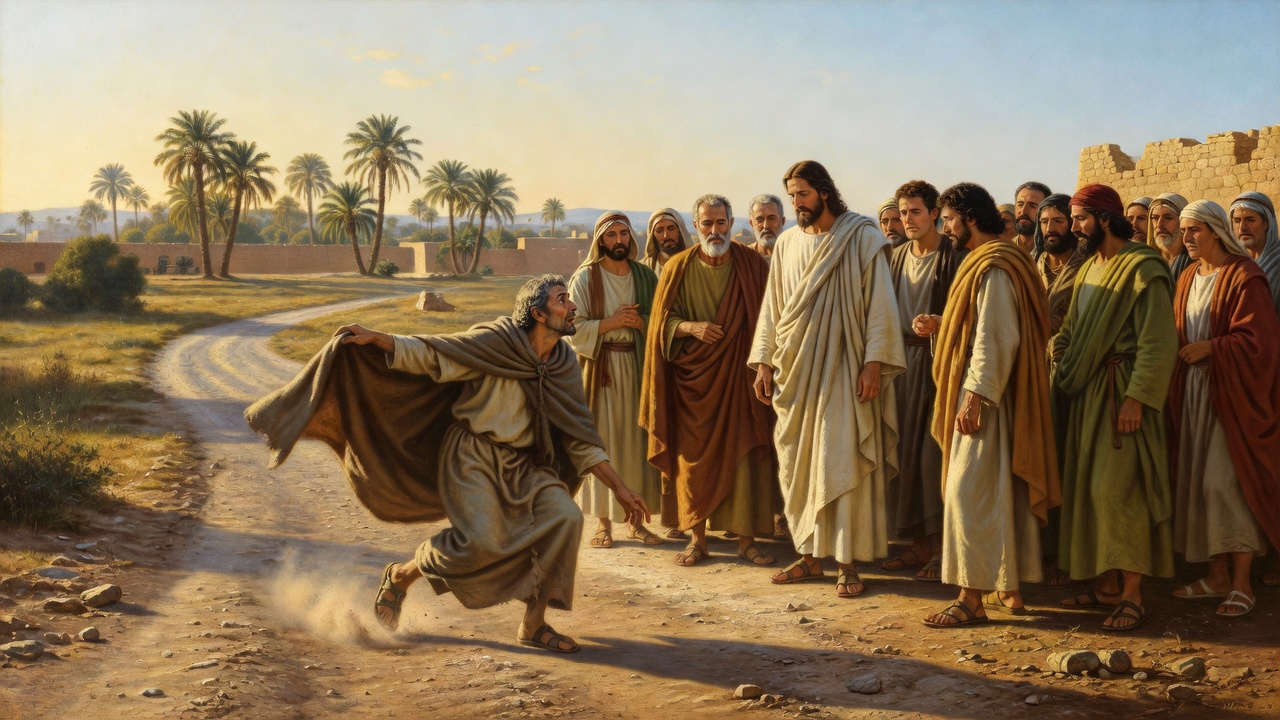
- As Jesus and His followers traveled toward Jerusalem through Jericho in the Jordan valley, they encountered Bartimaeus, whose name means the son of Timaeus. Sitting by the roadside as a blind beggar, he repeatedly called Jesus the 'Son of David' before receiving his sight and following Him along the road.Sources: Jericho · Bartimaeus · Timaeus · the Bible text itself
- James and John, the sons of the Galilean fisherman Zebedee, asked Jesus for the two highest seats of honor at His right and left hand. Jesus used their request to contrast Gentile rulers who lord authority over others with the kingdom of God, where whoever wants to be first must become the servant and slave of all.Sources: James (Son of Zebedee) · John the Apostle · Zebedee · the Bible text itself
Notes written with AI assistance from open sources (Theographic Bible Metadata, CC BY-SA 4.0; Easton’s Bible Dictionary, public domain) and reviewed before publishing.
Places in this chapter
- Jordan · Today: Jordan River · 31.761, 35.558 · verse 1
- Judea · Today: Judea 1 · 31.777, 35.234 · verse 1
- Jerusalem · 31.777, 35.234 · verses 17, 32, 33
- Jericho · Today: Tell el Alayiq · 31.852, 35.436 · verse 46
- Nazareth · 32.702, 35.298 · verse 47
Only places identified with high confidence are shown (90% or more according to the scholarly sources compiled by OpenBible). Period map: DARE (Digital Atlas of the Roman Empire), CC BY 4.0; modern map: © OpenStreetMap contributors; places: OpenBible.info (CC BY 4.0).
Credits and license for this translation
Wakʉ Itekare: Emenna' Pe Ekonekan Nɨto'
New Testament in Akawaio (GY:ake:Akawaio)
copyright © 2010 Wycliffe Bible Translators, Inc.
Language: Akawaio
Translation by: Wycliffe Bible Translators, Inc.
Akawaio
ake
Guyana
Copyright Information
© 2010, Wycliffe Bible Translators, Inc. All rights reserved.
This translation text is made available to you under the
terms of the Creative Commons License: Attribution-Noncommercial-No Derivative Works.
( http://creativecommons.org/licenses/by-nc-nd/3.0/ )
In addition, you have permission to port the text to different file formats, as long as you
do not change any of the text or punctuation of the Bible.
You may share, copy, distribute, transmit, and extract portions
or quotations from this work, provided that you include the above copyright
information:
You must give Attribution to the work.
You do not sell this work for a profit.
You do not make any derivative works that change any of the actual words or punctuation of the Scriptures.
Permissions beyond the scope of this license may be
available if you contact
us with your request.
The New Testament
in Akawaio
© 2010, Wycliffe Bible Translators, Inc. All rights reserved.
This translation is made available to you under the terms of the
Creative Commons Attribution-Noncommercial-No Derivatives license 4.0.
You may share and redistribute this Bible translation or extracts from it in any format, provided that:
You include the above copyright and source information.
You do not sell this work for a profit.
You do not change any of the words or punctuation of the Scriptures.
Pictures included with Scriptures and other documents on this site are licensed just for use with those Scriptures and documents.
For other uses, please contact the respective copyright owners.
2014-04-21
Source: http://ebible.org/akeNT/ · eBible.org