Matthew 2
Wakʉ Itekare: Emenna' Pe Ekonekan Nɨto' · Tap a verse to see its cross-references.
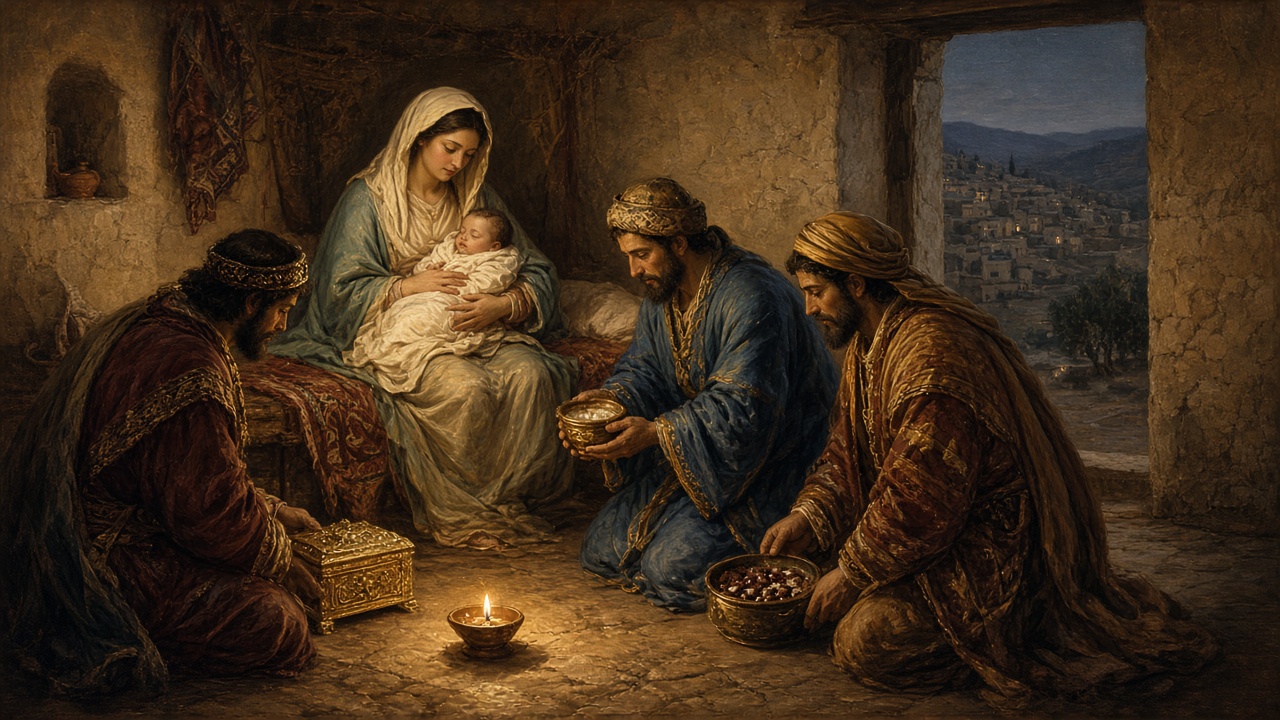
Pu'kena' Amʉ' Uya Sises Ka'kʉranpa'pʉ
1Sises entu'pʉ tʉpo Pe'teri'en po Isutiya yau, kin pe Era' esi a'tai, pu'kena' amʉ' uyee'pʉ wʉi enu uyepʉ winɨpai Surusiran pona, 2mɨrɨpan kon uya, “Nai airɨ mʉre, Esuwerʉ amʉ' kin pe te'ton entusa' nai? Kaiyono' epa'kasa' ene'pʉ ina uya iyentusa' ekamanin. Mɨrɨ pɨ' apurɨpɨ'se'na ina uye'sa',” ta'pʉ to' uya.
3Serɨ tawon etasa' kin pe te'sen Era' uya a'tai, isewankama'pʉ, mɨrɨpan kaisa rɨ Surusiran pon kon usewankama'pʉ. 4Tanporo Papa ena' use'man nɨto' tʉrawasomanin nan epuru ton mɨrɨ awonsi'kɨ Main pɨ' enupanin nan amʉranʉ'sa' tʉuya a'tai, to' ekama'po'pʉ iya, “Nai yau Kʉrai entuto' oton tasa' pu'kena' amʉ' uya nai?” tukai'.
5“Pe'teri'en po, Isutiya yau,” tukai' to' uya eikʉ'pʉ. “Serɨ tukai' pu'kena' uya imenuka'pʉ esi pena rɨ:
6“‘Ɨmɨrɨ'nokon, Isutiya yawon, Pe'teri'en pata pon kon,
Isutiya yawo'nan pata ton tentakai' apata kon yau eke esa' wannɨ e'sepoto' oton,
karimeru esa' esi to' esa' pe kasa
umunkɨ, Esuwerʉ amʉ' esa' pe te'ton,’
tawon,” ta'pʉ to' uya.
7Serɨ etasa' Era' uya a'tai, tʉmaimu ennoko'pʉ iya pu'kena' amʉ' piya' to' pokon pe ama'ai te'sepoto' kon pe, mɨrɨpan kon winɨ eta'pʉ iya, mɨrɨ a'tai kaiyono' epa'ka'pʉ tukai'. 8Mɨrɨpan kon ennoko'pʉ iya Pe'teri'en pona, “Wakʉ pe mʉre mʉwarinpatʉi'. Eposa' auya'nokon a'tai, upana'tɨi' mɨsi'tʉi', urɨ rɨ nɨrɨ utɨto' pe apurɨpɨ'se'na,” ta'pʉ iya.
9Kin maimu eta tʉuya'nokon tʉpo, to' utɨ'pʉ, mɨrɨpan kon uya kaiyono' kanan enkaa'pʉ, tʉnene'pʉ kon nʉ'pʉ wʉi enu uyepʉ winɨ, mɨrɨpan pɨ' to' epori'ma'pʉ. Mɨrɨpan kon rawɨrɨ kaiyono' utɨ'pʉ, mɨrɨpan ereuta'pʉ mʉre pata epoi. 11Mɨrɨ a'tai, pu'kena' amʉ' ewomʉ'pʉ ɨutɨ ta'. Mʉre si ensa' tʉuya'nokon a'tai, isan, Meri pokon pe, to' e'sekunka'pʉ apurɨpɨtʉ pe. Mɨrɨ a'tai, timamin kon yen a'koka'pʉ to' uya, mɨrɨpan kon uya irepapɨtʉ'pʉ epe'kena' ton ke: korʉ ke, a'po'nan ikɨtun, pʉrankensens tato' ke mɨrɨ awonsi'kɨ karapa, mɨrʉ tato' ke.
12Papa uya to' pana'tɨ'pʉ to' e'ne'pɨtʉ yau, to' enna'po namai' kin pe te'sen Era' piya', mɨrɨpan kon enna'po'pʉ tʉpata kon ya' tʉron nɨ awɨrɨ.
Isose', Meri Uya Sises Arɨ'pʉ Isi' Pona
13To' utɨ'pʉ tʉpo, Itepuru inserʉʉi usenpoika'pʉ Isose' piya' iye'ne'pɨtʉ yau, “Isose', e'mʉ'sa'ka', mʉre mɨrɨ awonsi'kɨ isan tanʉnse ainʉnkɨ Isi' pona. Kin Era' man iwarinpa pɨ' iwɨto' pe tʉuya,” ta'pʉ iya. 14Mɨrɨpan e'mʉ'sa'kasa' uya mʉre mɨrɨ awonsi'kɨ isan arɨ'pʉ ewarupɨ nau Isi' pona, 15mɨrɨpan kon uko'mamʉ'pʉ Era' uma'ta pona rɨ. Pena pu'kena' amʉ' nekama'pʉ uta'ku'tɨ'pʉ, “Umu kɨ'ma uya Isi' apai,” tawon.
Soisa Amʉ' Uya Warawo' Munkɨ Amʉ' Tʉ'ka'pʉ
16Era' uya i'tusa' a'tai pu'kena' amʉ' uya tennakasa', ipan pe isakorota'pʉ, mɨrɨpan uya, “Warawo' munkɨ amʉ' Pe'teri'en pon kon itʉ'katɨ' asa'ron wʉipiya airon kon mɨrɨ awonsi'kɨ mɨrɨ o'koi'no kon nɨ,” ta'pʉ iya, pu'kena' amʉ' uya ekama'pʉ rʉ'pʉ pɨ'. 17Mɨrɨ a'tai, pu'kena' Iseremaya nekama'pʉ uta'ku'tɨ'pʉ:
18“Main useta Rama pata po,
tʉuta'kwarʉkai' ukaran nɨ esi eke pe rɨ,
Rʉi'serʉ esi ukaran nɨ pɨ' tʉmunkɨ amʉ' wenai,
tʉpori'ma i'se pʉra iyesi,
to' pʉra iyesi pɨ',”
tawon.
To' Enna'po'pʉ Isi' Apai
19Era' uma'ta'pʉ tʉpo, inserʉ usenpoika'pʉ iye'ne'pɨtʉ yau Isose' piya', Isi' po, 20“E'mʉ'sa'ka', mʉre mɨrɨ awonsi'kɨ isan akɨ Esuwerʉ pata pona. Kamoro mʉre wɨnɨ i'se te'san uma'ta'pʉ man,” ta'pʉ iya. 21Mɨrɨpan e'mʉ'sa'ka'pʉ, mʉre mɨrɨ awonsi'kɨ isan arɨ'pʉ iya, mɨrɨpan kon utɨ'pʉ Esuwerʉ pata pona.
22E'tane A'keras enasa' tʉkʉipʉnʉ Era' pata'pʉ ya' kin pe Isutiya po eta'pʉ iya. Enari'ke' pe iyesi'pʉ, mɨrɨ ya' ɨtɨpai pʉra. Ipanamasa' esi'pʉ iye'ne'pɨtʉ yau, mɨrɨpan utɨ'pʉ Kiyarari nono pona. 23Mɨrɨpan utɨ'pʉ ɨko'manse'na Nasare' pona. Pu'kena' ton nekama'pʉ uta'ku'tɨ'pʉ mɨrɨ, “Nasarin tukai' esa'to' oton,” tawon.
Did you know?
Magi, Herod, and Nazareth
- The King Herod of this chapter is Herod the Great. His son Archelaus, by Malthace, a Samaritan woman, inherited a third of the kingdom: Idumea, Judea, and Samaria. Until a few days before Herod's death another son, Antipas, had been named successor, but in his last moments Herod named Archelaus; for fear of him, Joseph turned aside from Judea and withdrew to Galilee.Sources: Archelaus · the Bible text itself
- Matthew links the deaths of the boys in Bethlehem to words spoken through the prophet Jeremiah: a voice in Ramah, Rachel weeping for her children. Rachel, one of Jacob's wives, died giving birth to Benjamin and was buried by the wayside on the road to Ephrath, that is Bethlehem, directly north of the town. Her sepulchre is regarded with great veneration by the Jews.Sources: the Bible text itself · Rachel · Bethlehem
- Bethlehem, in the hill country of Judah, was earlier called Ephrath and was also known as the city of David; under the Romans it lay in Judea, the southernmost of the three divisions of Palestine. Joseph and Mary went instead to Nazareth in Galilee, their home, a town not mentioned in the Old Testament. The name Nazareth is generally supposed to come from the Hebrew netser, a shoot or sprout, though some connect it with a word for guarding or watching.Sources: Bethlehem · Judea · Nazareth · the Bible text itself
Notes written with AI assistance from open sources (Theographic Bible Metadata, CC BY-SA 4.0; Easton’s Bible Dictionary, public domain) and reviewed before publishing.
Places in this chapter
- Bethlehem · 31.704, 35.208 · verses 1, 5, 6, 8, 9, 16
- East · Today: region around Amman · 31.955, 35.934 · verses 1, 2, 9
- Jerusalem · 31.777, 35.234 · verses 1, 3
- Judea · Today: Judea 1 · 31.777, 35.234 · verses 1, 5, 22
- Egypt · 30.129, 31.308 · verses 13, 14, 15, 19
- Galilee · 32.760, 35.527 · verse 22
- Nazareth · 32.702, 35.298 · verse 23
Only places identified with high confidence are shown (90% or more according to the scholarly sources compiled by OpenBible). Period map: DARE (Digital Atlas of the Roman Empire), CC BY 4.0; modern map: © OpenStreetMap contributors; places: OpenBible.info (CC BY 4.0).
Credits and license for this translation
Wakʉ Itekare: Emenna' Pe Ekonekan Nɨto'
New Testament in Akawaio (GY:ake:Akawaio)
copyright © 2010 Wycliffe Bible Translators, Inc.
Language: Akawaio
Translation by: Wycliffe Bible Translators, Inc.
Akawaio
ake
Guyana
Copyright Information
© 2010, Wycliffe Bible Translators, Inc. All rights reserved.
This translation text is made available to you under the
terms of the Creative Commons License: Attribution-Noncommercial-No Derivative Works.
( http://creativecommons.org/licenses/by-nc-nd/3.0/ )
In addition, you have permission to port the text to different file formats, as long as you
do not change any of the text or punctuation of the Bible.
You may share, copy, distribute, transmit, and extract portions
or quotations from this work, provided that you include the above copyright
information:
You must give Attribution to the work.
You do not sell this work for a profit.
You do not make any derivative works that change any of the actual words or punctuation of the Scriptures.
Permissions beyond the scope of this license may be
available if you contact
us with your request.
The New Testament
in Akawaio
© 2010, Wycliffe Bible Translators, Inc. All rights reserved.
This translation is made available to you under the terms of the
Creative Commons Attribution-Noncommercial-No Derivatives license 4.0.
You may share and redistribute this Bible translation or extracts from it in any format, provided that:
You include the above copyright and source information.
You do not sell this work for a profit.
You do not change any of the words or punctuation of the Scriptures.
Pictures included with Scriptures and other documents on this site are licensed just for use with those Scriptures and documents.
For other uses, please contact the respective copyright owners.
2014-04-21
Source: http://ebible.org/akeNT/ · eBible.org