Luke 11
Wakʉ Itekare: Emenna' Pe Ekonekan Nɨto' · Tap a verse to see its cross-references.
Ɨpʉreman Eseru Pɨ' Sises Uya Enupan Nɨto'
1Sises esi'pʉ ɨpʉreman pɨ'. Mɨrɨpan e'nonkasa' a'tai, tikin nan ipoitorʉ uya ta'pʉ ipɨ', “Ina Epuru, ɨpʉreman eseru pɨ' ina enupakɨ, Isaan uya tʉpoitorʉ ton enupa'pʉ kasa,” ta'pʉ iya.
2Ta'pʉ iya to' pɨ', “Ɨwɨpʉrema kon a'tai, se kasa mʉkatʉi':
“‘Papai,
tʉnamasen pe ɨyese' nesii.
Ina esa' pe ɨwe'to' nʉyepʉi.
3Wʉi kaisa rɨ ina irepakɨ wʉi kaisa rɨ te'sen ina i'kiyari ke.
4Ina makooi pɨ' ɨsentu'makɨ,
apʉne pʉra ina nɨrɨ usentu'ma pɨ' ina pɨ' imakoitasa' kon pɨ'.
Mɨrɨ awonsi'kɨ ina kʉsarɨi i'tupɨ'nɨto' ya'.’”
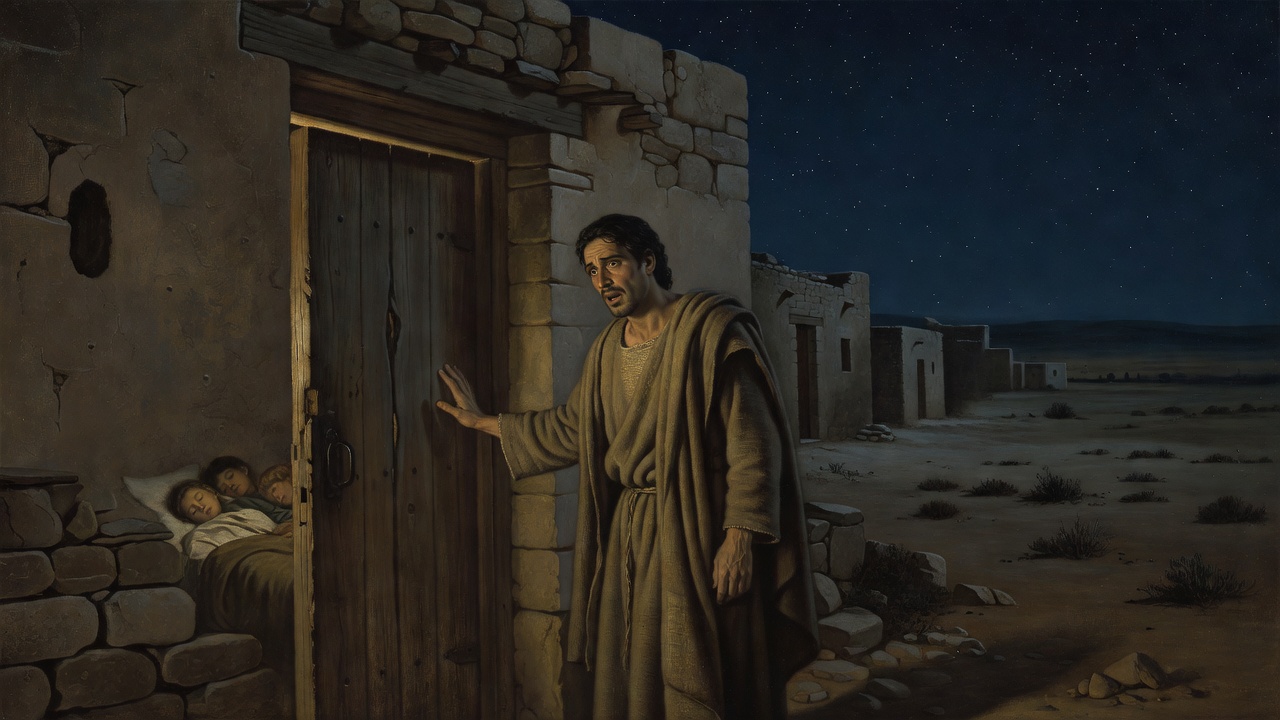
5Mɨrɨ tʉpo, ta'pʉ iya to' pɨ', “Iya'tai pʉra tʉtonpa ke ɨwesi a'tai, anomʉra' a'tai ɨutɨ itiwʉ' ta'. Ta auya ipɨ', ‘Osorʉwau pʉreti ke urepa', 6apʉne pʉra utonpa pe te'sen uye'sa', e'tane inta'napato' uya ike pʉra iyesi.’ 7Ɨutɨ tawon uya si amaimu eikʉ, ‘Uyanpokʉmai, mʉra'ta uta'kopɨ'ka'sa', mɨrɨ awonsi'kɨ umunkɨ amʉ' e'nʉnsa' nɨrɨ. Ɨrepase'na e'mʉ'sa'ka poken pʉra man,’ ta iya yau. 8Ekama uya etatɨ', tʉtonpa pe ɨwesi pɨ' ɨrepase'na iye'mʉ'sa'ka pen e'tane, ɨyepiyɨtʉ pʉra ekama'popɨtʉ auya pɨ' ɨrepase'na iye'mʉ'sa'ka i'se ɨwe'to' ke.
9“Mɨrɨ pɨ' ta uya ɨpɨ'nokon: Ekama'potɨ', mɨrɨ a'tai ɨyena'nokon nɨ iye'tʉrʉ; iwarinpatɨ', mɨrɨ a'tai eporo auya'nokon; mʉra'ta iwɨpɨ'tɨ', mɨrɨpan uta'kokato' pe ɨyena'nokon. 10Apʉne pʉra tanporon kon ekama'po pɨ' na'ne' nan uya eporo; kʉrɨ iwarinpa pɨ' na'ne' uya rɨ eporo; mɨrɨ awonsi'kɨ kʉrɨ iwɨpɨtʉ pɨ' na'ne' ena' rɨ mʉra'ta uta'koka. 11Nai kʉrɨ warai ikʉipʉnʉ ton uya ɨmu uya moro' pɨ' ɨyekama'po yau, e'tane irepa ɨkʉi ke? 12Mɨrɨ pe pʉra, mɨnɨ' ke rɨ katɨ irepa iya kɨrɨtɨkɨ pʉmooi ekama'po tane iya? 13Ɨmɨrɨ'nokon nin si ɨri ton uya i'tu yau wakʉ ton e'repan nɨto' ike ke ɨmunkɨ kon repa auya'nokon, mɨrɨ entai kuru ɨkʉipʉnʉ kon, Epʉn pon uya Wakʉ A'kwarʉ tʉrʉ kamoro ekama'ponin nan ena',” ta'pʉ iya.
Sises Mɨrɨ Awonsi'kɨ Makoi
14Sises esi'pʉ ɨri a'kwarʉ enpa'ka pɨ' tʉusauro'sen pen ka'pon apai. Ɨri a'kwarʉ epa'ka'pʉ a'tai, tʉusauro'sen pe iyena'pʉ. Mɨrɨ pɨ' ka'pon amʉ' usewansiuka'pʉ 15e'tane, tʉron kon uya ta'pʉ, “Pirɨsipupʉ, makoi amʉ' epuru winɨ makoi amʉ' enpa'kapɨtʉ iya mɨrɨ,” ta'pʉ to' uya.
16Tʉron kon uya i'tupɨtʉ'pʉ tekama'popɨ'se i'tuto' Epʉn winon ku'to' pe iya. 17Sises uya to' usenuminkato' i'tusa' esi'pʉ, mɨrɨpan uya ta'pʉ to' pɨ', “Ti'tui' pʉra rɨ esa' wannɨ pe te'san epantakapɨ'sa' ɨsewa'nomai' uma'ta rɨ mɨrɨ, mɨrɨ awonsi'kɨ tiwʉ' tawon kon epantakapɨ'sa' ɨsewa'nomai' rɨ uta'mo'ka mɨrɨ. 18Se'tan epantakapɨtʉ pe iyesi yau tʉpokon pe rɨ ɨsewa'nomai', nai kasa esa' wannɨ pe iye'to' esi moro? Serɨ ta uya apʉne pʉra makoi a'kwarʉ ton enpa'kapɨtʉ uya Pirɨsipupʉ winɨ tukai' ɨye'kupʉ kon pɨ'. 19Serɨ si makoi amʉ' enpa'ka uya pe iyesi yau Pirɨsipupʉ winɨ, ɨnʉ' winɨ ken si ɨpɨkɨron kon uya to' enpa'ka? Mɨrɨ wenai si ɨyeseru kon aimenkanin pe to' esi mɨrɨ. 20E'tane, makoi amʉ' enpa'ka uya pe iyesi yau Papa meruntɨrʉ ke, mɨrɨ nin si Papa e'to' esa' wannɨ pe uye'sa' ɨpiya'nokon,” ta'pʉ iya.
21Miyarɨ rɨ nin si Sises esi'pʉ to' enupa pɨ', “Pana'pan ka'pon esi a'tai tepaai ton ke esii'ma tiwʉ' erasu pe, itapuruui ton esi mɨrɨ wakʉ pe rɨ. 22E'tane, itentaino pana'pan ka'pon uye'sa' a'tai, itentai iyena mɨrɨ. Mɨrɨpan uya itamataai ton inapurɨnʉ pe te'sen mo'ka, mɨrɨpan uya itapuruui ton tʉneporo'pʉ pantakapɨtʉ tʉtonpa ton ena'.
23“Kʉrɨ uya'kɨrɨ pʉra na'ne' esi uyewa'noma pɨ', kʉrɨ rɨ upokon pe amʉranʉkʉ iya pʉra na'ne' uya ai'pika.
Ɨri A'kwarʉ Enna'po
24“Ɨri a'kwarʉ epa'kasa' a'tai ka'pon apai, itɨ siya rɨ a'mun pata yau tereutato' yau warinpa pɨ'. Mɨrɨpan eporo iya pʉra iyesi, mɨrɨ a'tai, ‘Enna'po serɨ ɨutɨ unnɨmɨ'pʉ ta',’ ta iya. 25Iye'sa' a'tai, ɨutɨ eporo iya wakʉ pe akorokasa' pe mɨrɨ awonsi'kɨ ikonekasa' pe. 26Mɨrɨ a'tai, itɨ 7 kaisaron kon ɨri ton kuru tentaino kon nepʉ iya. To' ewomʉ mɨrɨ yau ɨko'manse'na. Mɨrɨ a'tai, ipan pe, ɨri pe ka'pon esi wapiya tesi'pʉ entai,” ta'pʉ iya.
Kamoro Ipan Pe Pori' Pe Te'san
27Sises usaurokʉ koro'tau, uri'san uya ta'pʉ anpisin koro'tapai, “Pori' pe kuru asan man ɨpɨ'!” ta'pʉ iya.
28Sises uya eikʉ'pʉ, “Mɨrɨ entai kuru kamoro Papa Maimu etanin nan, mɨrɨ awonsi'kɨ apurɨnin nan esi mɨrɨ pori' pe,” ta'pʉ iya.
Isona, I'tuto' Ipɨkɨrɨ
29Anpisin pe ka'pon amʉ' epirikʉ koro'tau, Sises uya ta'pʉ, “Ɨri ton nɨ serɨ a'taino kon! Eke Papa tʉrawasooi i'tuto' ipɨkɨrɨ ekama'ponin nan e'tane, ikupʉ uya pen. Isona pɨ', i'tuto' ipɨkɨrɨ rʉ'pʉ rɨken kupʉ uya. 30Apʉne pʉra Isona esi'pʉ i'tuto' ipɨkɨrɨ pe Ninipa pon kon pona, mɨrɨ kasa rɨ marɨ Ka'pon, Papa winon esi mɨrɨ serɨ a'taino kon pona. 31Kwin, wʉi enu uye'to' kamisi winon e'mʉ'sa'kato' oton eseru aimenka weyu a'tai serɨ a'taino kon pokon pe to' eno'ma pe; apʉne pʉra iye'sa' wenai non u'matʉ apai Saraman pu'ketʉ etase'na. Serɨ pe eke Saraman entaino man serɨ yau. 32Ka'pon amʉ' Ninipa pon kon e'mʉ'sa'kato' oton eseru aimenka weyu a'tai serɨ a'taino kon pokon pe to' eno'ma pe; apʉne pʉra to' era'tɨ'pʉ tʉmakooi kon apai Isona uya itekare ekama pɨ'. Serɨ pe eke Isona entaino man serɨ yau.
Upun Kon Weyu
33“Ɨnʉ' uya rɨ raan'pu po'tɨ pʉra iyesi onansa' pe iye'to' ya' itʉto' pe tʉuya, mɨrɨ pe pʉra pʉsau o'koi'. E'tane ru'ku, itapon pona itʉrʉ iya kamo tewonsan uya iweyu ene poken. 34Ɨyenu kon esi ɨpun kon raan'puui pe. Wakʉ pe ɨyenu kon esi a'tai, tanporo ɨpun kon esi a'kwa pe. E'tane ɨri pe iyesi a'tai, ɨpun kon nɨ nɨrɨ esi ewarupɨ pe. 35Mɨrɨ pɨ' tense, ka'pon e'to'ka'nʉ'to' pe iyesi wakʉ pe pe' tesi tukai', ɨri pe katɨ tukai'. 36Wakʉ pe te'sen to'ka'nʉ'sa' ka'pon uya a'tai, ɨri kupʉ iya pen. Mɨrɨ na'ne' kasa nin si, wakʉ pe ɨnkupʉnʉ kon, weyu uya ɨwei'tɨ kon kasa rɨ,” ta'pʉ Sises uya.
Sises Uya Pari'si Amʉ' Eseremekʉ
37Sises usaurokʉ e'nonka tʉpo, tikin nan Pari'si uya ikɨ'ma'pʉ ata're'tɨi'. Mɨrɨpan ewomʉ'pʉ, mɨrɨpan ena'pʉ tʉteire' po tepʉrʉ piyau. 38E'tane Pari'si usewansiuka'pʉ, apʉne pʉra temiyatʉ korʉkasa' Sises uya pʉra iyesi pɨ' tʉuta're'tɨ wapiya, teseru kon yau. 39Mɨrɨ a'tai, Itepuru uya ta'pʉ ipɨ', “Ɨmɨrɨ'nokon Pari'si amʉ' uya a'sawʉ kon mɨrɨ awonsi'kɨ aparapii kon korʉka iya'poi pɨ' rɨken, e'tane iyau eke pe rɨ mentai e'nɨto' ɨri pe e'nɨto' esi ayau'nokon. 40Ɨmɨrɨ'nokon iya'kwarʉ pʉnon ka'pon amʉ'! Kʉrɨ pe' iya'poi pɨ' ika'nin nʉ'pʉ uya rɨ marɨ pe' iyawon kapʉ pen? 41E'tane nin aparapii kon yawon itʉtɨ' entu'manin nan ena', mɨrɨpan tanporon nɨ nin si esi mɨrɨ wakʉ pe ɨiwano' kon pe,” ta'pʉ iya.
42“Ɨsɨ sɨ, Pari'si amʉ', apʉne pʉra Papa ena' 1/10 kaisa rɨ min, ru mɨrɨ awonsi'kɨ ti'tui' pʉra rɨ amainarʉ kon yawon ɨi'kiyari kon isu tʉrʉ auya'nokon, e'tane ɨsi'kaisa rɨ ka'pon ku'to' mɨrɨ awonsi'kɨ Papa uya i'nʉnkan nɨto' eno'ma auya'nokon. Emen iwa pe na'ne' kupʉ pɨ' ɨwesi'pʉ kon nesii'no iwapiyaro' tʉnonkai' pʉra ikupʉ pʉra.
43“Papa uya ɨkota'ma kon mɨrɨ ipan pe rɨ, Pari'si amʉ', apʉne pʉra eke ton apon po ɨyereutapɨ'pɨtʉ kon i'nʉnka auya'nokon pɨ' Esuwerʉ amʉ' usenupato' iwʉ' tau, mɨrɨ awonsi'kɨ ka'pon amʉ' uya, ‘Miyarɨ,’ ta i'se ɨwesi kon ɨpɨ'nokon kʉrʉpo'po pɨ' e'nɨ pata'se' yau.
44“Ɨsɨ sɨ, apʉne pʉra ima'kʉmasa' pen uruwai' kasa ɨwesi kon, ka'pon amʉ' usato' ipʉro'poro i'tui'ma pʉra,” ta'pʉ iya.
45Main pɨ' enupanin nan tonpa uya eikʉ'pʉ, “Ti'sa, serɨ tasa' auya a'tai, ina piyɨ'nʉ'pɨ'pɨtʉ auya,” ta'pʉ iya.
46Sises uya eikʉ'pʉ, “Ɨmɨrɨ'nokon, Main pɨ' enupanin nan, Papa uya ɨkota'ma kon mɨrɨ ipan pe, apʉne pʉra ka'pon amʉ' apiyo'masa' auya'nokon sa'man nɨ ku'to' pe to' uya Papa Maimu serɨ tukai', mɨrɨpan kon pika'tɨ auya'nokon pʉra iyesi ikupʉ pɨ'.
47“Ɨsɨ sɨ, apʉne pʉra pu'kena' amʉ' uruwasii oton tɨ' akapɨtʉ'pʉ auya'nokon, mɨrɨpan atamokori kon amʉ' uya to' tʉ'ka'pʉ. 48Ɨusekama kon atamokori kon nʉkupʉ'pʉ pɨ' i'napairon ta auya'nokon; pu'kena' amʉ' tʉ'ka'pʉ to' uya, mɨrɨpan to' uruwasii oton tɨ' akapɨtʉ'pʉ auya'nokon. 49Mɨrɨ wenai, pena rɨ Papa uya tʉpu'ketʉ yau ta'pʉ, ‘Pu'kena' amʉ' mɨrɨ awonsi'kɨ itekare ekamanin nan ennoko uya mɨrɨ. Tʉron kon tʉ'kato' oton to' uya, mɨrɨ awonsi'kɨ tʉron kon kota'mato' oton to' uya.’ 50Mɨrɨ pe iyesi pɨ', serɨ a'taino kon e'to' oton pu'kena' amʉ' mʉnʉ esa' pe itɨsa' rʉ'pʉ orʉ epiya'tɨ'pʉ si'kɨrɨ, 51Eperʉ mʉnʉ awonsi'kɨ Sakaraya mʉnʉ pʉ'kʉ pona iwɨsa' rʉ'pʉ Papa ena' use'man nɨto' apon mɨrɨ awonsi'kɨ ɨpʉreman nɨto' iwʉ' ka'sanau. Ewai', ekama uya, serɨ a'taino kon e'to' oton tanporo serɨ esa' pe.
52“Ɨsɨ sɨ, ipan pe main i'tunin nan, apʉne pʉra i'tunin pe e'nɨto' kii mo'kasa' auya'nokon pɨ'. Ɨmɨrɨ'nokon nɨ epa'kasa' pʉra iyesi, mɨrɨ awonsi'kɨ tepa'kasan wa'kʉ'pɨtʉ auya'nokon,” ta'pʉ Sises uya.
53Mɨrɨ tʉpo, Pari'si pata'se' apai Sises enna'po'pʉ. Mɨrɨ si'kɨrɨ rɨ, Pari'si amʉ' mɨrɨ awonsi'kɨ Main pɨ' enupanin nan ena'pʉ iteyaton pe. Mɨrɨpan ekama'popɨtʉ'pʉ to' uya sa'man ton pɨ' rɨ, 54a'sito' tʉuya'nokon ipɨkɨrɨ oton nɨ imaimu eta i'se to' esi'pʉ.
Did you know?
Prayer, Signs, and Woes
- Jesus speaks of the blood of all the prophets, from the blood of Abel to the blood of Zechariah, who was killed between the altar and the sanctuary. Abel was the second son of Adam and Eve and was killed by his brother Cain. Easton's Bible Dictionary (1897) identifies this Zechariah as the son or grandson of the high priest Jehoiada, stoned at the king's command in the court of the house of the Lord after he condemned the king and the people, and notes that Jesus alludes to that murder in this chapter.Sources: the Bible text itself · Abel · Zacharias
- Jesus says this generation will be given no sign except the sign of Jonah: as Jonah was a sign to the Ninevites, so the Son of Man will be a sign to this generation, and the men of Nineveh, who repented at his preaching, will condemn it at the judgment, because someone greater than Jonah is here. Easton's Bible Dictionary (1897) describes Jonah, son of Amittai of Gath-hepher, as a prophet of Israel and a missionary to Nineveh, and calls him a type of the Son of Man. It describes Nineveh as a great and populous city, the flourishing capital of the Assyrian empire.Sources: the Bible text itself · Jonah · Nineveh
- After Jesus drives out a demon that was mute, some say he does it by Beelzebul, the prince of the demons. Easton's Bible Dictionary (1897) explains the name Satan as adversary or accuser, says the New Testament uses it interchangeably with the devil, and lists Beelzebub among his titles. Jesus answers that every kingdom divided against itself will be laid waste, and asks how Satan's kingdom can stand if Satan is divided against himself.Sources: the Bible text itself · Satan
Notes written with AI assistance from open sources (Theographic Bible Metadata, CC BY-SA 4.0; Easton’s Bible Dictionary, public domain) and reviewed before publishing.
Places in this chapter
Only places identified with high confidence are shown (90% or more according to the scholarly sources compiled by OpenBible). Period map: DARE (Digital Atlas of the Roman Empire), CC BY 4.0; modern map: © OpenStreetMap contributors; places: OpenBible.info (CC BY 4.0).
Credits and license for this translation
Wakʉ Itekare: Emenna' Pe Ekonekan Nɨto'
New Testament in Akawaio (GY:ake:Akawaio)
copyright © 2010 Wycliffe Bible Translators, Inc.
Language: Akawaio
Translation by: Wycliffe Bible Translators, Inc.
Akawaio
ake
Guyana
Copyright Information
© 2010, Wycliffe Bible Translators, Inc. All rights reserved.
This translation text is made available to you under the
terms of the Creative Commons License: Attribution-Noncommercial-No Derivative Works.
( http://creativecommons.org/licenses/by-nc-nd/3.0/ )
In addition, you have permission to port the text to different file formats, as long as you
do not change any of the text or punctuation of the Bible.
You may share, copy, distribute, transmit, and extract portions
or quotations from this work, provided that you include the above copyright
information:
You must give Attribution to the work.
You do not sell this work for a profit.
You do not make any derivative works that change any of the actual words or punctuation of the Scriptures.
Permissions beyond the scope of this license may be
available if you contact
us with your request.
The New Testament
in Akawaio
© 2010, Wycliffe Bible Translators, Inc. All rights reserved.
This translation is made available to you under the terms of the
Creative Commons Attribution-Noncommercial-No Derivatives license 4.0.
You may share and redistribute this Bible translation or extracts from it in any format, provided that:
You include the above copyright and source information.
You do not sell this work for a profit.
You do not change any of the words or punctuation of the Scriptures.
Pictures included with Scriptures and other documents on this site are licensed just for use with those Scriptures and documents.
For other uses, please contact the respective copyright owners.
2014-04-21
Source: http://ebible.org/akeNT/ · eBible.org