John 12
Wakʉ Itekare: Emenna' Pe Ekonekan Nɨto' · Tap a verse to see its cross-references.
Sises Ekarapaima Pe'tani Po
16 kaisa rɨ wʉi To' Epoi Itɨ'pʉ Weyu Rʉ'pʉ rawɨrɨ, Sises utɨ'pʉ Pe'tani pona, Ʉrasaras, Sises nʉ'mʉ'sa'ka'pʉ iyerikʉ'pʉ apai pata'se' ya'. 2Iyenta'nato' koneka'pʉ to' uya mɨrɨ yau, Mata esi'pʉ ekamʉ pɨ', Ʉrasaras e'tane Sises piyawon kon tʉteire' kon po tepʉrʉ piyau te'san koro'tau. 3Mɨrɨ a'tai, Meri uya ten yau rɨ esukenan natʉ, epe'kena' po'piyun nee'pʉ, mɨrɨpan ma'pʉ iya Sises pʉta pona, ikuka'pʉ iya tʉnse' ke, mɨrɨpan po'piyun kɨtun uya a'po'ne ɨutɨ kɨ'nʉnpasa' esi'pʉ.
4E'tane Sises poitorʉ ton tonpa, Isutas Eskariya', eparanka ton si pona ipoken pʉra iyesi'pʉ, 5mɨrɨpan uya, “Ɨ'rɨ pe iyesi pɨ' serɨ po'piyun kʉrʉpo'pomasa' pʉra rɨ iyesi, itepe'pʉ ke entu'manin nan repato' pe? Tikin nɨ wʉipiya yau e'tʉrawasoman nɨsa' epe'pʉ e'to' airɨ rɨ iyesi mɨrɨ,” ta'pʉ iya. 6Aiko tawon pe tesi pɨ' entu'manin nan pɨ' serɨ ta'pʉ iya pen nɨ, e'tane ama' e' pe tesi pɨ'. Pʉrata paikii esa' pe tesi koro'tau, iyawon enno'nin pe iye'pɨtʉ'pʉ i'se te'to' pɨ'.
7“Tɨwɨ nesii,” ta'pʉ Sises uya. “Inenkurunpa'pʉ mɨrɨ po'piyun uwu'na'tɨ weyu iwano' pe, tasa' iya rʉ'pʉ. 8Inke rɨ ɨ'koro'tau'nokon te'san kamoro entu'manin nan, e'tane inke ɨpiyau'nokon esi pen nin,” ta'pʉ iya.
9Mɨrɨ koro'tau anpisin ton kuru rɨ Esuwerʉ amʉ' uya etasa' esi'pʉ mɨrɨ yau Sises esi tukai', mɨrɨpan kon uyee'pʉ, kʉrɨ rɨ pɨkɨrɨ rɨken pen e'tane Ʉrasaras rɨ nɨrɨ ense'na, ini'mʉ'sa'ka'pʉ iyerikʉ'pʉ yapai. 10Mɨrɨ pɨ' nin si use'man nɨto' tʉrawasomanin nan epuru ton e'kama'pʉ Ʉrasaras rɨ nɨrɨ wɨnɨ pɨ', 11kʉrɨ rɨ uriya' tu'kan kon nɨ Esuwerʉ amʉ' uya tʉnonka kon pɨ' Sises piya' tʉutɨto' kon pe mɨrɨ awonsi'kɨ to' uya rɨ apurɨ pɨ'.
Sises Epa'ka'pʉ Surusiran Pona
12Mɨrɨ ema'sa' yau, anpisin ton kuru rɨ iye'sa' kon nʉ'san Iweyu Rʉ'pʉ pɨ' uya Surusiran pona Sises utɨ etasa' esi'pʉ. 13Mɨrɨpan kon utɨ'pʉ ite'matai patawa ye' apɨmu ton itenau'ne, ɨkɨ'pɨ'nʉnpɨtʉi'ma,
“Usana!”
“Pori' pe kʉrɨ esi mɨrɨ Itepuru ese' yau nʉye'ai'ne'!”
“Pori' kʉrɨ rɨ kin Esuwerʉ amʉ' epuru!”
ta'pʉ to' uya.
14Sises uya isa'ka'si mʉre eporo'pʉ, mɨrɨpan ereuta'pʉ ipo, iye'menukasa' itekare uya ta awɨrɨ rɨ,
15“Kenari'nʉmʉi, Sayan ensi rʉ'kwɨ;
enkɨ, ɨyepuru, kin uye'nɨ pɨ' man,
iyereutasa' isa'ka'si mʉre po,”
tawon.
16Mɨrɨ a'tai, ipoitorʉ ton uya tanporo serɨ ton to'ka'nʉkʉ'pʉ pen. Sises rɨ nin enasa' tapurɨpɨ'to' ya' tʉpo—iyeri'sa' rʉ'pʉ, e'mʉ'sa'kasa' tʉpo rɨ nin—to' uya i'tu'pʉ serɨ ton e'menukasa' esi'pʉ ipɨ', serɨ ton nɨ kenʉ' si ku'sa' to' uya esi'pʉ itiwano' pe.
17Anpisin ton si iya'kɨrɨ iye'sa' kon nʉ'san nɨ esi'pʉ ekama pɨ' Ʉrasaras kɨ'ma'pʉ iya uruwai' apai, iyeri'sa' apai i'mʉ'sa'ka'pʉ iya rɨ ekama pɨ'. 18Tu'kan kon nɨ utɨ'pʉ serɨ eke Papa tʉrawasooi i'tuto' ipɨkɨrɨ e'ku'sa' tetai' ite'matai. 19Mɨrɨ pɨ' si Pari'si amʉ' uya ta'pʉ mɨrɨ tʉtonpa kon pɨ', “Menyatʉu, ɨ'rɨ kupʉ poken pʉra rɨ iyesi. Entɨ', tanporo pata yawon kon utɨ ipɨkɨrɨ!” ta'pʉ to' uya.
Sises Uya Tʉuma'tato' Ekama'pʉ
20Moro Kiri' amʉ' tonpa ton esi'pʉ to' koro'tau ɨpʉremai' itɨsa' kon nʉ'san Iweyu Rʉ'pʉ pɨ'. 21To' uyee'pʉ Piri', Pe'saita, Kiyarari airon winon piya', i'se te'to' kon ekama'poi' ipɨ', “Itepuru, Sises ɨnenpai ina man,” ta'pʉ to' uya. 22Piri' utɨ'pʉ Anturu pana'tɨi'; Anturu mɨrɨ awonsi'kɨ Piri' uya nin si Sises pana'tɨ'pʉ mɨrɨ.
23Sises uya to' eikʉ'pʉ, “Iweyu si e'seposa' man Ka'pon, Papa winon apurɨpɨ'to' weyu. 24I'napairon ekama uya ɨpɨ'nokon, a'nai' ena'pɨ uta'mo'kasa' non pona eri'sa' pʉra iyesi yau, tikin nɨ rɨ iko'mamʉ mɨrɨ, e'tane iyeri'sa' yau, tu'ke rɨ nin itena'pɨ epamʉ mɨrɨ. 25Ka'pon tʉuko'manto' i'nʉnkanin uya inonka mɨrɨ, kʉrɨ tʉuko'manto' ewaruma'tɨnin serɨ non po uya rɨ nin iko'manʉkʉ mɨrɨ tɨwɨrɨ uko'man nɨto' iwano' pe. 26Ɨnʉ' rɨ uyapiyo' pe na'ne' uya uye'ma'pʉkato' pe iyesi; e'ai'ne' yau rɨ upoitorʉ rɨ kanan e'to' pe iyesi. Ukʉipʉnʉ uya rɨ uyapiyo' pe na'ne' nama mɨrɨ.
27“Ekamʉra uyewan enasa' man, ɨ'rɨ ken si ta uya? ‘Papai, upika'tɨkɨ serɨ iweyu apai,’ ta uya? Kane, serɨ pɨkɨrɨ sa'ne serɨ iweyu pʉ'kʉ pona uye'sa' serɨ ko. 28Papai, eke pe ɨyese' e'to' enpoikakɨ,” ta'pʉ iya.
Mɨrɨ a'tai main uyee'pʉ Epʉn poi, “Enpoikaka'sa' uya rɨ man, mɨrɨ awonsi'kɨ enpoikakapʉ uya rɨ kanan mɨrɨ,” tawon. 29Anpisin mɨrɨ yau te'san uya etasa' uya, “Korʉme e'tʉrʉnka,” ta'pʉ; tʉron kon uya, “Inserʉ uya auro'ka,” ta'pʉ.
30Sises uya, “Ɨiwano' kon pe serɨ main esi'pʉ mɨrɨ, urɨ iwano' pe pen,” ta'pʉ. 31“Serɨ si iweyu orʉ eseru aimenkato' yai. Serɨ orʉ epuru pe si te'sen ainʉnpato'. 32E'tane, urɨ utanʉnsa' a'tai non apai, tanporon kon nɨ kɨ'mato' uya oton upiya',” ta'pʉ iya. 33Serɨ ta'pʉ iya, se kasa uma'tato' oton ta tʉuya ekama pe rɨ.
34Anpisin uya ta'pʉ, “Ina uya etasa' man Main, Mosi' winon winɨ, Kʉrai uko'manto' oton tɨwɨrɨ rɨ, mɨrɨ ken pe' e'tane, ‘Ka'pon, Papa winon utanʉnto' oton,’ ta auya? Ɨnʉ' pʉse rɨ Ka'pon, Papa winon?” ta'pʉ to' uya.
35Mɨrɨ a'tai, Sises uya ta'pʉ, “Iweyu e'to' oton mɨrɨ ɨpiyau'nokon inke rʉ'kwɨ rɨ mara rɨ. Ɨpinintɨ' iweyu esi koro'tau, ewarupɨ uya ɨyeporo kon rawɨrɨ. Ka'pon ewarupɨ yau tʉutɨsen uya tʉutɨto' ya' i'tu pʉra rɨ iyesi mɨrɨ. 36Iweyu apurɨtɨ' moro ɨpiyau'nokon iyesi koro'tau, iweyu munkɨ amʉ' pe ɨyena kon pa,” ta'pʉ iya. Tʉusauro'to' nonkasa' tʉuya a'tai, Sises utɨ'pʉ, mɨrɨpan e'so'namʉ'pʉ to' piyapai.
Apurɨnin Nan Pen Esuwerʉ Amʉ'
37Serɨ ton eke ton Papa tʉrawasooi ti'tuto' ipɨkɨrɨ ku'sa' Sises uya e'tane tʉ'koro'tau'nokon, to' uya apurɨ pʉra rɨ marɨ iyesi'pʉ. 38Serɨ esi'pʉ pu'kena' Aisaya maimu a'ku'tɨnin pe:
“Itepuru, ɨnʉ' uya ina nekamanʉ etasa';
ɨnʉ' ena' Itepuru meruntɨrʉ usenpoikasa'?”
tawon.
39Mɨrɨ wenai, to' uya apurɨ pʉra rɨ iyesi, Aisaya uya tasa' na'ne' awɨrɨ rɨ:
40“To' enu rɨ a'kopɨ'sa' iya
mɨrɨ awonsi'kɨ to' ewan nɨ sa'mantanʉ'pɨ'sa' iya,
to' uya ene namai' tenu kon ke,
to' uya ito'ka'nʉkʉ namai' tewan kon ke,
to' era'tɨ namai' to' epi'tɨto' pe uya,”
tawon. 41Aisaya uya serɨ tasa' apʉne pʉra Sises apurɨpɨ'to' ipɨkɨrɨ ensa' tʉuya pɨ', ipɨ' isaurokʉ'pʉ.
42Mɨrɨ rɨ e'tane mɨrɨ koro'tau rɨ tu'kan kon nɨ itepuru ton uya apurɨ'pʉ rɨ. E'tane Pari'si amʉ' esi pɨ', tʉnapurɨnʉ kon ɨnekamapai pʉra to' esi'pʉ. To' uya tenpa'ka kon tʉusenupato' kon iwʉ' tapai tukai' to' enari'nʉmʉ'pʉ; 43ka'pon amʉ' uya tapurɨpɨtʉ kon i'se te'san pe tesi kon pɨ' Papa uya tapurɨpɨtʉ kon i'se tesi kon entai.
44Mɨrɨ a'tai, Sises usaurokʉ'pʉ eke pe, “Ka'pon uya uyapurɨ a'tai, urɨ rɨken apurɨ iya pe iyesi pen, e'tane kʉrɨ uyenno'nin nʉ'pʉ. 45Uyene iya a'tai, uyenno'nin nʉ'pʉ ene iya mɨrɨ. 46Uye'sa' serɨ pata weyu pe, ɨnʉ' rɨ uyapurɨnin pe na'ne' enkurumʉ namai' moro ewarupɨ yau.
47“Kʉrɨ nin ka'pon umaimu eta pɨ' na'ne' e'tane, ikupʉ iya pʉra na'ne', iteseru aimenka uya pen nɨ, apʉne pʉra pata eseru aimenkai' uye'sa' pen, e'tane ipika'tɨi'. 48Moro unurunpanin mɨrɨ awonsi'kɨ umaimu ananʉnpaino pen eseru aimenkanin esi mɨrɨ, mɨrɨ rɨ main usauro'ai'ne' uya eno'mato' oton pata weyu u'ma'sa' a'tai. 49Uiwano' pe usauro'sa' kasa pʉra, e'tane ikʉipʉnʉ uyenno'nin nʉ'pʉ uya uyapiyo'masa' usauro'to' pe umaimu'tɨsa' iya rɨ. 50I'tu uya, serɨ uya arɨn tɨwɨrɨ rɨ uko'man nɨto' ya'. Mɨrɨ pɨ' si usauro'ai'ne' ikʉipʉnʉ uya upana'tɨ'pʉ rʉ'pʉ ekama uya,” ta'pʉ iya.
Did you know?
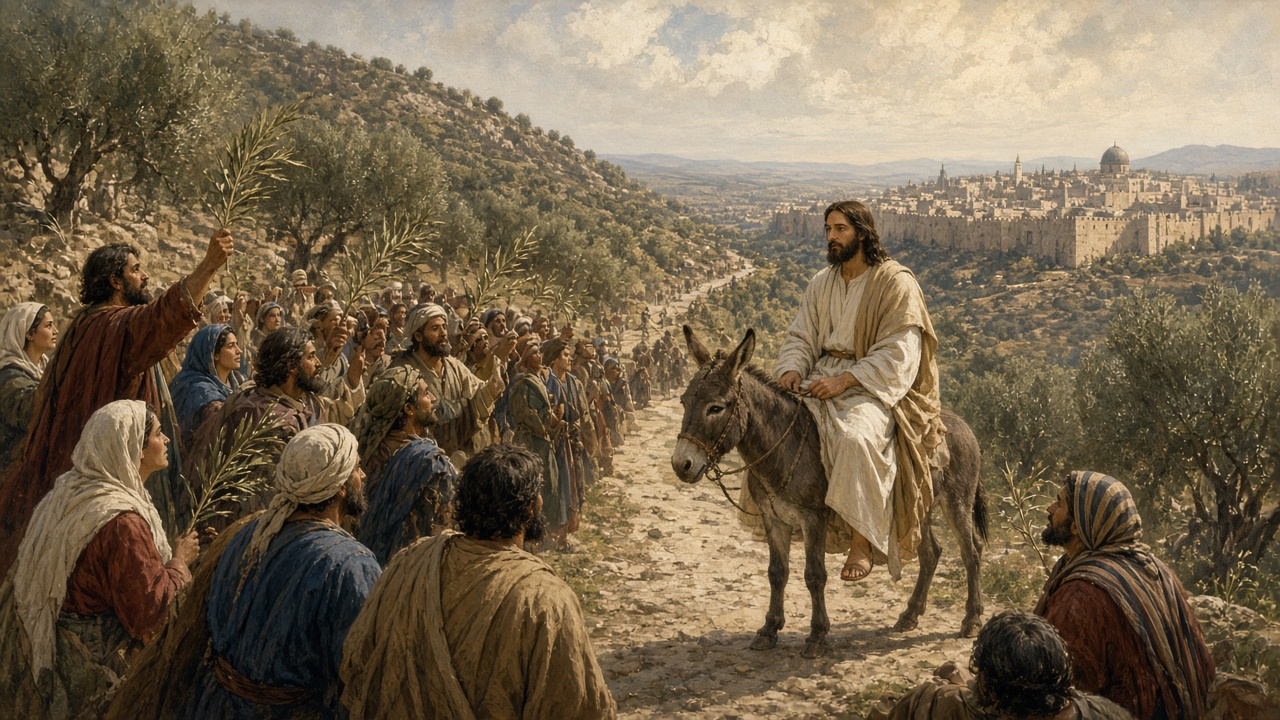
The Anointing at Bethany and the Entry into Jerusalem
- Bethany, where Jesus arrived six days before the Passover, lay about two miles east of Jerusalem on the southeastern slope of the Mount of Olives, along the road to Jericho, and took its name from the palm trees that grew there. It was the home of Lazarus, whom Jesus had raised from the dead after four days in the tomb, and of his sisters Martha and Mary; the chief priests planned to kill Lazarus as well, because on his account many people were believing in Jesus.Sources: the Bible text itself · Bethany · Lazarus
- At a dinner where Martha served and Lazarus reclined at the table, Mary anointed Jesus' feet with about a pint of expensive perfume made of pure nard and wiped them with her hair, so the house was filled with the fragrance. Judas Iscariot, son of Simon, whose surname means a man of Kerioth, asked why it was not sold for three hundred denarii for the poor; he was a thief who, as keeper of the money bag, used to take from what was put into it, and he was going to betray Jesus.Sources: the Bible text itself · Judas Iscariot · Simon
- The next day the great crowd that had come for the feast took palm branches and went out to meet Jesus as he came to Jerusalem, seated on a young donkey, shouting praise to the King of Israel, as it is written of the Daughter of Zion. Zion was the southeastern hill of Jerusalem, where David built a citadel and a palace after taking it, so that it became the city of David. At first his disciples did not understand these things, but after Jesus was glorified they remembered that they had also been written about him.Sources: the Bible text itself · Zion
Notes written with AI assistance from open sources (Theographic Bible Metadata, CC BY-SA 4.0; Easton’s Bible Dictionary, public domain) and reviewed before publishing.
Places in this chapter
- Jerusalem · 31.777, 35.234 · verses 11, 12, 20
- Zion · Today: Jerusalem · 31.777, 35.234 · verse 15
- Galilee · 32.760, 35.527 · verse 21
Only places identified with high confidence are shown (90% or more according to the scholarly sources compiled by OpenBible). Period map: DARE (Digital Atlas of the Roman Empire), CC BY 4.0; modern map: © OpenStreetMap contributors; places: OpenBible.info (CC BY 4.0).
Credits and license for this translation
Wakʉ Itekare: Emenna' Pe Ekonekan Nɨto'
New Testament in Akawaio (GY:ake:Akawaio)
copyright © 2010 Wycliffe Bible Translators, Inc.
Language: Akawaio
Translation by: Wycliffe Bible Translators, Inc.
Akawaio
ake
Guyana
Copyright Information
© 2010, Wycliffe Bible Translators, Inc. All rights reserved.
This translation text is made available to you under the
terms of the Creative Commons License: Attribution-Noncommercial-No Derivative Works.
( http://creativecommons.org/licenses/by-nc-nd/3.0/ )
In addition, you have permission to port the text to different file formats, as long as you
do not change any of the text or punctuation of the Bible.
You may share, copy, distribute, transmit, and extract portions
or quotations from this work, provided that you include the above copyright
information:
You must give Attribution to the work.
You do not sell this work for a profit.
You do not make any derivative works that change any of the actual words or punctuation of the Scriptures.
Permissions beyond the scope of this license may be
available if you contact
us with your request.
The New Testament
in Akawaio
© 2010, Wycliffe Bible Translators, Inc. All rights reserved.
This translation is made available to you under the terms of the
Creative Commons Attribution-Noncommercial-No Derivatives license 4.0.
You may share and redistribute this Bible translation or extracts from it in any format, provided that:
You include the above copyright and source information.
You do not sell this work for a profit.
You do not change any of the words or punctuation of the Scriptures.
Pictures included with Scriptures and other documents on this site are licensed just for use with those Scriptures and documents.
For other uses, please contact the respective copyright owners.
2014-04-21
Source: http://ebible.org/akeNT/ · eBible.org