John 10
Wakʉ Itekare: Emenna' Pe Ekonekan Nɨto' · Tap a verse to see its cross-references.
Karimeru Pa'simanin Mɨrɨ Awonsi'kɨ Itikʉn Non
1“I'napai rɨ ta uya ɨpɨ'nokon; kʉrɨ rɨ mʉra'ta awɨrɨ pʉra tewonsen karimeru amʉ' iwʉ' ta' e'tane tʉron nɨ winɨ tewonsen esi mɨrɨ ama' e', rapumanin nɨ. 2E'tane kʉrɨ rɨ mʉra'ta awɨrɨ tewonsen esi mɨrɨ karimeru amʉ' esa' pe. 3Itena' mʉra'ta tʉrawasomanin uya mʉra'ta a'koka, karimeru amʉ' uya imaimu eta. To' ese' ton yai karimeru amʉ' kɨ'ma iya, mɨrɨpan kon pa'ka iya. 4Tikʉn non karimeru amʉ' pa'kasa' iya a'tai, to' wapiya itɨ, karimeru amʉ' uya nɨrɨ e'ma'pʉka, imaimu i'tu to' uya wenai. 5Ka'kʉran e'ma'pʉka to' uya pʉra iyesi, e'tane to' apʉrʉmʉ ipiyapai, apʉne pʉra ka'kʉran maimu i'tu to' uya pʉra iyesi.” 6Sises uya serɨ panton ekama'pʉ, e'tane to' uya ito'ka'nʉkʉ pʉra iyesi'pʉ ɨ'rɨ ton pɨ' isaurokʉ tukai'.
7Mɨrɨ tʉpo, Sises uya kanan ta'pʉ to' pɨ', “I'napairon ekama uya ɨpɨ'nokon; urɨ esi karimeru amʉ' mʉra'taai pe. 8Tanporo kamoro wapiya iye'sa' kon esi ama' e' ton, rapumanin nan pe nɨrɨ, e'tane karimeru amʉ' uya to' maimu eta pʉra iyesi'pʉ. 9Urɨ esi mʉra'ta pe, urɨ poro ɨnʉ' rɨ ewomʉ a'tai, iyepika'tɨ. Iyewomʉ, mɨrɨ awonsi'kɨ iyepa'ka nɨrɨ ti'kiyari pata'se' epose'na. 10Ama' e' uyepʉ ama'mase'na rɨken, mɨrɨ awonsi'kɨ iwɨse'na, mɨrɨ awonsi'kɨ ima'tanʉ'se'na. Urɨ uye'sa' uko'man nɨto' epoto' pe to' uya, eke pe kuru nɨrɨ to' uya epoto' pe.
11“Urɨ esi wakʉ karimeru amʉ' pa'simanin. Wakʉ karimeru pa'simanin pe te'sen uya tʉuko'manto' nonka karimeru amʉ' iwano' pe. 12E'tane kʉrɨ rɨ te'masen pe iye'to' pe ekama'posa', karimeru amʉ' esa' pen, karimeru amʉ' esi itikʉn non pe pʉra. Ene kaikusi uyepʉ ene iya a'tai, karimeru amʉ' nɨmɨ iya. Iyainʉmʉ, ene kaikusi uya to' a'si, karimeru amʉ' nɨrɨ e'tʉrʉ'kwa. 13Ka'pon ainʉmʉ, apʉne pʉra te'masen pe iye'to' pe ekama'posa' pe tesi ke, aiko tawon pe pʉra iyesi karimeru amʉ' pɨ'.
14“Urɨ esi wakʉ karimeru amʉ' pa'simanin. Uikʉn non karimeru amʉ' i'tu uya; to' uya nɨrɨ ui'tu— 15ukʉipʉnʉ uya ui'tu na'ne' kasa, mɨrɨ kasa ukʉipʉnʉ i'tu uya—mɨrɨ awonsi'kɨ uko'manto' nonka uya karimeru amʉ' iwano' pe. 16Moro tʉron kon karimeru amʉ' esi mɨrɨ, serɨ yau pʉra rɨ marɨ. Kamoro nɨrɨ nepʉ uya. To' uya nɨrɨ umaimu eta, mɨrɨ awonsi'kɨ tikin nɨ iten to' esi, tikin nɨ nɨrɨ to' pa'simanin esi. 17Ukʉipʉnʉ uya ui'nʉnka, apʉne pʉra uko'manto' nonkasa' uya pɨ', anʉnka'to' pe uya kanan. 18Ɨnʉ' rɨ uya imo'ka pʉra iyesi upiyapai, e'tane urɨ pe rɨ inonkasa' uya. Inonkato' meruntɨ esi upiyau, anʉnka'to' uya rɨ kanan. Serɨ uyapiyo'mato' eposa' uya ukʉipʉnʉ winɨ,” ta'pʉ iya.
19Serɨ ton main pɨkɨrɨ, Esuwerʉ amʉ' kanan epantakapɨtʉ'pʉ. 20Tu'kan kon uya, “Makoi esi ipiyau, iya'kwarʉ pʉra iyesi. Ɨ'rɨ pe iyesi pɨ' imaimu eta auya'nokon?” ta'pʉ.
21Tʉron kon uya ta'pʉ, “Makoi esa' maimu ton pen nɨ serɨ. Makoi uya pe' tenku'nan enu a'koka poken nai?” ta'pʉ to' uya.
Esuwerʉ Amʉ' Apurɨnin Nan Pen
22Esuwerʉ amʉ' use'mato', ɨpʉremato' iwʉ' uta'koka'pʉ Weyu Rʉ'pʉ e'seporo'pʉ Surusiran po. Ikomi' pe pata esi weyu pe iyesi'pʉ. 23Sises usarɨ koro'tau Esuwerʉ amʉ' use'mato', ɨpʉremato' iwʉ' pʉ'kʉ tau, Saraman Epa'kato' Iya' tawɨrɨ, 24mɨrɨ a'tai, Esuwerʉ amʉ' uyee'pʉ iwoi. Ta'pʉ to' uya ipɨ', “Ɨ'rɨ pʉ'kʉ pona ina ko'manʉkʉ auya usenuminkan pɨ'? Kʉrai pe ɨwesi a'tai, wakʉ pe ina pɨ' ɨsekamakɨ,” ta'pʉ to' uya.
25Sises uya to' maimu eikʉ'pʉ, “Ayauro'kakaa'pʉ uya 'nokon, e'tane apurɨ auya'nokon pʉra iyesi. Serɨ eke tʉrawaso siku'ai'ne' ukʉipʉnʉ ese' yau usaurokʉ uiwano' pe. 26E'tane apurɨ auya'nokon pʉra iyesi, apʉne pʉra uikʉn non karimeru amʉ' tonpa pe pʉra ɨwesi kon. 27Uikʉn non karimeru amʉ' uya umaimu eta; to' i'tu uya, to' uya nɨrɨ uye'ma'pʉka. 28Tɨwɨrɨ rɨ uko'man nɨto' ike ke to' repa uya, to' uma'tato' oton pen nɨ; ɨnʉ' uya to' mo'kato' oton pen uyemiyatʉ apai. 29Ukʉipʉnʉ urepanin nʉ'pʉ kamoro ke esi eke pe tanporon kon entai rɨ. Ɨnʉ' uya rɨ to' mo'ka pʉra iyesi ukʉipʉnʉ piyapai. 30Ikʉipʉnʉ ya' tikin nɨ ina esi,” ta'pʉ iya.
31Mɨrɨ tʉpo, Esuwerʉ amʉ' uya tɨ' ton amuku'pʉ iwɨto' pe tʉuya'nokon, 32e'tane Sises uya ta'pʉ to' pɨ', “Ikʉipʉnʉ winon tu'kan nɨ eke tʉrawaso enpoika'pʉ uya ɨyena'nokon. Nai wenai kuru tɨ' ke uwɨnɨ i'se ɨwesi kon?” ta'pʉ iya.
33Esuwerʉ amʉ' uya imaimu eikʉ'pʉ, “Serɨ ton wenai tɨ' ke ɨwɨnɨ i'se ina esi pen, e'tane isapema auya wenai. Ka'pon pe rɨ esii'ma Papa pe ɨye'kupʉ,” ta'pʉ to' uya.
34Sises uya to' maimu eikʉ'pʉ, “Iye'menukasa' pʉra pe' nai Main yau, ‘Ta uya ɨpɨ'nokon papa pe'ne ɨwesi kon,’ tawon? 35Papa pe'ne to' esa'sa' iya yau, Papa maimu uyee'pʉ na'ne' ipiya' ton, Papa Maimu i'kwɨtʉ poken pʉra nɨrɨ iyesi. 36Ɨ'rɨ pe ken si kʉrɨ nai, ikʉipʉnʉ nanʉmʉ'pʉ tiwano' pe kuru, mɨrɨpan enno'sa' iya orʉ pona? Ɨ'rɨto' pe ken ɨri pe isapema pe tʉusauro'sen ta auya'nokon, ‘Papa Mumu urɨ,’ ta uya pɨ'? 37Urɨ kʉsapurɨtʉu, ukʉipʉnʉ tʉrawasooi ku'tane uya pʉra rɨ. 38E'tane ikupʉ uya a'tai, uyapurɨ auya'nokon pʉra iye'tane, eke tʉrawaso amʉ' kupʉ uya apurɨtɨ', i'tu kon pa apurɨ kon pa nɨrɨ ukʉipʉnʉ esi uyau, urɨ nɨrɨ esi iyau tukai'.” 39Mɨrɨ wenai kanan a'si i'se to' esi'pʉ, e'tane to' enapai iyemo'ka'pʉ.
40Itɨ'pʉ Isotan ratoi pona, Isaan uya epa'taisiman kupʉ'pʉ pena iwa'ne pata piya'. Mɨrɨ yau, iko'mamʉ'pʉ. 41Tu'kan kon ka'pon amʉ' uyee'pʉ ipiya'. Ta'pʉ to' uya, “Isaan uya i'tuto' ipɨkɨrɨ kupʉ'pʉ pen, e'tane tanporon Isaan usaurokʉ'pʉ pʉse pɨ' esi i'napai rɨ,” ta'pʉ to' uya. 42Tu'kan kon uya Sises maimu apurɨ'pʉ mɨrɨ yau.
Did you know?
The Good Shepherd
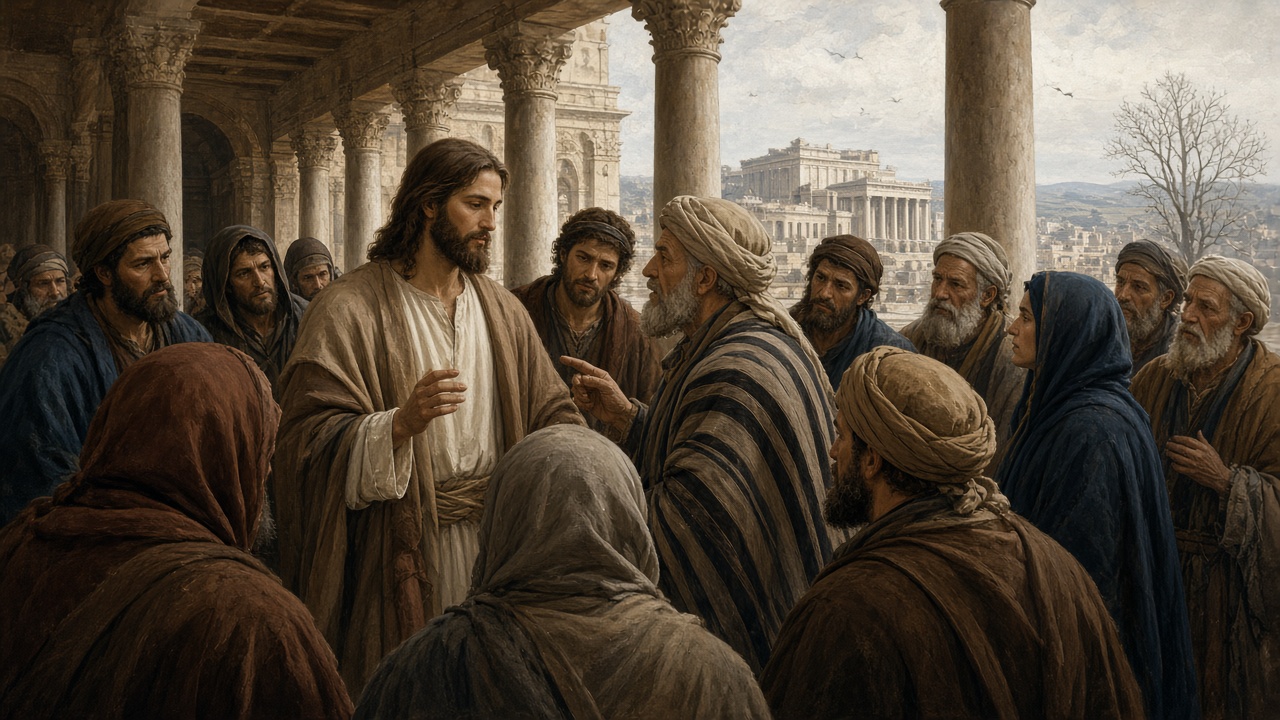
- During the Feast of Dedication in Jerusalem it was winter, and Jesus was walking in the temple courts in Solomon's Colonnade. The name Jerusalem, in a dual form, means "possession of peace" or "foundation of peace"; that form probably refers to the mountains of Zion and Moriah, or, as some suppose, to the upper and lower city. Solomon's Hebrew name, Shelomoh, means "peaceful."Sources: the Bible text itself · Jerusalem · Solomon
- A chronology of Gospel events dates the Good Shepherd teaching to AD 29, and dates a time of teaching and healing from Perea to Jerusalem to AD 30.Sources: The Good Shepherd Teaching · Teaching and Healing in Perea to Jerusalem
- Jesus then went back across the Jordan to the place where John had first been baptizing, and many people there believed in him. John was of priestly descent: his father, Zacharias, was a priest of the course of Abia, and his mother, Elisabeth, was of the daughters of Aaron. His birth, six months before that of Jesus, was foretold by an angel; those who came said that John never performed a sign, yet everything he had said about Jesus was true.Sources: the Bible text itself · John the Baptist
Notes written with AI assistance from open sources (Theographic Bible Metadata, CC BY-SA 4.0; Easton’s Bible Dictionary, public domain) and reviewed before publishing.
Places in this chapter
- Jerusalem · 31.777, 35.234 · verse 22
- Solomon’s Portico · Today: in Jerusalem · 31.777, 35.234 · verse 23
- Jordan · Today: Jordan River · 31.761, 35.558 · verse 40
Only places identified with high confidence are shown (90% or more according to the scholarly sources compiled by OpenBible). Period map: DARE (Digital Atlas of the Roman Empire), CC BY 4.0; modern map: © OpenStreetMap contributors; places: OpenBible.info (CC BY 4.0).
Credits and license for this translation
Wakʉ Itekare: Emenna' Pe Ekonekan Nɨto'
New Testament in Akawaio (GY:ake:Akawaio)
copyright © 2010 Wycliffe Bible Translators, Inc.
Language: Akawaio
Translation by: Wycliffe Bible Translators, Inc.
Akawaio
ake
Guyana
Copyright Information
© 2010, Wycliffe Bible Translators, Inc. All rights reserved.
This translation text is made available to you under the
terms of the Creative Commons License: Attribution-Noncommercial-No Derivative Works.
( http://creativecommons.org/licenses/by-nc-nd/3.0/ )
In addition, you have permission to port the text to different file formats, as long as you
do not change any of the text or punctuation of the Bible.
You may share, copy, distribute, transmit, and extract portions
or quotations from this work, provided that you include the above copyright
information:
You must give Attribution to the work.
You do not sell this work for a profit.
You do not make any derivative works that change any of the actual words or punctuation of the Scriptures.
Permissions beyond the scope of this license may be
available if you contact
us with your request.
The New Testament
in Akawaio
© 2010, Wycliffe Bible Translators, Inc. All rights reserved.
This translation is made available to you under the terms of the
Creative Commons Attribution-Noncommercial-No Derivatives license 4.0.
You may share and redistribute this Bible translation or extracts from it in any format, provided that:
You include the above copyright and source information.
You do not sell this work for a profit.
You do not change any of the words or punctuation of the Scriptures.
Pictures included with Scriptures and other documents on this site are licensed just for use with those Scriptures and documents.
For other uses, please contact the respective copyright owners.
2014-04-21
Source: http://ebible.org/akeNT/ · eBible.org