Galatians 2
Wakʉ Itekare: Emenna' Pe Ekonekan Nɨto' · Tap a verse to see its cross-references.
Paarʉ Anʉmʉ'pʉ Itekare Ekamai' Enno'sa' Kon Uya
114 kaisa rɨ wʉipiya tʉpo, Surusiran pona kanan utɨ'pʉ Panapas pokon pe. Serɨ a'tai, Tai'tas nɨrɨ arɨ'pʉ uya uya'kɨrɨ. 2Isenpoikasa' rʉ'pʉ maimu eikʉ pe utɨ'pʉ itekare ekamai' to' pɨ' mɨrɨ unekamanʉ Esuwerʉ amʉ' pen koro'tau. E'tane serɨ kupʉ'pʉ uya ama'ai, kamoro itepuru pe to' esi tato' ton iwano' pe, apʉne pʉra enari'ke' pe esi pɨ' eka'tumʉ, mɨrɨ pe pʉra eka'tunsa' esi iwotori'pɨ pʉra na'kɨ ko, tukai'. 3E'tane rɨ Tai'tas, uya'kɨrɨ iye'sa' rʉ'pʉ a'kwarʉka'pʉ pen nɨ tʉyun pi'pɨ puturʉkato' pe iya, Kiri' pe rɨ iye'tane. 4Serɨ eseru usenpoika'pʉ, apʉne pʉra ennakanin nan tonpa ton uyee'pʉ ina uya i'tu pʉra ɨ'rɨ kan to' uyee'pʉ tukai', e'tane to' kenʉ' uyee'pʉ ina nʉkupʉnʉ mɨrɨ pe pʉra ina uko'mamʉ eseru ense'na, Kʉrai Sises nʉmo'ka'san pe esii'ma, ina kanan ku'se'na a'sisa' kon pe. 5Mara rʉ'kwɨ rɨ to' weyu ke to' repa'pʉ ina uya pen, mɨrɨ yau i'nairon wakʉ itekare uko'manto' pe ɨpiyau'nokon.
6Kamoro eke pe na'ne' nan—ɨ'rɨ pe rɨ to' esi'pʉ uya tʉron nɨ pe rɨ to' kupʉ pʉra iyesi urɨ pona; Papa uya kɨpo'pon winɨ rɨ eseru wannɨ aimenka pʉra iyesi—kamoro ka'pon amʉ' uya ɨ'rɨ ke rɨ uyekareei ponantɨsa' pʉra iyesi. 7Tʉron nɨ pe, to' uya ene'pʉ urepasa' itekare ekamato' tʉrawasooi ke Esuwerʉ amʉ' pen pana ya', Esuwerʉ amʉ' pɨ' Pi'ta uya itekare ekamato' pe irepa'pʉ itʉrawasooi ke na'ne' kasa. 8Apʉne pʉra Papa, Pi'ta e'tʉrawasomato' yau tʉrawaso pe iye'sa' Esuwerʉ amʉ' pɨ' itekare ekamai' enno'sa' tʉrawasooi yau nɨrɨ e'tʉrawasoma'pʉ, mɨrɨpan nɨ marɨ esi'pʉ utʉrawasooi yau itekare ekamai' enno'sa' pe Esuwerʉ amʉ' pen pana ya'. 9Isens, Pi'ta mɨrɨ awonsi'kɨ Isaan, anʉnsan kon itepuru ton pe uya urɨ mɨrɨ awonsi'kɨ Panapas a'si'pʉ temiyatʉ kon enwo'netʉ ke tʉtonpa kon pe, wakʉ nonkasa' uyena' to'ka'nʉkʉ tʉuya'nokon a'tai. To' uya ewai' ta'pʉ, ina utɨto' pe iyesi a'tai Esuwerʉ amʉ' pen ton piya', mɨrɨ awonsi'kɨ kamoro Esuwerʉ amʉ' piya'. 10To' uya rɨken ekama'po'pʉ miyarɨ rɨ entu'manin nan tʉku'se ina e'to' pe tenu kon yau, serɨ kuru rɨ esi'pʉ ɨnku'pai e'pɨ'to'.
Paarʉ Uya Pi'ta Pɨrɨ'ka'pʉ
11Pi'ta uye'sa' a'tai Antiyo' pona, ipɨrɨ'ka'pʉ uya itenpa tau, apʉne pʉra ipoken pʉra kuru rɨ iye'sa' pɨ'. 12Isens piyapai ka'pon amʉ' uyepʉ wapiya, Esuwerʉ amʉ' pen pokon pe tenta'napɨ'sen pe iyesi'pʉ. E'tane to' uye'sa' a'tai, to' piyapai itama'pʉ mɨrɨ awonsi'kɨ iye'wʉrʉuka'pʉ, apʉne pʉra enari'kena' pe tesi wenai, iputurʉka tawon nan tonpa pe te'san pɨ'. 13Tʉron kon Esuwerʉ amʉ' e'sara'tɨ'pʉ wakʉ pe iye'ku'to' eseru yau, mɨrɨ pɨ', wakʉ pe to' e'ku'to' winɨ Panapas rɨ nɨrɨ utano'ma'pʉ.
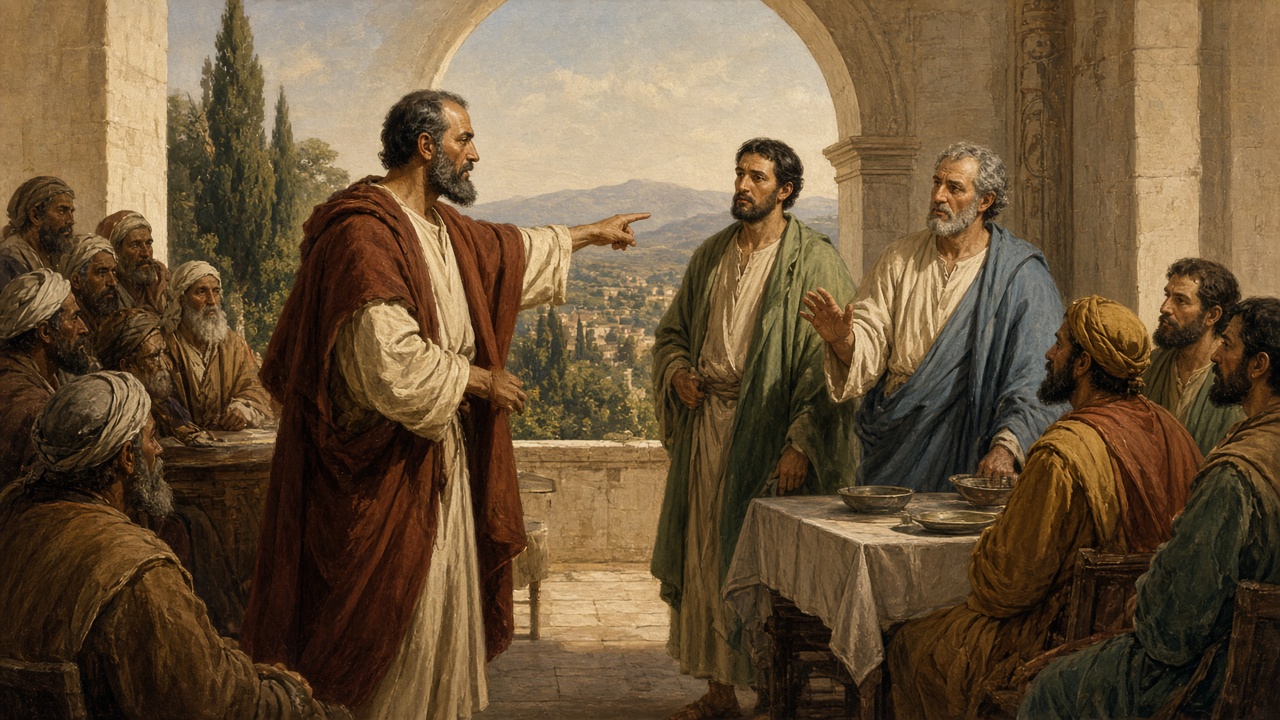
14I'nairon itekare poro pʉra to' esi ensa' uya a'tai, tu'kan kon koro'tau Pi'ta pɨ' ta'pʉ uya, “Esuwerʉ pon pe ɨwesi, e'tane rɨ Esuwerʉ pon pen kasa ɨuko'mamʉ, Esuwerʉ pon kasa pʉra. Ɨ'rɨ kasa ken si Esuwerʉ amʉ' pen a'kwarʉka auya Esuwerʉ amʉ' eseru yau to' utɨto' pe?
15“Urɨ'nokon kamoro tentu'pʉ kon winɨ Esuwerʉ amʉ', ‘Esuwerʉ amʉ' pen tʉmakooikena' nan’ pen. 16E'tane urɨ'nokon uya i'tu Papa uya kamo Sises Kʉrai apurɨto' esanon nɨken anʉmʉ. Mɨrɨ kasa iyesi wenai, urɨ'nokon uya nɨrɨ Kʉrai Sises apurɨto' esi apurɨto' poro wakʉ pe ekonekan nɨto' pe, main awɨrɨ e'nɨ winɨ pen, apʉne pʉra main awɨrɨ te'se ɨnʉ' rɨ ekoneka pʉra iyesi wakʉ pe.
17“Kʉrai yau wakʉ pe ekonekan nɨto' warinpa koro'tau iyesi yau, tʉmakooi ke si usi'tun nɨto' ya' enan, makoi rɨ tʉrawasoma Kʉrai uya, ta iya pe' e'kwa pe iyesi mɨ? Kane ku! 18Unma'tanʉkʉ'pʉ amɨ uya pe kanan iyesi a'tai, main i'kwɨ'nin pe esi tukai' usenpoika. 19Main poro, eri'sa' main pona, uko'manto' pe Papa iwano' pe. 20Urɨ e'pokapɨ'sa' kurusu' pona Kʉrai a'kɨrɨ, mɨrɨ awonsi'kɨ uko'mamʉ pʉra iyesi, e'tane Kʉrai uko'mamʉ uyau. Uko'manto' uko'manyai'ne' ipun yau, Papa Mumu apurɨto' uya yau uko'mamʉ, ui'nʉnkanin nʉ'pʉ mɨrɨ awonsi'kɨ tʉmɨrɨ pe iye'tʉsa' rʉ'pʉ uiwano' pe. 21Wakʉ nonkasa' Papa uya nonka uya pen, Main poro ipoken e'nɨto' eporo pe iyesi yau, Kʉrai uma'ta'pʉ pe iyesi notʉn pe rɨ!”
Did you know?
Gentiles, Fellowship, and a Clash at Antioch
- Titus went with Paul and Barnabas to Jerusalem. Easton's Bible Dictionary (1897) says he appears to have been a Gentile and that his name never appears in Acts. Paul writes that Titus, though a Greek, was not compelled to be circumcised.Sources: Titus · the Bible text itself
- The later clash took place at Antioch in Syria, on the Orontes, some three hundred miles north of Jerusalem. The city ranked third among the cities of the Roman Empire, after Rome and Alexandria, and it was there that believers were first called Christians.Sources: Antioch (Syria) · the Bible text itself
- Easton's Bible Dictionary (1897) describes James, named with Cephas and John as one of the pillars, as head of the church at Jerusalem, where he presided at the council on the Gentiles. Paul says that before certain men came from James, Cephas used to eat with the Gentiles, but then drew back for fear of the circumcision group.Sources: James (Brother of Jesus) · the Bible text itself
Notes written with AI assistance from open sources (Theographic Bible Metadata, CC BY-SA 4.0; Easton’s Bible Dictionary, public domain) and reviewed before publishing.
Places in this chapter
- Jerusalem · 31.777, 35.234 · verse 1
- Antioch · Today: Antioch on the Orontes · 36.227, 36.172 · verse 11
Only places identified with high confidence are shown (90% or more according to the scholarly sources compiled by OpenBible). Period map: DARE (Digital Atlas of the Roman Empire), CC BY 4.0; modern map: © OpenStreetMap contributors; places: OpenBible.info (CC BY 4.0).
Credits and license for this translation
Wakʉ Itekare: Emenna' Pe Ekonekan Nɨto'
New Testament in Akawaio (GY:ake:Akawaio)
copyright © 2010 Wycliffe Bible Translators, Inc.
Language: Akawaio
Translation by: Wycliffe Bible Translators, Inc.
Akawaio
ake
Guyana
Copyright Information
© 2010, Wycliffe Bible Translators, Inc. All rights reserved.
This translation text is made available to you under the
terms of the Creative Commons License: Attribution-Noncommercial-No Derivative Works.
( http://creativecommons.org/licenses/by-nc-nd/3.0/ )
In addition, you have permission to port the text to different file formats, as long as you
do not change any of the text or punctuation of the Bible.
You may share, copy, distribute, transmit, and extract portions
or quotations from this work, provided that you include the above copyright
information:
You must give Attribution to the work.
You do not sell this work for a profit.
You do not make any derivative works that change any of the actual words or punctuation of the Scriptures.
Permissions beyond the scope of this license may be
available if you contact
us with your request.
The New Testament
in Akawaio
© 2010, Wycliffe Bible Translators, Inc. All rights reserved.
This translation is made available to you under the terms of the
Creative Commons Attribution-Noncommercial-No Derivatives license 4.0.
You may share and redistribute this Bible translation or extracts from it in any format, provided that:
You include the above copyright and source information.
You do not sell this work for a profit.
You do not change any of the words or punctuation of the Scriptures.
Pictures included with Scriptures and other documents on this site are licensed just for use with those Scriptures and documents.
For other uses, please contact the respective copyright owners.
2014-04-21
Source: http://ebible.org/akeNT/ · eBible.org