Acts 16
Wakʉ Itekare: Emenna' Pe Ekonekan Nɨto' · Tap a verse to see its cross-references.
Temu'ti Ena'pʉ To' Tonpa Pe
1Paarʉ mɨrɨ awonsi'kɨ Sairas pokon utɨ'pʉ Siri'siya itese' pata ponsi'kɨ Terʉpi pona, mɨrɨpan kon utɨ'pʉ Restʉra pona Sises apurɨnin Temu'ti itese' pata'se' ya'. Isan esi'pʉ Esuwerʉ amʉ' tonpa pe, Sises apurɨnin, e'tane ikʉipʉnʉ esi'pʉ Kiri' pe. 2Itekare apurɨnin nan, Restʉra mɨrɨ awonsi'kɨ Ai'koniyan pon kon uya, “Wakʉ kʉrɨ rɨ Temu'ti,” ta'pʉ. 3Ta'kɨrɨ tʉron nɨ pata ya'ne Temu'ti mɨrɨ awonsi'kɨ Sairas anapai Paarʉ esi'pʉ, mɨrɨpan uya Temu'ti yun pi'pɨ puturʉka'pʉ. Mɨrɨ kupʉ'pʉ iya, Temu'ti uya ekamʉra mɨrɨ pata yau te'san Esuwerʉ amʉ' e'kupʉ emapu'tɨ namai', apʉne pʉra Esuwerʉ pe pʉra ikʉipʉnʉ esi uya iku'sa' pe pʉra to' uya i'tu'pʉ. 4Mɨrɨ yau, pata kaisa rɨ to' usarɨ'pʉ. Surusiran pon kon enno'sa' kon mɨrɨ awonsi'kɨ so'si epuru ton nʉkoneka'pʉ main Esuwerʉ amʉ' pen napurɨ ton pe iku'sa' ekama pɨ' to' esi'pʉ pata kaisa rɨ. 5Mɨrɨ pɨ', Sises apurɨnin nan umeruntɨta'pʉ apurɨto' tʉuya'nokon yau, mɨrɨpan kon epirikʉ'pʉ tu'ke rɨ wʉi kaisa rɨ.
Paarʉ Enu Uta'kwakasa' Uya Ma'sitoniya Pon Ene'pʉ
6Paarʉ mɨrɨ awonsi'kɨ itonpa ton utɨ'pʉ Pʉrekiya nono poro mɨrɨ awonsi'kɨ Kare'siya itese' pata epose'na, apʉne pʉra Wakʉ A'kwarʉ esi'pʉ Sises ekareei ekama to' uya i'se pʉra Eisa po. 7Paarʉ mɨrɨ awonsi'kɨ iya'kɨrɨ te'san uya Maisa itese' pata eposa' a'tai, Pi'tiniya itese' pata ya' itɨpai to' esi'pʉ, e'tane Sises A'kwarʉ esi'pʉ mɨrɨ ya' to' utɨ i'se pʉra. 8Mɨrɨ pe iyesi pɨ', to' utɨ'pʉ to'sarɨ rɨ Maisa poro, mɨrɨpan kon epa'ka'pʉ Tʉrowas pona. 9Ewarupɨ nau, Papa uya ka'pon Ma'sitoniya pon ento' pe Paarʉ enu a'kwaka'pʉ. Ka'pon e'mʉ'sa'kasa' ene'pʉ iya ata'kwarʉkase'na, “Ma'sitoniya pona ina ipika'tɨtanʉ'kɨ,” ta'pʉ iya. 10Paarʉ enu uta'kwaka'pʉ tʉpo, inke pʉra rɨ Ma'sitoniya pona tʉutɨto' kon pe ina e'kama'pʉ, apʉne pʉra ina uya i'tu'pʉ Papa esi mɨrɨ yau ina uya itekare ekama i'se tukai'.
Retiya Ena'pʉ Sises Apurɨnin Pe
11Ina ekanwa'tɨ'pʉ kanau ya' Tʉrowas po, mɨrɨpan parau nɨ'kwɨrɨ'nʉkʉ'pʉ ina uya opa'wʉ Samo'tʉres itese' pona. Iyema'sa' yau, ina utɨ'pʉ Niya'pores itese' pata pona kanau yau. 12Mɨrɨ tʉpo, ina utɨ'pʉ makʉi' Piri'pai itese' pata pona, Roman amʉ' neporo'pʉ. Eke pe kuru serɨ pata esi'pʉ Ma'sitoniya po. Inke rʉ'kwɨ rɨ wʉi ina uko'manpɨtʉ'pʉ Piri'pai yau.
13Ina utɨ'pʉ pata apai tuna tʉu'tɨsen e'pi pona Sapa' a'tai, Esuwerʉ amʉ' ɨpʉremato' pata'se' eporo i'se ina esi'pʉ. Ina ereutapɨtʉ'pʉ, mɨrɨpan usauro'nɨ pɨ' ina e'sara'tɨ'pʉ mɨrɨ yau, iyamʉrasa' kon uri'sami'si amʉ' pokon pe. 14Mɨrɨ yau, tikin nan to' tonpa ina maimu eta pɨ' te'sen esi'pʉ, Retiya itese', Taya'tira itese' pata winon, tʉtariren pon atʉ kʉrʉpo'poma pɨ' te'sen. Retiya esi'pʉ Esuwerʉ amʉ' tonpa pen nɨ, e'tane rɨ Papa pɨ' tʉwɨpʉremasen pe iyesi'pʉ. Paarʉ nekamanʉ Sises ekareei apurɨto' pe iya Itepuru uya itewan a'koka'pʉ. 15Retiya mɨrɨ awonsi'kɨ itiwʉ' tau te'san pa'taisima ina uya tʉpo, tiwʉ' ta' ina kɨ'ma'pʉ iya. “Itepuru Sises apurɨnin pe esi tukai' i'tu auya'nokon pɨ' si, uiwʉ' ta' ɨsi'tɨ',” ta'pʉ iya. Ina utɨto' pe tiwʉ' ta' ina kuu'pʉ iya.
Paarʉ, Sairas A'si'pʉ To' Uya Pariki'si Ta'
16Tʉron nɨ a'tai, Esuwerʉ amʉ' ɨpʉremato' ya' ina utɨ a'tai, to' poitorʉ pe te'sen uri'san eporo'pʉ ina uya, makoi a'kwarʉ yen pe iyesi'pʉ, mɨrɨpan esi'pʉ pena rɨ te'ku'ton i'tunin pe. Itesa' pe te'san uya eke pe pʉrata eporo esi'pʉ, apʉne pʉra ka'pon amʉ' uya e'ma'pʉ to' ena' te'ku'sen ekamato' pe iya. 17Pʉse rɨ uri'san uya Paarʉ mɨrɨ awonsi'kɨ itonpa ton e'ma'pʉkapɨtʉ'pʉ inke ɨkɨ'pɨ'nʉnpɨtʉi'ma, “Pʉsamoro ka'pon amʉ' esi Eke Papa poitorʉ ton pe, mɨrɨpan kon uya epika'tɨn nɨto' eseru ekama!” ta'pʉ iya. 18Inke rɨ mɨrɨ ta pɨ' iyesi'pʉ Paarʉ tanpokʉmai', mɨrɨpan era'tɨ'pʉ makoi a'kwarʉ yen winɨkʉi', mɨrɨpan uya, “Sises Kʉrai ese' yau ayauro'ka uya, pʉse uri'san apai epa'ka'!” ta'pʉ. Mɨrɨ a'tai rɨ, makoi a'kwarʉ epa'ka'pʉ iyapai.
19Itesanon uya serɨ enta' tʉpʉrataai kon epoto' iya oton pen tukai' i'tusa' a'tai, Paarʉ mɨrɨ awonsi'kɨ Sairas a'si'pʉ to' uya. To' pi'sikʉ'pʉ to' uya kʉrʉpo'po pɨ' e'nɨto' pata'se' ya' eke ton pata esanon piya'. 20Roman amʉ' epuru ton piya' to' arɨ'pʉ to' uya, mɨrɨpan kon uya, “Esuwerʉ amʉ' pʉsamoro, e'tane upata'se' kon yawon kon ka'pon amʉ' anpokʉma to' uya. 21Utonpa kon amʉ' enupa to' uya urɨ'nokon Roman amʉ' nʉkupʉnʉ pen nɨ ku'to' pe to' uya,” ta'pʉ to' uya.
22Mɨrɨ yau, anpisin ton ka'pon amʉ' e'sara'tɨ'pʉ to' tonpa pe Paarʉ mɨrɨ awonsi'kɨ Sairas ewa'noma pɨ', mɨrɨpan itepuru ton uya soisa amʉ' apiyontɨ'pʉ to' pon kara'pɨ'to' pe to' uya, mɨrɨ awonsi'kɨ to' ari'po'pɨ'to' pe to' uya. 23Ɨsɨ pe to' ari'po'pɨtʉ tʉpo, Paarʉ mɨrɨ awonsi'kɨ Sairas a'si'pʉ to' uya pariki'si ta'. Itepuru ton uya to' a'sinin auro'ka'pʉ, wakʉ pe to' erasuntɨto' pe iya. 24Main etasa' tʉuya a'tai, i'na' kuru to' ennin uya to' ewonnʉkʉ'pʉ, mɨrɨpan uya yʉi akʉ'pɨ'sa' yai'ne to' pʉrakon amʉ' enpa'kapɨtʉ'pʉ, ti'si kon amʉ' amapɨtʉ to' uya namai'.
25Anomʉra' a'tai, Paarʉ mɨrɨ awonsi'kɨ Sairas esi'pʉ eke pe ɨpʉreman pɨ'. To' userenka'pʉ Papa apurɨpɨtʉ'pʉ to' uya, tʉron kon a'sisa' kon esi'pʉ to' etapɨtʉ pɨ'. 26Mɨrɨ koro'tau, pana' pe tʉrʉ'pʉnʉ esi'pʉ, pariki'si usi'ki'ma'pʉ mɨrɨ, iyapon nɨ usi'ki'ma'pʉ. Inke pʉra rɨ, pariki'si mʉra'ta amʉ' uta'kokapɨtʉ'pʉ, mɨrɨ awonsi'kɨ a'sisa' kon auronpɨ'to' ike i'sen amʉ' emo'kapɨtʉ'pʉ. 27Mɨrɨ a'tai, a'sisa' kon esa' upaka'pʉ, mɨrɨpan mʉra'ta amʉ' uta'kokapɨ'sa' tense, tʉsuparaai mo'ka'pʉ tʉutapurukato' pe ike, apʉne pʉra a'sisa' kon utɨpɨtʉ'pʉ tukai' tʉusenuminka ke. 28“Ɨiwano' pe rɨ, katapurukai, tanporo rɨ serɨ yau ina man!” tukai' nin si Paarʉ ukɨ'pɨ'nʉnpɨtʉ'pʉ mɨrɨ.
29Tʉweyu nin si i'se a'sinin ukɨ'pɨ'nʉnpɨtʉ'pʉ mɨrɨ, mɨrɨpan ewomʉ'pʉ Paarʉ mɨrɨ awonsi'kɨ Sairas pokon rakʉi' iye'sekunka'pʉ e'tɨtɨtɨ'kai'ma. 30To' enpa'ka'pʉ iya pariki'si tapai, mɨrɨpan kon pɨ', “Ɨ'rɨ kuru tʉku'se epika'tɨto' pe iyesi?” ta'pʉ iya to' pɨ'.
31Mɨrɨpan kon uya, “Itepuru Sises apurɨkɨ ɨyepika'tɨ pa, ɨmɨrɨ mɨrɨ awonsi'kɨ ɨiwʉ' tau te'san,” ta'pʉ to' uya ipɨ'. 32Mɨrɨ yau, Paarʉ mɨrɨ awonsi'kɨ Sairas uya Itepuru Sises ekareei ekama'pʉ a'sinin mɨrɨ awonsi'kɨ itiwʉ' tawon kon pɨ'. 33Mɨrɨ a'tai rɨ, a'sinin uya to' arɨ'pʉ to' ari'po'pɨtʉ'pʉ pata'pʉ korʉkase'na. Inke pʉra rɨ mɨrɨ tʉpo, Paarʉ mɨrɨ awonsi'kɨ Sairas uya kʉrɨ rɨ mɨrɨ awonsi'kɨ itiwʉ' tawon kon pa'taisima'pʉ. 34Mɨrɨ yau Paarʉ mɨrɨ awonsi'kɨ Sairas arɨ'pʉ a'sinin uya tiwʉ' ta' to' a're'tɨi'. Papa apurɨ tʉuya pɨ' nin si ipan pe pori' pe iyesi'pʉ mɨrɨ, mɨrɨ awonsi'kɨ itonpa ton nɨ nɨrɨ.
35Mɨrɨ ema'sa' yau, itepuru ton uya pʉresiman amʉ' ennoko'pʉ a'sinin piya'. “Tɨwɨ kamoro ka'pon amʉ' nʉtɨi,” tawon main esa' pe.
36Mɨrɨpan uya Paarʉ mɨrɨ awonsi'kɨ Sairas pɨ', “Itepuru amʉ' uya uyapiyontɨsa' man ɨyenno'to' kon pe uya, mɨrɨpan yau entantɨ' rɨ si, tʉusewankamai' pʉra,” ta'pʉ iya.
37E'tane Paarʉ uya pʉresiman amʉ' maimu eikʉ'pʉ, “Ɨri ku'sa' ina uya pʉra rɨ iye'tane, soisa amʉ' uya anpisin koro'tau ina ari'po'pɨ'to' pe to' uya, to' auro'ka'pʉ! Roman amʉ' ina e'tane pariki'si ta' ina a'si'pʉ to' uya, mɨrɨpan kon esi ama'ai ina ennoko i'se. Kane! Tɨwɨ Roman amʉ' epuru ton nʉyepʉi ina enpa'kai',” ta'pʉ iya.
38Mɨrɨ yau, pʉresiman amʉ' epuru ton enna'po'pʉ Paarʉ maimu rʉ'pʉ ekamai' Roman amʉ' epuru ton pɨ'. Roman amʉ' ina, tasa' Paarʉ mɨrɨ awonsi'kɨ Sairas uya etasa' tʉuya'nokon a'tai, to' usenari'pa'pʉ. 39Mɨrɨpan kon utɨ'pʉ to' pɨ' ɨri pe rɨ ina e'sa' man tase'na. Paarʉ mɨrɨ awonsi'kɨ Sairas enpa'ka'pʉ to' uya pariki'si tapai, mɨrɨpan kon pɨ', “Entantɨ',” ta'pʉ to' uya. 40Pariki'si tapai tepa'ka kon tʉpo, Paarʉ mɨrɨ awonsi'kɨ Sairas pokon utɨ'pʉ Retiya iwʉ' ta', mɨrɨpan kon e'seporo'pʉ tʉtonpa kon amʉ' pokon pe. To' auro'ka tʉpo to' pori'ma pe, Paarʉ mɨrɨ awonsi'kɨ Sairas utɨ'pʉ Piri'pai apai.
Did you know?
From Lystra to Philippi
- At Lystra, Paul met Timothy, a disciple of whom the brothers in Lystra and Iconium spoke well, the son of a believing Jewish woman and a Greek father. Wanting him as a companion, Paul had him circumcised on account of the Jews there, who knew that his father was Greek. Easton's Bible Dictionary (1897) says Timothy probably lived in Lystra and seems to have been converted during Paul's earlier visit.Sources: the Bible text itself · Timotheus
- After being kept from speaking in the province of Asia, Paul and his companions traveled through Phrygia and Galatia. At the border of Mysia they were not permitted to enter Bithynia, so they went down to Troas, Mysia's chief port on the northwest coast of Asia Minor, a city named for ancient Troy about four miles to the north. There a night vision of a man of Macedonia pleading for help led them to sail to that Roman province north of Greece.Sources: the Bible text itself · Mysia · Troas · Macedonia
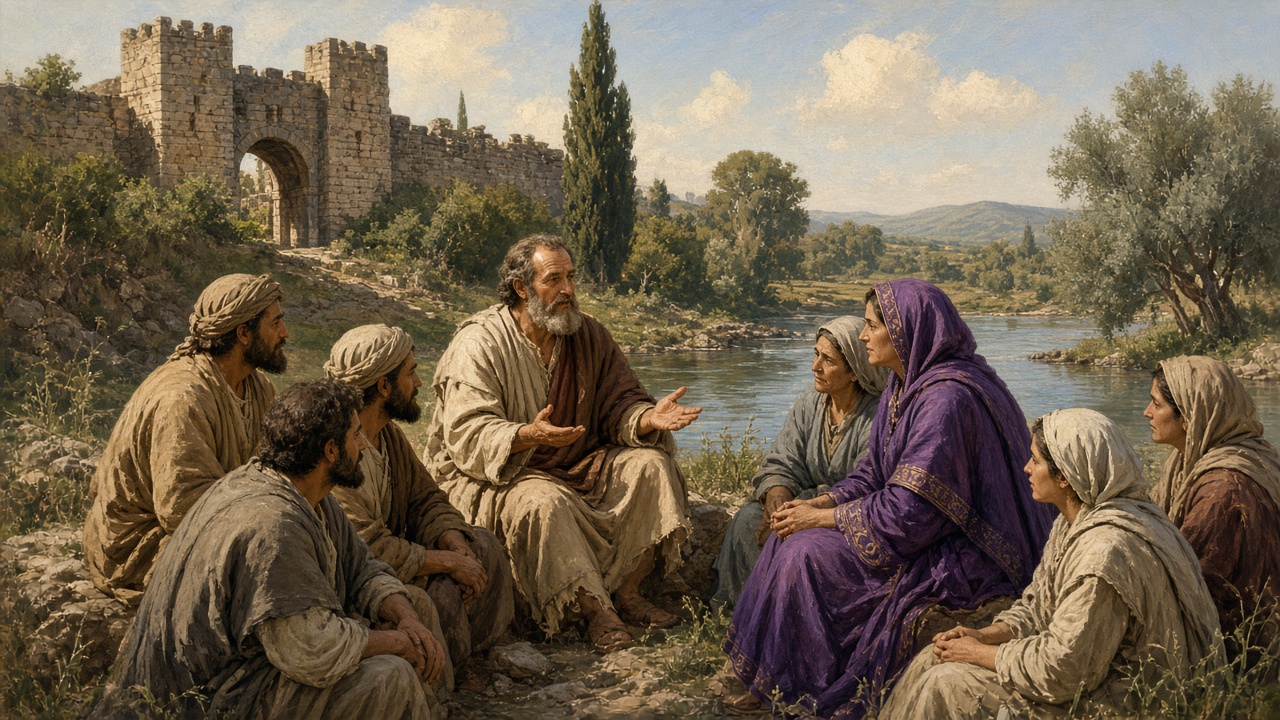
- In the Roman colony of Philippi, Paul and his companions found a customary place of prayer by the river outside the city gate, where women had gathered. Among them was Lydia, a dealer in purple cloth from Thyatira and a worshiper of God; after she and her household were baptized, she persuaded the travelers to stay at her house. Easton's Bible Dictionary (1897) describes her as a proselyte of considerable wealth and as the first person in Europe to embrace Christianity.Sources: the Bible text itself · Lydia
Notes written with AI assistance from open sources (Theographic Bible Metadata, CC BY-SA 4.0; Easton’s Bible Dictionary, public domain) and reviewed before publishing.
Places in this chapter
- Lystra · Today: Tel Lystra · 37.602, 32.338 · verses 1, 2
- Iconium · Today: Konya · 37.872, 32.492 · verse 2
- Jerusalem · 31.777, 35.234 · verse 4
- Asia · 38.400, 28.300 · verse 6
- Galatia · 39.267, 32.983 · verse 6
- Phrygia · 39.000, 31.000 · verse 6
- Bithynia · 40.500, 31.000 · verse 7
- Mysia · 40.000, 28.500 · verses 7, 8
- Troas · Today: Alexandria Troas · 39.752, 26.159 · verses 8, 11
- Greece · 37.972, 23.727 · verse 9
- Macedonia · 41.600, 22.540 · verses 9, 10, 12
- Neapolis · Today: Kavala · 40.935, 24.415 · verse 11
- Samothrace · Today: Samothraki · 40.450, 25.583 · verse 11
- Philippi · 41.012, 24.285 · verse 12
- Thyatira · Today: Akhisar · 38.920, 27.837 · verse 14
Only places identified with high confidence are shown (90% or more according to the scholarly sources compiled by OpenBible). Period map: DARE (Digital Atlas of the Roman Empire), CC BY 4.0; modern map: © OpenStreetMap contributors; places: OpenBible.info (CC BY 4.0).
Credits and license for this translation
Wakʉ Itekare: Emenna' Pe Ekonekan Nɨto'
New Testament in Akawaio (GY:ake:Akawaio)
copyright © 2010 Wycliffe Bible Translators, Inc.
Language: Akawaio
Translation by: Wycliffe Bible Translators, Inc.
Akawaio
ake
Guyana
Copyright Information
© 2010, Wycliffe Bible Translators, Inc. All rights reserved.
This translation text is made available to you under the
terms of the Creative Commons License: Attribution-Noncommercial-No Derivative Works.
( http://creativecommons.org/licenses/by-nc-nd/3.0/ )
In addition, you have permission to port the text to different file formats, as long as you
do not change any of the text or punctuation of the Bible.
You may share, copy, distribute, transmit, and extract portions
or quotations from this work, provided that you include the above copyright
information:
You must give Attribution to the work.
You do not sell this work for a profit.
You do not make any derivative works that change any of the actual words or punctuation of the Scriptures.
Permissions beyond the scope of this license may be
available if you contact
us with your request.
The New Testament
in Akawaio
© 2010, Wycliffe Bible Translators, Inc. All rights reserved.
This translation is made available to you under the terms of the
Creative Commons Attribution-Noncommercial-No Derivatives license 4.0.
You may share and redistribute this Bible translation or extracts from it in any format, provided that:
You include the above copyright and source information.
You do not sell this work for a profit.
You do not change any of the words or punctuation of the Scriptures.
Pictures included with Scriptures and other documents on this site are licensed just for use with those Scriptures and documents.
For other uses, please contact the respective copyright owners.
2014-04-21
Source: http://ebible.org/akeNT/ · eBible.org