Psalms 125
ܕܝܬܩܐ ܚܕܬܐ ܕܡܪܢ ܝܫܘܥ ܡܫܝܚܐ ܘܡܙܡܘܪ̈ܐ ܒܠܫܢܐ ܐܬܘܪܝܐ · Tap a verse to see its cross-references.
ܙܡܪܬܐ ܕܐܣܩܬܐ.
1ܐܵܢܝܼ ܕܣܵܒܪܝܼ ܒܡܵܪܝܵܐ،
ܐܲܝܟ݂ ܛܘܼܪܵܐ ܕܨܸܗܝܘܿܢ ܝܼܢܵܐ ܕܠܹܐ ܫܵܥܹܫ، ܐܸܠܵܐ ܠܥܵܠܲܡ ܟܹܐ ܡܩܲܘܹܐ.
2ܐܲܝܟ݂ ܕܝܼܢܵܐ ܛܘܼܪ̈ܵܢܹܐ ܚܵܕܸܪ̈ܘܵܢܹܐ ܕܐܘܿܪܸܫܠܸܡ،
ܗܵܕܟ݂ܵܐ ܡܵܪܝܵܐ ܠܚܵܕܸܪ̈ܘܵܢܹܐ ܕܥܲܡܹܗ ܝܠܹܗ،
ܡ̣ܢ ܐܵܕܝܼܵܐ ܘܗܲܠܔ ܥܵܠܲܡ.
3ܣܵܒܵܒ ܠܹܐ ܫܵܪܹܐ ܚܘܼܛܪܵܐ ܕܪܲܫܝܼܥܵܐ ܥܲܠܔ ܝܵܪܬܘܼܬܵܐ ܕܙܲܕܝܼܩܹ̈ܐ،
ܩܵܐ ܕܠܵܐ ܦܲܫܛܝܼ ܙܲܕܝܼܩܹ̈ܐ ܐܝܼܕܵܬܵܝ̈ܗܝ ܠܥܵܘܠܵܐ.
4ܥܒ݂ܘܿܕ ܛܵܒ݂ܬܵܐ، ܝܵܐ ܡܵܪܝܵܐ، ܠܛܵܒܹ̈ܐ،
ܘܠܬܪ̈ܘܼܨܹܐ ܒܠܸܒܵܘܵܬܵܝ̈ܗܝ.
5ܐܝܼܢܵܐ ܐܵܢܝܼ ܕܩܵܠܒܝܼ ܠܐܘܼܪ̈ܚܵܬܵܝܗܝ ܦܟ̰ܝܼܠܹ̈ܐ،
ܒܸܬ ܠܲܒܸܠܔ ܠܗܘܿܢ ܡܵܪܝܵܐ ܥܲܡ ܦܵܠܚܵܢܹ̈ܐ ܕܥܵܘܠܵܐ،
ܫܠܵܡܵܐ ܥܲܠܔ ܐܝܼܣܪܵܐܹܝܠܔ.
Did you know?
Unshakable Security in Jerusalem
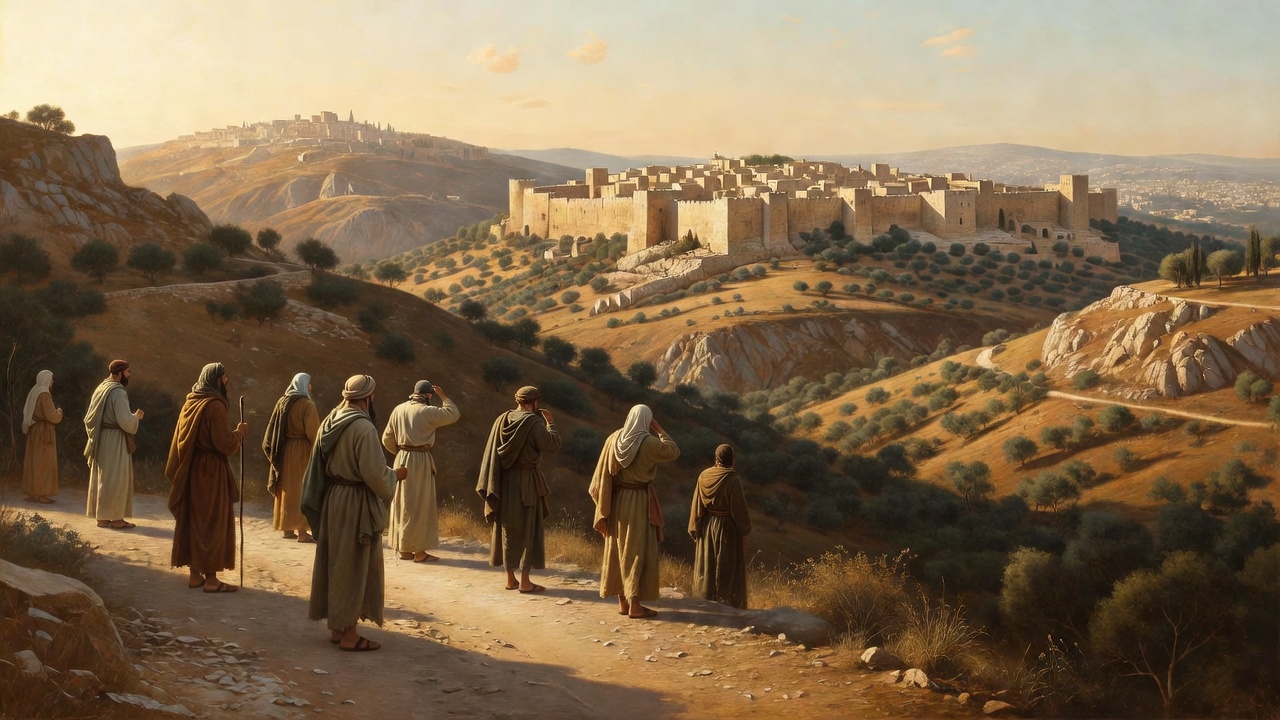
- Psalm 125 is one of the Songs of Ascents, comparing those who trust in God to Mount Zion. Mount Zion was a naturally fortified hill in Jerusalem, surrounded by deep valleys on nearly all sides, making it a fitting symbol of permanence and stability.Sources: the Bible text itself · Mount Zion
- The psalmist draws on local geography by noting how mountains encircle Jerusalem. Built as a mountain fortress among neighboring heights, the city provided an evocative physical illustration of divine protection surrounding the community.Sources: the Bible text itself · Jerusalem
- The psalm concludes with a prayer for peace upon Israel, which resonates with the traditional interpretation of Jerusalem's Hebrew name as a foundation or possession of peace.Sources: the Bible text itself · Jerusalem
Notes written with AI assistance from open sources (Theographic Bible Metadata, CC BY-SA 4.0; Easton’s Bible Dictionary, public domain) and reviewed before publishing.
Places in this chapter
Only places identified with high confidence are shown (90% or more according to the scholarly sources compiled by OpenBible). Period map: DARE (Digital Atlas of the Roman Empire), CC BY 4.0; modern map: © OpenStreetMap contributors; places: OpenBible.info (CC BY 4.0).
Credits and license for this translation
ܕܝܬܩܐ ܚܕܬܐ ܕܡܪܢ ܝܫܘܥ ܡܫܝܚܐ ܘܡܙܡܘܪ̈ܐ ܒܠܫܢܐ ܐܬܘܪܝܐ
New Testament and Psalms in Assyrian
copyright © 2014 Aramaic Bible Translation, Inc.
Language: ܐܵܬ݂ܘܼܪܵܝܲܐ ܠܸܫܵܢܵܐ (Assyrian Neo-Aramaic)
Translation by: Aramaic Bible Translation, Inc.
Copyright Information
© 2014, Aramaic Bible Translation, Inc. All rights reserved.
This translation text is made available to you under the
terms of the Creative Commons License: Attribution-Noncommercial-No Derivative Works.
( http://creativecommons.org/licenses/by-nc-nd/3.0/ )
In addition, you have permission to port the text to different file formats, as long as you
do not change any of the text or punctuation of the Bible.
You may share, copy, distribute, transmit, and extract portions
or quotations from this work, provided that you include the above copyright
information:
You must give Attribution to the work.
You do not sell this work for a profit.
You do not make any derivative works that change any of the actual words or punctuation of the Scriptures.
Permissions beyond the scope of this license may be
available if you contact
us with your request.
The New Testament and Pslams
in Assyrian
© 2014, Aramaic Bible Translation, Inc. All rights reserved.
This translation is made available to you under the terms of the
Creative Commons Attribution-Noncommercial-No Derivatives license 4.0.
You may share and redistribute this Bible translation or extracts from it in any format, provided that:
You include the above copyright and source information.
You do not sell this work for a profit.
You do not change any of the words or punctuation of the Scriptures.
Pictures included with Scriptures and other documents on this site are licensed just for use with those Scriptures and documents.
For other uses, please contact the respective copyright owners.
2014-08-06
Source: http://ebible.org/aii/ · eBible.org