Luke 16
ܕܝܬܩܐ ܚܕܬܐ ܕܡܪܢ ܝܫܘܥ ܡܫܝܚܐ ܘܡܙܡܘܪ̈ܐ ܒܠܫܢܐ ܐܬܘܪܝܐ · Tap a verse to see its cross-references.
ܡܬܠܐ ܕܪܒ ܒܝܬܐ ܥܘܠܐ
1ܐܡܝܼܪܹܗ ܝܼܫܘܿܥ ܠܬܲܠܡܝܼܕܘܼ̈ܗܝ: ”ܐܝܼܬ ܗܘܵܐ ܚܲܕ ܐܢܵܫܵܐ ܥܲܬܝܼܪܵܐ، ܘܐܝܼܬ ܗܘܵܐ ܠܹܗ ܪܲܒ ܒܲܝܬܵܐ، ܗ̇ܘ ܕܩܒ݂ܝܼܠܔ ܠܗܘܿܢ ܥܲܠܘܼܗܝ ܕܒܲܪܒܘܼܙܹܐ ܝܗܘܵܐ ܡܸܢܕܝܼ ܕܡܵܪܹܗ. 2”ܩܪܹܐ ܠܹܗ ܡܵܪܹܗ ܘܐܡܝܼܪܹܗ ܐܸܠܹܗ: ’ܡܘܼܕܝܼ ܝܠܹܗ ܐܵܗܵܐ ܕܒܸܫܡܵܥܵܐ ܝܘܸܢ ܒܘܼܬ ܕܝܼܘܼܟ݂؟ ܗܲܒ݂ܠܔ ܠܝܼ ܚܸܫܒܘܼܢܵܐ ܕܦܘܼܠܚܵܢܘܼܟ݂، ܣܵܒܵܒ ܡ̣ܢ ܐܵܕܝܼܵܐ ܠܹܐ ܡܵܨܹܝܬ ܗܵܘܹܝܬ ܐܸܠܝܼ ܪܲܒ ܒܲܝܬܵܐ.‘ 3”ܐܡܝܼܪܹܗ ܪܲܒ ܒܲܝܬܵܐ ܒܓܵܢܹܗ: ’ܡܘܼܕܝܼ ܥܵܒ݂ܕܹܢ؟ ܡܵܪܝܼ ܒܸܫܩܵܠܘܼܗ̇ ܝܠܹܗ ܪܲܒ ܒܲܝܬܘܼܬܵܐ ܡܸܢܝܼ. ܚܦܵܪܵܐ ܠܹܐ ܡܵܨܹܝܢ ܚܵܦܪܹܢ، ܘܠܸܓܒ݂ܵܝܵܐ ܒܸܢܟ݂ܵܦܵܐ ܝܘܸܢ. 4”’ܝܕܝܼܥ ܠܝܼ ܡܘܼܕܝܼ ܒܸܬ ܥܵܒ݂ܕܹܢ، ܕܐܝܼܡܲܢ ܕܦܵܝܫܹܢ ܛܪܝܼܕܵܐ ܡ̣ܢ ܪܲܒ ܒܲܝܬܘܼܬܵܐ ܩܲܒܠܝܼ ܠܝܼ ܓܵܘ ܒܵܬܵܝ̈ܗܝ.‘ 5”ܩܪܹܐ ܠܹܗ ܚܲܕ ܒܚܲܕ ܡ̣ܢ ܕܲܝܢܵܢܹ̈ܐ ܕܡܵܪܹܗ ܘܐܡܝܼܪܹܗ ܠܩܲܕܡܵܝܵܐ: ’ܟܡܵܐ ܕܲܝܢܵܢܵܐ ܝܘܸܬ ܩܵܐ ܡܵܪܝܼ؟‘ 6”ܓ̰ܘܼܘܸܒ ܠܹܗ: ’ܡܵܐܐ ܟܝܘܼܠܹ̈ܐ ܕܡܸܫܚܵܐ.‘ ܐܡܝܼܪܹܗ ܐܸܠܹܗ: ’ܫܩܘܿܠܔ ܟܬܵܒ݂ܘܼܟ݂ ܘܝܬܘܿܒ݂ ܒܓ̰ܲܠܕܘܼܬܵܐ ܘܟܬܘܿܒ݂ ܚܲܡܫܝܼ ܟܝܘܼܠܹ̈ܐ.‘ 7”ܘܒܘܼܩܸܪܹܗ ܡ̣ܢ ܚܲܕ ܐܚܹܪܢܵܐ: ’ܐܲܢ݇ܬ ܟܡܵܐ ܕܲܝܢܵܢܵܐ ܝܘܸܬ ܩܵܐ ܡܵܪܝܼ؟‘ ܓ̰ܘܼܘܸܒ ܠܹܗ: ’ܡܵܐܐ ܟܘܿܪܹ̈ܐ ܕܚܸܛܹ̈ܐ.‘ ܐܡܝܼܪܹܗ ܐܸܠܹܗ: ’ܫܩܘܿܠܔ ܟܬܵܒ݂ܘܼܟ݂ ܘܝܬܘܿܒ݂ ܘܟܬܘܿܒ݂ ܬܡܵܢܝܼ ܟܘܿܪܹ̈ܐ.‘
8”ܚܩܝܼܪܹܗ ܡܵܪܵܐ ܠܪܲܒ ܒܲܝܬܵܐ ܥܵܘܵܠܵܐ ܕܒܗܵܘܢܵܢܘܼܬܵܐ ܦܠܝܼܚ ܠܹܗ، ܣܵܒܵܒ ܐܢܵܫܹ̈ܐ ܕܐܵܗܵܐ ܙܲܒ݂ܢܵܐ ܒܘܼܫ ܚܲܟܝܼܡܹ̈ܐ ܝܢܵܐ ܓܵܘ ܕܵܘܪܵܝܗܝ ܡ̣ܢ ܒܢܘܿܢܹ̈ܐ ܕܒܲܗܪܵܐ. 9”ܐܘܼܦ ܐܵܢܵܐ ܒܹܐܡܵܪܵܐ ܝܘܸܢ ܐܸܠܵܘܟ݂ܘܿܢ، ܥܒ݂ܘܿܕܘܼܢ ܠܵܘܟ݂ܘܿܢ ܚܲܒ݂ܪ̈ܵܘܵܬܹܐ ܡ̣ܢ ܙܘܼܙܵܐ ܕܥܵܘܠܵܐ، ܕܐܝܼܡܲܢ ܕܦܵܪܹܩ، ܩܲܒܠܝܼ ܠܵܘܟ݂ܘܿܢ ܒܡܲܫܪ̈ܵܝܵܬܹܐ ܕܠܥܵܠܲܡ. 10”ܡ̇ܢ ܕܒܚܲܕܟ̰ܵܐ ܡܗܘܼܡܢܵܐ ܝܠܹܗ، ܐܘܼܦ ܒܪܵܒܵܐ ܡܗܘܼܡܢܵܐ ܝܠܹܗ، ܘܡ̇ܢ ܕܒܚܲܕܟ̰ܵܐ ܥܵܘܵܠܵܐ ܝܠܹܗ، ܐܘܼܦ ܒܪܵܒܵܐ ܥܵܘܵܠܵܐ ܝܠܹܗ. 11”ܐܸܢ ܒܡܸܢܕܝܼ ܕܥܵܘܠܵܐ ܠܵܐ ܗܵܘܹܝܬܘܿܢ ܡܗܘܼܡܢܹ̈ܐ، ܡܵܢܝܼ ܒܸܬ ܣܲܦܹܐ ܐܸܠܵܘܟ݂ܘܿܢ ܡܸܢܕܝܼ ܕܫܲܪܝܼܪܘܼܬܵܐ؟ 12”ܐܸܢ ܒܡܸܢܕܝܼ ܕܠܹܐ ܝܠܹܗ ܕܝܼܵܘܟ݂ܘܿܢ ܠܵܐ ܗܵܘܹܝܬܘܿܢ ܡܗܘܼܡܢܹܐ، ܡܵܢܝܼ ܒܸܬ ܝܵܗܒܹܠܔ ܠܵܘܟ݂ܘܿܢ ܡܸܢܕܝܼ ܕܓܵܢܵܘܟ݂ܘܿܢ؟ 13”ܠܲܝܬ ܥܲܒ݂ܕܵܐ ܕܡܵܨܹܐ ܦܵܠܹܚ ܠܬܪܹܝ ܡܵܪ̈ܵܘܵܬܹܐ، ܣܵܒܵܒ ܒܸܬ ܣܵܢܹܐ ܠܚܲܕ ܘܡܲܚܸܒ ܠܗ̇ܘ ܐܚܹܪܢܵܐ، ܝܲܢ ܒܸܬ ܡܝܲܩܸܪ ܠܚܲܕ ܘܡܲܣܠܹܐ ܠܗ̇ܘ ܐܚܹܪܢܵܐ. ܠܹܐ ܡܵܨܹܝܬܘܿܢ ܦܵܠܚܝܼܬܘܿܢ ܠܐܲܠܵܗܵܐ ܘܠܙܘܼܙܵܐ.“
ܢܡܘܣܐ ܘܡܠܟܘܬܐ ܕܐܠܗܐ
14ܐܝܼܡܲܢ ܕܫܡܝܼܥ ܠܗܘܿܢ ܦܪ̈ܝܼܫܹܐ ܐܲܢܹܐ ܟܠܵܝܗܝ، ܡܘܼܣܚܸܪܗܘܿܢ ܒܝܼܹܗ ܣܵܒܵܒ ܟܹܐ ܡܲܚܸܒܝܼ ܗܘܵܘ ܙܘܼܙܵܐ. 15ܐܡܝܼܪܹܗ ܐܸܠܵܝܗܝ ܝܼܫܘܿܥ: ”ܐܲܚܬܘܿܢ ܝܼܬܘܿܢ ܕܟܹܐ ܡܲܟܫܸܛܝܼܬܘܿܢ ܓܵܢܵܘܟ݂ܘܿܢ ܩܲܕܡ ܒܢܲܝ̈ܢܵܫܵܐ، ܐܝܼܢܵܐ ܐܲܠܵܗܵܐ ܟܹܐ ܝܵܕܹܥ ܠܸܒܵܘܟ݂ܘܿܢ. ܡܸܢܕܝܼ ܕܝܼܠܹܗ ܡܝܘܼܩܪܵܐ ܠܟܸܣ ܒܢܲܝ̈ܢܵܫܵܐ، ܛܲܢܦܵܐ ܝܠܹܗ ܠܟܸܣ ܐܲܠܵܗܵܐ. 16”ܢܵܡܘܿܣܵܐ ܘܢܒ݂ܝܼܹ̈ܐ ܗܲܠܔ ܝܘܿܚܲܢܵܢ ܦܝܼܫܹܐ ܝܗܘܵܘ ܡܘܼܟܪܸܙܹܐ. ܡ̣ܢ ܗ̇ܝܓܵܗ ܡܲܠܟܘܼܬܵܐ ܕܐܲܠܵܗܵܐ ܦܝܵܫܵܐ ܝܠܵܗ̇ ܡܘܼܟܪܸܙܬܵܐ، ܘܟܠܔ ܚܲܕ ܒܵܥܹܐ ܒܚܲܝܠܵܐ ܥܵܒܹܪ ܓܵܘܘܼܗ̇. 17”ܒܘܼܫ ܦܫܘܼܩܬܵܐ ܝܠܵܗ̇ ܕܫܡܲܝܵܐ ܘܐܲܪܥܵܐ ܛܵܠܩܝܼ ܡ̣ܢ ܕܚܕܵܐ ܐܵܬܘܼܬܵܐ ܢܵܦܠܵܐ ܡ̣ܢ ܢܵܡܘܿܣܵܐ. 18”ܟܠܔ ܡ̇ܢ ܕܪܲܦܹܐ ܒܲܟ݂ܬܹܗ ܘܓܵܒܹܪ ܚܕܵܐ ܐܚܹܪܬܵܐ، ܒܸܥܒ݂ܵܕܵܐ ܝܠܹܗ ܓܲܝܵܪܘܼܬܵܐ، ܘܟܠܔ ܡ̇ܢ ܕܓܵܒܹܪ ܒܲܟ݂ܬܵܐ ܪܘܼܦܝܼܬܵܐ ܒܝܲܕ ܓܲܒ݂ܪܵܐ، ܒܸܥܒ݂ܵܕܵܐ ܝܠܹܗ ܓܲܝܵܪܘܼܬܵܐ.
ܐܢܫܐ ܥܬܝܪܐ ܘܠܥܙܪ
19”ܐܝܼܬ ܗܘܵܐ ܚܲܕ ܐܢܵܫܵܐ ܥܲܬܝܼܪܵܐ، ܘܟܹܐ ܠܵܒܹܫ ܗܘܵܐ ܟܸܬܲܢ ܘܐܲܪܓܘܵܢܵܐ، ܘܟܠܔ ܝܘܿܡ ܟܹܐ ܚܵܝܹܐ ܗܘܵܐ ܓܵܘ ܒܘܼܣܵܡܵܐ. 20”ܚܲܕ ܡܸܣܟܹܢܵܐ ܐܝܼܬ ܗܘܵܐ ܫܸܡܹܗ ܠܲܥܵܙܲܪ، ܡܸܠܝܵܐ ܡ̣ܢ ܕܲܪ̈ܒܵܬܹܐ، ܡܘܼܬܒ݂ܵܐ ܩܲܕܡ ܬܲܪܥܵܐ ܕܗ̇ܘ ܥܲܬܝܼܪܵܐ. 21”ܘܟܹܐ ܫܲܗܘܸܬ ܗܘܵܐ ܕܡܵܠܹܐ ܗܘܵܐ ܟܹܪ݇ܣܹܗ ܡ̣ܢ ܦܸܪ̈ܬܘܼܚܹܐ ܕܢܵܦܠܝܼ ܗܘܵܘ ܡ̣ܢ ܦܵܬܘܿܪܵܐ ܕܗ̇ܘ ܥܲܬܝܼܪܵܐ. ܐܘܼܦ ܟܲܠܒܹ̈ܐ ܟܹܐ ܐܵܬܝܼ ܗܘܵܘ ܘܠܵܟܚܝܼ ܗܘܵܘ ܠܗܘܿܢ ܕܲܪ̈ܒܵܬܘܼܗܝ. 22”ܡܝܼܬ ܠܹܗ ܗ̇ܘ ܡܸܣܟܹܢܵܐ ܘܠܘܼܒܸܠܔ ܠܗܘܿܢ ܐܸܠܹܗ ܡܲܠܲܐܟܹ̈ܐ ܠܥܘܼܒܵܐ ܕܐܲܒ݂ܪܵܗܵܡ. ܘܐܘܼܦ ܗ̇ܘ ܥܲܬܝܼܪܵܐ ܡܝܼܬ ܠܹܗ ܘܦܝܼܫ ܠܹܗ ܩܒ݂ܝܼܪܵܐ. 23”ܘܓܵܘ ܫܝܘܿܠܔ، ܟܲܕ ܗ̇ܘ ܓ̰ܲܢܓ̰ܘܼܪܹܐ، ܡܘܼܪܸܡ ܠܹܗ ܥܲܝܢܘܼ̈ܗܝ ܡ̣ܢ ܪܸܚܩܵܐ ܘܚܙܹܐ ܠܹܗ ܠܠܲܥܵܙܲܪ ܒܥܘܼܒܵܐ ܕܐܲܒ݂ܪܵܗܵܡ، 24”ܡܘܼܩܘܸܚ ܠܹܗ ܒܩܵܠܵܐ ܪܵܡܵܐ ܘܐܡܝܼܪܹܗ: ’ܝܵܐ ܒܵܒܝܼ ܐܲܒ݂ܪܵܗܵܡ، ܪܲܚܸܡ ܥܲܠܝܼ، ܘܫܲܕܸܪ ܠܠܲܥܵܙܲܪ ܕܛܵܡܹܫ ܪܹܝܫܵܐ ܕܨܸܒܥܹܗ ܓܵܘ ܡ̈ܝܼܵܐ ܘܡܲܬܪܹܐ ܠܹܗ ܠܸܫܵܢܝܼ، ܣܵܒܵܒ ܓ̰ܲܢܓ̰ܘܼܪܹܐ ܝܘܸܢ ܓܵܘ ܐܵܗܵܐ ܠܵܗܵܐ.‘ 25”ܓ̰ܘܼܘܸܒ ܠܹܗ ܐܸܠܹܗ ܐܲܒ݂ܪܵܗܵܡ: ’ܒܪܘܿܢܝܼ، ܕܟ݂ܘܿܪ ܕܐܲܢ݇ܬ ܩܘܼܒܸܠܔ ܠܘܼܟ݂ ܒܘܼܣܵܡܘܼܟ݂ ܒܚܲܝܘܼ̈ܟ݂، ܘܠܲܥܵܙܲܪ ܩܘܼܒܸܠܔ ܠܹܗ ܓ̰ܘܼܢܓ̰ܵܪܹ̈ܐ ܒܚܲܝܘܼ̈ܗܝ. ܐܵܕܝܼܵܐ ܐܲܢ݇ܬ ܓ̰ܲܢܓ̰ܘܼܪܹܐ ܝܘܸܬ، ܘܗ̇ܘ ܡܲܢܝܘܼܚܹܐ ܝܠܹܗ. 26”ܥܲܠܔ ܟܠܵܝܗܝ ܐܲܢܹܐ، ܐܝܼܬ ܗܵܘܬܵܐ ܓܘܼܪܬܵܐ ܡܘܼܬܸܒ݂ܬܵܐ ܒܹܝܠܲܢ ܘܒܹܝܠܵܘܟ݂ܘܿܢ، ܗܵܕܟ݂ܵܐ ܐܵܢܝܼ ܕܒܵܥܝܼ ܡ̣ܢ ܠܲܐܟ݂ܵܐ ܥܵܒ݂ܪܝܼ ܠܟܸܣܠܵܘܟ݂ܘܿܢ ܠܹܐ ܡܵܨܝܼ، ܘܐܵܢܝܼ ܕܡ̣ܢ ܠܟܸܣܠܵܘܟ݂ܘܿܢ ܒܵܥܝܼ ܐܵܬܝܼ ܠܟܸܣܠܲܢ ܠܹܐ ܡܵܨܝܼ.‘ 27”ܐܡܝܼܪܹܗ ܐܸܠܹܗ: ’ܦܲܪܦܘܼܠܹܐ ܝܘܸܢ ܒܝܼܘܼܟ݂ ܒܵܒܝܼ، ܫܲܕܸܪܹܗ ܠܲܥܵܙܲܪ ܠܒܲܝܬܵܐ ܕܒܵܒܝܼ، 28”’ܣܵܒܵܒ ܐܝܼܬ ܠܝܼ ܚܲܡܫܵܐ ܐܲܚܘܿܢܘܵܬܹ̈ܐ. ܫܒ݂ܘܿܩ ܕܐܵܙܹܠܔ ܘܡܲܕܸܥ ܐܸܠܵܝܗܝ، ܕܠܵܐ ܐܘܼܦ ܐܵܢܝܼ ܐܵܬܝܼ ܠܐܵܗܵܐ ܕܘܼܟܵܐ ܕܓ̰ܘܼܢܓ̰ܵܪܵܐ.‘ 29”ܐܡܝܼܪܹܗ ܐܸܠܹܗ ܐܲܒ݂ܪܵܗܵܡ: ’ܐܝܼܬ ܠܗܘܿܢ ܡܘܼܫܹܐ ܘܢܒ݂ܝܼܹ̈ܐ، ܫܒ݂ܘܿܩ ܫܵܡܥܝܼ ܐܸܠܵܝܗܝ.‘ 30”ܐܝܼܢܵܐ ܗ̇ܘ ܓ̰ܘܼܘܸܒ ܠܹܗ: ’ܠܵܐ ܒܵܒܝܼ ܐܲܒ݂ܪܵܗܵܡ، ܐܸܢ ܚܲܕ ܐܢܵܫܵܐ ܡ̣ܢ ܡܝܼ̈ܬܹܐ ܐܵܙܹܠܔ ܠܟܸܣܠܵܝܗܝ ܒܸܬ ܬܲܘܸܒܝܼ.‘ 31”ܓ̰ܘܼܘܸܒ ܠܹܗ ܐܸܠܹܗ ܐܲܒ݂ܪܵܗܵܡ ܘܐܡܝܼܪܹܗ: ’ܐܸܢ ܠܹܐ ܫܵܡܥܝܼ ܠܡܘܼܫܹܐ ܘܠܢܒ݂ܝܼܹ̈ܐ، ܐܘܼܦ ܐܸܢ ܕܚܲܕ ܐܢܵܫܵܐ ܡ̣ܢ ܡܝܼ̈ܬܹܐ ܩܵܐܹܡ ܠܹܐ ܗܲܡܸܢܝܼ.‘“
Did you know?
Wealth, two masters, and Lazarus
- In Jesus' words about the rich man and Lazarus, the rich man cries out, 'Father Abraham,' and Abraham answers, 'Child.' Easton's Bible Dictionary (1897) explains the name Abraham as 'Father of a multitude' and describes him as the heir of the promises.Sources: the Bible text itself · Abraham
- Speaking to Pharisees who were scoffing at him, Jesus says that the Law and the Prophets were proclaimed until John, and that since then the gospel of the kingdom of God is being preached. Easton's Bible Dictionary (1897) calls John the Baptist the 'forerunner of our Lord,' says that his mission was the subject of prophecy, including Isaiah 40:3 and Malachi 3:1, and states that his birth took place six months before that of Jesus.Sources: the Bible text itself · John the Baptist
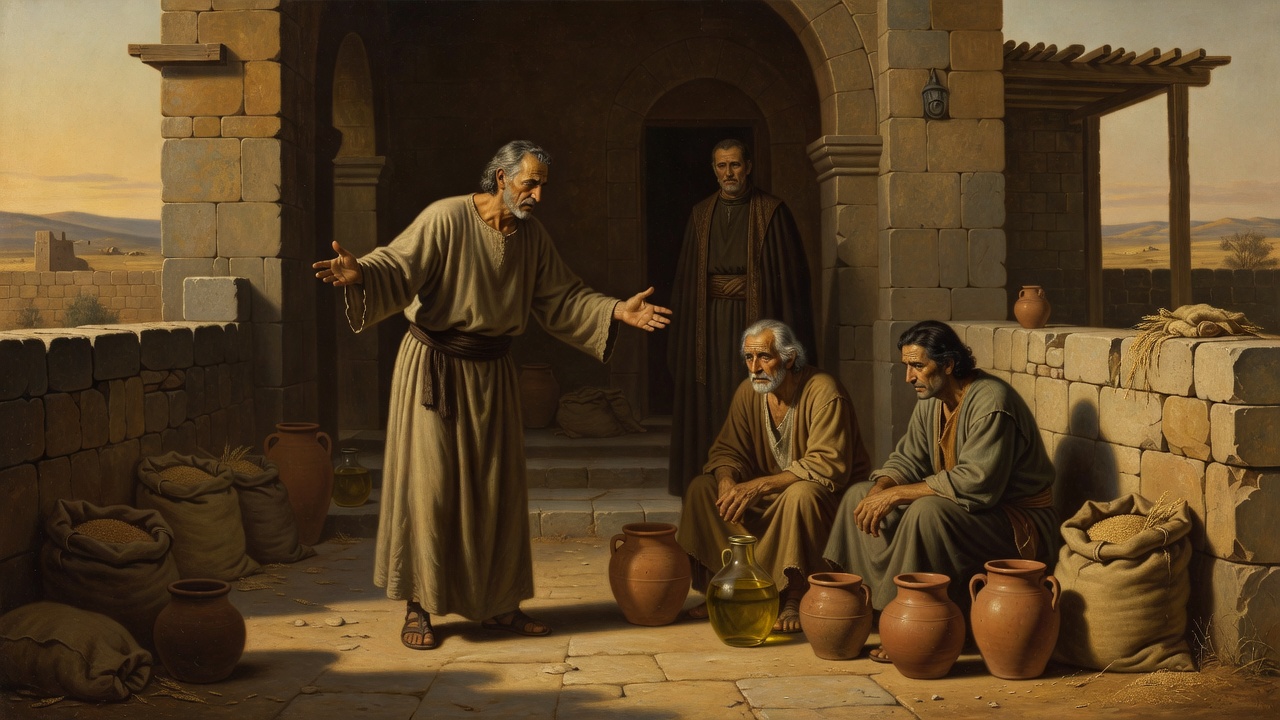
- A manager accused of wasting his master's possessions is told to turn in an account and give up his position. He has the debtors rewrite their bills, reducing a hundred measures of olive oil to fifty and a hundred measures of wheat to eighty, and the master commends the dishonest manager because he had acted shrewdly. Jesus then says that no servant can serve two masters, and that no one can serve both God and money.Sources: the Bible text itself
Notes written with AI assistance from open sources (Theographic Bible Metadata, CC BY-SA 4.0; Easton’s Bible Dictionary, public domain) and reviewed before publishing.
Credits and license for this translation
ܕܝܬܩܐ ܚܕܬܐ ܕܡܪܢ ܝܫܘܥ ܡܫܝܚܐ ܘܡܙܡܘܪ̈ܐ ܒܠܫܢܐ ܐܬܘܪܝܐ
New Testament and Psalms in Assyrian
copyright © 2014 Aramaic Bible Translation, Inc.
Language: ܐܵܬ݂ܘܼܪܵܝܲܐ ܠܸܫܵܢܵܐ (Assyrian Neo-Aramaic)
Translation by: Aramaic Bible Translation, Inc.
Copyright Information
© 2014, Aramaic Bible Translation, Inc. All rights reserved.
This translation text is made available to you under the
terms of the Creative Commons License: Attribution-Noncommercial-No Derivative Works.
( http://creativecommons.org/licenses/by-nc-nd/3.0/ )
In addition, you have permission to port the text to different file formats, as long as you
do not change any of the text or punctuation of the Bible.
You may share, copy, distribute, transmit, and extract portions
or quotations from this work, provided that you include the above copyright
information:
You must give Attribution to the work.
You do not sell this work for a profit.
You do not make any derivative works that change any of the actual words or punctuation of the Scriptures.
Permissions beyond the scope of this license may be
available if you contact
us with your request.
The New Testament and Pslams
in Assyrian
© 2014, Aramaic Bible Translation, Inc. All rights reserved.
This translation is made available to you under the terms of the
Creative Commons Attribution-Noncommercial-No Derivatives license 4.0.
You may share and redistribute this Bible translation or extracts from it in any format, provided that:
You include the above copyright and source information.
You do not sell this work for a profit.
You do not change any of the words or punctuation of the Scriptures.
Pictures included with Scriptures and other documents on this site are licensed just for use with those Scriptures and documents.
For other uses, please contact the respective copyright owners.
2014-08-06
Source: http://ebible.org/aii/ · eBible.org