Genesis 26
प्रेम संदेश · Tap a verse to see its cross-references.
गरार अनी बैरशेबा आठे इसहाक
1अब्राहामना येळले जस दुष्काळ पडेल व्हता तस दुसरा दुष्काळ आते देशमा पडना, तवय इसहाक हाऊ पलिष्टसना राजा अबीमलेख यानाकडे गरार नगरमा गया. 2तवय परमेश्वरनी त्याले दर्शन दिसन सांगं, मिसर देशमा जाऊ नको; मी सांगस त्या देशमा ऱ्हाय. 3तू हाईच देशमा ऱ्हाय, मी तुनासंगे ऱ्हासु, अनी तुले आशिर्वादित करसु; कारण हाऊ सर्वा देश मी तुले अनं तुना संतानले दिसु; अनी मी तुना बाप अब्राहाम यानासंगे खायेल शपथ करी करसु. 4मी आकाशमाधली तारासना इतली तुनी संतान वाढावसु, हाई सर्व तुना संतानले दिसु, अनी पृथ्वीवरना सर्व राष्ट्र तुना संतानमुये आशिर्वादित व्हतीन. 5कारण अब्राहामनी मना शब्दले मान दिधा, मना सांगानं ऐकं, मना आज्ञा, मना नियम अनं कायदा पाळात.
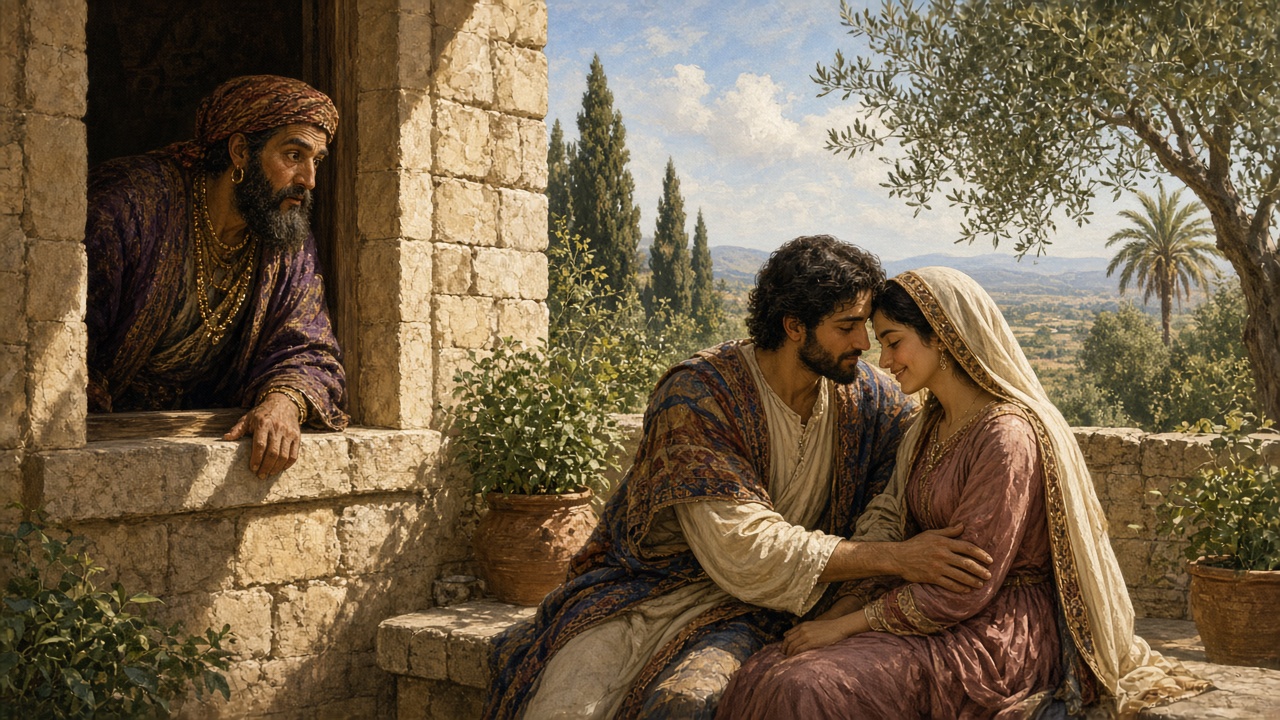
6तवय इसहाक गरार नगरमां वस्ती करीसनं राहिना. 7तठला लोकसनी त्यानी बायकोबद्दल ईचारं तवय तो बोलना, हाई मनी बहिण शे; त्यानी हाई इचार करीसन अश सांगं, कारण त्याले भिती वाटनी की, जर मी तिले मनी बायको म्हणसु, तर या लोके रिबकामुये माले मारी टाकतीन कारण ती देखणी शे. 8तो तठे बराच काळ राहावावर एक दिनले पलिष्टसना राजा अबीमलेख यानी खिडकीमाईन दखं की, इसहाक आपली बायको रिबकानासंगे प्रेमगोष्टी करतांना त्याले दिसनात. 9तवय अबीमलेखनी त्याले बलाईसन ईचारं, खरेच हाई तुनी बायको शे, तर हाई मनी बहीण शे, अश तू काबंर सांगनास? इसहाकनी त्याले सांगं, मी अश इचार करं की, तिनामुये मी मराले नही पाहिजे. 10अबीमलेख बोलना, तू आमनासंगे अश का बर करं? बरं व्हयनं नहीते ह्या लोकेसमाईन कोणी तुनी बायकोजोडे सहज जाता अनी तू आमले दोष देता. 11मंग अबीमलेखनी लोकसले अशी ताकीद दिधी की, जो कोणी या माणुसले किंवा त्यानी बायकोले हात लावं त्याले खरच कठोर शिक्षा व्हई.
12इसहाकनी त्या देशमा धान्यसनी पेरणी करी अनी त्याले त्याच वरीसले पिक मिळनं, अनी परमेश्वरनी त्यानं भलं करं. 13तो धनवान व्हयना अनी कायमनाच धनवान व्हत गया, आठेपावत की, तो खुपच मोठा व्हई गया. 14कारण त्यानाजोडे मेंढरं बकरं, गाय बैल अनी बराच दासदासी व्हई जायेल व्हतात म्हणीसनं पलिष्टी लोक त्याना हेवा कराले लागनात. 15त्याना बाप अब्राहाम याना येळले त्याना दाससनी ज्या विहिर खोदेल व्हतात, त्या सर्व पलिष्टीसनी मातीघाई बुंजी दिधात. 16अबीमलेख इसहाकले बोलना, तू आमनामाईन निंघी जाय, कारण तू आमनातीन सामर्थ्यवान व्हई जायेल शे. 17तवय इसहाक तठेन निंघी गया अनी गरार खोरामा तंबू करीसन तठे राहिना.
18तवय इसहाकनी पाणीन्या त्या विहिरीसले परत खोद्यात ज्या त्याना बाप अब्राहामना येळले खोदेल व्हत्यात, अनी जिसले पलिष्टीसनी अब्राहामना मृत्यूनंतर बुजी टाकेल व्हतं, अनं त्यानी तिसले परत त्यानं नावे दिधात ज्या त्याना बापनी देयल व्हतं. 19इसहाकना दास त्या खोरामा खंदी राहिंतात तवय त्यासले जिवत पाणीना झरा सापडना. 20तवय गरार आठला गुराखी इसहाकना गुराखीसंगे भांडाले लागनात, अनं बोलनात, हाई पाणी आमनं शे; तेनावरीन त्यानी ती विहिरनं नाव एसेक (कलह) ठेवा; कारण त्यासनी त्यानासंगे भांडण करा. 21मंग त्यासनी दुसरी विहिर खोदी, तिनावर बी त्या भांडनात म्हणीन त्यानी तिनं नाव सितना (वैर) ठेवात. 22तो तठेन पुढे गया, अनी तठे त्यानी आखो एक विहिर खोदी; तवय तिनावरीन त्या भांडनात नहीत, म्हणीन त्यानी तिनं नाव रहोबोथ (विस्तार) अश ठेवा, अनी तो बोलना, परमेश्वरनी आमनं भूमीना विस्तार करेल शे आते हाई देशमा आमनी वाढ व्हई.
23तवय तो तठेन बैर-शेबा आठे गया. 24त्याच रातले परमेश्वरनी त्याले दर्शन दिसन सांगं, मी तुना बाप अब्राहाम याना देव शे; भिऊ नको, कारण मी तुनासंगे शे; मी मना दास अब्राहाम यानामुये तुले आशिर्वादीत करसु अनं तुनी संतान बहुगुणित करसु. 25मंग त्यानी तठे एक वेदी बांधी अनी परमेश्वरनी नावनी अराधना करी; अनं तठे त्यानी आपला तंबू उभा करा, तठे इसहाकना दाससनी एक विहिर खोदी.
इसहाक अनी अबीमलेख
26तवय अबीमलेख आपला मित्र अहुज्जाथ अनं आपला सेनापती पीकोल याले संगे लिसन गरारमाईन त्यानाकडे गया. 27तवय इसहाक त्याले बोलना, तुम्हीन तर मना द्वेष करतस, अनी तुम्हीन माले तुमनामाईन काढी दिधं; अश राहीसन बी तुम्हीन मनाकडे काबंर वनात? 28त्यासनी सांगं, परमेश्वर तुमनासंगे शे हाई आमले स्पष्ट दखाई राहिनं शे; म्हणीन आम्हीन हाई इचार करा की, आपलामा म्हणजे आमनामा अनं तुमनामा हाई शपथ लेवाले पाहिजे, म्हणजे आमी तुमनासंगे हाई करार करानं. 29आम्हीन तुमले काही उपद्रव करा नही; आम्हीन फक्त तुमनं बरं करा अनं तुमले शांतीमा निरोप दिधा, तश तुम्हीन बी आमनं वाईट करानं नही; आते तुमनावर परमेश्वरना आशिर्वाद शे. 30तवय त्यानी त्यासले मेजवानी दिधी, अनी त्यासनं खानं पिनं व्हयनं. 31त्यासनी पहाटमाच उठीन एकमेकसंगे शपथ लिधी; मंग इसहाकनी त्यासले निरोप दिधा. अनी त्या त्यानापाईन शांतीमा गयात. 32त्याच दिनले अश व्हयनं की, इसहाकना दास जी विहिर खोदी राहिंतात तिनाबद्दल त्यासनी खबर आणी की विहिरले पाणी लागनं. 33त्यानी तिनं नाव शेबा ठेवा. तिनावरीन त्या नगरना नाव बैर-शेबा पडनं ते आजपावत चालू शे. 34एसाव चाळीस वरीसना व्हयना तवय त्यानी बैरी हित्ती यानी पोर यहूदीथ अनी एलोन हित्ती यानी पोर बासमथ ह्या बायका कऱ्यात; 35अनी या सुनासमुये इसहाक अनं रिबका यासले दु:ख व्हयनं.
Did you know?
Isaac in Gerar
- During a famine, Isaac sought refuge with Abimelech, king of Gerar, an ancient town and district on the southern border of Palestine. Easton's Bible Dictionary (1897) notes that Isaac acted toward his wife Rebekah much as his father Abraham had acted toward Sarah there: he said she was his sister. Abimelech later rebuked him when the deception was discovered.Sources: Abimelech (King of Gerar) · Gerar · the Bible text itself
- The names of wells in the Valley of Gerar recall the disputes over them. Esek means “quarrel,” because the herdsmen of Gerar claimed the water, and Sitnah means “strife.” Isaac also reopened wells that his father Abraham’s servants had dug and that the Philistines had stopped up, and he gave them the same names his father had given them.Sources: Esek · Sitnah · the Bible text itself
- Beersheba means “well of the oath” or “well of seven.” According to Easton's Bible Dictionary (1897), Abraham dug a well there and named it after a compact with Abimelech, and Isaac gave it the same name when he reopened it. The dictionary also identifies Phicol—“great”—as chief captain of Abimelech’s army, and says he took part in Abraham’s alliance over that well.Sources: Beersheba · Phichol · the Bible text itself
Notes written with AI assistance from open sources (Theographic Bible Metadata, CC BY-SA 4.0; Easton’s Bible Dictionary, public domain) and reviewed before publishing.
Places in this chapter
- Egypt · 30.129, 31.308 · verse 2
- Valley of Gerar · Today: about 3 km around Tel Haror · 31.382, 34.606 · verses 17, 19
Only places identified with high confidence are shown (90% or more according to the scholarly sources compiled by OpenBible). Period map: DARE (Digital Atlas of the Roman Empire), CC BY 4.0; modern map: © OpenStreetMap contributors; places: OpenBible.info (CC BY 4.0).
Credits and license for this translation
प्रेम संदेश The Gospels of Matthew and Mark in the Ahirani language of India. Ahirani: प्रेम संदेश (Bible) copyright © 2023 The Word for the World International and Ahirani Christi Iswari Mandli, Sakri, Dhule, Maharashtra Language: अहिराणी (Ahirani) Contributor: The Word for the World International प्रेम संदेश जुना करार, 2025 The Old Testament Books in Ahirani Language The Word for the World International This translation is made available to you under the terms of the Creative Commons Attribution Share-Alike license 4.0. You have permission to share and redistribute this Bible translation in any format and to make reasonable revisions and adaptations of this translation, provided that: You include the above copyright and source information. If you make any changes to the text, you must indicate that you did so in a way that makes it clear that the original licensor is not necessarily endorsing your changes. If you redistribute this text, you must distribute your contributions under the same license as the original. Pictures included with Scriptures and other documents on this site are licensed just for use with those Scriptures and documents. For other uses, please contact the respective copyright owners. Note that in addition to the rules above, revising and adapting God's Word involves a great responsibility to be true to God's Word. See Revelation 22:18-19. 2025-07-11
Source: http://ebible.org/ahr/ · eBible.org