Exodus 5
प्रेम संदेश · Tap a verse to see its cross-references.
मिसरना राजासमोर मोशे अनी अहरोन
1मंग मोशे अनी अहरोन मिसरना राजा फारोकडे जाईसन बोलनात, “इस्त्राएलना देव यहोवा सांगी राहिना की, मना लोकसले मनाकरता रानमा जाईसन उत्सव कराले जाऊ दे.”
2तवय फारो बोलना, “हावु कोण परमेश्वर की त्यानं ऐकीसन मी इस्त्राएल लोकसले जाऊ देवु? मी त्या परमेश्वरले वळखस नही अनी इस्त्राएल लोकसले काय जाऊ देवाव नही.”
3मोशे अनी अहरोन बोलनात, “इब्रीसना देवनी आमले भेट देयल शे, तर आते तीन दिननी वाट चालीसन रानमा जाऊ दे अनी आमना देव यहोवा ह्याले यज्ञबली अर्पु दे, अशी आमले परवानगी दे, अस नही करं तर तो तलवारघाई नहितर युध्द करीसन आमले मारी टाकी.”
4मिसरना राजा त्यासले बोलना, “हे मोशे अनी अहरोन, तुम्हीन लोकसले काम सोडीसन काबरं जावाले लाई राहिनात? निंघा आठेन, आपला कामे करा! 5ह्या मजुर लोके देशमा बराच शेतस अनी तुम्हीन त्यासले काम सोडीसन जावाले लाई राहिनात!”
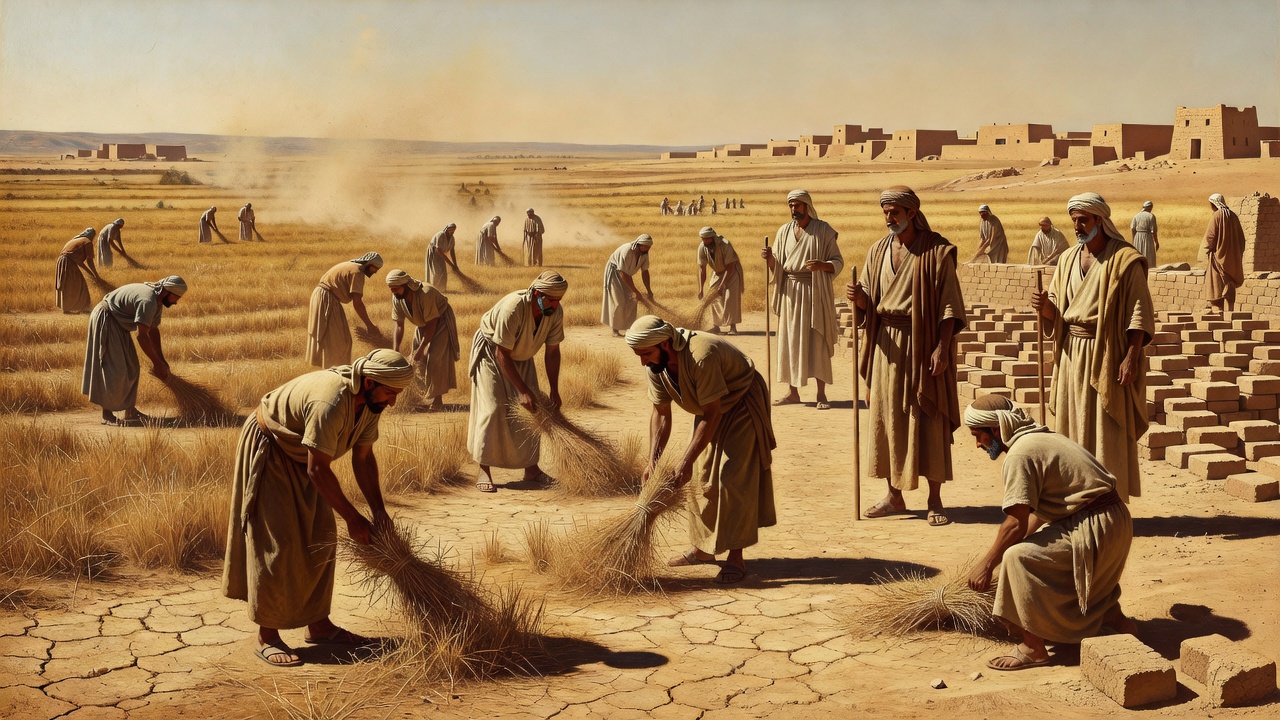
6त्याच रोज फारोनी त्या लोकसना मुकडदम अनी त्यासना ठेकेदारसले आज्ञा करी की, 7“ईटा पाडाकरता आजपावत तुम्हीन या लोकसले गवत अनी दिधं तसं आते करू नका त्यासले स्वतः गवत आनु द्या. 8अनी जेवढ्या ईटा त्या पाडेत तेवढ्याच आते बी त्यासनाकडतीन पाडी ल्या, त्यामा काही कमी करानं नही, त्या आळशी व्हयेल शेतस म्हणीसन त्या वरड करी राहिनात की, आमले जाऊ दे, आमना देवले यज्ञबली अर्पु दे. 9या लोकसले आखो काम द्या म्हणजे त्यासनावर कामनं वझ पडीसन त्या ह्या खोटं बोलनावर ध्यान देवावुत नही.”
10मंग लोकसना मुकडदम अनी ठेकेदार बाहेर जाईसन त्यासले बोलनात, “राजानी सांगा, मी तुमले गवत पुरावनार नही. 11तुम्हीन स्वतः कुठेन बी गवत शोधी आणा अनी तुमनं काम काही कमी व्हणार नही.” 12तवय त्या लोके गवतना बदलामा धान्यनं कुड जमा कराकरता पुरा मिसर देशमा पसरी गयात. 13त्यासना मांगे मुकडदम रोज तगादा लावत राहे अनी सांगे की, तुमले गवत देयेत तवय जीतलं काम करेत तेवढच रोजनं काम आत्ते बी पुरं करा. 14इस्त्राएल लोकसवर त्यासनापैकी ज्या ठेकेदार नेमेल व्हतात त्यासले फारोना मुकडदमसनी मार दिसन ईचारं, “तुम्हीन कायम पाडतस तेवढ्या ईटा काबरं पाडी नही राहिनात?”
15तवय इस्त्राएल लोकसना ठेकेदार फारोकडे जाईसन वरड करू लागनात, “आपण आपला दाससंगे असा काबरं वागी राहिनात? 16आपला दाससले गवत देतस नही तरी त्या आमले म्हणतस, ईटा पाडा, दखा, तुमना दाससले मार भेटी राहिना, पण चुक सर्व तुमना माणससनी शे.”
17फारो राजा बोलना, “तुम्हीन आळशी शेतस आळशी, तुमले काम कराले नको, म्हणीसन तुम्हीन म्हणतस, आमले जाऊ द्या, आमना देवले आमले यज्ञ करू द्या. 18निंघा आठेन अनी आपलं काम करा, तुमले गवत काय मिळावं नही अनी ईटा तर तेवढ्याच येवाले पाहीजे जेवढ्या पहिले ईयेत.” 19ईटा अनं रोजनं काम यामा तुम्हीन काहीच कमी करानं काम नही, अस इस्त्राएलसना ठेकेदारसले धमकाडं, तवय आपण भलताच संकटमा पडी गवुत अस त्यासना ध्यानमा वनं.
20फारोकडतीन निंघानंतर त्यासले वाटमा मोशे अनं अहरोन भेटनात, 21तवय त्या त्यासले बोलनात, “परमेश्वर तुमले दखी लेवो, तुम्हीन हाई काय करं फारो अनं त्याना नौकर आमना व्देष करी राहिनात, तुम्हीन आमले त्यासना हातमा मारी टाकाकरता दि टाकेल शे.”
मोशे देवकडे तक्रार करस
22मंग मोशे परमेश्वरकडे परत जाईसन बोलना, “प्रभु तु तुना लोकसले कसाले काबरं पिढा दि राहिना? माले तु त्यासनाकडे काय म्हणीसन धाडं? 23मी तुनं नाव करीसन बोलाकरता फारोकडे वनु तवय पाईन तो या लोकसले पिढा दि राहिना, तु आपला लोकसले तर अजिबातच सोडायं नही.”
Did you know?
Harder Work After Pharaoh's Refusal
- Easton's Bible Dictionary (1897) says the Pharaoh of the Exodus was probably Menephtah I, the fourteenth and eldest surviving son of Rameses II, but it treats the identification as still an open question: some scholars, it notes, favor Seti II, whose reign it describes as beginning peacefully and ending in sudden disaster. The entry says he resided at Zoan, where he received Moses and Aaron in the interviews recorded in Exodus.Sources: Pharaoh (of the Exodus) · the Bible text itself
- Easton's Bible Dictionary (1897) places Jacob's arrival in Egypt probably about 350 years before Moses was born. It says a Hyksos king, from a pastoral Semitic people of Asia and called a shepherd king, received the family favorably and assigned them Goshen, the best of the land; in this chapter Pharaoh treats the people of Israel, now numerous, as laborers he will not let go.Sources: Moses · the Bible text itself
- Pharaoh answers the request to hold a feast in the wilderness by no longer supplying straw for the bricks, while still requiring the same daily quota. The people scatter through the land of Egypt to gather stubble, and the Israelite foremen whom Pharaoh's taskmasters had set over them are beaten when that quota is not met.Sources: the Bible text itself
Notes written with AI assistance from open sources (Theographic Bible Metadata, CC BY-SA 4.0; Easton’s Bible Dictionary, public domain) and reviewed before publishing.
Places in this chapter
Only places identified with high confidence are shown (90% or more according to the scholarly sources compiled by OpenBible). Period map: DARE (Digital Atlas of the Roman Empire), CC BY 4.0; modern map: © OpenStreetMap contributors; places: OpenBible.info (CC BY 4.0).
Credits and license for this translation
प्रेम संदेश The Gospels of Matthew and Mark in the Ahirani language of India. Ahirani: प्रेम संदेश (Bible) copyright © 2023 The Word for the World International and Ahirani Christi Iswari Mandli, Sakri, Dhule, Maharashtra Language: अहिराणी (Ahirani) Contributor: The Word for the World International प्रेम संदेश जुना करार, 2025 The Old Testament Books in Ahirani Language The Word for the World International This translation is made available to you under the terms of the Creative Commons Attribution Share-Alike license 4.0. You have permission to share and redistribute this Bible translation in any format and to make reasonable revisions and adaptations of this translation, provided that: You include the above copyright and source information. If you make any changes to the text, you must indicate that you did so in a way that makes it clear that the original licensor is not necessarily endorsing your changes. If you redistribute this text, you must distribute your contributions under the same license as the original. Pictures included with Scriptures and other documents on this site are licensed just for use with those Scriptures and documents. For other uses, please contact the respective copyright owners. Note that in addition to the rules above, revising and adapting God's Word involves a great responsibility to be true to God's Word. See Revelation 22:18-19. 2025-07-11
Source: http://ebible.org/ahr/ · eBible.org