Exodus 14
प्रेम संदेश · Tap a verse to see its cross-references.
लाल समुद्रले पार करनं
1तवय परमेश्वर मोशेले बोलना, 2“इस्त्राएल लोकसले सांग की तुम्हीन फिरीसन मिग्दोल अनी लाल समुद्र यासनामातीन पीहहीरोथाना पुढे बालसफोन समोर तळ ठोका. 3मंग फारो राजा इस्त्राएल लोकसबद्दल म्हणी की, त्या देशमा गोंधळी जायेल शेतस, त्यासना जंगलमा कोंडमारा व्हई राहिना. 4मी फारोनं मनं कठीण करसु अनी तो त्यासना मांगे लागी, असा प्रकारे फारो अनं त्यानी सर्व सेनाना मी पराभव करीसन मना प्रताप प्रकट करसु अनी मी परमेश्वर शे हाई मिसरी लोकसले समजी.” तसं इस्त्राएल लोकसनी करं.
5इस्त्राएल लोकसनी पलायन करं हाई बातमी जवय फारो राजाले समजनी तवय फारोनं अनी त्याना सेवकसनं मन त्या लोकसकरता बदलनं अनं त्या बोलु लागनात, “इस्त्राएल लोकसले आपली गुलामगिरीमातीन सुटीन जाऊ दिधं हाई आपण काय करं!” 6तवय राजानी आपला रथ लिधा अनी सैनीकसले तयार करं. 7त्यानी सवूशे निवाडेल रथ अनं त्यावरला सरदारसले लिधं. 8परमेश्वरनी मिसरना राजानं मन कठीण करं अनी तो इस्त्राएल लोकसना मांगे लागना अनी इस्त्राएल लोकं तर धैर्यतीन चाली राहिंतात. 9मंग फारोना सर्व घोडा, रथ अनं रथस्वार यासनासंगे मिसरी सैनिकसनी त्यासना पाठलाग करीसन पीहहीरोथाना जोडे अनं बालसफोना समोर समुद्रना किनारले त्यासनी तळ ठोकेल व्हता तठे त्यासले गाठं.
10फारो जोडेच ई लागना तवय इस्त्राएल लोकसनी ध्यान दिसन दखं की, मिसरी लोकं आपला मांगेच ई राहिनात, हाई दखीसन त्यासले धडकी भरनी अनं त्या परमेश्वरना धावा करु लागनात. 11त्या मोशेले बोलनात, “मिसरमा का कबर नव्हत्या का म्हणीसन तु आमले आठे रानमा मराले लई वना? तु आमले मिसरमातीन बाहेर काय म्हणीसन काढी आणं! 12आम्हीन तुले मिसरमा बोलनु नव्हतुत का की, आम्हीन जठे शेतस तठेच बरा शेतस, आमले आमना मिसरी लोकसनी गुलामगिरी करत राहू दे; आठे रानमा मरापेक्षा तठे मिसरी लोकसनी गुलामगिरी करनं चांगलं व्हतं.”
13मोशे लोकसले बोलना, “भिऊ नका, आपली जागावर उभा ऱ्हा अनी परमेश्वर आज तुमनं तारण करी ते दखा, कारण ज्या मिसरी लोकं तुम्हीन आज दखी राहिनात त्या परत कधीच तुमना नजरमा पडावुत नही. 14परमेश्वर तुमनाकरता लढी, तुम्हीन गप्पच ऱ्हा.”
15मंग परमेश्वर मोशेले बोलना, “मना धावा काय करत बठना? इस्त्राएल लोकसले सांग की पुढे चला. 16तु आपला काठी वर कर अनी आपला हात समुद्रवर उगारीन त्याले दुभाग म्हणजे इस्त्राएल लोकं भर समुद्रमातीन कोरडी जमिनवर चालतीन. 17अनी दखा मी स्वतः मिसरी लोकसनं मन कठिण करसु अनी त्या ह्यासना मांगे लागतीन अनी राजा फारो, त्यानी सर्व सेना, त्याना रथ अनं त्याना स्वार यासना पराभव करामुये मनी महिमा प्रकट व्हई. 18मी जवय त्यासना पराभव करसु तवय मिसरी लोकसले समजी की, मी परमेश्वर शे.”
19तवय जो देवना दूत इस्त्राएली सैनिकसना पुढे चाले तो मांगे ई लागना अनी मेघस्तंभ बी जो त्यासना पुढे चाले तो मांगे ई लागना. 20तो मिसरीसनी सैना अनं इस्त्राएलसनी सैना यासना मझार राहिना. त्या मेघनी मिसरीसवर अंधार करा अनं इस्त्राएल लोकसले प्रकाश दिधा, रातभर एक पक्षीले दुसरा पक्षीकडे जाता वन नही.
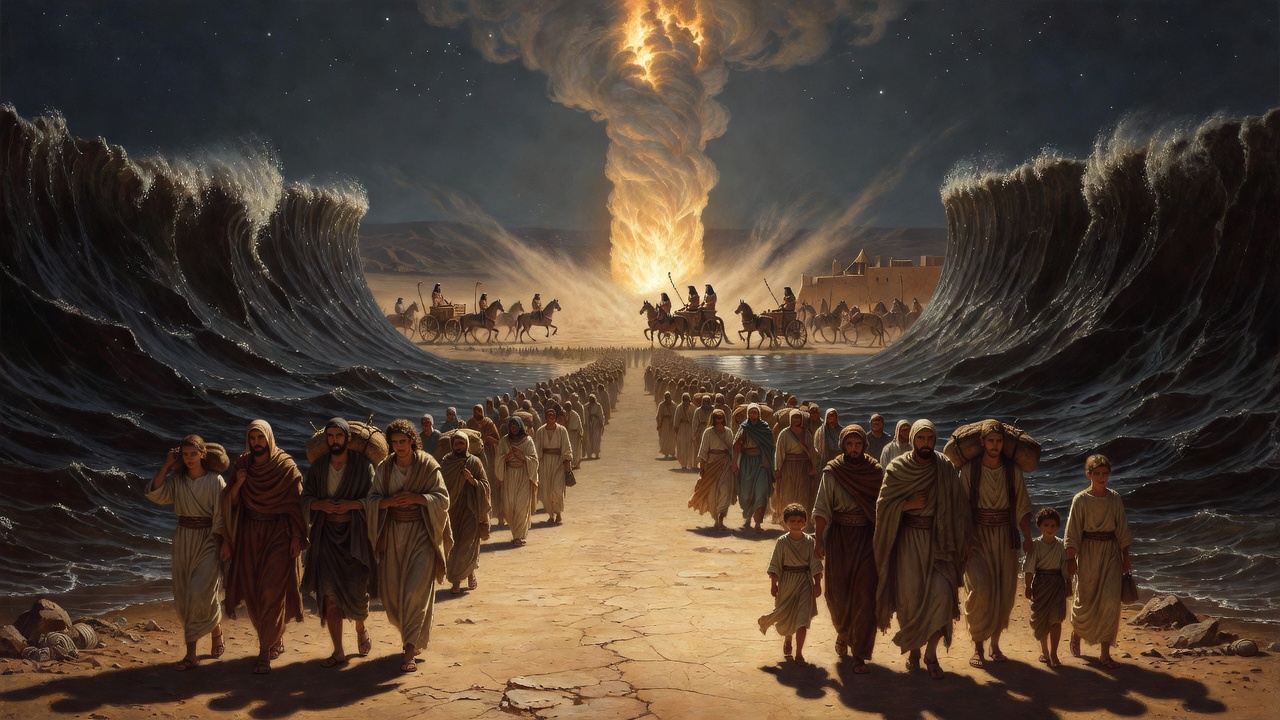
21मोशेनी आपला हात समुद्रवर उगारा अनी परमेश्वरनी रातभर पुर्व दिशातीन जोरदार वारा सोडीसन समुद्रले अस मांगे करं की पाणीना दोन भाग व्हईसन कोरडी जमिन तयार व्हयनी, 22इस्त्राएल लोकं कोरडी जमिनवरतीन चालू लागनात अनी त्यासनी उजवी अनी डावी बाजुले पाणी भितनामायक उभं राहिनं. 23तवय मिसरीसनी त्यासना पाठलाग करा अनी फारोना सर्व घोडा, रथ अनं स्वार त्यासना मांगे मांगे समुद्रमा गयात. 24तवय रातना शेवटना येळले परमेश्वरनी अग्नीस्तंभ अनी मेघस्तंभ यासनामातीन मिसरी सैन्यसले दखं अनी त्यासले फटका दिधा. 25त्यानी त्यासना रथसना चाकं काढीसन ते चालावाले कठिण करं, तवय मिसरी लोकं म्हणु लागनात, “आपण इस्त्राएलसपाईन पळी जाऊत, कारण परमेश्वर त्यासनाकडतीन मिसरीससंगे लढी राहिना!”
26परमेश्वर मोशेले बोलना, “आपला हात समुद्रवर उगार म्हणजे पाणी परत पहिलासारखं व्हईसन मिसरीसवर, त्यासना रथसवर अनं स्वारसवर ई.” 27मोशेनी आपला हात समुद्रवर उगारा तवय दिन उगताच समुद्र परत पहिलासारखा व्हवाले लागना हाई दखीसन मिसरी लोकं पळू लागनात, पण परमेश्वरनी त्यासले समुद्रमाच उलथाई पाडं. 28पाणी परत पहिलंसारखं व्हई गयं. रथ, घोडा अनी फारोनी सर्व सैना त्यामा बुडी गयात; त्यासनापैकी एक बी वाचनं नही. 29पण इस्त्राएल लोकं जमीनवरतीन चालत गयात पाणी त्यासनाकरता उजवीकडे अनं डावीकडे भितीसनामायक उभं व्हतं.
30अस परमेश्वरनी त्या दिन इस्त्राएल लोकसले मिसरीसना हातमातीन सोडावं अनी मिसरी लोकं समुद्र किनारवर मरी पडेल हाई इस्त्राएल लोकसनी डोळासघाई दखं. 31परमेश्वरनी इस्त्राएल लोकसले आपला सामर्थ्यीशाली हात दखाडा हाई इस्त्राएल लोकसनी दखं, तवय त्यासनी परमेश्वरनं भय धरं अनी परमेश्वरावर अनी त्याना सेवक मोशे यानावर त्यासनी ईश्वास ठेवा.
Did you know?
Israel trapped between Pharaoh and the sea
- Israel was told to turn back and camp before Pi-hahiroth, between Migdol and the sea, directly opposite Baal-zephon, so that Pharaoh would think the wilderness had boxed them in. Pi-hahiroth means place where the reeds grow, though the Septuagint and the Coptic read farmstead, and Baal-zephon means Baal of the north.Sources: the Bible text itself · Pi-hahiroth · Baal-zephon
- Easton's Bible Dictionary (1897) describes Baal-zephon as an Egyptian town on the shores of the Gulf of Suez, probably modern Jebel Deraj or Kulalah on the western shore, and notes that Egyptian Baal-zapuna was a place of worship. Some have identified Pi-hahiroth with Ajrud, a fortress between Etham and Suez. The entry on Pi-hahiroth adds that the condition of the Isthmus of Suez at the time of the Exodus is not exactly known, so Pi-hahiroth and Israel's other camps in Egypt cannot be definitely located; the isthmus has been formed by deposits of the Nile.Sources: Baal-zephon · Pi-hahiroth
- Easton's Bible Dictionary (1897) says the Pharaoh of the Exodus was probably Menephtah I, the fourteenth and eldest surviving son of Rameses II, and that he resided at Zoan, where his interviews with Moses and Aaron recorded in Exodus took place. The same entry still treats it as an open question whether Seti II or his father Menephtah was that king, and notes that some judge the evidence to favor Seti II.Sources: Pharaoh (of the Exodus)
Notes written with AI assistance from open sources (Theographic Bible Metadata, CC BY-SA 4.0; Easton’s Bible Dictionary, public domain) and reviewed before publishing.
Places in this chapter
Only places identified with high confidence are shown (90% or more according to the scholarly sources compiled by OpenBible). Period map: DARE (Digital Atlas of the Roman Empire), CC BY 4.0; modern map: © OpenStreetMap contributors; places: OpenBible.info (CC BY 4.0).
Credits and license for this translation
प्रेम संदेश The Gospels of Matthew and Mark in the Ahirani language of India. Ahirani: प्रेम संदेश (Bible) copyright © 2023 The Word for the World International and Ahirani Christi Iswari Mandli, Sakri, Dhule, Maharashtra Language: अहिराणी (Ahirani) Contributor: The Word for the World International प्रेम संदेश जुना करार, 2025 The Old Testament Books in Ahirani Language The Word for the World International This translation is made available to you under the terms of the Creative Commons Attribution Share-Alike license 4.0. You have permission to share and redistribute this Bible translation in any format and to make reasonable revisions and adaptations of this translation, provided that: You include the above copyright and source information. If you make any changes to the text, you must indicate that you did so in a way that makes it clear that the original licensor is not necessarily endorsing your changes. If you redistribute this text, you must distribute your contributions under the same license as the original. Pictures included with Scriptures and other documents on this site are licensed just for use with those Scriptures and documents. For other uses, please contact the respective copyright owners. Note that in addition to the rules above, revising and adapting God's Word involves a great responsibility to be true to God's Word. See Revelation 22:18-19. 2025-07-11
Source: http://ebible.org/ahr/ · eBible.org