Ecclesiastes 7
प्रेम संदेश · Tap a verse to see its cross-references.
जीवननाबारामा ईचार
1महागा सुंगधी द्रव्यपेक्षा चांगलं नाव ऱ्हावानं हाई बरं शे, जन्मदीनपेक्षा मरणना दिन बरा ऱ्हास.
2मेजवानीना घर जावापेक्षा शोक करनारानी घर जायेल बरं ऱ्हास, कारन परतेक माणुसना शेवट हाईच शे, ज्या जिवत शेतस त्यासनी हाई मनमा राखी ठेवानं म्हनीसन जिवत हाई तुमना मनमा कायम राही.
3हासी मजाक करापेक्षा शोक करानं चांगलं शे, दु:खी तोंड नंतर आनंदी व्हस.
4ज्या शहाना राहातस त्यासना मन शोक घरकडे लागस, पण मुर्खना चित्त हसी मजाककडे लागस.
5मुर्खसना गाना ऐकापेक्षा शहानासनी निषेधवानी ऐकेल बरं ऱ्हास
6कारण मुर्खसना हासू भांडानीखाल जळेल काटाकुटासना कडकडनारामायक ऱ्हास; हाई व्यर्थ शे.
7जुलूम करावर शहाना येडा बनतस; लाच लेवामुये बुध्दी भ्रष्ट व्हस.
8एखादी गोष्टनी सुरुवात पेक्षा तिना शेवट व्हयेल बरा ऱ्हास. गर्व करनारा माणुसपेक्षा सहन करनारा माणुस बरा ऱ्हास.
9मन उतावीळ व्हईसन राग येऊ देवानं नही, कारण राग मुर्खसना मनमा घर करीसन ऱ्हास.
10या दिनपेक्षा आगोदरना दिन बरा व्हतात आशे काबर? आशे ईचारानं नही; हाई ईचारानं शहानापण नही शे.
11मिळेल धनसंपत्तीनासंगे शहानापण राहीनं तर बरं ऱ्हास; कारण हाई जगमा जन्म व्हयेलसना हितना शे. 12ज्ञान आश्रय देनारा शे अनी पैसाबी आश्रय देनारा शे; ज्ञानपाईन आशे फायदा ऱ्हास की ज्यानापाण शहानपण ऱ्हास तो त्याना जीव वाचाडस.
13देवनी करनी दखा; त्यानी जे वाकडं करेल शे ते कोनीच सरळ करावूत नही? 14जवय येळ चांगली राही तवय आनंद कर; पण जवय संकटमा सापडसी तवय विवेकतीन वाग; कारण माणुसनीमांगे काय व्हई हाई त्याले कळाले नको म्हनीसन देवनी सुखदूखले जोडे जोडे ठेयेल शेतस.
15एखादा नीतिमान चांगल आचरन करीसनबी नष्ट व्हस; अनी एखादा दुष्ट वाईट वागीसनबी त्याले जास्त आयुष्य भेटस; हाई बठं मी मना व्यर्थ जायेल दिनमा दखेल शे. 16तोंड देखल्या नीतिमान व्हवू नको; मर्यादानीबाहेर राहीसन शहानपण दखाडू नको; तु आपला नाश का बरं करी लेवानं? 17दुष्टपना जास्त करु नको; मुर्ख बनु नको; तु पहिलेच काबरं मरानं? 18याले तु धरी ऱ्हावान; अनी त्यानापाईन हात मांगे लेवान नही हाई बरं शे; कारण देवले जो घाबरीसन राहतस तो पार पडी. 19नगरमासला दहा अधिपतीसपेक्षा जास्त रक्षण शहानाले शहानपण करस. 20चांगला ईचारतीन वागनारा अनी पाप नही करनारा आशा नीतिमान माणुस हाई जगमा सापडस नही. 21बोलेल बठा शब्दसकडे ध्यान देऊ नको; जर ध्यान दिधं तर तु तुना नोकरले शिव्याशाप देतांना ऐकशी; 22कारण तु बी दुसरासले रोज शिव्याशाप देयल शेतस हाई तुले माहीत शे.
23या बठया गोष्टी मी विवेकतीन आजमाडी दखेल शेतस; आपलाले बराच ज्ञान मियाले पाहीजे आशे माले वाटनं, पण ते मनापाईन दुर राहीनं. 24जे शे ते बराच दूर अनी गुढ शे; त्याना शोध कोनले लागी? 25ज्ञान अनी विवेक हाई समजीसन त्याना रहस्य वळखानं अनी त्याना शोध लावानं, अनी दुष्टपना हाई फक्त मुर्खपना शे अनी मुर्खपना हाई येडापना शे, हाई समजाले पाहीजे म्हनीसन मी परत मना चित्त या गोष्टीसकडे लाया.
26माले मरनपेक्षा दु:ख वाटी आशी वस्तु सापडनी, ती म्हणजे पाशरुप बायी शे, तिना मन पारधीसना जाळा शे; तिना हात साखळी शेतस; जो मानूस देवले आवडस तोच तिना हातमाईन सुटस; पण पापी तिना हातमा सापडस. 27उपदेशक सांगस; हिशोब दखाले गयू तवय गोळाबेरीज माले सापडनी ती आशी; 28पण मी आजपावोत सापडाई राहीनू शे तरी माले सापडनी नही ती हाई शे; हजारसमां एक माणुस माले सापडना; पण तेवढया बायासमा माले ऐकबी बायी सापडनी नही. 29दखा, माले एवढेच सापडनं की देवनी मनुष्यले सरळ आशे तयार करेल शे, पण तो बऱ्याच कल्पनासना मांगे लगी जायेल शे.
Did you know?
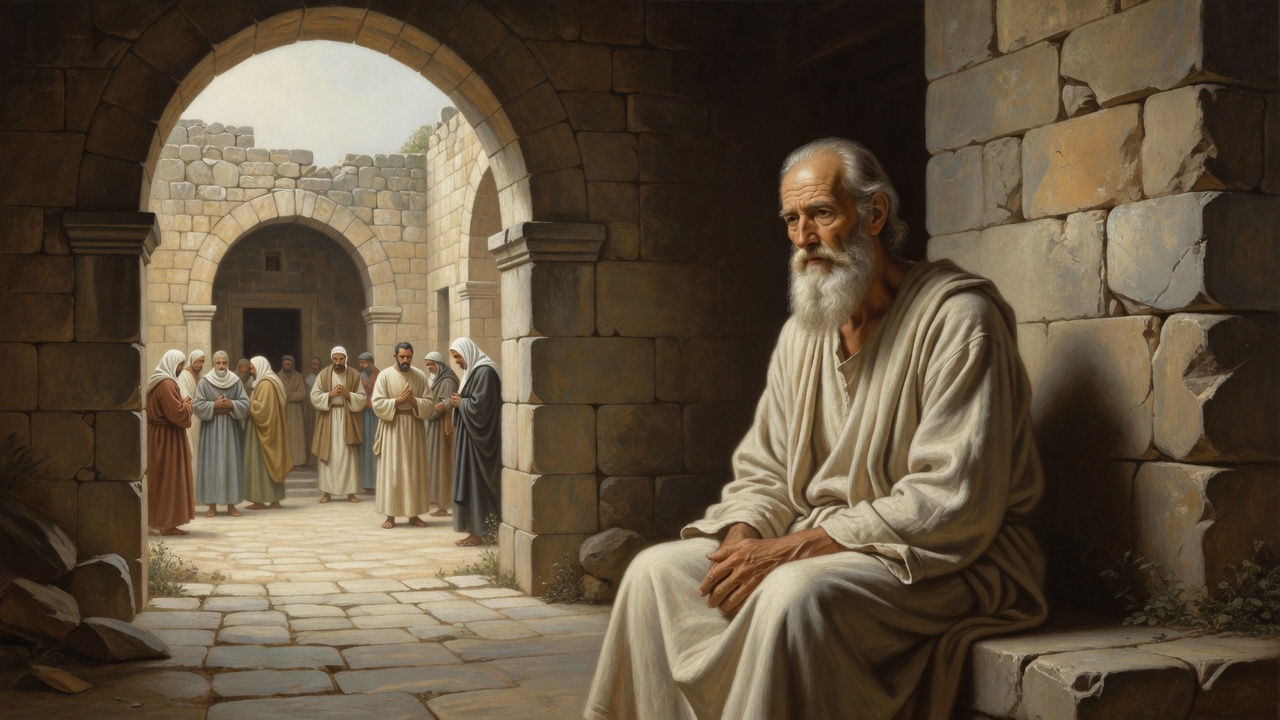
Wisdom, Mortality, and the Limits of Understanding
- Ecclesiastes 7 begins with a series of comparative proverbs arguing that moments of solemn reflection, such as visiting a house of mourning or facing sorrow, provide greater insight into life than superficial laughter and feast houses.Sources: the Bible text itself
- The Teacher reflects on the reality of human experience, noting that God has appointed both prosperous and adverse days so that humans cannot foresee their future, and that righteous people sometimes perish while the wicked live long.Sources: the Bible text itself
- The chapter highlights the universal limitation of human goodness, observing that there is no one on earth who does good and never sins, and concluding that while God created humanity upright, people pursue many complex schemes.Sources: the Bible text itself
Notes written with AI assistance from open sources (Theographic Bible Metadata, CC BY-SA 4.0; Easton’s Bible Dictionary, public domain) and reviewed before publishing.
Credits and license for this translation
प्रेम संदेश The Gospels of Matthew and Mark in the Ahirani language of India. Ahirani: प्रेम संदेश (Bible) copyright © 2023 The Word for the World International and Ahirani Christi Iswari Mandli, Sakri, Dhule, Maharashtra Language: अहिराणी (Ahirani) Contributor: The Word for the World International प्रेम संदेश जुना करार, 2025 The Old Testament Books in Ahirani Language The Word for the World International This translation is made available to you under the terms of the Creative Commons Attribution Share-Alike license 4.0. You have permission to share and redistribute this Bible translation in any format and to make reasonable revisions and adaptations of this translation, provided that: You include the above copyright and source information. If you make any changes to the text, you must indicate that you did so in a way that makes it clear that the original licensor is not necessarily endorsing your changes. If you redistribute this text, you must distribute your contributions under the same license as the original. Pictures included with Scriptures and other documents on this site are licensed just for use with those Scriptures and documents. For other uses, please contact the respective copyright owners. Note that in addition to the rules above, revising and adapting God's Word involves a great responsibility to be true to God's Word. See Revelation 22:18-19. 2025-07-11
Source: http://ebible.org/ahr/ · eBible.org