Revelation 11
Autaahaatɨhomɨ Pɨwɨha Gaaha Wanɨha · Tap a verse to see its cross-references.
Autaahaatɨho Yahurɨ Wurɨ Komɨ Pɨwɨha Kopɨ Awusaitaatɨmɨ Natausaasataise
1Aihɨ nɨnɨ irɨhɨrɨ wɨrɨ kahapa wapaamɨ utaarɨtindɨhandɨ amɨ nuhɨtindɨhandɨ namɨhandaatɨwɨ naninyawɨ sandawaatopo: “Kɨnyɨ nambɨ Autaahaatɨhomɨ aŋaaŋunɨ amɨ arɨtaahandunɨ amɨ kapɨhɨ gaapundɨwɨ Autaahaatɨhoai mepɨ autaahepumahohiyɨhiyai namɨhane,” ndawaatopo. 2Saimbɨ mɨhatɨhɨ aŋɨtɨtɨhɨ namɨhanɨpɨ awɨtapaahandɨ kandɨ ipaahaapɨ maasapɨpɨhɨ isɨhiya Autaahaatɨhomɨ aŋɨndi otaatemapɨ ahoyanopɨpɨhɨ wɨndɨ irɨmɨra namaamahanɨme. Namɨhaape. Amɨ sapɨhɨ isɨhiya Isɨraherɨhiyaametohiyɨhiyai nunyauhɨhapɨhiso. Nunyauhɨhapɨhisɨ kiya napɨwɨ waatɨho taahɨho 42 kiyahoetɨ Autaahaatɨhomɨ aunahɨpatɨ taunɨhandɨ sandi nepɨ itɨpapɨ nopɨsasɨtaapo. 3Iyonɨhɨ amɨ nɨnɨ utaahurɨ wurɨ nisɨ pɨwɨha nanesihuri ka anusaitaatɨmɨ netɨ nandusaasɨto. Nandusaasatɨ nisɨ watɨpɨhandɨ kuri numwɨto nisɨ pɨwɨha nisapɨ nepɨ anusaitaatɨmo. Watɨpɨhandɨ numwisanɨhɨ kurɨ utɨ apotɨhɨrɨ maarɨho asɨpaiwɨ gwɨtaatɨwɨhɨrɨ isɨhiyai nunjɨtaatɨmɨ niyopɨ nisɨ pɨwɨha nisapɨ anusaapɨ naisaihɨ asisɨhaiwa pɨhɨtatɨ taahɨwaiwa 1,260 kiyatɨ sanawutaise. 4Iyataatɨ surɨ utaamurɨ saimbɨ ipatɨ oripɨhatɨmurunɨ amɨ sisɨha ramɨhandɨ kasɨnɨ ahotɨtandɨ yaŋatɨhaurɨ nimaatarɨhaurunɨ ahetiwaiwaamataimɨ Awaisɨho yapɨhɨ nahanda jatisɨhomɨ ndɨmaahomwaaŋɨ bitosurure. 5Iyataatɨ amɨ isɨhiya tiworisa kuri tiwɨtaatɨwaisaihaahɨ kuramɨ maahomwaaŋapɨ sisɨha noaipatɨ kiyai netɨ tɨhamaitaise. Iyatɨ amɨ usa kuri mɨmaipɨwiwɨ yaawɨhandɨ numwɨtaatɨwiyohiyɨhiyaisangi sɨrɨ kɨretɨ kiyai sisɨhaara tɨhatɨ napwɨtaatɨwe. 6Aimɨ amɨ kurɨ Autaahaatɨhomɨ pɨwɨha kopɨ nepɨ awusaasɨwaiwa asisɨhaiwetɨ wɨndɨ wipatɨ wimaawɨtandɨ tɨwipataatɨhɨ nepɨ wipati nisapuwɨtaatɨmɨ watɨpɨhandisahure. Aimɨ amɨ kurɨ waapɨhaati nepɨ nepemaisaihɨ noaipatɨ jɨtɨpatimatɨtandɨ watɨpɨhandisahure. Aimɨ amɨ kuramɨ maaritɨmɨ gwɨnyaasɨrɨhɨretɨ japepihɨrɨmɨ wura wura wapa apɨpaahɨ maipɨhapa kahatamatɨpetahapa kaitaatɨmɨ watɨpɨhandisahure.
7Kurɨ saimbɨ Autaahaatɨhomɨ pɨwɨha isɨhiyaapɨtɨmɨha ausaapɨ owemasaihɨhura wɨndɨ ainjɨhɨtɨhandɨ etaihɨrɨ tongɨhɨrɨ wɨndɨ nɨwipɨmetahɨrombɨ noaipasɨtɨhandɨ kuri netɨ kohematatɨ tiwatɨ ipɨhatisatɨ sururi tiwamaitaise. 8Iyonɨhɨ kuramɨ ambɨpatɨ aunahɨpatɨ awaipatɨ nehɨ namɨhanɨwɨ sɨwipatɨ Sotomɨhande Isipɨhande tohɨpatamɨ daihɨra kuramɨ Awaisɨhoai ipɨ tɨtɨhɨ atawɨhatetɨ tipɨmandaapɨ tiwohɨpɨpɨhɨ ahotɨtaise. 9Siyatɨ kuramɨ ambɨpatɨ sapɨhɨ asisɨha mairɨ maatatɨ amɨ wa wihoaaŋɨhaapɨ ahotanɨhɨ isɨhiya kahatamatɨpetatɨ kahatamatɨponjawɨhiyaamɨ isɨhiya amɨ pɨwɨha kɨha kɨha pɨwaatohiyɨhiya yapɨpatɨ nahatewaaraahiya winjapɨ usondaapo. Aiwɨ kiya kuramɨ ambɨpatɨ nepɨ anɨmwaahɨpatopɨ noaasɨtaatɨwɨhandapɨ poundonɨhɨ nehɨ kiyatɨ ahotɨtaise. 10Iyonɨhɨ isɨhiya nahatiya yapɨpataapɨhɨ bimohiyɨhiya kurɨ nga aimɨ napomaiso tɨwɨ usonɨwɨ maaritɨwɨ aunɨhɨhɨrɨ katɨwɨ nandapa awaimbɨpa tɨhɨwɨ nanɨwɨ kahapaamapɨpa gaahapa kiyaamɨhiyaisawɨ wihɨwihoaaŋɨ namɨndaapo. Sandɨ kiya maaritɨwɨ kiyohɨtɨmandɨ amɨ kurɨ kiyai pɨwɨha nepɨ ausaapɨ kaundɨtaatɨmɨ poundihe amɨ kurɨ pɨwɨha ausaasura isɨhiya nahatiya yapɨpatambɨhiyai ambɨpatɨ waatɨ yaawɨhaiwa pɨwɨhaara sisɨha yaipataahamataimɨ tipɨ mupwɨ tɨpɨhapɨ kawimɨ kaundɨmbɨmɨhurɨtiho.
11Amɨ asisɨha siyatɨ mairɨmaatihɨ wihoaaŋɨhaatihɨ aimɨ sanaihɨ Autaahaatɨho komɨ mbɨpa dɨtɨhɨrɨ kuramɨhetɨ japɨhɨ asɨtimatɨmɨ nepaitaatɨmɨhɨrɨ nusoaasihɨ notɨ kuramɨhatɨhɨ nandaataise. Aihɨ kurɨ japɨhɨ nepapɨ dopɨ tɨtɨhɨ kuramɨ auhɨrɨ itɨpapɨ bitotamaise. Aihɨ isɨhiya kurisɨ iwinjawaawɨ apɨpaahɨ awaindɨhandɨ maipaiwɨ yayawaayopo. 12Aihɨ kurɨ atisamaamɨ utaaho wo yamɨhapataatɨhapɨ waatɨ kaahaata pɨwɨha kaundihɨ atisamaise. Ko saundataase: “Sɨhoaahɨ kɨmbɨhapɨ nasaamanɨmɨ namɨse,” undataase. Aihɨ kuramɨ tiworisa winjasauhɨ kiyaamɨ ndɨhetɨ tɨwipatɨ wɨtaatɨhɨ nandaasɨhɨ katɨ kurisɨ numwaasi yamɨhapataatɨhapɨ niyataise. 13Aihɨ sura kuraanɨhɨ ipɨpatɨpatɨ apɨpaahɨ awaipatɨ noaipataise. Aihɨ amɨ aunahɨpatɨ katamɨ tennɨhandamɨ naasaipɨhɨ netɨ nopɨsasɨnataise. Aihɨ wihoaŋɨhaiwa 9 kiyahaiwa wɨndɨ namosasɨnatɨ ahendaise. Aihɨ satɨ ipɨpatɨpita isɨhiya 7,000 kaiwɨhiyai tiwihɨ napowaayopo. Aihɨ isɨhiya asɨyɨhiya bimohiyɨhiya apɨpaahɨ aungwohandɨ yayawaayopo. Yaiwɨ Autaahaatɨho yamɨhapataatɨhapɨhomɨ ambɨpatɨ mepɨ autaahepumawaayopo.
14Naaŋindɨhandɨ awaindɨhandɨ kapɨhɨ 2 handɨ aimɨ noaipatɨ owendaise. Isɨ atime. Naaŋindɨhandɨ awaindɨhandɨ kapɨhandɨ 3 handɨ noaipaitandɨ aimɨ dete.
Enjerɨho 7 Ho Komɨ Kapaparɨhɨrɨ Ipotaise
15Enjerɨho 7 ho komɨ kapaparɨhɨrɨ iposɨhɨ isɨhiya yamɨhapataatɨhɨ bimohiyɨhiya waapɨhɨtɨwɨ waatɨ satɨwɨ katauhɨ nɨnɨ atisataayo. “Nyamɨ Awaisɨho amɨ utaaho komɨ isɨhiyai japɨhɨ numwaitandɨ ahɨwisɨho Mesaiyaahounɨ kindarɨ noaipapɨ yapɨhɨ nahataahapɨ awaindindarɨ kiŋɨhindarimatamaise. Isɨ Awaisɨho kiŋɨhoematatɨ konɨhɨ apɨpaaho jinjapɨhɨ jatɨtaise,” tawaatopo. 16Aihɨ mɨtɨhiya 24 kaiwɨhiya kapɨhɨ yamɨhapataatɨhɨ Autaahaatɨhomɨ ndɨhetɨ kiyaamɨ kiŋɨ siyahaiwaasɨnɨ bimohiyɨhiya atotɨpɨwesawɨ kiyaamɨ ndɨmaahomwaaŋɨ yapɨpatetɨmapɨ Autaahaatɨhopɨ gaapundawaatopo. 17Aiwɨ kiya satɨwɨ aunɨhɨtawaatopo: “Awaisɨhoŋe, kɨnyɨ nahatewa watɨpɨhaiwaisapɨhoŋe. Kɨnyɨ wanunɨ amɨ jɨhɨ aimehuraunɨ bimaamɨ nambɨhoŋe. Kɨnyɨ kinyɨ watɨpɨhandɨ awaindɨhandɨ aimɨ nehise. Nepɨ kɨnyɨ aimɨ Kiŋɨhoŋɨ akɨtɨhoŋimatapaise. Aihɨ nyahɨ gisɨ gaahoŋe hɨtɨhaato. 18Kinyapɨ wɨndɨ gɨmaahunyaapɨhiya apɨpaahɨ apousataise. Aihɨ amɨ kinyɨ aposɨtandɨhura wanɨ koaipataise. Wanɨ kɨmura napohiyɨhiya nepasi kinyɨ pɨwɨha pɨwaatɨtaatɨwɨhapɨhapɨ nutaatɨwɨhure. Kɨnyɨ wanɨ kɨmura kinyɨ otɨpɨpatɨhiya pɨropetɨhiyai kinyɨ otɨpɨpatɨ kahisotɨhandapɨ wihoaaŋɨhandɨ gaahandɨ numwɨtaapɨhure. Aimbɨ amɨ kinyɨ otɨtɨhɨ bimohiyɨhiya nahatiyaisɨ wihoaaŋɨhandɨ numwɨtaapɨhure. Siya isiya ambɨpatɨ awaipatɨ nepɨhiyaunɨ amɨ ambɨpatɨ awaipatɨ namepɨhiyauno. Wanɨ kɨmura isɨhiya amɨ isɨhiya usaisɨ nepɨ nopɨsasɨwɨ timahohiyɨhiyai kɨnyɨ nepɨ nusopɨsasɨpɨ amɨ timaitaapɨhure,” tawaatopo.
19Kiya mɨtɨhiya satɨwɨ katɨwɨ aimɨ owetihɨ enjerɨhiya Autaahaatɨhomɨ aŋaaŋɨ yamɨhapataatɨhɨ ahetisaaŋaaŋamɨ maasomwaaŋɨ nuhauhɨ bokisihandɨ Autaahaatɨho komɨ isɨhiyaisatɨ pɨwɨha wɨsasisɨha windindɨhandɨ auta kandɨ aŋɨndaatɨhɨ ahondaise. Aihɨ kɨnapɨpa waatɨ mɨhopɨ mɨhinɨ kɨnapinataise. Iyatɨ amɨ ipɨpatɨpatɨ ipɨpatɨpinataise. Iyatɨ amɨ wipatɨ ndɨhaisɨhatɨ wipɨwatɨ tɨmahiyataise.
Did you know?
The Two Witnesses and the Great City
- Revelation 11 says that the bodies of the two witnesses will lie in the street of the great city, figuratively called Sodom and Egypt, where their Lord was also crucified. A dictionary entry explains Sodom as Burning, or the walled, a city destroyed by fire from heaven because of its inhabitants' wickedness, a destruction that Scripture frequently recalls. Egypt, the land of the Nile and the pyramids, is likewise described as holding great significance in Scripture.Sources: the Bible text itself
- The two witnesses are empowered to prophesy for 1,260 days, clothed in sackcloth. They are the two olive trees and the two lampstands that stand before the Lord of the earth, and they have power to shut the sky so that no rain falls, to turn the waters into blood, and to strike the earth with every kind of plague.Sources: the Bible text itself
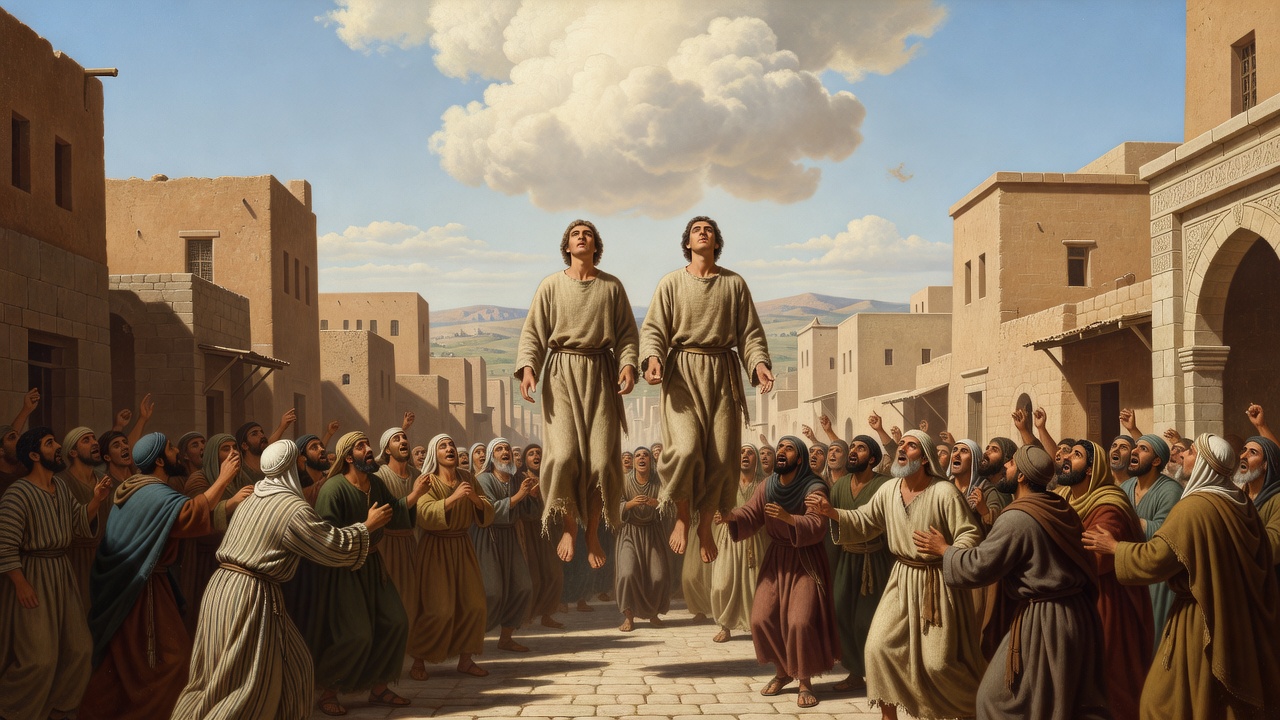
- When the two witnesses finish their testimony, the beast that comes up from the Abyss overpowers and kills them. For three and a half days, peoples, tribes, tongues, and nations view their bodies and will not permit them to be laid in a tomb, while the earth's inhabitants gloat over them, celebrate, and send one another gifts, because the two prophets had tormented them. After that, the breath of life from God enters them; they stand on their feet and go up to heaven in a cloud as their enemies watch.Sources: the Bible text itself
Notes written with AI assistance from open sources (Theographic Bible Metadata, CC BY-SA 4.0; Easton’s Bible Dictionary, public domain) and reviewed before publishing.
Places in this chapter
Only places identified with high confidence are shown (90% or more according to the scholarly sources compiled by OpenBible). Period map: DARE (Digital Atlas of the Roman Empire), CC BY 4.0; modern map: © OpenStreetMap contributors; places: OpenBible.info (CC BY 4.0).
Credits and license for this translation
Autaahaatɨhomɨ Pɨwɨha Gaaha Wanɨha
The New Testament in the Angaataha language of Papua New Guinea
Nupela Testamen long tokples Angaataha long Niugini
copyright © 2004 Wycliffe Bible Translators, Inc.
Language: Angaataha
Translation by: PNG Bible Translation Association
This translation is made available to you under the terms of the
Creative Commons Attribution-Noncommercial-No Derivatives license 4.0.
You may share and redistribute this Bible translation or extracts from it in any format, provided that:
You include the above copyright and source information.
You do not sell this work for a profit.
You do not change any of the words or punctuation of the Scriptures.
Pictures included with Scriptures and other documents on this site are licensed just for use with those Scriptures and documents.
For other uses, please contact the respective copyright owners.
2012-11-17
Source: http://png.bible/agm/ · eBible.org