Matthew 11
Autaahaatɨhomɨ Pɨwɨha Gaaha Wanɨha · Tap a verse to see its cross-references.
Kɨma Pɨwɨma Jisaasihounɨ Jonɨho Isɨhiyai Baawusisɨhounɨ Kuramɨ Otɨpɨpatɨ Kaiwaiwaapɨhaare
1Aihɨ Jisaasiho komɨ otɨpɨpatɨhiyaanɨ aposerɨhiyaanangi pɨwɨha wɨnɨhɨnyata kanyatiwaiwa katatɨ owematosatɨ otɨpɨpatɨ kaitɨhaawɨ nyangisɨ natanyoaasataise. Natanyoaasamapɨ sapɨhɨ namasi kapɨhɨ aunahɨpɨhaiwa detɨ ahetiwaiwaara isɨhiyai kataunja pɨwɨha ausaitandɨ daimɨ notaise.
2Aihɨ Jonɨho Isɨhiyai Baawusisɨho ko napwɨtatɨ bimimbɨpɨhapɨ Kɨraisiho otɨpɨpatɨ kaiwaiwaapɨ atisataise. Atisataatɨ komɨ otɨpɨpatɨhiyai Kɨraisihoenda koai wa nunjendaatɨwɨ natausaasataise. 3Natausaasihɨ nuwɨ noaipapɨ Jisaasihoai saundɨwɨ nunjenawaayopo. “Kɨnyɨ Jonɨho satatɨ Autaahaatɨhomɨ gaahaiwa watɨpɨhaiwa isɨhiyai iwɨtatamaŋɨtandɨhaiwa nesi napɨtaise tisɨhoŋɨ koŋo? E wopɨ nyahɨ jatɨtɨhaawo?” undɨwɨ nunjenawaayopo.
4Saundɨwɨ nunjenɨhauhɨ Jisaasiho komɨha sata kaundataase, “Kahapaamapɨpa nɨnɨ kandɨ kiyonɨhɨ sahɨ taawɨ atiwɨ mmonɨhowɨmaiwa kɨmaiwaapɨ jahɨra nuwɨ Jonɨhoai kaundɨwɨse. 5Isɨhiya ndɨha maipɨta asɨhatahiyai nɨnɨ nusorɨhaahonɨhɨ jahɨra nga jawaayopo. Aindɨ isɨhiya ikwauhɨrɨ ambɨpatɨ bɨwatetɨ napohiyai nisɨ watɨpɨhandɨ nunyatɨ andɨtɨwihonɨhɨ gaawimainjɨhɨ jahɨra dosi daayawaayopo. Aindɨ isɨhiya asaaha pɨsapɨpaisahiyai kapa nemwahonɨhɨ ambɨpatɨ gaahatɨ nusoaipataise. Aindɨ isɨhiya atihɨrɨ nɨwisapwinjɨhɨ atɨhomisohiyɨhiyai nurɨwatahonɨhɨ atisawaayopo. Aindɨ amɨ isɨhiya aimɨ napomahohiyɨhiyai anɨmwaahɨpatombɨ jahɨra gandɨ numwaatɨ nisɨ maarɨho dɨtɨhɨrɨ nunyonɨhɨ nepawaayopo. Aindɨ amɨ isɨhiya jamaamaŋɨnɨwɨ taanahiyɨhiyai kiyaisɨ Autaahaatɨho kahapaamapɨpa gaahaiwa kawitandɨhaiwaapɨ pɨwɨha ausaatɨ kaundataato. 6Iyataatɨ utaaho itapa wowaatɨ nisɨ kiyohɨwaiwaapɨ atisa mmonataatɨ ko kaatɨ gwɨnyapesɨrɨhɨretɨ kamaisanɨhandɨ kandɨ ko kaatɨ nisapɨ gɨnunyaasɨtɨhandɨ namaamataataahɨ gaasɨ maaritane,” undataase.
7Aihɨ Jonɨhomɨ otɨpɨpatɨhiya atiwɨmapɨ sapɨhɨ namasi taawɨ niyauhɨ isɨhiya wɨrisandiwɨ niyohiyɨhyai Jisaasiho Jonɨhopunda saundataase. “Sahɨ isɨhiya iwɨwɨrɨho owehapɨhɨ Jonɨhoenda niyohɨtɨndɨ napaamapa mmondaatɨwɨ niyopo? Utaaho wo komɨ maarɨho kɨpwɨnatɨ pɨwɨha sawaho gwɨnyapesɨha kamaatatɨ nehɨ isɨhiya atitaatɨwɨ maaritohɨrɨhɨretɨ awaatɨpɨho itɨpɨho netɨ ahoaihɨ notɨ nasataisɨhomatiya pɨwɨha katatɨ notɨ nasataihɨhoai iwinjaita nowaayowo? Owetise. 8Owetanaahɨ napaamapaapɨ niyopo? Utaaho apotɨhɨrɨ gaahɨrɨ watɨpɨhɨrɨ otiwa kaumbwaahɨrɨ niyotɨ bitosɨhoai iwinjaitaatɨwɨ nowaayowo? Owetise. Isɨhiya saiwɨ apotɨhɨrɨ watɨpɨhɨrɨ gaahɨrɨ otiwa kambwaahɨrɨ niyopɨhiyaahɨ awaisawɨhiyaisawɨ awaisawɨhiyaamɨ aŋɨpɨpɨhɨ bimopo. 9O sapaisangi owetanaahɨ akɨpɨpa napa mmondaatɨwɨ niyopo? Autaahaatɨhomɨ pɨwɨha atisa netɨ ausaasɨho pɨropetɨho wo sapɨhɨ bitosɨhɨ koai iwinjaitaatɨwɨ nowaayowo? Ye akɨtɨnɨhe. Akɨtɨnɨhɨndaatɨ Autaahaatɨhomɨ pɨwɨha atiwɨ nepɨ ausaahohiyɨhiya pɨropetɨhiyai nusatipɨhaatɨ sawahopɨ kiya katohɨwaiwa akɨwaiwema kiyatɨ mmonatɨ amɨ sawahoaisangi noaipatɨ Autaahaatɨhomɨ pɨwɨha atisa netɨ ausaasɨho pɨropetɨhoematataise. 10Iyataatɨ pɨwɨha kaiwa kiya katohɨwiwaamɨ netɨ akaahemasɨha Jonɨho sawahopɨ wa sata jɨpatɨpindataise. Iyataatɨ Autaahaatɨho sandaase:
‘Nisɨ pɨwɨha nisiho kɨmbɨhɨ kɨmore. Kɨmosɨ kinyɨ daihɨra daahuwatɨ nuwa gisapwaitandɨ kinyɨ jɨhɨ koaisɨ nɨnɨ netɨ nandusaasɨto,’ Marakaiho 3:1
tatɨ Autaahaatɨho kandaase tatɨ jɨpatɨpindataise. 11Isɨ kɨmandɨ nɨnɨ kasatɨtandiyonɨ baiwɨ gwɨnyaapɨse. Jonɨho Isɨhiyai Baawusisɨho nɨnɨ otɨpɨpatɨ kaitandɨhura tɨmetihɨ noaipatɨ nisɨ daihɨra daanusɨhondaatɨ isɨhiya yapɨpatambɨhiya nahatiyai nusatipɨhaahore. Siyatɨ isɨhiya nahatiyai nusatipɨhaahotihɨhandɨ kandɨ isɨhiya nisɨhetapɨ Autaahaatɨho iwinjatisawɨhiyaamɨ utaaho wo yatɨhɨ otɨtɨhapɨho Autaahaatɨhomɨ gaahaiwa asakiyatɨ mmonatɨ netaatɨ kandaahɨ Jonɨhoai nusatipɨhaahore.
12“Aihɨ Jonɨho dotɨ komɨ otɨpɨpatɨ namasatɨ isɨhiyai saundatɨ, ‘Autaahaatɨho komɨ Mwaahoetapɨ sangi jainja bimɨtandɨ kɨmo nasatɨ detɨndaise,’ undisuraapɨ Autaahaatɨho isɨhiyai iwinjatindɨhandɨ watɨpɨtatɨ waatɨ topɨtaata noaipatɨ awaindɨ gwɨnyanɨmɨ napinjatɨ wanɨ kɨmuraisangi taatɨ gwɨnyanɨmɨ notaise. Aihɨ isɨhiya watɨpɨhiya mwɨtetɨwɨ tipɨndɨnanɨwɨ nipinjanɨwɨ Autaahaatɨho isɨhiyai iwinjatindɨhandaatɨhɨ nandaapɨ kandi maaritɨwɨ namaŋɨndɨwɨ newaayopo. 13Iyataatɨ amɨ Mosesihomɨ pɨwɨha wɨnɨhapɨpaunɨ amɨ Autaahaatɨhomɨ pɨropetɨhiya komɨ pɨwɨha atiwɨ nepɨ ausaahohiyɨhiyaamɨhaunɨ Autaahaatɨho nasatɨ nisɨhetapɨ iwinja bimɨtandɨ gwɨnyaatɨ tɨmaniwaiwaapɨ jatataatɨ ausaataise. Ausaatɨ katɨmɨ nasatɨ Jonɨho noaipatɨ otɨpɨpatɨ kiyataatɨ kaiwaisɨ netɨ namasatɨ akɨwaiwematɨ ausaasurandaise. 14Isɨ Mosesihomɨ pɨwɨhaunɨ Autaahaatɨhomɨ pɨropetɨhiya pɨwɨha atiwɨ nepɨ ausaahohiyɨhiyaamɨ pɨwɨhaunɨ sahɨ atɨwitaatɨwaahɨ pɨwɨha satatɨ, ‘Awaisɨho napɨtandɨ asisɨha detɨtanɨhɨ Eraijaaho jahɨra jɨhɨ nasatɨ komɨ daihɨra daawuwɨtaise,’ tisɨha atitaapo. Atisawaawɨ Jonɨhopɨ Eraisaahomatiyahore tɨwɨ sahɨ gwɨnyapendaapo. 15Sahɨ samɨhandisɨ pɨwɨha kɨma atiwɨ naitaatɨwaahɨ atiwɨ nepɨse
16“Amɨ isɨmiya baiwɨ atɨhomiwɨ gɨmunyaapɨ wanɨ kɨmuraapɨmiyaapɨ nɨnɨ napitɨtɨtande? Gaasɨ namatɨ satɨtaano. Kiya manyinya nanɨhaiwɨ bindawaawɨ ikwaatɨpɨhoaatɨhɨ isohiyɨhiyaamataiwɨhiye. Iyawaawɨ usa sasaahoya usai saundohiyɨhiyaamatiyawaayopo. 17‘Nyahɨ apwɨtɨhɨrɨ etɨtaatiyaatɨ ipohaayo. Siyaatɨ ipohonɨhɨ sahɨ nyangisawɨ maaritɨwɨ wɨndɨ waipwaapɨ namaawesɨnɨhopo. Iyaatɨ amɨ nyahɨ etɨtaatɨtaatɨ awirɨhɨrɨ awirɨtonɨhɨ sahɨ nyangisawɨ maarɨho asɨpaiwɨ wɨndɨ gomaatopo,’ nnɨwɨ kanohiyɨhiyaamataiwɨhiye. 18Siyatɨ sɨrɨ kɨretɨ Jonɨho Isɨhiyai Baawusisɨhoaisangi noaipatɨ jinjahɨra nandapa namaanatɨ onaaya amɨ waapoho watɨpɨho wainɨhandɨ wɨndɨ namaanataise. Namainjɨhɨ isɨhiya kopɨ satawaatopo, ‘Ese utaamo kɨmo koai apɨpaahɨ wipetahosɨ wapa itɨpɨho maipɨhapa nɨwɨndaataise,’ tawaatopo. 19Iyawaawɨ amɨ Nɨnɨ Isɨhiyaamɨ Saahonɨnɨ Jɨhonɨnɨ noaipatɨ nandapa onaamaindɨ jinjahɨra nandapa waapoho wainɨhandɨ nanɨhonɨhɨ isɨhiya nisapɨ satawaatopo: ‘Ese utamo kɨmoai iwinjasapewɨse. Nandapa gwɨsɨha taupwɨmatɨ nipinja nanatɨ waapoho watɨpɨho naharitaatɨwɨho pɨhɨta nanahore. Iyatɨ isɨhiya apɨpaahɨ maipɨhiya nawɨho takisihandɨ newaawɨ katɨhapɨ sawanaapɨho nawɨho ikonɨhohiyɨhiyaisatunɨ amɨ isɨhiya kiyaamɨ usaisa ahoyana pɨwanna daaya bitondaise,’ tawaatopo. Satɨwɨ sahɨ saiwɨ manyinya nɨnɨ katohiyɨhiyaamataiwɨhiyaate. Iyawaahandɨ kandɨ ipotɨhura sahɨ mmonawaawɨ yɨhoaanyamɨ otɨpɨpatɨ kiyohɨwaiwetapɨ akɨpɨpa noaipahonɨhura sahɨ yɨhoaanyapɨ satɨtaapo: ‘Kurɨ kuramɨ otɨpɨpatɨ kaiwaiwa tɨtɨhɨ Autaahaatɨhomɨ gwɨnyapesɨrɨhɨretɨ akɨtɨnɨhɨ kiyamaise,’ tɨwɨ mmondaapo,” undatɨ Jisaasiho isɨhiyai kaundataase.
Kɨma Pɨwɨma Isɨhiya Maipɨhaiwaatɨhapɨ Namepemaitohiyɨhiyaapɨ Jisaasiho Itɨhɨtindɨhandapɨhaare
20Saundatosatɨ Jisaasiho isɨhiya aunahɨpɨhaiwa komɨ watɨpɨhaiwa taahɨwaiwa kaihɨ kapɨhɨ kiyaamɨ maipɨhaiwaatɨhapɨ jahɨra Namepemaitohiyɨhiyaapɨ itɨhɨndaase. 21Itɨhɨtatɨ sata kandaase, “Ese, Korasinɨhiyaatɨ amɨ Betɨsaitaahiyaate, sahɨ apɨpaahɨ maipɨhandɨ yaasatɨ naaŋɨhandɨ watɨpɨhandɨ naitaapo. O amɨ apaapɨmaato. Amɨ watɨpɨhaiwa taahɨwaiwa samɨhapɨhɨ samɨhatɨhɨ nɨnɨ kiyohɨwaiwa isɨhiya aunahɨpatɨ Tayaahandaahiya Saitonɨhandaahiyaamɨhapɨhɨ kiyaamɨhatɨhɨ saiwa kaisanaahɨ kiya jɨhɨ aimɨ ketɨ waatɨpatɨ tɨhoaamwɨtɨpatɨ nopɨ jaatɨwɨ yutɨha niyopɨ gwɨwɨ maarɨho asɨpaiwɨ kiyaamɨ maipɨhaiwaatɨhapɨ jahɨra nepemaitɨtauhe. 22Isɨ sahɨ baiwɨ kɨmandɨ gwɨnyaapɨse. Asisɨha isɨhiyai netɨ tipɨtapaitandɨhura Autaahaatɨho isɨhiya Tayaahiyaisunɨ Saitonɨhiyaisunɨ yaawatɨ naaŋɨhandɨ yatɨhɨ wamwaaŋɨ nunyataatɨ amɨ sangisɨ apɨpaahɨ awaindɨhandɨ nasamɨtaise. 23Amɨ sahɨ Kapaniyamɨhandaahiyaate, sangi Autaahaatɨho maarita autaahesamaitaiso? Owetɨtaise. Kohɨ sisɨhaapɨhɨ netɨ yasotɨtaise. O napaapono? Amɨ watɨpɨhaiwa nɨnɨ samɨhapɨhɨ kiyohɨwaiwa isɨhiya aunahɨpatɨ Sotomɨhiyaamɨhapɨhɨ kaisanaahɨ kiya kiyaamɨ maipɨhaiwaatɨhapɨ jahɨra nepemaitɨwɨ wɨndɨ owemetɨwɨ wanɨ kɨmura bimɨtauhe. 24Isɨ sahɨ baiwɨ kɨmandɨ gwɨnyaapɨse. Asisɨha isɨhiyai netɨ tipɨtapaitandɨhura Autaahaatɨho isɨhiya Sotomɨhiyai yaawatɨ naaŋɨhandɨ yatɨhɨ wamwaaŋɨ nunyataatɨ amɨ sangisɨ apɨpaahɨ awaindɨhandɨ nasamɨtaise,” tatɨ Jisaasiho isɨhiyaapɨ itɨhɨndaase.
Kɨma Pɨwɨma Jisaasiho Nisaapɨhɨ Napɨwɨ Ikɨnɨwɨse Tindɨhandapɨhaare
25Isɨhiyai saundatɨ namɨhaatosatɨ Jisaasiho sandaase. “Apore, yamɨhapatɨ yapɨpatamɨ Awaisɨhonye, kinyɨ gwɨnyapehingɨwaiwa isɨhiya yapɨpatambɨ amɨtɨha awaisɨhaisahiyaapɨ nepɨ noaasapɨ isɨhiya manyinyaamataiwɨ nanɨhaiwɨhiyai nepɨ nunjinɨhɨ kandapɨ nɨnɨ gisɨ, ‘gaare, gaahoŋe,’ hɨtataato. 26Ye, akɨte apore, sandɨ saingɨtɨmandɨ kɨwahonyɨ gwɨnyapepɨ saitaano tɨpɨ maaritingɨtɨhanda kiyapaise,” ndaase. 27Satatosatɨ amɨ sandaase, “Apɨho komɨ gwɨnyapesɨwaiwa nahatewa nanɨsatɨ aimɨ nɨngi naninyataise. Utaaho wo mambɨho Autaahaatɨhomɨ Mwaahonɨnɨhi wɨndɨ biyatɨ maanose. Nehɨ nisɨ Apɨho Sawahohɨhe. Iyataatɨ amɨ utaaho wo mambɨho nisɨ Apɨhoai wɨndɨ biyatɨ mausose. Nehɨ nɨnɨ Komɨ Mwaahonɨnɨ nɨwahonɨnɨhe. Nɨwahonɨnɨndaatɨ amɨ isɨhiya usaisɨ nɨwahonɨnɨ maaritɨtɨ gwɨnyaahohɨtɨhanda nisɨ Apɨhoai kiyaisɨ netɨ nunjisanɨhiyaahɨhɨ usondaapo.
28“Isɨhiyaatɨ sahɨ wapa kahapaamapɨpa naaŋɨhapa wɨrapɨ isɨpɨ daayawaawɨ samɨ gwɨnyaahohɨtɨhandɨ maarɨho ambɨpatɨ nepɨ nopɨsasɨnɨwɨ naaŋasisa nasɨrapetisawɨhiyaate, nɨnɨ sangi ikɨndaatɨwɨhandɨ nasamɨtaanɨ sahɨ nahatiyaatɨ nɨngisenda napɨwɨse. 29Napɨwɨ nisɨ kandɨsasohɨwaiwa otɨpɨpatɨ nepɨ sawanaatamɨhetemapɨ amɨ nisɨhetapɨ kaiwa mmowɨ kaiwɨ nepɨse. O napaapono? Amɨ nɨnɨ utaahonɨnɨ napaisɨhonɨnɨ nisɨ maarɨhoaatɨhɨ yatɨhɨ ipatisanɨtɨhonɨnisɨ amɨ sahɨ nisɨhetapɨ ikɨndaatɨwɨhandɨ naitaapo. 30Amɨ nɨnɨ kandisasohɨpɨpa sapa usaayɨhapaasɨ sahɨ nga samɨ ikotɨhaasɨnɨ tɨpwɨtɨtaapo, amɨ sahɨ isɨwɨtaatɨwɨ nasanyohɨpɨpa usaayatɨ wɨndɨ naahomaaŋɨhapaasɨ sahɨ nanɨhaiwɨ nga isɨwɨtaapo,” ndaase.
Did you know?
John's question and the cities that did not repent
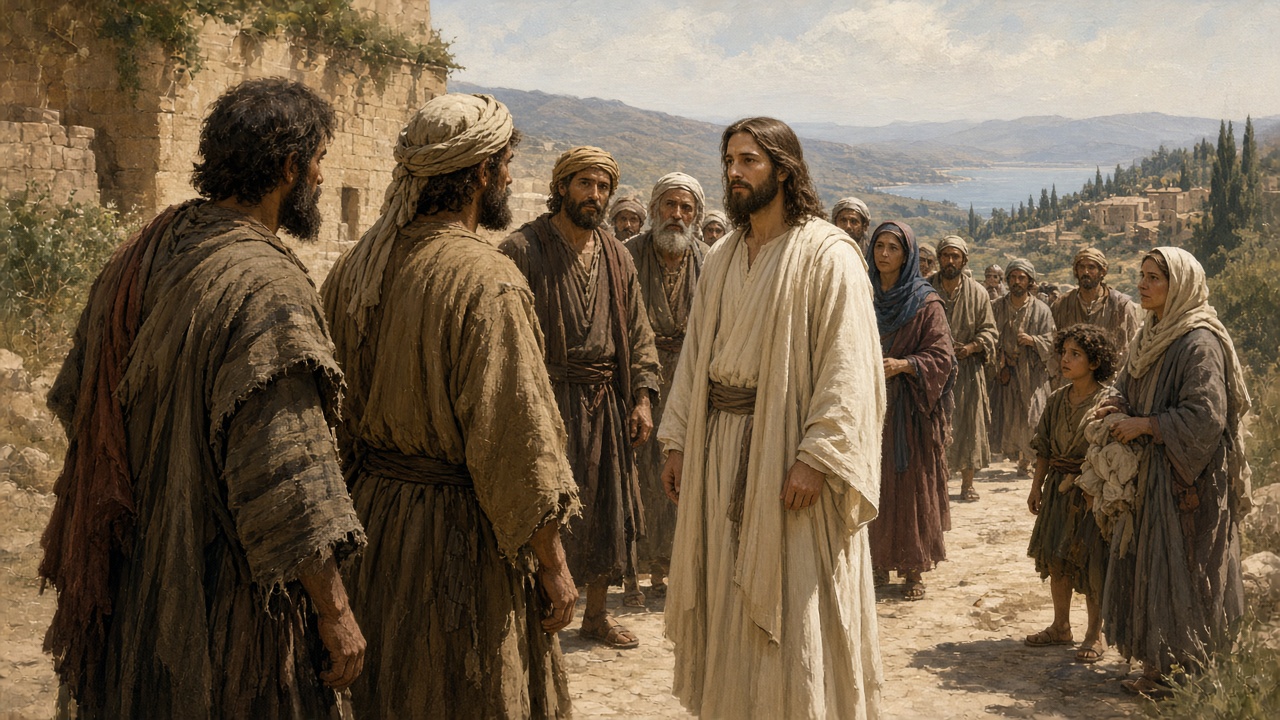
- From prison, John sent his disciples to ask whether Jesus was the one who was to come. Jesus told the crowds that John was more than a prophet—the messenger sent ahead to prepare the way—and, if they were willing to accept it, the Elijah who was to come. A Bible dictionary calls John the forerunner and says his mission was already the subject of prophecy, citing Isaiah 40:3 and Malachi 3:1; it also introduces Elijah as the Elias of the New Testament.Sources: the Bible text itself · John the Baptist · Elijah
- Jesus then denounced Chorazin, Bethsaida, and Capernaum, where most of his miracles had been performed, because they did not repent. A dictionary identifies Chorazin with modern Kerazeh, about two and a half miles up the Wady Kerazeh from Capernaum, and says that Capernaum, absent from the Old Testament, became Jesus' own city after he left Nazareth. It places Bethsaida on the east side of the lake, two miles up the Jordan in Gaulonitis, enlarged by Philip the tetrarch and named Julias after the emperor's daughter, though some have supposed there was only one Bethsaida, near where the Jordan enters the lake.Sources: the Bible text itself · Chorazin · Capernaum · Bethsaida
- He set those cities against Tyre and Sidon, which he said would have repented long ago in sackcloth and ashes, and against Sodom, which he said would have remained to this day. Sidon, on the Mediterranean coast about twenty-five miles north of Tyre, was the oldest Phoenician city there and the mother city of Tyre. A dictionary says the commerce of the whole world was gathered into Tyre's warehouses, and that Sodom, in the vale of Siddim, was destroyed by fire from heaven so completely that no trace of it has been found.Sources: the Bible text itself · Sidon · Tyre · Sodom
Notes written with AI assistance from open sources (Theographic Bible Metadata, CC BY-SA 4.0; Easton’s Bible Dictionary, public domain) and reviewed before publishing.
Places in this chapter
- Galilee · 32.760, 35.527 · verse 1
- Sidon · Today: Sandikli archaeological site in Sidon · 33.561, 35.372 · verses 21, 22
- Tyre · 33.271, 35.196 · verses 21, 22
Only places identified with high confidence are shown (90% or more according to the scholarly sources compiled by OpenBible). Period map: DARE (Digital Atlas of the Roman Empire), CC BY 4.0; modern map: © OpenStreetMap contributors; places: OpenBible.info (CC BY 4.0).
Credits and license for this translation
Autaahaatɨhomɨ Pɨwɨha Gaaha Wanɨha
The New Testament in the Angaataha language of Papua New Guinea
Nupela Testamen long tokples Angaataha long Niugini
copyright © 2004 Wycliffe Bible Translators, Inc.
Language: Angaataha
Translation by: PNG Bible Translation Association
This translation is made available to you under the terms of the
Creative Commons Attribution-Noncommercial-No Derivatives license 4.0.
You may share and redistribute this Bible translation or extracts from it in any format, provided that:
You include the above copyright and source information.
You do not sell this work for a profit.
You do not change any of the words or punctuation of the Scriptures.
Pictures included with Scriptures and other documents on this site are licensed just for use with those Scriptures and documents.
For other uses, please contact the respective copyright owners.
2012-11-17
Source: http://png.bible/agm/ · eBible.org