Hebrews 3
Autaahaatɨhomɨ Pɨwɨha Gaaha Wanɨha · Tap a verse to see its cross-references.
Jisaasiho Mosesihoai Apɨpaahɨ Awaindɨhandɨ Nusatipɨhaahore
1Isɨ nisɨ naisɨhiyaatɨ nisataiwɨ Kɨraisihopɨ gɨwunyaahohiyɨhiyaatangi Autaahaatɨho yamɨhapataatɨhɨ bimɨtaatɨwɨhandɨ naitaatɨwɨ sapɨ gaatatɨ nasɨsenatɨ amɨ ko sawahopɨ sangi nasamɨhainjɨhɨ amɨ sahɨ komɨhiyaate. Isɨ sahɨ Jisaasiho Autaahaatɨho netɨ natausaasisɨho aposerɨho amɨ Pɨrisiho Mɨtɨho Jɨhopɨ bapaiwɨ gwɨnyaapɨ mmonɨwɨse. So Jisaasiso nyahɨ kopɨ gɨwunyaawaatɨ amɨ kandɨ ausaawaatɨ katohɨhore. 2Sɨkiyatɨ kaitandɨ Autaahaatɨho namɨhanatɨ ahɨwihɨhore. Ahɨwihɨhosɨ Autaahaatɨho gwɨnyaatɨ maaritirɨhɨretɨ japepihɨratɨ Koai Autaahaatɨho otɨpɨpatɨ kaime undipatɨ nga napaitatɨ kiyataise amɨ jɨhura Mosesiho Autaahaatɨhomɨ isɨhiyai nususasamatiyatɨ winjaatɨ bindata Autaahaatɨho pɨwɨha kaundisɨha atɨwisatɨ japepihɨripatamatiyato. 3Iyataahandɨ kandɨ nyahɨ Jisaasihopɨ maaritaatɨ koai mepɨ autaahemwaitɨhaawɨ Autaahaatɨho gwɨnyaataise. Sandɨ apaapɨmaato aŋaaŋɨ aŋɨmatisɨhopɨ isɨhiya gaahoe tɨwɨ maaritɨtaapo. O amɨ aŋɨhandɨ sawandɨpɨndapɨ kiya wɨndɨ waatɨ maarɨmitopo. Owetise. Isɨ sɨkiyatɨ sɨkɨretɨ isɨhiya Jisaasihopɨ maaritɨwɨ koai waatɨ mepɨ autaahepumaitaapo Mosesihopɨ maaritotɨhandɨ yatɨhɨtanɨho. Sandɨ apaapɨmaato, Jisaasiho so isɨhiya aŋaaŋamataiwɨhiyai kiyatɨ ahaisɨhore. Iyatɨ amɨ isɨhiya Autaahaatɨhomɨ aŋaaŋamataiwɨhiyai winjatisɨho Mosesihoaisangi Jisaasiho kiyatɨ ahɨwihɨhore. 4Iyataatɨ aŋɨhaiwa nahatewaahɨ isɨhiya aŋɨmatɨwɨhaiwaare. O amɨ kahapaamapɨpa nahataapaahɨ Autaahaatɨho sawaho kiyatɨ ahaihɨhapaare. 5Iyataatɨ amɨ jɨhaatɨ Mosesihopunɨ amɨ Jisaasihopunɨ biyaatɨ mmondɨhaawo. Nyahɨ Autaahaatɨhomɨhiyaanɨ aŋaaŋɨ naasaindaapɨhɨ bimohiyɨhiyaamatiyaahiyaane. Isɨ Mosesiho so isɨhiya Autaahaatɨhomɨhiyaamɨhapɨhapɨhore. Iyataatɨ Mosesiho so Autaahaatɨhomɨ nehɨ otɨpɨpatɨhosɨ pɨwɨha kaundisɨha atisatɨ netɨ japepihɨrahore. Iyatɨ amɨ ipotɨhura Kɨraisiho nasonɨhura wapa Autaahaatɨho ausaatɨ katatɨ kaitandɨhapaapɨ isɨhiyai kataunjisɨhore. 6Iyataatɨ amɨ Kɨraisihohɨ Autaahaatɨhomɨ Mwaahosɨ amɨ ko isɨhiya Autaahaatɨhomɨ aŋaaŋamataiwɨhiya bimohiyɨhiyaamɨ mɨtɨho Jɨhoematatɨ kiyai Autaahaatɨhopɨ winjatataise. Nyahɨ Autaahaatɨhomɨ aŋɨhiyaanɨ kɨmɨkiyaane. Aihɨ ko Autaahaatɨhomɨ otɨpɨpatɨ napaitatɨ kiyaapɨ kiyatɨ kiyai nga winjaatɨ bindataise. Iyatɨ ko satɨ otɨpitɨ Autaahaatɨho pɨwɨha koai kaundisɨha atisatɨ japepihɨratɨ kiyataise. Isɨ nyahɨ andɨtitaatɨ kiyaanɨnɨhɨ bindɨhaawɨ Autaahaatɨho ipotɨhura gaahaiwa kanyisatɨ nanyamɨtandɨ katiwaiwa nanyamɨtaiso taatɨ tɨhaapiyaatɨ maarita jatɨhaawaahɨ sandɨ nyahɨ Jisaasihoai nuwipinja Autaahaatɨhomɨ aŋɨhusanaanimataatɨ maasɨ bindɨhaawe.
Isɨhiya Autaahaatɨhoai Ahosumwahohiyɨhiya Aunahɨpa Gaahatɨ Ikɨndaatɨwɨhatɨ Wɨndɨ Namaitaapo
7Amɨ kɨmandɨ kandapɨ sahɨ samɨ jaasoya jaasisa jɨhura Koai ahosumwahohɨpatamataiwɨ Autaahaatɨhoai wɨndɨ ahosumwaamapɨse. Autaahaatɨhomɨ Itɨpɨho Gaaho pɨwɨha katisɨha sahɨ baiwɨ atiwɨse tatɨ Autaahaatɨhomɨ pɨwɨhaamɨ utɨpɨhoaatɨhɨ wapɨhɨ jɨpatɨpindise. Iyataatɨ pɨwɨha kaatɨhapɨ Itɨpɨho sandaase:
“Amɨ wanɨ kɨmura asisɨma kɨmetɨ Nɨnɨ Autaahaatɨhonɨnɨ sangi taatɨ pɨwaasatisanaahɨ Nɨnɨ katisanɨha sahɨ atiwɨse. 8Amɨ sahɨ samɨ maarɨho omaaŋɨtɨtɨhɨ nepɨ daahɨ watɨpɨtɨwɨ nisapɨ namisapupwɨse. Amɨ samɨ jaasoya jaasisa Isɨraherɨhiya jɨhura nɨngisɨ maatɨmaatɨniwɨ koai wipɨwimainjotɨwɨ jatawa nɨngi nanisepaipapɨ pohɨrɨndohɨpatamataiwo. Amɨ sura kiya yapɨpatɨ aunahɨpatɨ (isɨhiya iwɨwɨrɨho amɨ waapoho owehapɨhɨ) awasɨhapɨhɨ bimohura nɨngisɨ sandɨ kanisawaayopo. 9Amɨ sapɨhɨ kɨnaunkwɨha 40 kiyahaiwetɨ nɨnɨ otɨpɨpatɨ apɨpaahɨ watɨpɨhatɨ gonipatɨ kiyohɨpɨpa kiya kiyaamɨ ndɨhaara mmonawaayopo. Mmonawaahandɨ kandɨ kiya nisapɨ satɨwɨ ko nyangi wapa kamaanyitaiso tɨwɨ sapɨhɨ kiya mwɨtetɨwɨ maatɨmaatɨniwɨ amɨ ko napitaise tɨwɨ nɨngi nanɨsenawaayopo. 10Aihɨ amɨ nɨngi isɨhiya siyaapɨ apɨpaahɨ aponyihɨ amɨ nɨnɨ sandaato, Kiya kɨmiya kiyaamɨ maarɨhoaatɨhɨ nisapɨ wɨndɨ gɨmaanunyaapɨ nanɨmapɨ amɨ nisapɨ nawɨsawitawaayopo. Aiwɨ amɨ Nɨnɨ kiya wapa kaitaatɨwɨ kaundohɨpɨpa wɨndɨ monɨwɨ amɨ wɨndɨ atiwɨ japepihɨrɨwɨ kamaayopo. Owe. 11Siyauhɨ amɨ nɨngi kiyaapɨ apɨpaahɨ aungwohandɨ aponyihɨ nɨnɨ pɨwɨha apɨpaahɨ watɨpɨha watɨpɨndɨ sandaato. Aunahɨpatɨ kiya nɨngisawɨ maasɨ nga ikɨndaatɨwɨhandɨ numwɨto ndɨ katohɨpata kiya wɨndɨ akɨtɨnɨhɨ namɨndaitaapo ndɨ kandaato,” Aunɨhɨhɨrɨ 95:7-11
tatɨ katise.
12Isɨ amɨ nisɨ naisɨhiyaatɨ nisataiwɨ Kɨraisihopɨ gɨwunyaahohiyɨhiyaate, sahɨ baiwɨ jatɨnɨwɨhiyaatɨ bitosawɨse. Amɨ samɨhatɨhapɨ usa wo waatɨ omaŋɨtɨtɨhɨ maipɨhandɨ gwɨnyaatɨ amɨ Kɨraisihopɨ gɨmaawunyaitaiso. Wo waatɨ siyataatɨ amɨ Autaahaatɨho konɨhɨ asoho bimisɨhoai namaitaisɨ sahɨ baiwɨ jatɨnɨwɨse. 13Isɨ amɨ sahɨ wɨndɨ samaiwɨ namapɨ amɨ asisɨha nahata nɨnaasetɨ sahɨ nɨnaasoŋɨ nɨnaasaaŋɨhɨ nepɨ wowaati andɨtɨwipɨ amɨ nepɨ ususaatɨ andɨtitɨwɨ nyahɨ biyaatɨ jatɨnaatɨ tɨtɨhɨ daitɨhaawo nɨwɨ kiyaatɨnɨhɨ kaimɨ nuwɨse. Amɨ samɨ woŋɨ waaŋɨ Autaahaatɨhopɨ samɨ maarɨhoaatɨhɨ amɨtɨhetɨ watɨpɨtɨwɨ daahɨ nisaputisaihɨ amɨ sangi wiwa maipɨhandɨ jaipɨsatɨtaise. Isɨ nyahɨ katɨhaawɨ, “asisɨha wanɨ kɨmuraaro,’ tohɨmetɨ sahɨ sandɨ saiwɨ kaiwɨse. 14Amɨ nyahɨ akɨtɨnɨhɨ wanunɨ ipotɨ ipotunɨ wuwanɨhura akɨtɨ tɨtɨhɨ nga mmonaatɨ ko nga wapa kaitaiso taatɨ gɨwunyaahohɨpatamatiyaatɨ kiyaanɨnɨhɨ Kɨraisihopɨ gɨwunyaawaatɨ isɨwatɨmɨ nowaatɨ ipotɨhura otasaahapɨhɨndaataahɨ amɨ nahataapa otɨpɨpatɨ Kɨraisiho kaimbɨpa amɨ wapa komɨhapa nyahɨ newaatɨ koaisaatɨ kiyaatɨ amɨ nɨnawɨpɨhɨ taawa nehaayo. 15Amɨ siyatɨ Autaahaatɨhomɨ pɨwɨha wa wapɨhɨ jɨpatɨpindisɨhaatɨhapɨ wo satise:
“Amɨ wanɨ kɨmura asisɨma kɨmetɨ Autaahaatɨho sangi taatɨ pɨwaasatonɨhɨ sahɨ koai atɨwisawaawaahɨ amɨ sahɨ koai nepumapɨ daahɨ watɨpɨtɨwɨ samɨ maarɨho kopɨ nepɨ namisaputɨwɨse, samɨ jaasoya jaasisa Isɨraherɨhiya jɨhura koai maatɨmaatɨwiwɨ nepumapɨ kiyohɨpatamataiwo,” Aunɨhɨhɨrɨ 95:7-8
tatɨ jɨpatɨpindise.
16Amɨ ko (Autaahaatɨho) sawaho komɨ maahomwaaŋapɨ pɨwaundihɨ atisawaahandɨ kandɨ koai maatɨmaatɨwisohiyɨhiya diyaare? Siya Mosesiho numwaasi napihɨ Isipɨhanda namasi nasohiyɨhiyaamaho? Ye! Kɨmɨkiya Autaahaatɨhoai maatɨmaatɨwisopo. 17Iyataatɨ amɨ Autaahaatɨho diyaapɨ apowise? Amɨ isɨhiya koai maatɨmaatɨwiwɨ maipɨhandɨ kaiwɨ amɨ isɨhiya irɨwɨrɨho waapoho owetatɨ awasatɨ watɨminɨhapɨ sawana napohiyɨhiyaapɨmaaho? Ye! Amɨ kɨmɨkiyaapɨ koai apowise. 18Aihɨ amɨ Autaahaatɨho diya nisɨ ikɨnotɨhandaatɨhɨ napɨwɨ namɨndaitaapo tatɨ pɨwɨha apɨpaahɨ watɨpɨtatɨ katise amɨ isɨhiya koai atɨhomaawiwɨ nepumahohiyɨhiyaametonaaho? 19Aihɨ amɨ sandɨ nyahɨ wanɨ mmonɨhaayo. Amɨ kiya sawana (Autaahaatɨhopɨ) gɨmaawunyaahohɨtɨhanda kiya komɨ ikinjɨtɨhandaatɨhɨ namɨndaahauho.
Did you know?
Greater Glory Than Moses
- Hebrews asks its readers to fix their attention on Jesus, the apostle and high priest they confess. He was faithful to the one who appointed him, just as Moses was faithful in all God's house, but Jesus is counted worthy of greater glory than Moses, as the builder of a house has greater honor than the house. Moses was faithful as a servant; Christ is faithful as the Son over God's house.Sources: the Bible text itself
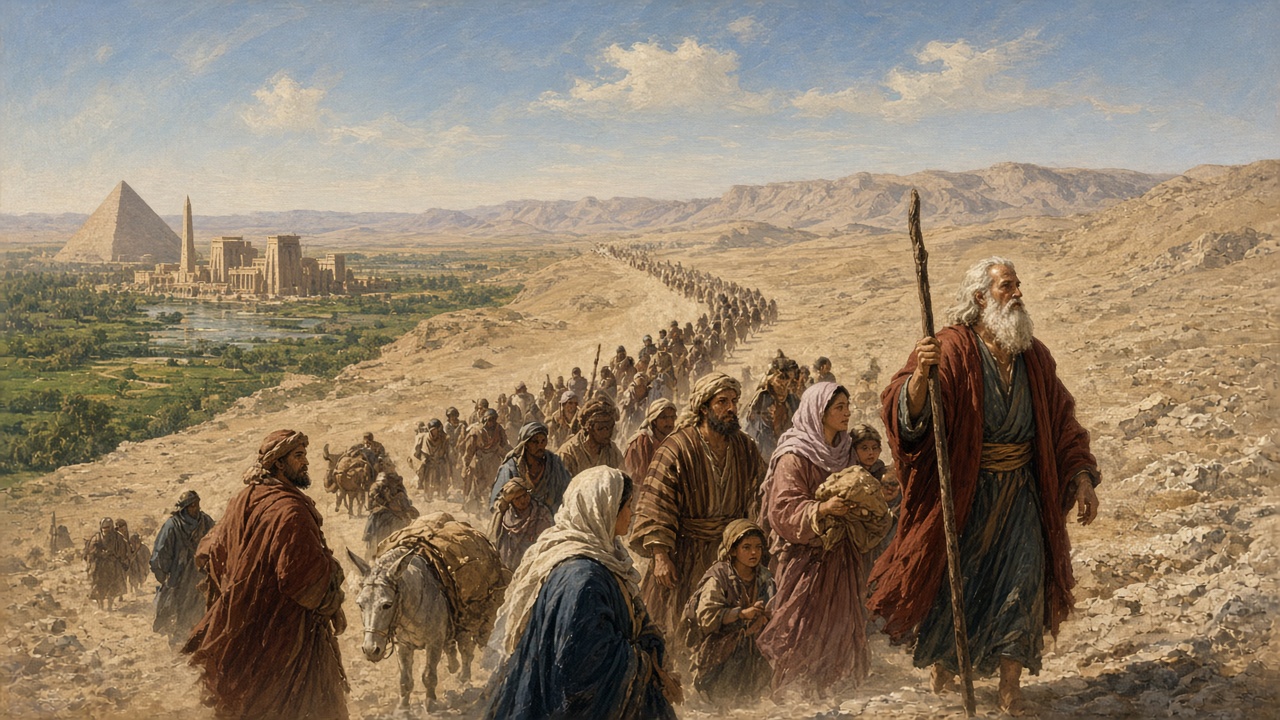
- The warning looks back to the people Moses led out of Egypt. For forty years in the wilderness they tested God, who was angry with that generation and swore they would never enter his rest; their bodies fell in the wilderness. The chapter says that unbelief kept them from entering.Sources: the Bible text itself
- Egypt, the land they left with Moses, is the land of the Nile and the pyramids. Easton's Bible Dictionary (1897) explains the name Moses as Drawn, or links it with the Egyptian word mesu, meaning son.Sources: the Bible text itself · Egypt · Moses
Notes written with AI assistance from open sources (Theographic Bible Metadata, CC BY-SA 4.0; Easton’s Bible Dictionary, public domain) and reviewed before publishing.
Places in this chapter
- Egypt · 30.129, 31.308 · verse 16
Only places identified with high confidence are shown (90% or more according to the scholarly sources compiled by OpenBible). Period map: DARE (Digital Atlas of the Roman Empire), CC BY 4.0; modern map: © OpenStreetMap contributors; places: OpenBible.info (CC BY 4.0).
Credits and license for this translation
Autaahaatɨhomɨ Pɨwɨha Gaaha Wanɨha
The New Testament in the Angaataha language of Papua New Guinea
Nupela Testamen long tokples Angaataha long Niugini
copyright © 2004 Wycliffe Bible Translators, Inc.
Language: Angaataha
Translation by: PNG Bible Translation Association
This translation is made available to you under the terms of the
Creative Commons Attribution-Noncommercial-No Derivatives license 4.0.
You may share and redistribute this Bible translation or extracts from it in any format, provided that:
You include the above copyright and source information.
You do not sell this work for a profit.
You do not change any of the words or punctuation of the Scriptures.
Pictures included with Scriptures and other documents on this site are licensed just for use with those Scriptures and documents.
For other uses, please contact the respective copyright owners.
2012-11-17
Source: http://png.bible/agm/ · eBible.org