1 John 3
Autaahaatɨhomɨ Pɨwɨha Gaaha Wanɨha · Tap a verse to see its cross-references.
1Ese isɨhiyaate, Apɨho nyangi maarɨho aungwohandɨ nanyinyataise. Nanyinyataatɨ nyangi, “nisɨ metɨhonyaate,” nyatataase. Iyataatɨ sandɨ akɨte, nyahɨ aimɨ noaipawaatɨ komɨ metɨhonyaanimatahaayo. Siyaatɨ nyahɨ noaipawaatɨ Autaahaatɨhomɨ metɨhonyaanimatonɨhɨ isɨhiya yapɨpatambɨhiya nyapɨ, Autaahaatɨhomɨ metɨhonyaare, tɨwɨ baiwɨ gwɨnyaapɨ maanyisonɨhotɨmandɨ apaapɨmaahe, kiya nyamɨ Apɨho Autaahaatɨhopɨ wɨndɨ baiwɨ gɨmunyaapɨhiyaatawaawɨ saiwa kiyawaayopo. 2Iyataatɨ naisɨhiyaatɨ Jisaasihopɨ gɨwunyaahohiyɨhiyaate, nyahɨ aimɨ noaipawaatɨ Autaahaatɨhomɨ metɨhonyaanimatahaayo. Siyaatɨ Autaahaatɨhomɨ metɨhonyaanimatahaawɨ ipotɨhura yamɨhapataatɨhɨ nɨnapitiyaatɨ bimɨtɨhaawe, taatɨ wɨndɨ biyaatɨ monɨho. Siyaatɨ monɨhaahandɨ kandɨ nyahɨ aimɨ siyaatɨ gwɨnyaahaayo, ipotɨhura Kɨraisiho nyangisaapɨhɨ auta noaipahonɨhura nyahɨ koai tɨtɨhɨ usonahaawɨ noaipawaatɨ komatiyaatɨ bimɨto taatɨ aimɨ gwɨnyaawaahiyaanɨne. 3Iyataatɨ isɨhiya Jisaasihopɨ nasatɨ nanyamaahonɨhɨ komatiyaatɨ bimɨto, tɨwɨ gwɨnyaahohiyɨhiya kiyaamɨ omaŋɨtɨtɨhɨ maipɨhaiwa ahotiwaiwa tɨwɨhaapɨ nemapɨ tɨtɨhɨ gaahiya Kɨraisiho tɨtɨhɨ gaaho ainahɨho bimipatamataiwɨhiya bindawaayopo. 4Maipɨhando tɨwɨ ambɨhɨtohɨtɨmandɨ sandɨ Autaahaatɨhomɨ wɨnɨhapɨpai nemaitandɨhandapɨtopo. Isɨ utaaho wo maipɨhandɨ kiyataataahɨ so Autaahaatɨhomɨ wɨnɨhapɨpa nemataise. 5Iyataatɨ Kɨraisiho nehɨ utaahoematatɨ nyamɨ maipɨhaiwa nenyamaitandɨ nasataise. Iyataatɨ Kɨraisiho so maipɨhaiwa wɨndɨ kamaayaho utaaho ainahɨhore. Aihɨ sandapɨ sahɨ aimɨ gwɨnyaapɨhiyaate. 6Isɨ utaaho wo Kɨraisihoaisatɨ tɨmaamaitatɨ maasɨ bindataataahɨ so maipɨhaiwa wɨndɨ pɨhɨtatɨ kamaitaise. Owetɨtaise. Iyataatɨ amɨ utaaho wo maipɨhaiwa pɨhɨtatɨ kiyonaaraahɨ so Kɨraisihopɨ wɨndɨ biyatɨ gɨmunyaatɨ atɨhomisahondaate, taatɨ gwɨnyaitɨhaawe. 7Iyataatɨ nisɨ metɨhonyaate, isɨhiya usa napɨwɨ sangi sasatɨtaapo, Autaahaatɨhomɨhɨretɨ japepihɨrɨwɨ bindawaawɨ amɨ maipɨhaiwo, tohɨwaiwaisangi gaasɨ ahoyawɨ kaiwɨse, satɨwɨ sangi jaiwɨsatɨtaawɨ sahɨ baiwɨ jaawo. Utaaho wo maipɨhaiwa kamaayatɨ tɨtɨhɨ gaahaiwa kaisɨho so Kɨraisihomatiyatɨ tɨtɨhɨ gaaho ainahɨhore. 8Iyataatɨ jɨhɨ wuwanɨhura Bwaasɨrɨhɨrɨ maipɨhandɨ namasatɨ kiyataise. Isɨ isɨhiya usa maipɨhaiwa pɨhɨtɨwɨ kiyawaawaahɨ siya noaipapɨ Bwaasɨrɨhɨramɨ mwaayaimatawaayopo. Autaahaatɨhomɨ Mwaaho auta nyangisaapɨhɨ napindɨmandɨ apaapɨmaahe. Bwaasɨrɨhɨramɨ otɨpɨpatɨ maipɨhaiwa sɨkaiwa netɨ nopɨsasatɨ nemaitandɨ nasataise. 9Iyataatɨ isɨhiya usa noaipapɨ Autaahaatɨhomɨ metɨhonyaimatawaahiya maipɨhaiwa pɨhɨtɨwɨ kiyaanɨhɨ wɨndɨ kamaitaapo. Owetɨtaise. Sandɨ apaapɨmaahe, Autaahaatɨhomɨhɨretɨ aimɨ newaawe. Iyataatɨ Autaahaatɨhomɨ Itɨpɨhoraahɨ isɨhiya noaipapɨ wanɨhiyaimatohiyɨhiya maipɨhaiwa kiyaanɨhɨ pɨhɨtɨwɨ kamaitaapo. Owetɨtaise. 10Iyataatɨ Autaahaatɨhomɨ metɨhonyaimatohiyɨhiya siyaare, Bwaasɨrɨhɨramɨ metɨhonyaimatohiyɨhiya siyaare, taatɨ mmondɨhaahandɨ siyate: Isɨhiya Autaahaatɨhomɨ maaritirɨhɨretɨ minjapepihɨrɨwɨ amɨ isɨhiya Jisaasihopɨ gɨwunyaahohiyɨhiyai maarɨho baiwɨ namunyohiyɨhiya siya Autaahaatɨhomɨ mwaayaamaahe, taatɨ biya gwɨnyaitɨhaawe.
Kɨma Pɨwɨma Isɨhiyaisaatɨ Maarɨho Tɨtɨhɨ Biyaatɨ Namɨnɨndɨhaahandapɨhaare
11Iyataatɨ jɨhura Jisaasihomɨ kaiwaiwaapɨha pɨwɨha atisawaahuraarɨ pɨwɨha satɨwɨha aimɨ atiwɨhiyaate, nyahɨ isɨhiyaisaatɨ maarɨho namɨnɨndɨhaawo, tɨwɨ pɨwɨha katauhɨ aimɨ atiwɨhiyaate. 12Iyataatɨ Kenɨho Bwaasɨrɨhɨramɨhɨretɨ japepihɨrahosɨ kɨramɨ mwaahosɨ komɨ saingɨho Aberɨhoai sawaho tiwataise. Isɨ komɨ kaindɨhandɨ nyahɨ newaatɨ kamaitɨhaawo. Iyataatɨ Kenɨho komɨ saingɨhoai tiwindɨmandɨ napaape. Sandɨ apaapɨmaahe, Autaahaatɨho Aberɨhomɨ gaarehandapɨ maaritataatɨ Kenɨhomɨ gaarehandapɨ Autaahaatɨho wɨndɨ maarɨmitihɨ mmonataatɨ sandapɨ apowihɨ namatɨ komɨ saingɨhoai sawaho tiwamataise. 13Nisataiwɨ Jisaasihopɨ baiwɨ gɨwunyaahohiyɨhiyaate, isɨhiya yapɨpatambɨhiya Jisaasihopɨ wɨndɨ baiwɨ gɨmunyaapɨhiya Kenɨhomɨ kaipatamataiwɨ sapɨ apousonɨhɨ sangi naaŋɨhaiwa nasamisaihɨ kandapɨ sahɨ yaiwɨ samɨ maarɨho owemaasetane. 14Iyataatɨ nyahɨ isɨhiya usaisaatɨ maarɨho namɨnɨhohɨtɨhandaahɨ siyaatɨ aimɨ gwɨnyaahaayo: Isɨhiya apɨpaahɨ kiyaanɨhɨ napwɨtaatɨwɨhandaatɨhɨ namasisɨ nasaatɨ asɨyaanimataatɨ bimɨtɨhaawɨhandaatɨhɨ aimɨ bindahaayo, taatɨ aimɨ gwɨnyaahaayo. Isɨ utaaho wo isɨhiyai maarɨho wɨndɨ biyatɨ namunyataataahɨ so apɨpaahɨ napwɨtaatɨwɨhandamɨ watɨpɨhandaatɨhɨ konɨhɨ bindataate. 15Isɨ utaaho wo isɨhiyai maarɨho biyatɨ namunyatɨ isɨhiyaapɨ apousataataahɨ mɨkandɨ isɨhiyai tiwamataise. Iyataatɨ isɨhiyaisɨ tiwamasɨho so komɨ asɨtimatatɨ jinjapɨhɨ jinjapɨhɨ bimɨtandɨhandɨ apɨpaahɨ owehore, tɨwɨ aimɨ gwɨnyaapɨhiyaate. 16Iyataatɨ Jisaasiho nyangi maarɨho nanyinyataatɨ nyatatamanatɨ andɨtɨnyaiwɨtandɨ naaŋɨhandɨ netɨ napotaise. Siyatɨ andɨtɨnyaiwɨtandɨ napwindɨhandaahɨ isɨhiyaisaatɨ maarɨho namɨnɨndɨhaahandapɨ aimɨ gwɨnyaahaayo. Isɨ nyangisangi Jisaasiho kaipatamatiyaatɨ naaŋɨhaiwa kiya newa napwɨtɨhaawɨ nyamɨ naisɨhiya Jisaasihopɨ gɨwunyaahohiyɨhiyai biyaatɨ maarɨho numwɨtɨhaawe. 17Iyataatɨ utaaho wo ikɨpɨpa asaketaho netɨ utaaho woai usonataatɨ kahapaamapɨpaapɨ ko nenoaahɨtanɨhɨ bimonɨhɨ kopɨ maarɨho wɨndɨ asɨpɨmaawɨsa kahapaamapɨpa wapa koai namunyaho Autaahaatɨhoai nɨnɨ maarɨho nunyataayo, tatɨ napitɨta katɨtaise? Owetɨtaise. 18Isɨ nisɨ metɨhonyaate, nehɨ maahomwaaŋapɨ nyahɨ jaiwɨtaahandɨ isɨhiyaisɨ maarɨho nɨnɨ nahinyataayo, taatɨ katɨtɨhaawɨmaahe. Owetise. Maarɨho isɨhiyai nunyahaawaahɨ tɨtɨhɨ akɨtɨnɨhɨ nyamɨ maarɨhoaatɨhapimaawɨ biyaatɨ maarɨho nunyaatɨ gaahaiwa kawitɨhaawe.
Kɨma Pɨwɨma Isɨhiya Autaahaatɨhopɨ Baiwɨ Gɨwunyaahohiyɨhiya Autaahaatɨhomɨ Ndɨhetɨ Wɨndɨ Yamaitaatɨwɨhandapɨhaare
19Siyaatɨ akɨtɨnɨhɨ maarɨho namɨnɨhaawaahɨ, sandɨ Autaahaatɨho Akohomɨ metɨhonyaanɨne, taatɨ gwɨnyaitɨhaawe. Iyataatɨ Autaahaatɨhomɨ ndɨhetɨ amɨ nyamɨ maarɨho nga wɨnyaitɨtaise. 20Iyataatɨ kɨnyɨ kinyɨ maarɨhoaatɨhapɨ satɨpɨ, Autaahaatɨho nisɨ maipɨhandɨ wɨndɨ nemaanɨmase, tɨpɨ pɨhɨtɨpɨ gwɨnyaasamaahɨ Autaahaatɨho netɨ kɨnyɨ maarɨho napaisaatɨhɨmaitaise. Iyataatɨ kɨnyɨ kɨwahoŋɨ maarɨho namɨnɨhingɨtɨhandisɨ Autaahaatɨho nangɨtipɨhaatɨ aungwohandɨ maarɨho nahɨnyahosɨ kinyɨ maarɨho netɨ napaisaatɨhɨmaitaise. Iyataatɨ Autaahaatɨho nahatewaapɨ gwɨnyaahore. Gwɨnyaahosɨ kinyɨ maipɨhaiwaapɨ aimɨ nemwaho tatɨ gwɨnyaahore. 21Iyataatɨ naisɨhiyaatɨ nisataiwɨ Jisaasihopɨ baiwɨ gɨwunyaahohiyɨhiyaate. Samɨ maipɨhaiwaapɨ Autaahaatɨho aimɨ nenyamase, tɨwɨ gwɨnyaawaawaahɨ sandɨ Autaahaatɨhomɨ ndɨhetɨ wɨndɨ yamaiwɨ nga bimɨtaapo. 22Isɨ saiwɨ wɨndɨ yamaiwɨ nga bindawaawɨ Autaahaatɨhomɨ wɨnɨhapɨpa japepihɨrɨwɨ Komɨ maaritirɨhɨretɨ kaiwɨ bindawaawɨ Autaahaatɨhoaisɨ wapa naitaatɨwɨ nunjesaihaahɨ nasamɨtaise. 23Iyataatɨ Autaahaatɨhomɨ wɨnɨhapɨpa nyangi kanyatimbɨpa kɨmbaare: Sahɨ Nisɨ Maasɨhɨho Jisaasihopɨ Isɨhiyaanangi Japɨhɨ Nanyamaitandɨ Autaahaatɨho Ahɨwisɨhore, tɨwɨ baiwɨ gwɨnyaapɨse. Aiwɨ amɨ isɨhiya usaisawɨ maarɨho namɨnɨwɨse, tatɨ kanyatataase. Iyataatɨ amɨ Jisaasihoaisangi pɨwɨha kɨma ka aimɨ kanyatisɨhaare. 24Isɨ utaaho wo Autaahaatɨhomɨ wɨnɨhapɨpa biyatɨ japepihɨrataataahɨ, so Autaahaatɨhoaisatɨ nasisoaarɨ maasɨ tɨmaamaitatɨ bindataise. Aihɨ amɨ Autaahaatɨhoaisangi maasɨ nasisoaarɨ koaisatɨndaise. Iyataatɨ Autaahaatɨhomɨ Itɨpɨho nyangi aimɨ nanyamisɨho sanyatataase: Autaahaatɨho sangisatɨndaise, tatɨ netɨ gɨnyunyaataise. Gɨnyunyaasɨhɨ Autaahaatɨho nyangisatɨndaise, taatɨ aimɨ nyahɨ gwɨnyaahaayo.
Did you know?
Children of God and brotherly love
- The warning not to be like Cain recalls Adam and Eve's firstborn, a tiller of the ground, whose brother Abel followed a pastoral life. They presented offerings: Abel's, of the firstlings and the fat of his flock, was accepted as more excellent, and Cain, whose offering was of the fruit of the ground, became very angry. The letter says Cain belonged to the evil one and murdered Abel because his own deeds were evil and his brother's were righteous.Sources: Cain · the Bible text itself
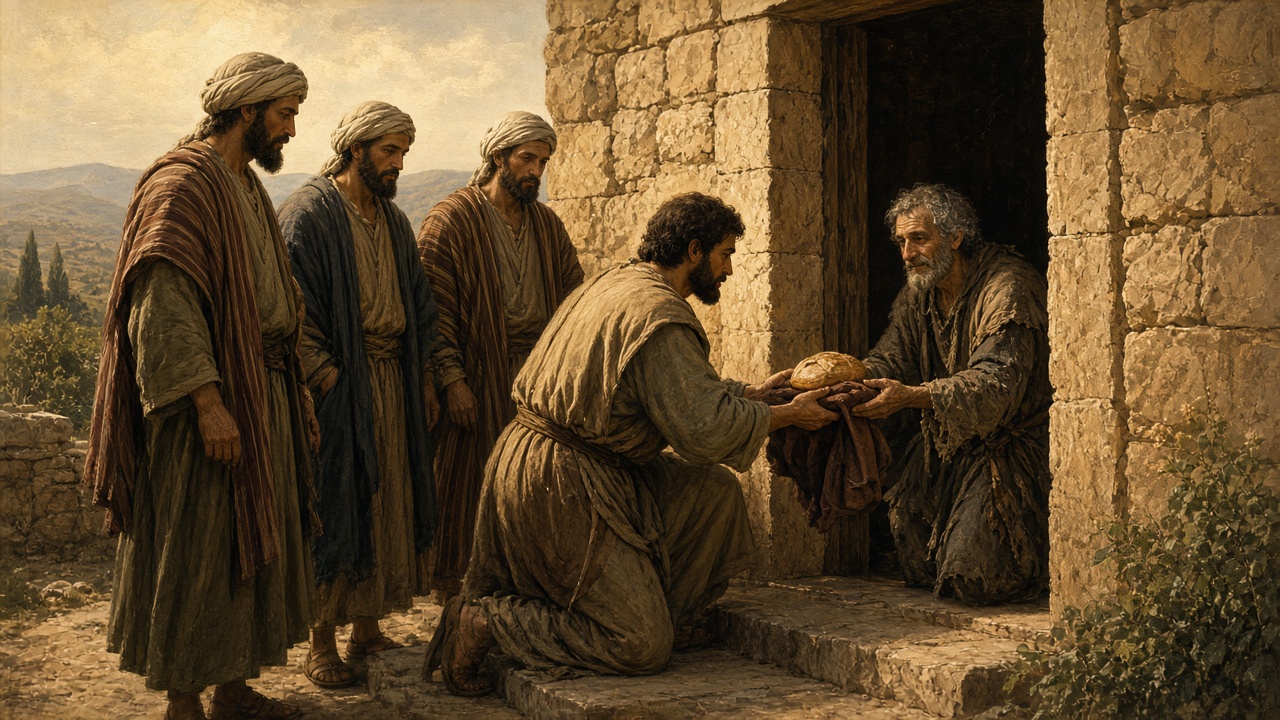
- In this chapter, hating a brother is treated as murder: everyone who hates his brother is a murderer, and eternal life does not reside in a murderer. Love is known because Jesus laid down his life for us, and the readers are told they ought to lay down their lives for their brothers.Sources: the Bible text itself
- The children of God are distinguished from the children of the devil by practicing righteousness and by loving one's brother. The message heard from the beginning is that we should love one another, and God's commandment is to believe in the name of his Son, Jesus Christ, and to love one another as he commanded.Sources: the Bible text itself
Notes written with AI assistance from open sources (Theographic Bible Metadata, CC BY-SA 4.0; Easton’s Bible Dictionary, public domain) and reviewed before publishing.
Credits and license for this translation
Autaahaatɨhomɨ Pɨwɨha Gaaha Wanɨha
The New Testament in the Angaataha language of Papua New Guinea
Nupela Testamen long tokples Angaataha long Niugini
copyright © 2004 Wycliffe Bible Translators, Inc.
Language: Angaataha
Translation by: PNG Bible Translation Association
This translation is made available to you under the terms of the
Creative Commons Attribution-Noncommercial-No Derivatives license 4.0.
You may share and redistribute this Bible translation or extracts from it in any format, provided that:
You include the above copyright and source information.
You do not sell this work for a profit.
You do not change any of the words or punctuation of the Scriptures.
Pictures included with Scriptures and other documents on this site are licensed just for use with those Scriptures and documents.
For other uses, please contact the respective copyright owners.
2012-11-17
Source: http://png.bible/agm/ · eBible.org