1 Corinthians 13
Autaahaatɨhomɨ Pɨwɨha Gaaha Wanɨha · Tap a verse to see its cross-references.
1Sahɨ gwɨnyaitaatɨwɨha nɨnɨ nɨwahonisapɨ nehɨ namɨhandɨha sandɨ kasatɨtaano. Pɨwɨha nɨnɨ wɨndɨ pɨwaamandɨha usaamɨhaaraahunɨ amɨ Autaahaatɨhomɨ otɨpɨpatɨhiya yamɨhapataatɨhɨ bimohiyɨhiyaamɨ pɨwɨha pɨwaatohɨhaaraahunɨ amɨ nɨngisangisɨ pɨwandaahandɨ kandɨ isɨhiyaisɨ nɨnɨ maarɨho napaitɨtɨ namunyataataahɨ nisɨ pɨwɨha usaamɨhaara pɨwaatotɨhandɨ otɨpɨho kapaparɨhɨrɨ ŋuŋaatatɨ gaatatɨ owetipatamatiyatɨ nisɨ pɨwɨha pɨwaatohɨwaiwa notɨ owendaise. 2Aindɨ amɨ nɨnɨ Autaahaatɨhomɨ pɨwɨha atindɨ netɨ ausaitandɨhonɨnɨndɨ amɨ Autaahaatɨhomɨ gaahaiwa gwɨnyaasɨwaiwa isɨhiyaapɨ noaasandiwaiwa mmonɨtɨ gwɨnyaatɨhonɨnɨndɨ amɨ Autaahaatɨhomɨ pɨwɨhaapɨ baindɨ gwɨnyaatɨhonɨnɨndɨ amɨ Autaahaatɨhoai kaundɨtɨ nunjenɨhohɨpɨpa nanɨmɨtaiso ndɨ gwɨnyaatɨ andɨtindɨ jatɨtɨhonɨnɨndɨ amɨ nisɨ gɨwunyaahohɨtɨhandaahɨ sisɨhoaisɨ kɨnyɨ niwautɨpesi numbwɨ wapɨhɨ mɨhotinde undɨtɨhonɨnɨndɨ saiwa saindɨ kiyataahandɨ kandɨ isɨhiyaisɨ nɨnɨ maarɨho napaitɨtɨ numwɨtandɨhandɨ owendaataahɨ nɨnɨ utaahonɨnɨmaahe. Owe nehɨ wapaamataindɨhonɨne. 3Aindɨ amɨ nɨnɨ nisɨhapa nahataapa nawɨho amɨ ikɨpɨpa nandapa owehiyai kɨhonjɨ kɨhonjɨ tipɨtapaatɨ nunyatɨ amɨ isɨhiya nɨngi nipɨ nanɨmaasi nuwɨ sisɨhaapɨnɨmasaihɨ nɨndonɨhɨ napomasanɨhandɨ kandɨ nɨnɨ isɨhiyaisɨ maarɨho namunyataataahɨ nɨnɨ saindɨ kiyohɨwaiwaapɨ wihoaaŋɨhapa gaahapa Autaahaatɨho nɨngi wɨndɨ namaanɨmɨtaise. Owetɨtaise. 4Isɨ amɨ wanɨ nɨnɨ utaaho wo isɨhiyaisɨ biyatɨ maarɨho nunyaho kairɨhɨretapɨ sandɨ kasatɨtaano. Utaaho isɨhiyaisɨ maarɨho nunyahoai wo nasatɨ itɨhundonɨhɨ amɨ wihoaaŋɨ maipɨhatɨ kiyatɨ koaisɨ wɨndɨ itɨhɨmundɨtaise. Itɨhɨmundatɨ nehɨ gaahatɨ kawitaise. Iyatɨ amɨ ko isɨhiyaisɨ maarɨho nunyaho usa kahapaamapɨpa asaketahiyaapɨ wɨndɨ apomaawɨtaise. Iyatɨ amɨ ko isɨhiyaisɨ maarɨho nunyaho nɨnɨ sapa saindɨ kaindɨhonɨniso tatɨ wɨndɨ sawaho namimaatɨndaise. 5Iyatɨ amɨ isɨhiyaisɨ maarɨho nunyaho isɨhiyaisɨ wɨndɨ maipɨhatɨ kamaawitaise. Siyatɨ isɨhiyai maarɨho nunyaho kahapaamapɨpa sawahopɨhapaapaahɨhɨ waatɨ pɨhɨtatɨ wɨndɨ gɨmunyaitaise. Iyatɨ nehɨ sawahomɨhapaahɨhɨ wɨndɨ minjatɨtaise. Iyataatɨ amɨ ko siyahoaisɨ isɨhiya maipɨhatɨ kawisaihɨ amɨ ko wɨndɨ waapɨhɨtatɨ itɨhɨmaatɨtaise. Iyatɨ amɨ ko isɨhiyaisɨ maarɨho nunyaho isɨhiya wapa maipɨhapa kawisaihɨhapaapɨ isɨhiya sanisowo tatɨ pɨhɨtatɨ gwɨnyaapɨ wɨndɨ namotoaatɨtaise. 6Iyatɨ amɨ ko isɨhiya usa maipɨhaiwa wiwa kaisaihɨhaiwaapɨ nge tatɨ wɨndɨ maarɨmitatɨ komɨ maarɨho naaŋawitaise. Iyatɨ amɨ ko isɨhiyaisɨ siyatɨ napaitatɨ maarɨho nunyaho isɨhiya Jisaasiho kaundirɨhɨretɨ atiwɨ japepihɨrɨwɨ kaitaatɨwɨhandapɨ apɨpaahɨ aungwohandɨ tahaapiya maaritɨtaise. 7Siyatɨ utaaho isɨhiyaisɨ napaitatɨ maarɨho nunyaho utaaho woai ko komɨ maarɨho numwisɨho wapa maipɨhapa kawisonɨhura notɨ isɨhiya usaisɨ saundatɨ, “Utaaho nɨnɨ maarɨho nunyohɨho maipɨhapa siya siyahapa nɨngi kanise,” undatɨ wɨndɨ kamundɨtaise. Owetɨtaise. Kohɨ yatɨhɨ ipatisanatɨ bimotɨ amɨ komɨ maahomwaaŋɨ wɨndɨ namusoaataise. Ko nasisoaarɨ utaaho woai maarɨho numwisɨhopɨ siyatɨ gwɨnyaitaise. “Nɨnɨ nisɨ maarɨho nunyohɨho utaaso nɨngi nehɨ gaahandɨhɨ kanitaiso,” tatɨ gwɨnyaitaise. Iyatɨ amɨ utaaso so wopɨ ko maarɨho numwisɨho nasisoaarɨ siyatɨ gwɨnyaitaise, Autaahaatɨho nga koai iwɨtatamanɨhonɨhɨ ko Kɨraisihomɨhɨretɨ japepihɨratɨ bimɨtaise tatɨ gwɨnyaitaise. Iyatɨ amɨ ko wɨndɨ namaamɨhaatɨ utaaso so woai konɨhɨ maarɨho numwɨtaise. Wapa wapa ko sawahoai nusoaipahonɨhisangi konɨhɨ daahɨ utaaso soai maarɨho numwɨtaise.
8Isɨhiyaisɨ maarɨho numwɨtɨhaahandɨ sandɨ wɨndɨ owemetatɨ kandɨnɨhɨ nasisoaarɨ ahotɨmɨ nutandɨhande. Iyataatɨ amɨ Autaahaatɨhomɨ Itɨpɨho netɨ gɨwunyaatɨ watɨpɨhandɨ numwihɨ Autaahaatɨhomɨ pɨwɨha ausaahotɨhandɨ notɨ owetɨtaise. Iyatɨ amɨ pɨwɨha wɨndɨ pɨwaamaatɨwɨha wanɨhandɨ kɨha kɨhaara pɨwaatɨtaatɨwɨ Itɨpɨho watɨpɨhandɨ numwindɨhandisangisɨ notɨ owetɨtaise. Iyataatɨ amɨ isɨhiya Autaahaatɨhomɨ pɨwɨhaapɨ biyatɨ nusesɨpatatɨ gɨwunyaatonɨhɨ isɨhiyai pɨwɨha ausaapɨ kaundɨtaatɨwɨhandɨ watɨpɨhandɨ Itɨpɨho numwindɨhandisangisɨ ipotɨhura notɨ owetɨtaise. 9Iyataatɨ wanɨ kɨmandɨ kɨmuraahɨ Autaahaatɨho nyangisɨ wapa kanyitandɨ katimbɨpaamɨ nehɨ nɨnaasonyaapaahɨhɨ gɨnunyaatataise. Iyataatɨ amɨ pɨwɨha wanɨ taawaatɨ atisa newa awusaahotɨmaisangisi sawaho nehɨ nɨnaasonyaahɨhɨ netɨ gɨnunyaatɨ nanyamihɨhonya taawaatɨ awusaahaayo. 10Ipotɨhɨ tɨtɨhɨ akɨpɨpa noaipataahuraahɨ kɨhonya kɨhonya netɨ gɨnyunyaatɨ nanyamihɨ ausaahohonyaahɨ notɨ owetɨtandɨhonyaare. 11Nɨnɨ apɨpaahɨ sangɨhonɨnɨ metɨhonɨnɨhura metɨhonya pɨwaatohɨpatamataindɨ pɨwandɨ amɨ metɨhonya gwɨnyaahohɨpatamataindɨ gwɨnyaatɨ pɨwandɨhonɨne. Saindɨhonɨnisɨ wanɨhɨ nɨnɨ noaipatɨ aimɨ gwɨnyaahonɨnɨ awaisɨhonɨnisɨ nɨnɨ sangɨhiyaamataindɨ kiyohɨwaiwa aimɨ namaho. Isɨ nyahɨ gɨwunyaahohiyɨhiyaanɨnɨ asisɨha waara sɨkiyaatɨ aimɨ gwɨnyanaatɨ gwɨnyaahiyaanɨtɨhaawɨ metɨhonyaamɨ kiyohɨpɨpa namahohɨpatamatiyaatɨ namaito. 12Sɨwipɨhoaatɨhɨ nyahɨ nehɨ jahohɨpatamatiyaatɨ Autaahaatɨhomɨhaiwaapɨ netɨ kɨhonya kɨhonyaapɨ wanɨ kɨmura gɨnyunyaatataise. O amɨ ipotɨhura nyahɨ Autaahaatɨhoai nyamɨ ndɨhaara tɨtɨhɨ usonɨhaahuraahɨ Autaahaatɨhomɨhaiwa nahatewaapɨ biyatɨ waatɨ gɨnyunyaatatɨ nanyesɨpatɨtaise. Autaahaatɨhoai nyapɨ gɨwunyaatatɨ nusesɨpatamasɨpatamatiyatɨ nyahɨ koai usosaihɨhura kopɨ nyangi gɨnyunyaatatɨ nanyesɨpatamaitaise. 13Iyataatɨ wanɨ kɨmuraahɨ kɨmonya mairɨmanyaahɨ wɨndɨ namaamaatɨ konyaanɨhɨ nasisoaarɨ kaimɨ kaimɨ nutɨhaawe. Autaahaatɨhopɨ nasisoaarɨ gɨwunyaapɨ nutɨhaahandunɨ Autaahaatɨho nyangi wapa nanyamɨtandɨ katimbɨpaapɨ nanyamɨtaiso taatɨ gwɨnyaawa andɨtitaatɨ jatɨmɨ nutɨhaahandunɨ amɨ isɨhiyaisɨ maarɨho napaitaatɨ numwɨtɨhaahandunɨ sonyaahɨ kaimɨ nutɨwaate. Iyataatɨ kɨmanyaamɨ apɨpaahɨ awaindɨ jɨhimatindɨhandɨ nyahɨ kaitɨhaahandɨ isɨhiyaisɨ maarɨho nasisoaarɨ nunyamɨ nutɨhaahandɨ sandɨ apɨpaahɨ awaindɨhande.
Did you know?
Love Above Every Gift
- Without love, the chapter says, speaking in the tongues of men and of angels is only a ringing gong or a clanging cymbal. Someone with prophecy, with power to fathom all mysteries and all knowledge, and with faith that could move mountains is nothing; someone who gives all they possess to the poor, or surrenders their body, gains nothing.Sources: the Bible text itself
- Love is patient and kind. It does not envy, boast, or act with pride; it is not rude, self-seeking, or easily angered, and it keeps no account of wrongs. It takes no pleasure in evil, rejoices in the truth, and bears, believes, hopes, and endures all things.Sources: the Bible text itself
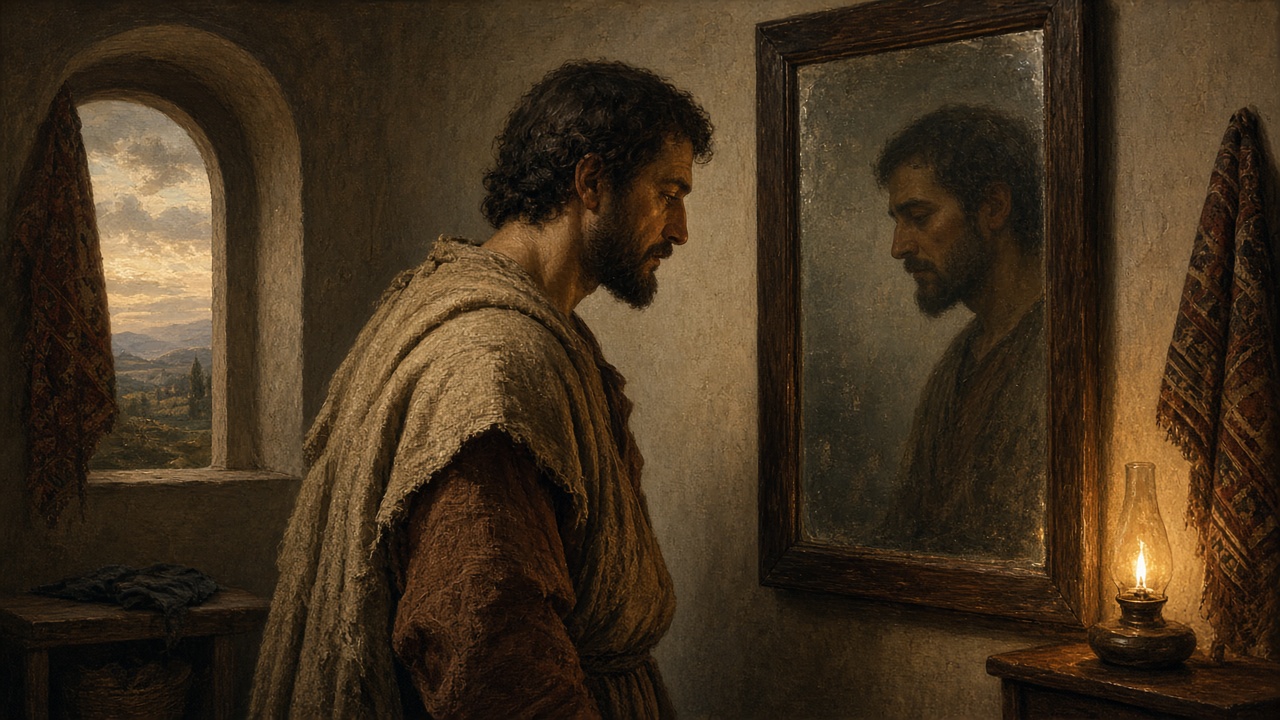
- Love, the chapter says, never fails, but prophecies will cease, tongues will be restrained, and knowledge will be dismissed. What is known and prophesied now is partial, like a child's reasoning or a dim reflection in a mirror rather than seeing face to face. Faith, hope, and love remain, and the greatest of these is love.Sources: the Bible text itself
Notes written with AI assistance from open sources (Theographic Bible Metadata, CC BY-SA 4.0; Easton’s Bible Dictionary, public domain) and reviewed before publishing.
Credits and license for this translation
Autaahaatɨhomɨ Pɨwɨha Gaaha Wanɨha
The New Testament in the Angaataha language of Papua New Guinea
Nupela Testamen long tokples Angaataha long Niugini
copyright © 2004 Wycliffe Bible Translators, Inc.
Language: Angaataha
Translation by: PNG Bible Translation Association
This translation is made available to you under the terms of the
Creative Commons Attribution-Noncommercial-No Derivatives license 4.0.
You may share and redistribute this Bible translation or extracts from it in any format, provided that:
You include the above copyright and source information.
You do not sell this work for a profit.
You do not change any of the words or punctuation of the Scriptures.
Pictures included with Scriptures and other documents on this site are licensed just for use with those Scriptures and documents.
For other uses, please contact the respective copyright owners.
2012-11-17
Source: http://png.bible/agm/ · eBible.org