Revelation 21
Godɨndɨ Hoafɨ · Tap a verse to see its cross-references.
Hɨfɨ sünü sɨmborɨ tükɨmefeyo
1Ranɨ-moatükunɨ ranai refehaya-mboyowane, asu hɨmboyahünda sünü hɨfɨ sɨmborɨ ranai tükümefeyowa hoeimarɨheandɨ. Weaŋgurühɨ sünü tüküfe hɨfɨ tüküfe-marandɨ ranai awarɨhoeihüyo asu sɨrɨwara amboanɨ foerɨ-koate-mayo. 2Asu hɨmboyahünda Godɨndɨ ŋgoafɨ sɨmborɨ Serusarem ranai, sapo nɨmorehɨ anamɨndühɨfembo ahandɨ anamɨndɨ ranɨ-sowahɨ homboyaho haya rawefeyo nou yahurai refe-haya God sowahɨndɨ tüküfe makosowa hoeimarɨheandɨ. 3Bogorɨndɨ nɨmarɨ-fondɨ-mayo ranambeahɨndɨ hoafɨ puküna hoafɨmayowa hɨmborɨmayahɨ. Yare hoafɨyowohü yahoya, “Hɨmborɨyei! Godɨndɨ worɨ hapoana nindou-babɨdɨmbo anaŋgo! God ai nindou-babɨdɨmbo nüŋguhü asu ahandɨ nendɨ-ndeimboyei. God ai ahandɨhoarɨ nindou ranɨ-babɨdɨmbo anüŋgu anɨmbo asu ai ahei Godɨ-ndümbui. 4Ai nindou ranahei hɨmboarambeahɨndɨ aranɨ-hɨmboaho gedüherümbui. Rananɨmbo yɨfɨmbo hohoanɨmo, asübusɨ, aranɨ asu ŋgusüfo afɨndɨ kife hohoanɨmo ra ŋgɨrɨ tükündɨfeyo. Sapo ranana horombodɨdɨ moatükunɨ awarɨhoaimb-ane,” meho.
5Ranɨyo asu nindou fondɨ ranɨwamɨ mamaru ranai hoafɨyuhü yahuya “Haponda ro muŋguambo moatükunɨ sɨmborɨ rarɨheandühanahɨ,” mehu. Asükai hoafɨyundɨrühɨ yahuya, “Ndanɨ hoafɨ ranahambo se sürü papɨndandɨ. Sapo hoafɨ nda ai anɨhondü hamɨnd-ane, ŋga anɨhondümbo-ndɨhindɨ,” mehu.
6Ranɨyu hoafɨyundɨrühɨ yahuya, “Muŋguambo moatükunɨ ai tüküfemboane! Roana horombonɨpoed-anahɨ asu süŋgunɨpoed-anahɨ, sapo weaŋgurühɨdɨd-anahɨ asu bɨdɨfɨranɨdɨd-anahɨ. Nindou düdi ai amɨndanɨŋomboayu ana, nindou ranahambo ro yaŋgɨrɨ nɨŋgoweimbɨ harɨhoe forɨhoeimbɨ nindou ranahambo moanɨ ndahandoanɨ ndümündümbui asu kakɨnambo semɨndɨ-koate ndahandomboyahɨ. 7Nindou düdi ai yifiarambeahɨndɨ tɨtaboarɨfoare harɨhoei tükefiyu ana, ai wandɨ-mayo moanɨ sai moatükunɨ ra ndemündümbui. Rananɨmbo asu ro ahandɨ Godɨ-ndahanɨ ai wandɨ nɨmorɨndümbui. 8Ŋga asu nindou dɨdei yɨhɨmbo-sɨsɨrɨyahi-rɨhündeimbɨ, anɨhondümbofe-koateyei rɨhündeimbɨ, moaruwai hamɨndɨ ratüpurɨyei rɨhündeimbɨ, nindou hɨfokoarɨhi-rɨhündeimbɨ, nɨmorehɨ sɨsɨhɨmoyomo-rundeimbɨ, nindowenihɨ bɨrabɨrɨyei rɨhündeimbɨ, tɨbagɨru-rundeimbɨ, tɨkai godɨmbo hohoanɨmo parɨhi-rɨhündeimbɨ, wosɨhoaforɨ hoafɨyei rɨhündeimbɨ ahei nɨŋgofondɨ ranana, wafusüroho hai asu hai sarfa nɨmoei apoarambe ahoro ranɨhü yagodɨmboe. Ranana yimbu-noufimbɨ yɨfɨmbo moatükunɨ-ane,” mehu.
Sɨmborɨ Serusarem ŋgoafɨ
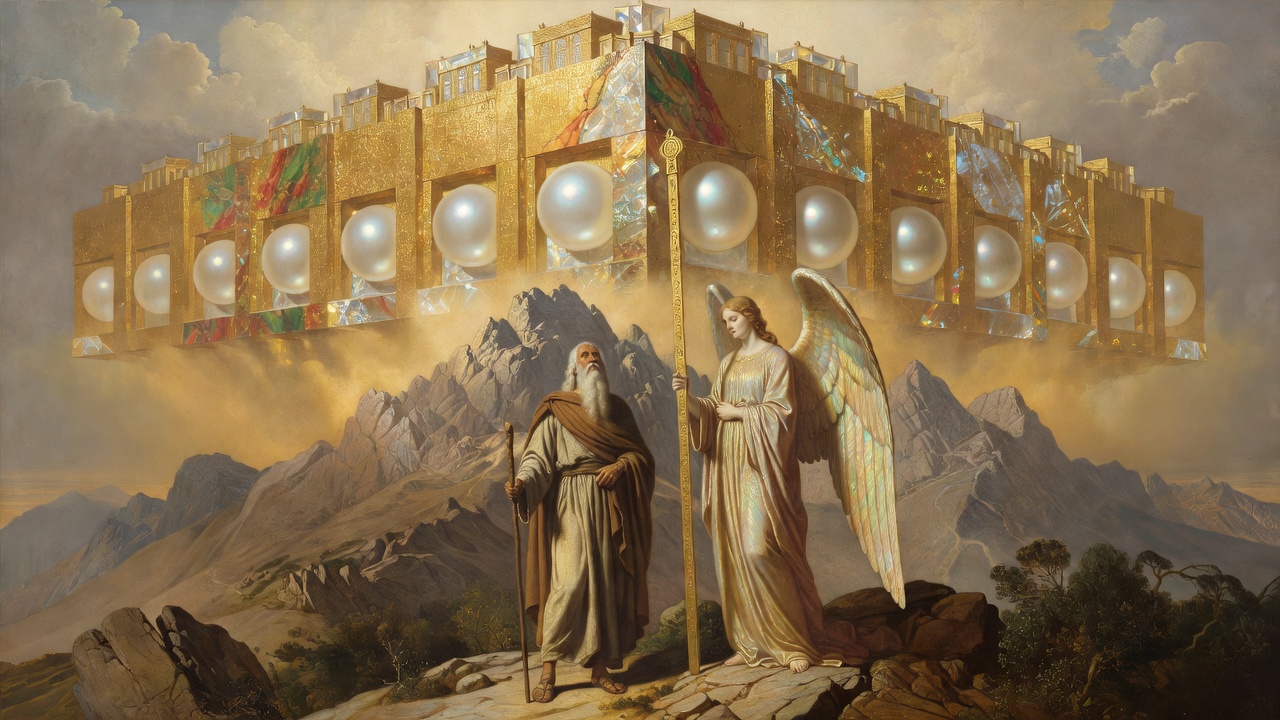
9Sünambeahɨndɨ nendɨ dis 7 waramberündɨmo-ndeimbɨ ranahandambo mamɨ-mayu ranai wambo-so Godɨndɨ hürütü moendɨfembohünda moaruwai hamɨndɨ moatükunɨ foafusüfiyuanɨ tüküfimbɨ-mayo ra semündü haya makusu. Ai hoafɨyundɨrühɨ yahuya, “Se sɨnɨf-anɨmbo ro nɨmorehɨ anamɨndühɨfembo anɨŋgo Sipsip Nɨmorɨndɨ nɨmoreh ra nafuinda-hanɨnɨmboyahɨ,” mehundɨrɨ. 10Ranɨyo asu wandɨ fiambe Yifiafɨ Aboedɨ ranai ŋgɨnɨndɨ tüküfendɨrühɨyahɨ asu sünambeahɨndɨ nendɨ ranai wambo semündündɨrɨ hɨfɨ wafu nɨmoamo hamɨndɨ ranɨwamɨ mahafu. Ranɨyu asu ai wambo Serusarem ŋgoafɨ adükarɨ sünambe God sowahɨndɨ makoso ranahambo nafui-mayundɨrɨ. 11Ranɨyo asu Godɨndɨ hɨmboamupuimbo-randeimbɨ ranai si boakɨmafoareandɨ. Asu ŋgoafɨ ranai sapo sürühoeimbɨ sospa nɨmoei kakɨ afɨndɨfihɨ semɨndɨmbo rahuraiyo moanɨ hɨmboarambe forɨforɨhoeimbɨ hamɨndɨ-mayo. 12Ŋgoafɨ adükarɨ ranai papɨ nɨmoamo hamɨndɨyo 12 nafɨtambe kemɨndɨ hɨnɨŋgɨmefeyo. Ranɨyo asu 12 sünambeahɨndɨ nendɨ ranai nafɨtambe ranahambo waranɨ-ründümo houmbo hɨfandɨmarundɨ. Nafɨtambe ranɨfihɨ Israer-yafe 12 sɨrɨ ranahei ndürɨ ra papɨmayo. 13Nafɨtambe ranai gorügoanɨnɨ-gorügoanɨnɨre burɨmayo. Ŋgɨmɨ ranai hüfɨhamɨndɨ süfuanɨ nɨŋgomo, ŋgɨmɨ hɨmboranɨ nɨŋgomo, ŋgɨmɨ ranai rahanɨnɨ hɨmboranɨ nɨŋgomo asu ŋgɨmɨ hüfɨhamɨndɨ hafuanɨ nɨŋgomo marundɨ. 14Adükarɨ ŋgoafɨ ranahandɨ papɨ ranana 12 ŋgɨnɨndɨ nɨmoeinambo ndihɨ ragu samboefimbɨyo. Ranɨyo asu mamamɨ ranɨwamɨ Sipsip Nɨmorɨndɨ hoafɨ sowandümo homo-rundeimbɨ 12-yomondɨ ndürɨ ranai papɨmayo.
15Sapo sünambeahɨndɨ nendɨ horombo wambo wataporɨmbo-marandɨrɨ-mayu ranai gorɨnambo nafɨyoweimbɨ-hündɨ sɨmoŋgorɨfe nɨmɨharɨ ranambo adükarɨ ŋgoafɨ nafɨtambe asu papɨ ra sɨmoŋgorɨ-fembohünda semündü haya manüŋgu. 16Adükarɨ ŋgoafɨ ranana muŋguambo hɨmborɨ ra moanɨ sɨmogodapo hamɨndɨyo. Ranɨyu asu sünambeahɨndɨ nendɨ ranai sɨmoŋgorɨ nɨmɨharɨ masemündu ranambo sɨmoŋgo-reandane, ŋgoafɨ afɨndɨ-kokoeaiyo ahandɨ ra 2,200 kiromita tükümefeyo. Ranɨyo asu ahandɨ sɨmoŋgorɨ hoandarɨ mahafo, hɨmborɨ yimbu mahafe ranai moanɨ sɨmogodapo hoandarɨ-mayo. 17Asu papɨ nɨmoamo ranahambo amboanɨ sɨmoŋgo-reandane, mamɨ 65 mita tükümefeyo. Ranɨ sɨmoŋgorɨ ranana moanɨ nindou sɨmoŋgoru-rundeimbɨyo sünambeahɨndɨ nendɨ-mayu ranai sɨmoŋgorɨmareandɨ. 18Ŋgoafɨ ranahandɨ papɨ ranana hamburɨ asu yaŋgɨrɨ saspa nɨmoeinambo papɨyoweimbɨyo. Ŋga ŋgoafɨ ranana moanɨ gor sürühoembɨ yaŋgɨr-ane nafɨyoweimbɨyo manaŋgo. 19Adükarɨ ŋgoafɨ ranana hɨfɨnɨ ndihɨ God ai muŋguambo mamɨkarambo nɨmoei kakɨ afɨndɨfihɨ semündümbɨ-namboyo kore hɨnɨŋgɨmareandɨ. Weaŋgurühɨ korɨmefeyo ranana hamburɨ asu yaŋgɨrɨ saspa nɨmoeiyo, ranɨ-kɨmɨ asüdabombü sapaia nɨmoeiyo, ranɨ-kɨmɨ kɨfohɨ aget nɨmoeiyo, ranɨ-kɨmɨ yaŋgɨrasüfo emerar nɨmoeiyo. 20Asu ranɨ-kɨmɨ hamburɨ kɨkɨre kɨfohɨ kɨkɨre-randeimbɨ sadonikis nɨmoeiyo. Ranɨ-kɨmɨ konirian nɨmoeiyo, ranɨ-kɨmɨ krisorait nɨmoeiyo, asu ranɨ-kɨmɨ ŋgorü-poanɨmbo yaŋgɨrasüfo berir nɨmoeiyo, ranɨ-kɨmɨ aŋüsühɨsafümbɨ topas nɨmoeiyo, ranɨ-kɨmɨ krisopres nɨmoeiyo yaŋgɨrasüfoyo aŋüsühɨsafümbɨyo-randeimbɨ. Asu ranɨ-kɨmɨ asüdabombü haiasin nɨmoeiyo, bɨdɨfɨranambo ana hamburɨ ametis nɨmoeiyo. 21Nafɨtambe 12 ranana sapo 12 kɨfohɨ mbɨsɨhondɨyo. Muŋguambo yipurɨ nafɨtambe ra mbɨsɨhondɨ mamɨ-namboyo nafɨyo hɨnɨŋgɨmefeyo. Ŋgoafɨ ranahandɨ muŋguambo nafɨ ranana gor hondünambo nafɨyoweimbɨyo hayamboyo hoehɨmbo nahurai-mayo.
22Ro moai Godɨmbo hohoanɨmoyondo-rambo worɨ fondarowa hoeirɨheandɨ. Sapo Adükarɨ God Muŋguambo Ŋgɨnɨndembɨ-mayu ranai-yu asu Sipsip Nɨmorɨ ai ŋgoafɨ ranahandɨ Godɨmbo hohoanɨmoyo-rambo worɨmefanɨ. 23Ŋgoafɨ ranɨwamɨ hüfɨhamɨndɨ amoamo ahafandɨ si ra ŋgɨrɨ boakɨboadɨneandɨ sapo Godɨndɨ hɨmboamupuimbo-randeimbɨ si ranai ŋgoafɨ ranɨwamɨ boakɨmafoareandɨ ranɨmbo-wambo. Asu Sipsip Nɨmorɨ ranai-ani ŋgoafɨ ranahandɨ ram hai nou-ayu. 24Rananɨmbo muŋguambo hɨfɨhündɨ ranai ŋgoafɨ ranahandɨ si ranɨ-süŋgu ŋgeihü, asu muŋguambo hɨfɨhündɨ bogorɨ ranai ahamundɨ ŋgɨnɨndɨ napo ra ranɨhü ndowandümo tükündafumboemo. 25Muŋguambo si aho ra nafɨtambe ranai ŋgɨrɨ pande nɨŋgo, ŋga sübüdɨhoai yagodɨ ŋgomboe. Sapo ranɨ-sɨmboanɨ ana ŋgɨrɨ nɨmbɨ ranai yagodo. 26Asu ŋgoafɨ adükarɨ ranambe muŋguambo hɨfɨhündɨ-yafe yihuru asu aboedɨ napo ŋgɨnɨndɨ ra ndemündündürɨ keboemboe. 27Ŋga nɨne-moatükunɨ moaruwai-ayo, asu yikoarɨfo hohoanɨmoyo-randeimbɨ asu wosɨhoaforɨ hoafɨyo-randeimbɨ, muŋguambo ranana ŋgɨrɨ ŋgoafɨ ranambe keboehi ŋgei. Sapo Sipsip Nɨmorɨndɨ koadürümbo nɨŋgombo bukɨ-mayo ranambe ahei ndürɨ pamareandürɨ ai-yaŋɨgɨranɨmboke-boehi ŋgüsimboyei.
Did you know?
The New Jerusalem
- In this vision the city coming down from heaven is called the holy city, the new Jerusalem. Jerusalem was also known as the holy city and the city of God, and in Arabic it is el-Khuds, meaning the holy. Its name is in a dual form and means possession of peace or foundation of peace.Sources: the Bible text itself · Jerusalem
- The seer is carried in the Spirit to a great and high mountain and shown that holy city descending. Jerusalem is described as a mountain city enthroned on a mountain stronghold, and the dual form of the name probably refers to the two mountains on which it was built, Zion and Moriah, or, as some suppose, to the upper and lower city.Sources: the Bible text itself · Jerusalem
- The city wall has twelve gates, three on each side, inscribed with the names of the twelve tribes of Israel. Israel is another name for Jacob, explained as one who follows on another's heels, or as a supplanter.Sources: the Bible text itself · Jacob (Israel)
Notes written with AI assistance from open sources (Theographic Bible Metadata, CC BY-SA 4.0; Easton’s Bible Dictionary, public domain) and reviewed before publishing.
Places in this chapter
Only places identified with high confidence are shown (90% or more according to the scholarly sources compiled by OpenBible). Period map: DARE (Digital Atlas of the Roman Empire), CC BY 4.0; modern map: © OpenStreetMap contributors; places: OpenBible.info (CC BY 4.0).
Credits and license for this translation
Godɨndɨ Hoafɨ
The New Testament in the Angor language of Papua New Guinea
Nupela Testamen long tokples Angor long Niugini
Copyright © 2001 The Bible Society of Papua New Guinea
Language: Angor
Contributor: Wycliffe Bible Translators
This translation is made available to you under the terms of the
Creative Commons Attribution-Noncommercial-No Derivatives license 4.0.
You may share and redistribute this Bible translation or extracts from it in any format, provided that:
You include the above copyright and source information.
You do not sell this work for a profit.
You do not change any of the words or punctuation of the Scriptures.
Pictures included with Scriptures and other documents on this site are licensed just for use with those Scriptures and documents.
For other uses, please contact the respective copyright owners.
2013-01-07
Source: http://png.bible/agg/ · eBible.org