Revelation 11
Godɨndɨ Hoafɨ · Tap a verse to see its cross-references.
Yimbu nindou ai hoafɨ bokamarɨ-heneandɨ
1Ranɨyo asu wambo sɨmoŋgorɨfe-rambo nɨmɨharɨ nɨmɨndɨ nahurai sendɨrɨ mbura hoafɨyuhü yahuya, “Nɨmɨharɨ ranambo ŋgafɨ Godɨndɨ worɨ asu ahambo sesɨ mandɨfe hasɨhonɨ ra sɨmoŋgorɨ-ndowandɨ. Asu nindou dɨdɨyei worɨ ranambe amarei ranaheimbo tapuindafɨndürɨ. 2Ŋga asu Godɨndɨ worɨ ranahandambo papɨ weindanɨ anɨŋgo ranana yowanɨ se sɨmoŋgorɨ-ndowamboyafɨ. Ranana sapo nindou Suda-yafe ndɨfo ranaheimbo hɨnɨŋgɨmefeyo-ane. Ranɨ nindou ranai-anɨmbo Godɨndɨ ŋgoafɨ adükarɨ ranahambo 42 amoamombo pühɨndei kɨkɨmɨboadɨ-himboyei. 3Rananɨmbo asu ro nindou koandɨheheapɨra afɨndɨ hohoanɨmo-yomombo hoearɨ güdüne hena wandɨ hoafɨyaheimbɨ hoafɨ hoafombohünda kodamboyafanɨ. Rananɨmbo ai Godɨndɨ hoafɨ ra wataporɨmbo-ndɨnamboyafanɨ 1,260 si aho ranambe,” mehundɨrɨ. 4Nindou yimbu ranai ana sapo orif nɨmɨ yimbu asu ram hai yimbu muŋguambo hɨfɨ ranahei Adükarɨ anüŋgu ranahandɨ haŋgɨfoan-ane anɨmbafanɨ. 5Nindou yimbu ranahafanɨmbo düdi ai moaruwaimbo-fepɨrɨmbo ehu ana, asu ahafandɨ yahamo-nafɨ hai ranai tükündɨfehü ranɨ-moatükunɨ ranambo ahafanɨmbo moaruwaimbofe-pɨrɨmbo nindou ranaheimbo hai tɨkɨrɨnda-ndürɨmboe. 6Ai ŋgɨnɨndɨ sowandɨfanɨmbo-anafanɨ Godɨndɨ hoafɨ bokarɨhefembo sɨmboanɨ sünambeahɨndɨ hoe kosɨwa kɨkɨhemɨndɨmbo ra. Asükai ai ŋgɨnɨndɨ sowandɨfanɨmbo-anafanɨ hoe ra horɨ nahuraimbofe tüküfembo amboa. Asu hɨfɨnɨndɨ nendɨ aheimbo moaruwai moatükunɨ refeyoanɨ moaruwaimbo-fendürɨmbo amboa ahafandɨ hohoanɨmo süŋgu refembo asafanɨ ra randɨneamboyafanɨ.
7Godɨndɨ hoafɨ ra ndeara wataporɨmborɨnɨ moendɨneandan-anɨmbo nɨmambeahɨndɨ nɨnɨhondɨ hɨfambe akɨmɨ kai-koateimbɨ ranambeahɨndɨ tüküfe arandɨ ranai ai-babɨdɨmbo yifiarɨndɨmboe. Ai ahafanɨmbo ŋgasündeapɨrɨ haya hɨfokoa-ndeapɨrɨmboe. 8Asu ahafandɨ yɨfɨ-nɨmoko ranai ŋgoafɨ ranahandɨ bogorɨ nafɨnɨ yagodɨmboyafanɨ, sapo ahafandɨ Adükarɨ nɨmɨ keimbɨ karɨhendeimbɨ-fihɨ tɨkoründümo pamarüwurɨ houmbo hɨfokoarüwurühɨ. Adükarɨ ŋgoafɨ ranahambo kafoefe hoafɨ ranana Sodom asu Isipɨyo. 9Muŋgua hɨfɨhündɨ nindou, mamamɨ sɨrɨ, mamamɨ hoafümbɨ asu mamamɨ fi-hoearɨ ai ŋgɨmɨyo mbura ŋgorü sinambo hombo hüfünɨmboyo ahafandɨ yɨfɨ-nɨmoko ra hɨbudundɨhü-pɨrɨmboyeisɨ, ŋga asu ŋgɨrɨ hɨfɨ kandɨhipɨrɨ. 10Hɨfɨ ndanɨhündambo nindou ai hɨhɨfɨ-hɨhɨfɨ-ndeimboyei sapo nindou yimbu ai yɨfɨmefandɨ ranahambo. Ai sesesɨ-ndeihɨ hɨhɨfɨ-hɨhɨfɨ-ndeihɨ asu aboedɨ napo sɨmborɨ saindeimboyei nindou yimbu Godɨndɨ hoafɨ hoafɨyafanɨ-rɨnandeimbɨ ai nindou ranaheimbo afɨndɨ hamɨndɨ tɨŋɨrɨfo masabɨnandürɨ ranɨmbo.
11Ŋgɨmɨyo mbura ŋgorü sinambo hombo hüfünɨmboyo yaŋgɨrɨ nɨŋgombo yafui ra God ai koamafoareanda kosɨ ahafandɨ fiambemefeyowa ai botɨmefɨneanda, asu nindou muŋguambo ai ndarɨhi hoeirɨhipɨra mayowa yɨhɨmbomayei. 12Ranɨyo asu Godɨndɨ hoafɨ hoafɨyafanɨ-rɨnandeimbɨ ai hɨmborɨ-yafandane, sünambeahɨndɨ hoafɨ mamɨ puküna ahafanɨmbo hoafɨyopɨrühɨ yahoya, “Mborai ndühɨ sühüfanɨ,” meho. Ahafanɨmbo hɨfokoa-marɨhipɨrɨ ai hɨmboapoyeiane, asu ai mburɨŋgai bɨtapɨrɨne hena sünambe mahahüfanɨ.
13Asu ranɨ-sɨmboanɨ hamɨndɨ hɨfɨhe afɨndɨ ranai tüküfehüyo, adükarɨ ŋgoafɨ ranahandambo mamɨ bɨdɨfɨrɨ bɨrefoai pütapɨyowohü asu 9 bɨdɨfɨrɨ nɨŋgohüyo 7,000 nɨmorehɨ nindowenihɨ ra hɨfokoako-mafoareandürɨ. Nindou bodɨmondɨ yaŋgɨrɨ manɨboadei ai yɨhɨmboyeihɨ God sünambe amaru ranahambo adükar-ani masei.
14Yimbu noufimbɨ tɨŋɨrɨfo ranana ndeara muŋguyomboane, ŋga se hɨmborɨyei ŋgɨmɨ noufimbɨ tɨŋɨrɨfo ranai ndeara akɨmɨ tüküfembo yahomboane.
Sünambeahɨndɨ nendɨ 7 noufimbɨ ai fufuŋɨmayu
15Ranɨyo asu sünambeahɨndɨ nendɨ 7 noufimbɨ ai fufuŋɨmayu. Ranɨyo asu sünambeahɨ nindou afɨndɨ hoafɨ ranai puküna hoafɨyeihɨ seiya,
“Ŋgɨnɨndɨ semɨndɨ hefe muŋgua hɨfɨ ra hɨfandɨmbo ana
sɨhefɨ Adükarɨ
asu nindou sɨhefɨmbo aboedambofe-munɨmbo kamafoarirɨ Krais ahafand-ane,
asu ai-anɨmbo koadürümbo-koadürümbo hɨbadambui,”
masei 16Ranɨyomo Godɨndɨ haŋgɨfoanɨ 24 boagɨrɨ nindou ahamundɨ nɨmarɨ-fondɨwamɨ mamarɨmo ranai hɨfɨnɨ yirɨ-yimbu pusɨru mbɨro pütapɨyomo mburu Godɨmbo aboed-ani mehomo. Ai hoafɨyomondühɨ yahomoya,
17“Adükarɨ, se God muŋguambo ŋgɨnɨndeimb-anafɨ.
Seana haponda anɨmbafɨ,
horombo manɨmbafɨ!
Sɨhafɨ ŋgɨnɨndɨ ra sowandɨfɨ hawa
asu muŋguambo hɨfɨ pɨyafɨ hawa hɨfandara hafɨ
ranahambo sɨhambo ro hɨhɨfarɨhunɨnɨ.
18Hɨfɨ ndanɨhünda nindou ai ŋgɨnɨndɨmayei
sapo sɨhafɨ ŋgɨnɨndɨmbo si ra tükümefeyowa,
asu yɨfɨyeimbɨ nindou aheimbo yɨbobo-fendürɨmbo si ranamboa tükümefeyowa.
Sɨhafɨ ratüpurɨyomo-rundeimbɨ,
sɨhafɨ hoafɨ hoafɨyomo-rundeimbɨ asu
sɨhafɨ muŋguambo nindou akɨdouyo adükarɨyo sapo sɨhambo yɨhɨmboarɨhünɨnɨ
ranaheimbo aboedɨ moatükunɨ saimbo si ra tüküfemboane.
Ŋga asu nindou dɨdɨyei hɨfɨ moaruwaimbo-marɨhindɨ
ranaheimbo moaruwaimbo-fendürɨmbo si ranɨ amboa ndeara tükɨfemboane,”
mehomo.
19Sünambeahɨ Godɨndɨ worɨ ranahandɨ yipurɨ ra sübüdɨhoehü asu ahandɨ nendɨmbo hoafɨ fɨramündü masɨhendɨ bokis ra weindahɨmayowa hoeimarɨhindɨ. Ranɨyo wabürüsɨyo wakɨreandühɨ asu fuyowohüyo nɨmoamonɨndɨ hoafɨ ai pai kapeihü kɨkɨrandühɨyo asu hɨfɨhe tüküfehü kɨfohɨ nɨmoei nahurai pütapɨmayo.
Did you know?
The Two Witnesses and the Great City
- Revelation 11 says that the bodies of the two witnesses will lie in the street of the great city, figuratively called Sodom and Egypt, where their Lord was also crucified. A dictionary entry explains Sodom as Burning, or the walled, a city destroyed by fire from heaven because of its inhabitants' wickedness, a destruction that Scripture frequently recalls. Egypt, the land of the Nile and the pyramids, is likewise described as holding great significance in Scripture.Sources: the Bible text itself
- The two witnesses are empowered to prophesy for 1,260 days, clothed in sackcloth. They are the two olive trees and the two lampstands that stand before the Lord of the earth, and they have power to shut the sky so that no rain falls, to turn the waters into blood, and to strike the earth with every kind of plague.Sources: the Bible text itself
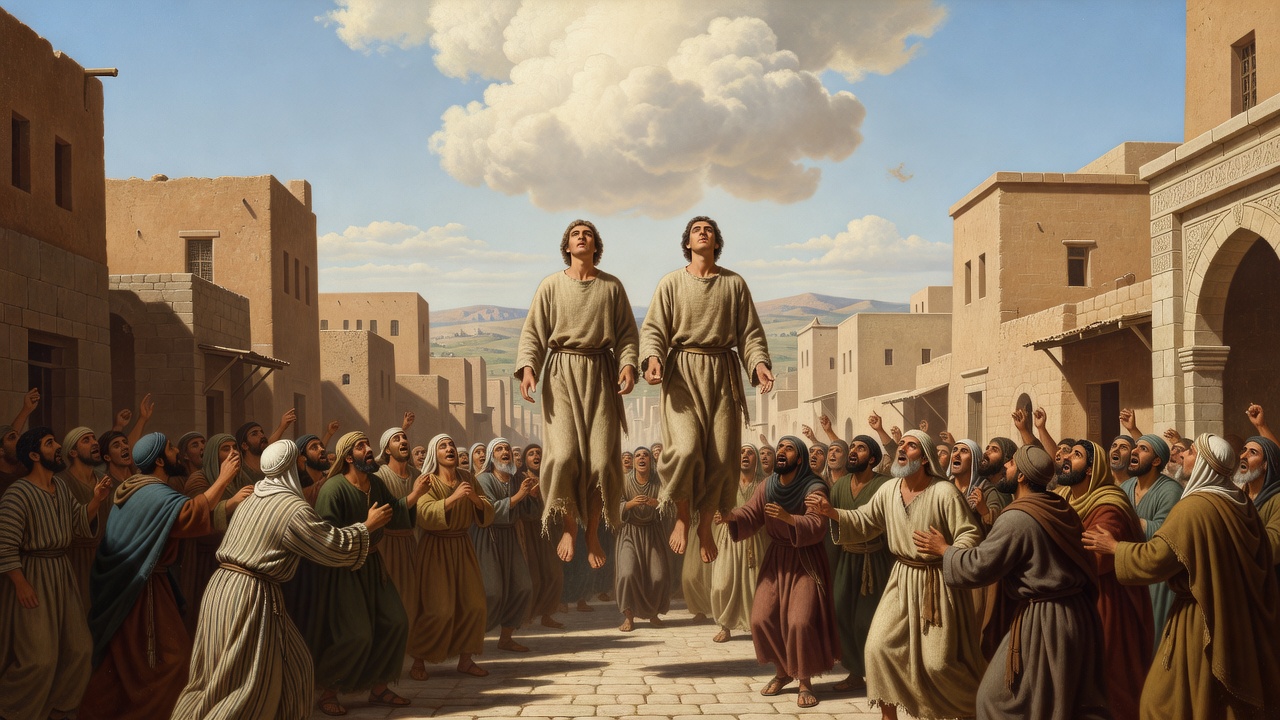
- When the two witnesses finish their testimony, the beast that comes up from the Abyss overpowers and kills them. For three and a half days, peoples, tribes, tongues, and nations view their bodies and will not permit them to be laid in a tomb, while the earth's inhabitants gloat over them, celebrate, and send one another gifts, because the two prophets had tormented them. After that, the breath of life from God enters them; they stand on their feet and go up to heaven in a cloud as their enemies watch.Sources: the Bible text itself
Notes written with AI assistance from open sources (Theographic Bible Metadata, CC BY-SA 4.0; Easton’s Bible Dictionary, public domain) and reviewed before publishing.
Places in this chapter
Only places identified with high confidence are shown (90% or more according to the scholarly sources compiled by OpenBible). Period map: DARE (Digital Atlas of the Roman Empire), CC BY 4.0; modern map: © OpenStreetMap contributors; places: OpenBible.info (CC BY 4.0).
Credits and license for this translation
Godɨndɨ Hoafɨ
The New Testament in the Angor language of Papua New Guinea
Nupela Testamen long tokples Angor long Niugini
Copyright © 2001 The Bible Society of Papua New Guinea
Language: Angor
Contributor: Wycliffe Bible Translators
This translation is made available to you under the terms of the
Creative Commons Attribution-Noncommercial-No Derivatives license 4.0.
You may share and redistribute this Bible translation or extracts from it in any format, provided that:
You include the above copyright and source information.
You do not sell this work for a profit.
You do not change any of the words or punctuation of the Scriptures.
Pictures included with Scriptures and other documents on this site are licensed just for use with those Scriptures and documents.
For other uses, please contact the respective copyright owners.
2013-01-07
Source: http://png.bible/agg/ · eBible.org