Matthew 2
Godɨndɨ Hoafɨ · Tap a verse to see its cross-references.
Hüfɨhamɨndɨ süfuanɨpoedɨ ndüfosi nendɨ Sisas hoeifimbo tükümefundɨ
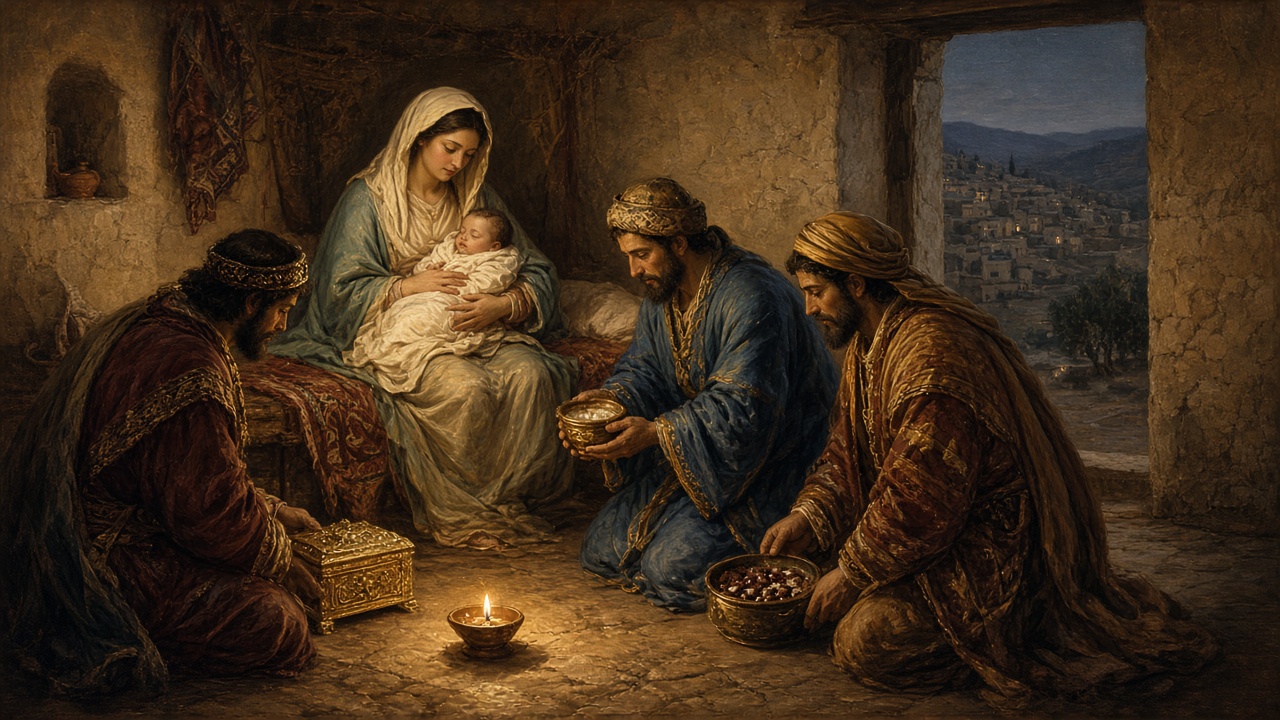
1Herot ai Sudia hɨfambe bogorɨmbofi nüŋguambe ranɨ-sɨmboanɨ Maria ai Sisas ranahambo Betrehemühɨ wakɨmarɨmɨndo. Hondɨ ai Sisas ranahambo serɨmɨndɨ hayamboyo-ane ranambe nindou bogorɨ fɨfɨrundeimbɨ ranai hüfɨhamɨndɨ süfuanɨpoedɨ Serusarem ŋgoafambe tükümefundɨ. 2Ai düduyafundühɨ yahomoya, “Nɨmorɨ sɨmborɨ masahorɨmɨndei sapo Suda-yafe bogorɨmayu ra nüŋgufiyua? Ro hoeirɨhundanɨ ahandɨ mupui ranai hüfɨhamɨndɨ süfuanɨ tüküfe mamaroamboanefɨ asu ro ahambo hohoanɨmoyondowohü ŋgusüfo pefimbohünda masühifɨ,” mehomondamboyu. 3Ranɨyu asu Herot Adükarɨ Bogorɨmayu ranai ranɨ hoafɨ ra hɨmborɨyu haya ŋgusüfoambe afɨndɨ hohoanɨmomarɨra asu muŋguambo nindou Serusarem ŋgoafɨhü mamarei amboanɨ ramareandürɨ. 4Ranɨyu asu Herot ai Godɨmbo sesɨ sɨhou-rundeimbɨ bogorɨ nindou-memo ranɨyomo asu ahɨnümbɨ hohoanɨmo fɨfɨrundeimbɨ nindou-memo ranɨyomo muŋguambo ahamumbo mamühɨ gugureapurɨ mbura düdufipurühɨ yahuya, “Krais ranahambo ŋgoafɨ nahü mandahorɨmɨndeia?” yahu düdumefipuramboemo. 5Asu sɨmborɨ ai ahambo yahomoya, “Betrehem ŋgoafɨhü Sudia hɨfambe. Sapo horombo God ai ahandɨ hoafɨ hoafɨyu-randeimbɨ nindou ahandɨ süŋgu hoafɨ ra ndahuraiyu yare sürü pare masɨhendɨ. Ai Bukambe yare hoafɨyuhü yahuya,
6“Betrehemɨhündɨ, se Sudia hɨfambe-anei anɨboadei ra
awi se Sudiambo hɨfandundeimbɨ bogorɨ ŋgoafɨ ranahamundɨ daboadanɨpoedɨ hamɨndɨyeipoanɨ, ŋga wanɨ.
Sɨhei ŋgoafɨ mbusümodɨdɨ anɨmbo nindou adükarɨ mamɨ ai tükündüfi haya wandɨ Israer nindou ranaheimbo hɨbadarümbui,” Maika 5:2
mehu. 7Ranɨyu asu Herot ai sapo nindou hüfɨhamɨndɨ süfuanɨpoedɨ ndüfosi nendɨ masɨfomo ranahamumbo dɨbo mborai yahupurɨ hürühepurɨ haya yahuya, “Nɨnɨ sɨmboanɨ hondü hamɨndɨyo mupui ra tüküfe mamaro?” yahu haya düdu düdumefipurɨ. 8Ranɨyu ai nindou memo ranahamumbo Betrehemɨnambo koamarɨhepurɨ ndanɨ süŋgundafundɨ yahuhaya hoafɨyupurühɨ yahuya, “Se ŋgɨfomo moanɨ ndondu nɨmorɨ ranahambo nahi ai ahambo masahorɨmɨndei ranahambo kokondurü. Ŋga asu hoeindurühɨ ana, asu se wambo ranühɨ mbɨsɨmo hoafɨndɨmondanɨ anɨmbo asu ro-amboanɨ dügɨ ahambo hohoanɨmondahandowohü ŋgusüfo pandɨhinɨmboane,” yahu koamarɨhepurɨ. 9Ndüfusi nendɨ-memo ranai ahandɨ hoafɨ ra hɨmborɨyomo houmbo ndamefundɨ. Ai nafɨna hɨfomondane, sapo mupui hüfɨhamɨndɨ süfuanɨ tüküfe mamaro ra asükaiyomo hoeimarundɨ. Mupui ranai ahamundɨ haŋgɨfoanɨ hɨfo nɨmorɨ nɨmarümbɨ worɨ ranɨ nɨmoamo mamaro. 10Ranɨyomo mupui ra hoeirundanɨ mayowa ai afɨndɨ hɨhɨfɨ-hɨhɨfɨmemo. 11Ranɨyomo asu ai worɨmayo ranambe kefou hɨfomo nɨmorɨ ranahambo hoeimarüwurɨ ahandɨ hondɨ Maria radɨbo. Ranɨyomo asu ai ahandɨ fikɨmɨ pütapɨyomo yirɨ yimbu pusɨru nɨmarɨmombo ahambo hohoanɨmoyomondühɨ ŋgusüfo pamarüwurɨ. Ranɨyomo ai ahamundɨ arambeahɨndɨ napo ra bokaründümo houmbo masabudo. Ranɨ-moatükunɨ ra gorɨyo, fɨsɨŋarümbɨ mbɨmbɨrayo asu sanda aboedɨyo, ŋgɨnɨndɨ napo ra masabudo. 12Nindou ranahamumbo God ai yafogoadɨ-namboya, “Se Herot nɨmaru nafɨ ŋgomboemo,” mehupuramboemo. Asu süŋgunambo ai ranɨnafɨ hɨnɨŋgɨru hou ŋgorü nafɨ ahamundɨ hɨfɨna mahomo.
Isip hɨfɨna Sosep ai ahandɨ amborɨ babɨdɨmbo aboeda mafefoehindɨ
13Nindou ranai ndaweyafundane ranɨ-sɨmboanɨ Adükarɨndɨ nendɨ ranai Sosepɨmbo yafogoadɨnambo tükümefiyu. Asu ai hoafɨyundühɨ yahuya, “Botɨndafo, nɨmorɨ ranani asu ahandɨ hondane ra ndowapɨndɨfɨ hawa Isip hɨfɨna feboehi ŋgei ranühɨ nɨmboeianɨ asu ro hombo hoafɨndahanɨ anɨmbo ŋgoründühɨ ŋgei. Nɨmboe Herot ai nɨmorɨ ranahambo hɨfokoefimbo kokondürɨ wakɨndirümbui,” yahu hoafɨmenduamboyu. 14Ranɨyu Sosep ai botɨfi nɨmorɨ ra serümündü haya ahandɨ hondɨ ranɨdɨbo mare ranɨ nɨmbokoanɨ Isip hɨfɨnambo mahei. 15Hɨfɨ ranühanɨmbo ai nɨmboeianɨ Herot ai yɨfɨndümbui. Adükarɨ ai ahandɨ hoafɨyu-randeimbɨ ahandɨ yafambe süŋgure haya hoafɨyuhüya, “Ro wandɨ Nɨmorɨ Isip hɨfambeahɨndɨ mborai masahando,” mehu. Hoafɨ ra moanɨ anɨhondü hondü tükündɨfemboe yaho hayamboyo ranɨ moatükunɨ ranai yare yahurai tükümefeyo.
Herotɨndɨ hoafɨ süŋgu nɨmorɨ hɨfokoakomarɨhündɨ
16Hüfɨhamɨndɨ süfuanɨpoedɨ ndüfosi nendɨ masɨfomo ranai ahambo ŋgorü-süŋgumarüwurɨ ra Herot ai kɨrɨhai fɨfɨre hayamboyu asu ranɨmbo ahambo ŋgɨnɨndɨ ŋgusüfoambe fondɨrɨmɨndɨ mahafo. Ranɨyu asu ai muŋguambo nindowenihɨ nɨmorɨ yimbu hɨmbanɨkoateyeimbɨ Betrehem ŋgoafɨhündɨ asu ŋgoafɨ amurɨ ranɨ ŋgoafɨ-kɨmɨ adaburo ranambeahɨndɨ hɨfokoakofoefembo hoafɨ masendɨ. Sapo nindou hüfɨhamɨndɨ süfuanɨpoedɨ ranai hoafɨmemo ranɨ-sɨmboanɨ mupui tükümefeyo hoafɨ ra fɨfɨre hayamboyu asu ai yare hoafɨmepurɨ nɨmorɨ ra hɨfokoakofoefembo. 17Ndanɨ-moatükunɨ tükümefeyo ra sapo Godɨndɨ hoafɨ hoafɨyu randeimbɨ nindou Seremaiandɨ yafambe süŋgure haya horombo hoafɨmareandɨ ra sɨmogodühɨ tüküfemboyo yare tükümefeyo. 18Sapo ai yare hoafɨyuhü yahuya,
“Ramahündɨ ai yasɨmondɨ mamɨ hɨmborɨyei.
Aranɨ hoafɨ afɨndɨ puküna asu aranɨ hoafɨ yambohai tükɨfeyowa hɨmborayei.
Reser ai ahandɨ amoao mamɨ Israerɨhündɨ nɨmorɨ ranaheimbo aranɨnamborandüra
asu muŋguambo nindou ranai ŋgɨrɨ ahambo dɨdɨboadondɨhindɨ ahandɨ ŋgusüfoambe farɨhefembo.
Nɨmboe sapo ahandɨ nɨmorɨ ranai nɨŋgokoatemayeiambo wambo,” mehu ranɨ-süŋgumbo. Jeremaia 31:15
Sosep ai ahandɨ amborɨ babɨdɨ asükaiyei masühüsi
19Süŋgunambo Herot ai yɨfɨyuane asu Adükarɨndɨ nendɨ ranai yafogoadambe Sosepɨmbo Isip hɨfɨhü tüküfi hoafɨyundühɨ yahuya, “Se amborɨ ndowapɨndɨfɨ hawa hɨhɨrɨndafo Israerɨnambo ŋgafɨ. Nindou sapo nɨmorɨ ranahambo hɨfokoefimbo hohoanɨmomemo ranai ana yɨfɨmemo,” mehundoamboyu. 21Ranɨyu asu Sosep ai botɨfi nɨmorɨ ra serümündü haya hondambo kameihɨ asu ai hɨhɨrɨyahi Israer hɨfɨnambo mahüsi. 22Asu Arkeraus ai ahandɨ afɨndɨ Herot ranahandɨ fondühɨ Sudia-yafe adükarɨ bogorɨmbofi manüŋgu ranɨ hoafɨ ra Sosep ai hɨmborɨyu haya ranühɨ nɨŋgombo hombo ra yɨhɨmbomayu. Ŋga asu God ai yafogoadambe Sosepɨmbo bɨdɨfɨrɨ hoafɨ masagadoamboyu asu ai Gariri hɨfɨnambo mahu. 23Ranɨyu asu ai hu ŋgoafɨ mamɨ ahandɨ ndürɨ Nasaret ranühɨ manüŋgu. Sapo mamɨ ranɨ-süŋgumbo anɨmbo God ai ahandɨ hoafɨyomo rundeimbɨ süŋgu hoafɨyomondühɨya, “Nindou ranahambo Nasaretɨhündɨ nindou mbɨseimboyei,” mehomo yahurai anɨhondü tüküfembohündamboyo yahurai tükümefeyo.
Did you know?
Magi, Herod, and Nazareth
- The King Herod of this chapter is Herod the Great. His son Archelaus, by Malthace, a Samaritan woman, inherited a third of the kingdom: Idumea, Judea, and Samaria. Until a few days before Herod's death another son, Antipas, had been named successor, but in his last moments Herod named Archelaus; for fear of him, Joseph turned aside from Judea and withdrew to Galilee.Sources: Archelaus · the Bible text itself
- Matthew links the deaths of the boys in Bethlehem to words spoken through the prophet Jeremiah: a voice in Ramah, Rachel weeping for her children. Rachel, one of Jacob's wives, died giving birth to Benjamin and was buried by the wayside on the road to Ephrath, that is Bethlehem, directly north of the town. Her sepulchre is regarded with great veneration by the Jews.Sources: the Bible text itself · Rachel · Bethlehem
- Bethlehem, in the hill country of Judah, was earlier called Ephrath and was also known as the city of David; under the Romans it lay in Judea, the southernmost of the three divisions of Palestine. Joseph and Mary went instead to Nazareth in Galilee, their home, a town not mentioned in the Old Testament. The name Nazareth is generally supposed to come from the Hebrew netser, a shoot or sprout, though some connect it with a word for guarding or watching.Sources: Bethlehem · Judea · Nazareth · the Bible text itself
Notes written with AI assistance from open sources (Theographic Bible Metadata, CC BY-SA 4.0; Easton’s Bible Dictionary, public domain) and reviewed before publishing.
Places in this chapter
- Bethlehem · 31.704, 35.208 · verses 1, 5, 6, 8, 9, 16
- East · Today: region around Amman · 31.955, 35.934 · verses 1, 2, 9
- Jerusalem · 31.777, 35.234 · verses 1, 3
- Judea · Today: Judea 1 · 31.777, 35.234 · verses 1, 5, 22
- Egypt · 30.129, 31.308 · verses 13, 14, 15, 19
- Galilee · 32.760, 35.527 · verse 22
- Nazareth · 32.702, 35.298 · verse 23
Only places identified with high confidence are shown (90% or more according to the scholarly sources compiled by OpenBible). Period map: DARE (Digital Atlas of the Roman Empire), CC BY 4.0; modern map: © OpenStreetMap contributors; places: OpenBible.info (CC BY 4.0).
Credits and license for this translation
Godɨndɨ Hoafɨ
The New Testament in the Angor language of Papua New Guinea
Nupela Testamen long tokples Angor long Niugini
Copyright © 2001 The Bible Society of Papua New Guinea
Language: Angor
Contributor: Wycliffe Bible Translators
This translation is made available to you under the terms of the
Creative Commons Attribution-Noncommercial-No Derivatives license 4.0.
You may share and redistribute this Bible translation or extracts from it in any format, provided that:
You include the above copyright and source information.
You do not sell this work for a profit.
You do not change any of the words or punctuation of the Scriptures.
Pictures included with Scriptures and other documents on this site are licensed just for use with those Scriptures and documents.
For other uses, please contact the respective copyright owners.
2013-01-07
Source: http://png.bible/agg/ · eBible.org