Luke 3
Godɨndɨ Hoafɨ · Tap a verse to see its cross-references.
Son hundürɨra-randeimbɨ ai hoafɨ bokarɨmarɨhendɨ
1Sisar Taiberius ai 15 hɨmbanɨ hɨfandɨrandambe Pondius Pairat ai Sudia-yafe hɨfɨ hɨfandɨmarandɨ. Herot ai Gariri hɨfɨ hɨfandɨrandane, ahandɨ akɨdɨ Firip ai Ituria hɨfɨ asu Trakonitis hɨfɨ hɨfandɨmarandɨ. Risanias ai Abirene hɨfɨ hɨfandɨrandambeyo asu Anas weimbo Kaiafas ai Godɨmbo sesɨ sɨhene-rɨnandeimbɨ bogorɨ adükarɨmayafanɨ. Ranɨ sɨmboanɨyo Son Sekaraiandɨ nɨmorɨ ahambo-so nɨmɨ wohɨ furɨkoate-reandühɨ Godɨndɨ hoafɨ ranai tükümefeyo. 3Ranɨyo Son ai Sodan hoekɨmɨ ra hoahoaŋgu wakɨreandühɨ hoafɨ bokarɨhendühɨ yahuya, “God ai sɨhei moaruwai hohoanɨmo ra gogorɨhefembohünda muŋguambo nindou sɨhei moaruwai hohoanɨmo ra hɨnɨŋgɨndɨhi hehi hundüründei,” mehu. 4Ranɨ-moatükunɨ ra Godɨndɨ hoafɨ hoafɨyu-randeimbɨ, ahandɨ ndürɨ Aisaia, ahandɨ bukambe hoafɨmayo süŋguyo tükɨmefeyo. Ai yare hoafɨyowohüya,
“Nɨmɨ wohɨ furɨkoate-reandühɨ nindou mamɨ ahandɨ yasɨmondɨ ranai mɨŋgɨyo hoafɨyowohü yahoya,
‘Adükarɨndɨ nafɨ wudɨpoapondɨhindɨ,
ahambohünda nafɨ dɨdɨboadondɨhindɨ.’
5Muŋguambo hoafendɨ peyo-peyo arandɨ ra hɨfɨ hɨrɨndei koaboadɨhindühɨ
botɨre nɨŋgoweimbɨ ra dɨdɨboadombɨrɨhindamboane.
Nafɨ ho pusɨre ho pusɨre-randeimbɨ ra
dɨdɨboadorɨhinda mbumundɨmbeyo-wamboane,
asu nafɨ moaruwaiayo ra wudɨpoapo-mbɨrɨhindamboane.
6Rananɨmbo muŋguambo nɨmorehɨ nindowenihɨ ranai God sɨhefɨmbo aboedambofe-munɨmbohünda ratüpurɨmayu ra hoeimbɨrɨhindamboane,” Aisaia 40:3-5
meho.
7Nindou afɨndɨ ranai Sonɨmboya hundürümbɨramunɨ sei hehi Sodan hɨmona maheiamboyu ai aheimbo hoafɨyundürühɨ yahuya, “Se ana amoasɨrɨ moaruwai ranahandɨ nɨmor-anei. Sɨheimbo dɨdɨ ai hoafɨmayu-amboyei God ai moaruwaimbo-fendürɨmboayu ranambeahɨndɨ aboedambo-fembo hohoanɨmoayeia? 8Sɨhei hohoanɨmo ra hɨsɨ nahurai-ane. Se sɨhei moaruwai hohoanɨmo hɨnɨŋgɨmarɨhindɨ ra nafuimbohünda hɨsɨ aboedɨ nahurai hohoanɨmombeyei-amboane. Asu se ŋgɨrɨ sɨheihoarɨ sɨmborɨ hoafürɨndeihɨya, ‘Abraham ana yɨhoefɨ amoao-ani ranɨmboane God ai ŋgɨrɨ yɨhoefɨmbo ŋgɨnɨndɨndamunɨ,’ mbɨsei. Ŋga Abrahamɨndɨ ahuirɨ ra moanane. Haponda ro sɨheimbo hoafayahandürɨ, God ai yifirayu ana, ai nɨmoei nda Abrahamɨndɨ ahuirɨmbonde nafɨndandürɨ hɨnɨŋgɨ-ndeandürümbui. 9Nɨmɨ ranai aboedɨ hɨsɨkoate-ayo ana, nɨmɨ afimambe tɨme yaŋgorɨmboane, hɨtɨfoefe haiambe pifembohünda,” mehu.
10Nɨmorehɨ nindowenihɨ ranai Son hoafɨmayu ra hɨmborɨ-yei hehi düdurɨhorühɨ seiya, “Asu ro nünüŋgu-mandɨhunda?” masei 11Asu ranɨyo Son ai sɨmborɨ hoafɨyundürühɨ yahuya, “Nindou ŋgorü ai siot yimbundapɨranɨ asu ŋgorü ai moanɨnduanɨ ahandɨ-mayo fihɨndɨ ŋgorü mbɨsagadowamboane. Asu nindou ŋgorü ai sesɨ afɨndɨ asɨhendɨ amboanɨ moanɨ mamɨ mare ranɨ süŋgumbɨreand-amboane,” mehu. 12Takis kakɨ sowandümo-rundeimbɨ nindou bɨdɨfɨrɨ amboanɨ hundürümbohünda mahomo. Asu ai düduyafundühɨ yahomoya, “Nindou yamundo-randeimbɨ, asu ro nünüŋgu-mandɨhunda?” mehomo. 13Asu sɨmborɨ Son ai hoafɨyupurühɨ yahuya, “Se takis kakɨ ra gafman hoafɨmemo sɨmogodühɨ yaŋgɨrɨ ndowandümo, ŋga se ahei-mayo afɨndɨ hamɨndɨ semɨndɨpoanɨ,” mehu. 14Asükai ami bɨdɨfɨrɨ ranai düduyafundowohü yahomoya, “Asu ro nünüŋgu-mandɨhunda?” mehomondamboyu. Asu sɨmborɨ hoafɨyupurühɨ yahuya, “Se yowanɨ nindou bɨdɨfɨrambo moaruwaimbo-ndüwurühɨ ahei kakɨ hümbuhünɨ-yopoanɨ. Asu se yowanɨ ahei-mayo kakɨ hümbuhünɨmbohünda tɨkefehefe papɨ-hoafɨyopoanɨ. Sapo sɨhamundɨ ratüpurɨ ranɨmbo-hünda kakɨ asowandümo ra ndear-ane,” mehu.
15Nɨmorehɨ nindowenihɨ ranai ranɨ-moatükunɨ ra hoeirɨhi hehi hepünehindühɨ afɨndɨ hohoanɨmoyeihɨ seiya, “Awi Son ranana Godɨndɨ nindou ranaheimbo semɨndɨ-ndürɨmbo kafoarirɨ hɨnɨŋgɨmarirɨ sapo Krais ranɨ-mbai,” masei. 16Ranɨyo asu Son ai aheimbo muŋguambo hoafɨyundürühɨ yahuya, “Roana sɨheimbo hoenambo yaŋgɨr-ane hundürarɨhandürɨ, ŋga nindou ŋgorü süŋgunɨ asünu ranai ana ahandɨ ŋgɨnɨndɨ ra wandɨ ŋgɨnɨndɨ ŋgasündeamboane. Asu roana aboedɨ hamɨndɨyahɨpoanɨ ahandɨ su wofɨ hɨmondɨ-maramündu ra fufurɨhefembohünda. Ai anɨmbo hai asu Yifiafɨ Aboedɨnambo hundürü-ndandürɨmbui. 17Aiana nindou sɨfet semündümbo nahurai anɨmbo tükündɨfimbui. Rananɨmbo wit hɨpɨrɨ ra fɨfɨrɨndɨhembui. Asu wit safɨ wit sɨhefe worambe dɨgendühɨ hɨpɨrɨ ra hai koadürümbo koadürümbo horoweimbɨ ranambe mandeambui,” mehu.
18Nɨmorehɨ nindowenihɨ afɨndɨ ranaheimbo Son ai ahei ŋgusüfoambe ŋgorü süŋgurearü botɨrearü randühɨ aboedɨ hoafɨ ra bokamarɨhendürɨ. Asu bɨdɨfɨrɨ amurɨ hoafɨ ranamboanɨ ranɨfihɨ türe wataporɨmbo-marandɨ.
Herot ai Sonɨmbo karabusɨmarirɨ
19Ŋga Son ai ahamundɨ nindou adükarɨ bogorɨ ahandɨ ndürɨ Herot ranahambo ŋgɨnɨndɨ hoafɨmayundo. Ai ramarirɨ ra sapo Herot ai ahandɨ akɨdandɨ nɨmorehɨ ahandɨ ndürɨ Herodias semündü asu bɨdɨfɨrɨ amurɨ moaruwai hohoanɨmo ranamboa yare marandamboyo ramarirɨ. 20Ranɨyu Herot ai moaruwai hohoanɨmo ŋgorü hohoanɨmoyuhüyu asu ai Sonɨmbo karabusɨmarirɨ.
Son Sisasɨmbo hundürümarürɨ
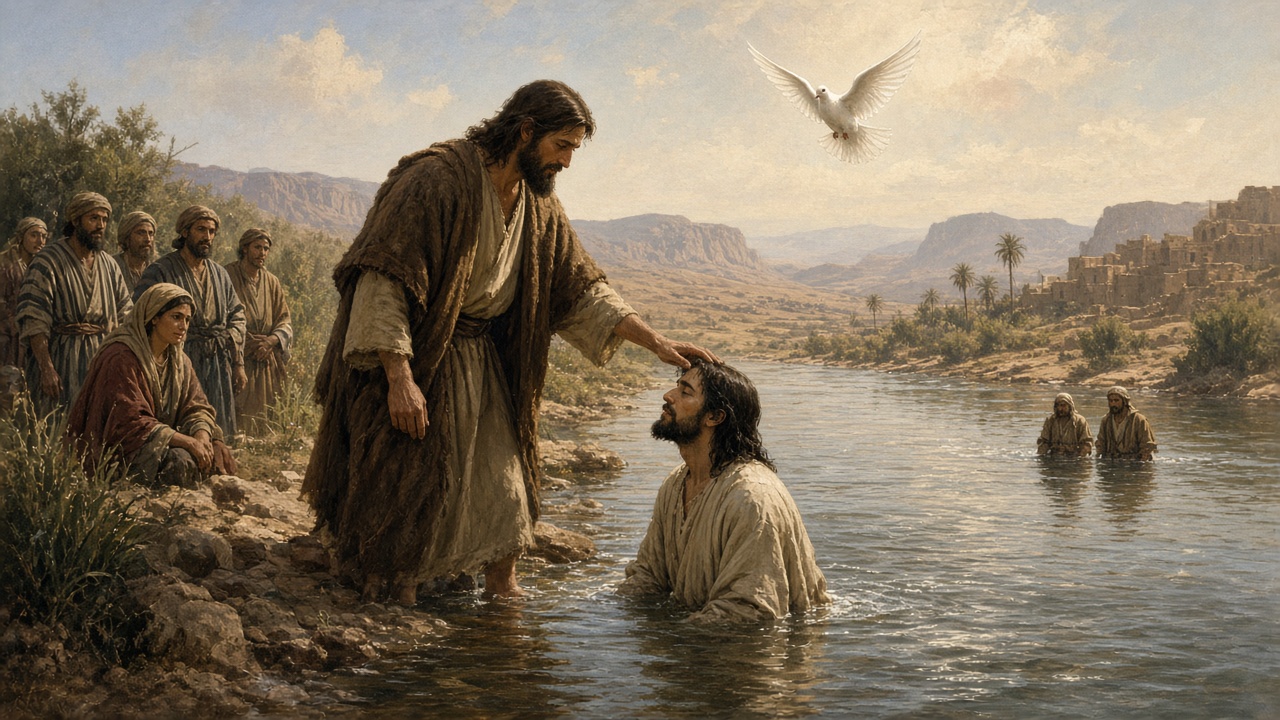
21Muŋguambo nɨmorehɨ nindowenihɨ ai huhundürüyei hehimboyei, asu Sisas ai-amboanɨ hundürümayu. Ai refi mbura nɨmoamo hɨmboyuhü dɨdɨbafɨyuhü nüŋguane, asu sünambe bumareandɨ. 22Ranɨyo asu Yifiafɨ Aboedɨ ranai wupufo hoearambefe haya kosɨ ahandɨwamɨ pühɨmayo. Ranɨyo asu sünambeahɨndɨ hoafɨ ranai tüküfihɨ yare hoafɨyowohü yahoya, “Seana moanɨ wandɨ nɨmorɨ hondü-anafɨ. Ro sɨhambo ŋgusüfoambe siao yaheamboanahɨ,” yaho hoafɨmayo.
Sisasɨndɨ amoao ahamundɨ ndürɨ
23Sisas ai 30 hɨmbanɨmboyuhüyu ahandɨ ratüpurɨ ra piyu haya ratüpurɨmayu hu. Ranɨyei asu nindou ai awi Sosepɨndɨ nɨmor-ani sei hoafɨmayei. Ranühɨ peyo haya boagɨrɨ maho ra ndahurai-ane: Sosep ai Erindɨ nɨmorɨyuane asu Eri ai Matatɨndɨ nɨmorɨ-mayu. 24Matat ai Rifaindɨ nɨmorɨyuane asu Rifai ai Merkindɨ nɨmorɨ-mayu. Merki ai Sanaindɨ nɨmorɨyuane asu Sanai ai Sosepɨndɨ nɨmorɨ-mayu. 25Sosep ai Matatiasɨndɨ nɨmorɨyuane asu Matatias ai Amosɨndɨ nɨmorɨ-mayu. Amos ai Nahumɨndɨ nɨmorɨyuane asu Nahum ai Esrindɨ nɨmorɨ-mayu. Esri ai Nagaindɨ nɨmorɨyuane asu Nagai ai Matɨndɨ nɨmorɨ-mayu. 26Mat ai Matatiasɨndɨ nɨmorɨyuane asu Matatias ai Semenɨndɨ nɨmorɨ-mayu. Semen ai Sosekɨndɨ nɨmorɨyuane asu Sosek ai Sodandɨ nɨmorɨ-mayu. 27Soda ai Soananɨndɨ nɨmorɨyuane asu Soanan ai Resandɨ nɨmorɨ-mayu. Resa ai Serubaberɨndɨ nɨmorɨyuane asu Serubaber ai Siartierɨndɨ nɨmorɨ-mayu. Siartier ai Nerindɨ nɨmorɨyuane, Neri ai Merkindɨ nɨmorɨ-mayu asu Merki ai Adindɨ nɨmorɨyuane asu Adi ai Kosamɨndɨ nɨmorɨ-mayu. Kosam ai Ermadamɨndɨ nɨmorɨyuane asu Ermadam ai Erɨndɨ nɨmorɨ-mayu. 29Er ai Sosuandɨ nɨmorɨyuane asu Sosua ai Erieserɨndɨ nɨmorɨ-mayu. Erieser ai Sorimɨndɨ nɨmorɨyuane asu Sorim ai Matatɨndɨ nɨmorɨ-mayu. 30Matat ai Rifaindɨ nɨmorɨyuane asu Rifai ai Simionɨndɨ nɨmorɨ-mayu. Simion ai Sudandɨ nɨmorɨyuane asu Suda ai Sosepɨndɨ nɨmorɨ-mayu. Sosep ai Sonamɨndɨ nɨmorɨyuane asu Sonam ai Eriakimɨndɨ nɨmorɨ-mayu. 31Eriakim ai Mereandɨ nɨmorɨyuane asu Merea ai Menandɨ nɨmorɨ-mayu. Mena ai Matatandɨ nɨmorɨyuane asu Matata ai Natanɨndɨ nɨmorɨ-mayu. 32Natan ai Defitɨndɨ nɨmorɨyuane asu Defit ai Sesindɨ nɨmorɨ-mayu. Sesi ai Obetɨndɨ nɨmorɨyuane asu Obet ai Boasɨndɨ nɨmorɨ-mayu. Boas ai Sarmonɨndɨ nɨmorɨyuane asu Sarmon ai Nasonɨndɨ nɨmorɨ-mayu. 33Nason ai Aminadapɨndɨ nɨmorɨyuane asu Aminadap ai Ramɨndɨ nɨmorɨ-mayu. Ram ai Hesronɨndɨ nɨmorɨyuane asu Hesron ai Peresɨndɨ nɨmorɨ-mayu. Peres ai Sudandɨ nɨmorɨyuane asu 34Suda ai Sekopɨndɨ nɨmorɨyu-mayu. Sekop ai Aisakɨndɨ nɨmorɨyuane asu Aisak ai Abrahamɨndɨ nɨmorɨ-mayu. Abraham ai Terandɨ nɨmorɨyuane Tera ai Nahorɨndɨ nɨmorɨ-mayu. 35Nahor ai Serukɨndɨ nɨmorɨyuane asu Seruk ai Reundɨ nɨmorɨ-mayu. Reu ai Perekɨndɨ nɨmorɨyu-ane asu Perek ai Eberɨndɨ nɨmorɨ-mayu. Eber ai Sarandɨ nɨmorɨyuane asu Sara ai Kainanɨndɨ nɨmorɨ-mayu. 36Kainan ai Arpaksatɨndɨ nɨmorɨyuane asu Arpaksat ai Siemɨndɨ nɨmorɨ-mayu. Siem ai Noandɨ nɨmorɨyuane asu Noa ai Ramekɨndɨ nɨmorɨ-mayu. 37Ramek ai Metuserandɨ nɨmorɨyuane asu Metusera ai Enokɨndɨ nɨmorɨ-mayu. Enok ai Saretɨndɨ nɨmorɨyuane asu Saret ai Mahararerɨndɨ nɨmorɨ-mayu. Mahararer ai Kenanɨndɨ nɨmorɨyuane asu Kenan ai Inosɨndɨ nɨmorɨ-mayu. Inos ai Setɨndɨ nɨmorɨyuane asu Set ai Adamɨndɨ nɨmorɨyuane asu Adam ranɨyu Godɨndɨ nɨmorɨ-mayu.
Did you know?
John the Baptist prepares the way
- Luke sets John's preaching in the fifteenth year of Tiberius Caesar, the stepson of Augustus, who succeeded him in A.D. 14 and died in A.D. 37. Easton's Bible Dictionary (1897) notes that John began his public ministry in that year, and that Pontius Pilate, the sixth Roman procurator of Judea from A.D. 26 to 36, kept his headquarters at Caesarea during a term that covered the ministries of John and Jesus. Herod Antipas, a son of Herod, was then tetrarch of Galilee.Sources: the Bible text itself · Tiberius · Pontius Pilate · Herod Antipas
- The chapter dates these events during the high priesthood of both Annas and Caiaphas. Easton's Bible Dictionary (1897) records that Annas was high priest from A.D. 7 to 14 and was deposed by the Roman procurator, and that Caiaphas, who had married Annas's daughter, was raised to that office in A.D. 25. The same entry suggests that the Jews may still have regarded Annas as the lawful high priest, since Mosaic law held the office for life, and that he probably served with Caiaphas as president of the Sanhedrin or as the high priest's deputy.Sources: the Bible text itself · Annas
- John, son of Zechariah, was of priestly descent: his father was a priest of the course of Abia, and his mother, Elizabeth, belonged to the daughters of Aaron. Easton's Bible Dictionary (1897) notes that his mission was the subject of prophecy, including Isaiah's voice crying in the wilderness, and that his birth came six months before the birth of Jesus. In this chapter he preaches a baptism of repentance throughout the region around the Jordan, and Herod the tetrarch later imprisons him after John rebukes him over Herodias.Sources: the Bible text itself · John the Baptist
Notes written with AI assistance from open sources (Theographic Bible Metadata, CC BY-SA 4.0; Easton’s Bible Dictionary, public domain) and reviewed before publishing.
Places in this chapter
- Abilene · 33.627, 36.106 · verse 1
- Galilee · 32.760, 35.527 · verses 1, 19
- Ituraea · 33.400, 35.850 · verse 1
- Judea · Today: Judea 1 · 31.777, 35.234 · verse 1
- Trachonitis · Today: Lajat · 32.969, 36.455 · verse 1
- Jordan · Today: Jordan River · 31.761, 35.558 · verse 3
Only places identified with high confidence are shown (90% or more according to the scholarly sources compiled by OpenBible). Period map: DARE (Digital Atlas of the Roman Empire), CC BY 4.0; modern map: © OpenStreetMap contributors; places: OpenBible.info (CC BY 4.0).
Credits and license for this translation
Godɨndɨ Hoafɨ
The New Testament in the Angor language of Papua New Guinea
Nupela Testamen long tokples Angor long Niugini
Copyright © 2001 The Bible Society of Papua New Guinea
Language: Angor
Contributor: Wycliffe Bible Translators
This translation is made available to you under the terms of the
Creative Commons Attribution-Noncommercial-No Derivatives license 4.0.
You may share and redistribute this Bible translation or extracts from it in any format, provided that:
You include the above copyright and source information.
You do not sell this work for a profit.
You do not change any of the words or punctuation of the Scriptures.
Pictures included with Scriptures and other documents on this site are licensed just for use with those Scriptures and documents.
For other uses, please contact the respective copyright owners.
2013-01-07
Source: http://png.bible/agg/ · eBible.org