Hebrews 10
Godɨndɨ Hoafɨ · Tap a verse to see its cross-references.
Krais ai mamɨmbo yaŋgɨrɨ yɨfɨmayu
1Suda-yeimayo ahɨnümbɨ hohoanɨmo ranana sapo nɨne-moatükunɨ aboedɨ süŋgunambo tüküfemboayo ranahandɨ-mayo sɨsamɨ yifiafɨ nahurai-ane. Asu nindou ai ahɨnümbɨ hohoanɨmo süŋgurɨhi-rühündeimbɨ muŋguambo hɨmbanɨ aho ra ahei moaruwai hohoanɨmo ranahambo-hündambo Godɨmbo nɨnɨhondɨ hɨfokoarɨhi sɨhehi arɨhündɨ. Ŋga ranɨ hohoanɨmo ŋgɨrɨ nindou Ape sowana hei arɨhündɨ ranaheimbo muŋguna aboedambo-ndeandürɨ. 2Ŋga ahɨnümbɨ hohoanɨmo süŋgu nindou-yei moaruwai hohoanɨmo ranahambo raguanambo-reandüra ai aboedɨ sürühehindeimbɨ tükümbehi-mbonana, asu ai ŋgɨrɨ moaruwai hohoanɨmo ranahambo hütiyefɨ sei hehi hei rɨhündɨ. Rambefe-mbonana, asu muŋguambo Godɨmbo nɨnɨhondɨ hɨfokoefe hohoanɨmo ra rühɨsafɨ hɨnɨŋgɨrɨhisɨ. 3Ŋga asu Godɨmbo hɨfokoefe sɨhefe hohoanɨmo ra muŋguambo hɨmbanɨ yarɨhi pɨyei arɨhü hei ahei moaruwai hohoanɨmo ranahambo hohoanɨmo korɨfoefe-ndürɨmbohünda. 4Ŋga burmakau hor-ane asu meme hor-ane ranɨ-moatükunɨ ranai ana awi ŋgɨrɨ moaruwai hohoanɨmo ranahambo raguanambo-ndeandɨ.
5Ranɨmbo-hünda Krais ai ndeara hɨfɨna kosɨmbo yahumbo ai Godɨmbo hoafɨyundühɨ yahuya,
“God, seana sɨhambohünda nɨnɨhondɨ hɨfokoefe sɨhefe moatükunɨ ranɨmbo ana se moai yifirɨyafɨ,
ŋga se wandɨ fi-safɨ ranɨrandɨ refembohünda yaro masahawandɨ.
6Seana nɨnɨhondɨ sɨhambohünda muŋguambo mandɨfeimb-ane,
asu moaruwai hohoanɨmo raguanambo-fembohünda
ŋgorü-poanɨ sɨhambo sɨhefembo moatükunɨ ranɨmbo ana moai hɨhɨfɨ-hɨhɨfɨyafɨ randɨ.
7Ranɨyahɨ asu ro yarɨhe hoafɨyahühɨya, ‘O God, yɨnɨyahɨ ro nda.’
Sapo sürü paru masɨhoemo buk ranambe wambohünda yare hoafɨmayo.
Moanɨ sɨhafɨ hohoanɨmoayafɨ ranɨ-süŋgufembo-hünda ro ndeara kosamboanahɨ,” Buk Song 40:6-8
mehu. 8Weaŋgurühɨ ai yare hoafɨyuhü yahuya, “Seana moai yifirɨyafɨ randɨ sɨhambohünda nɨnɨhondɨ hɨfokoefe sɨhefe asu mandɨfe arandɨ moaruwai hohoanɨmo raguanambofembo ranɨmbo ana,” mehu. Ahɨnümbɨ hohoanɨmo ra yaŋgorowanɨ ranɨ-süŋgumbo nɨnɨhondɨ Godɨmbo hɨfokoefe sɨhefe hohoanɨmo ra yarɨhi arɨhündɨ yahu Krais ai hoafɨmayu. 9Asükai ai yare hoafɨyuhü yahuya, “O God, yinɨyahɨ ro nda. Ro sapo se hohoanɨmoayafɨ süŋgu yaŋgɨrɨ süŋgufihɨ refemboanahɨ ndanɨmboahɨ,” mehu. God ai muŋguambo wamɨndafɨ Godɨmbo sai-rambo moatükunɨ ra gɨgɨranambo-reandühani, asu Kraisɨndɨ fi Godɨmbo saimbo moatükunɨ ranahandɨ fondɨhü sɨmborɨ kɨkafoareandɨ. 10Sapo Sisas Krais ai God ro hohoanɨmoayahɨ süŋgu yaŋgɨrɨ rambɨreandamboane mehu ranɨ-süŋgure haya asu ai moanɨ ahandɨ fi ra mamɨmbo yaŋgɨrɨ muŋguambo si aho ranɨmbo kameihɨ Godɨmbo masɨhendo. Rananɨmbo asu sɨhɨrɨ moaruwai hohoanɨmo ranambeahɨndɨ aboedɨ sürühehundeimbɨ anɨmboefɨ.
11Suda-yomondɨ Godɨmbo sai-randeimbɨ bogorɨ mamamɨ ranai ahandɨ Godɨmbo nɨnɨhondɨ mandɨfe sɨhefembo ratüpurɨ ra muŋguambo si ratüpurɨyuhü moanɨ mamɨ ranɨ-moatükunɨ ratüpurɨ yaŋgɨrɨyu rarao ra hu marandɨ. Ŋga asu ranɨ-moatükunɨ ratüpurɨ ranai ana awi ŋgɨrɨ moaruwai hohoanɨmo ranahambo raguanambo-ndeandɨ. 12Ŋga asu Krais-ana moanɨ ai mamɨmbo yaŋgɨrɨyu yɨfɨyuhü ahandɨ fi ra Godɨmbo masɨhendo muŋguambo si moaruwai hohoanɨmo ra raguanambofembo-hünda. Ranani asu ai haponda Godɨndɨ warɨ hondü waranɨ amaru. 13Ranɨhü ai Godɨmboya, ai wandɨ hürütümbɨ nindou ra wandɨ yirɨmbo hoarehɨ hɨnɨŋgɨmbɨreandɨ yahuhaya hɨfanda amaru. 14Ai moanɨ mamɨmbo yaŋgɨrɨ yɨfɨyuhü Godɨmbo fi ahandɨ ra sɨhendühɨ asu ranɨnambo ai nindou ranaheimbo moaruwai hohoanɨmo ranambeahɨndɨ sürühendürɨ hɨnɨŋgɨ-mareandüra ai koadürümbo-koadürümbo ndorɨhehi anɨmboei.
15Yifiafɨ Aboedɨ ranai-amboanɨ ranahambo anɨhond-ane meho. Ŋga ai Baibor-ambeahɨ weaŋgurühɨ hoafɨyowohü yahoya,
16“Haponda awi süŋgunambo-anɨmbo Israer nindou-babɨdɨmbo,
ndanɨ hoafɨ femɨndɨ sɨhefe ndandɨhe ndahurai-anɨmbo randɨheamboyahɨ,” Adükarɨ ra mehu.
“Ro wandɨ-mayo hohoanɨmo ahei hohoanɨmoambe hɨnɨŋgɨndɨheandühɨ
asu ahei ŋgusüfofihɨ sürü papɨndɨhɨ hɨnɨŋgɨ-ndɨheamboyahɨ,” Jeremaia 31:33
mehu. 17Ranɨyu ai nɨŋofi hoafɨyuhü yahuya,
“Ro ahei moaruwai hohoanɨmomayei-ane
asu moaruwai hamɨndɨ moatükunɨ hondü yarɨhi arɨhündɨ
ranahambo amboawiyei mbɨsahɨ ŋgɨrɨ gedambo hohoanɨmondahɨ,” Jeremaia 31:34
mehu. 18Asu muŋgu ranɨ-moatükunɨ hohoanɨmo ranahambo amboawiyei ehu ana, asu moaruwai hohoanɨmo raguanambofembo Godɨmbo nɨnɨhondɨ hɨfokoefe sɨhefe hohoanɨmo ranai ŋgɨrɨ asükaindo tükündɨfe ndandɨ.
19Ŋga ranɨmbo-hündambo-anɨmbo wandafɨ mamɨ, awi Godɨmbo sɨhefe bogorɨ adükarɨ ai moanɨ Sürühoeimbɨ Hondü Fondɨ ranambe kefuai hu arandɨ nou sɨhɨrɨ amboanɨ moanɨ hɨmbokoate God nɨmaruambe Sisasɨndɨ horɨ süŋgumbo keboehu ŋgemboyefɨ. 20Sɨhɨrɨ ranambe keboehu ŋgemboyefɨ sɨmborɨ nafɨ ranɨ-süŋgu. Sisas yɨfɨyuhüyu ai hoearɨ Godɨndɨ nafɨtambehü mapenɨŋgo ranɨ mbusümo nafɨ hɨfombo yaŋgɨrɨ nɨŋgoweimbɨ nafɨ ra sübüdɨmarɨhendɨ. 21Ranɨmboane hapondanɨ ana sɨhɨrɨ Godɨmbo Sai-randeimbɨ Bogorɨ Adükarɨ Godɨndɨ worɨ sünambe ranambeahɨndɨ nindou hɨfanda-randeimbɨ bogorɨ anüŋgu. Ranai Sisas-ani. 22Sapo aiyu ahandɨ horɨna sɨhefɨmbo moaruwai hohoanɨmo sɨhefɨ ŋgusüfoambe ranahambo sɨhɨrɨ hüti-anefɨ yarɨhu arɨhundɨ sefɨ-rɨhundeimbɨ amaro ra popoai-marɨhemunɨ. Asu sürühoeyoweimbɨ hoenambo amboanɨ kameihɨ sɨhefɨ fi hundürümaramunɨ. Ranɨmbo-hündambo-anɨmbo sɨhefɨ ŋgusüfoambe moaruwai tɨkai hohoanɨmo amaro ra raguanambondɨhu mbundɨhu asu sɨhɨrɨ moanɨ anɨhondümbofe hohoanɨmo ranɨ yaŋgɨrɨ ndahumündefɨ hohu God sowana akɨmɨ sühündahu ŋgefɨmboane. 23God ai aboedɨ moatükunɨ süŋgunambo sɨhefɨmbo saimunɨmboayu ranahambo horombo hoafɨmareandɨ. Ranɨmbo sɨhɨrɨ hoafɨyefɨ arɨhundɨ ranahambo awi ŋgɨnɨndɨ nɨmboefɨmbo hɨmbondefɨmboane. Awi ahambo sɨhɨrɨ randeambui mbɨsefɨ anɨhondümbo-ndɨhumboane sapo God ai hoafɨyumbühündɨ ai randeambuimbo-hündambo wambo. 24Awi sɨhɨrɨ mamamɨ wandafɨ mamɨ ranaheimbo hohoanɨmo-ndefɨmboane. Asu nindou ai sɨmborɨ fehefe asu ŋgusüfo pefe hohoanɨmo ra ahei hohoanɨmoambe botɨndɨhumboane. 25Awi sɨhɨrɨ ana wandafɨ mamɨ-babɨdɨ mamühɨ fandɨfe hohoanɨmo ra refe hɨnɨŋgɨfepoanɨ rühɨ sapo nindou amurɨ bɨdɨfɨrɨ raweahi arɨhündɨ nou, ŋga wanɨ. Ŋga se hoeirɨhimboanei bɨdɨfɨranɨ si ra ndeara akɨmane. Ŋga ranɨmbo-hündambo-anɨmbo asu sɨhɨrɨ nindou bodɨmondɨ ranahei ŋgusüfoambe hohoanɨmo ŋgɨnemɨndɨ-ndürɨmbohünda tɨŋɨrɨfondefɨ ŋgefɨmboane.
Godɨndɨ Nɨmorɨ ranahambo daboadanambo-fipoanɨ
26Asu sɨhɨrɨ Kraisɨndɨ-mayo anɨhondü hoafɨ ra fɨfɨrɨhu mburɨhu, moanɨ sɨhefɨ hohoanɨmonambo yaŋgɨrɨ hefühɨnda, ranɨnambo moaruwai hohoanɨmo ranɨ-süŋgu peahu ahefɨ ana, moai ŋgorü-poanɨmbo hɨfokoefe Godɨmbo sɨhefeyoanɨ asu ranambo hohoanɨmo ra raguanambofembo yaŋgoromunɨ, ŋga wanɨ. 27Ŋga sapo Godɨndɨ yɨbobofemunɨmbo si tükündɨfeyowohü nindou Godɨndɨ hürütümbɨ ranaheimbo ŋgɨnɨndɨ hamɨndɨ hai ranambo tɨkɨrɨndandürɨmboe ranahambo yɨhɨmboyefühɨ hɨmboayefɨ ranɨ yaŋgɨr-ane eŋgoro. 28Nindou düdi ai ahɨnümbɨ hohoanɨmo Moses masendɨ ra hɨmborɨyowohü süŋgufekoate-ayu ana, nindou yimbuyafanɨ asu ŋgɨmɨyomo ai ranɨ-moatükunɨ ra ai ramareandɨ sei hoafɨyeianɨ moanɨ amboawi yaho-koate hɨfokoarɨhi marɨhündɨ. 29Asu nindou düdi ai Godɨndɨ Nɨmorɨmbo daboadɨ hɨhɨrarirɨ ana, se ranahambo nüŋgurɨhi hohoanɨmo-yeihɨyeia? Nindou ranai ana awi afɨndɨ tɨŋɨrɨfo saf-anɨmbo ndemündümbui. Kraisɨndɨ-mayo horɨ ranambo Godɨndɨ hoafɨ femɨndɨ sɨhefe ranahambo ndomarɨhendɨ. Horɨ mamɨ ranamboyo nindou ranahambo hohoanɨmoambe sürɨherɨ hɨnɨŋgɨmarer-anesɨ. Ŋga asu nindou ranai hoafɨ femɨndɨ sɨhefe horɨ-mayo ranahamboya, ranɨ-moatükunɨ ana moan-ane, ŋga ndorɨhoeimbɨ moatükunɨ hamɨndɨyopoanɨ yahumbü nindou-ani. Ranani asu ai Yifiafɨ moanɨ hɨpoambore-randeimbɨ ranahambo moaruwai-moaruwai-mboareandɨ. 30Sapo sɨhɨrɨ fɨfɨrɨhundɨ Adükarɨ ai yare hoafɨyuhü yahuya,
“Nindou moaruwai hohoanɨmoyeianɨ ranɨ-süŋgumbo sɨmborɨ tɨŋɨrɨfo sai ana, wandɨ ratüpur-ane.
Ro sɨmborɨ tɨŋɨrɨfo ndeheamboyahɨ,” Ɨo 32:35
mehu. Asükaiyu ai nɨŋofi ŋgorü hoafɨyuhü yahuya,
“Adükarɨ ai ahandɨhoar-anɨmbo ahandɨ nendɨ ra yɨbobondearümbui,” Ɨo 32:36
mehu. 31Yaŋgɨrɨ koadürümbo nüŋgumbü God ai nindou kɨkɨhemɨndɨmbo ra yɨhɨmbombü moatükun-ane.
Anɨhondümbofe hohoanɨmo ra ŋgɨnɨndɨ kɨkɨhɨndɨ-humɨndefɨ-mboane
32Sapo ranɨ-moatükunɨ sɨheimbo-so horombombo tükümefeyondürɨ ranahambo se hohoanɨmondei! Godɨndɨ-mayo si aboedɨ sɨheimbo boakɨfoa-reandürambe ranɨ mbusümo maho ra sapo se tɨŋɨrɨfo afɨndɨ tükümefendüra awi tɨŋɨrɨfo ranambe hüti-hütimayei hei-ane. 33Se ranɨ-sɨmboanɨ nɨmboei-ambe ana ŋgoambo nindou bɨdɨfɨrɨ ai sɨheimbo nindou hɨmboahü moaruwai-moaruwaimbo-rɨhindürühɨ tɨŋɨrɨfombü hohoanɨmo masahündürɨ. Asu se ŋgoambo nindou ai tɨŋɨrɨfo asahümündi ranɨ-babɨdɨmbo-yahindühɨ se ahei mbusümo nɨmboeimbo ai tɨŋɨrɨfoayei ra farɨhehi-ndürühanei. 34Ranɨyei asu se nindou karabusambe nɨmboeimbo tɨŋɨrɨfoayei nou se-amboanɨ ai-babɨdɨmbo tɨŋɨrɨfomayei. Asu nindou bɨdɨfɨrɨ ai sɨhei napo ra ŋgoambo fufurühümündi hündüranɨ asu se ranɨmbo hɨhɨfɨ-hɨhɨfɨyeihɨ aheimboya, ‘I ambɨrɨhündɨ ana,’ sei hehi warɨ hürühümündi-anɨ ai sahümündi marɨhündɨ. Se ranɨ-moatükunɨ ranahambo ramarɨhindɨ ra, sapo sɨhei aboedɨ moatükunɨ hondü koadürümbo-koadürümbo yaŋgoromboayo ra fɨfɨrɨhi hehimbo-wambo.
35Ranɨmbo-hündambo awi se sɨhei ŋgɨnɨndɨ hamɨndɨ anɨhondümbofe ho moatükunɨ-mayo ra warɨ-hündühümündimboyei, ŋga yowanɨ. Ŋga nɨmboe ranɨ-moatükunɨ ranahambo takɨn-anɨmbo God ai aboedɨ adükarɨ moatükunɨ ro ndeheamboyahɨ mehu ra ai ndembui. 36Ranɨmbo-hündambo-anɨmbo God ai nɨne-moatükunɨ saimbo horombo hoafɨmareandɨ ra semɨndɨmbohünda awi se moanɨ sapo God ai nɨne hohoanɨmo hohoanɨmoayu ranɨ-süŋgu yaŋgɨrɨ hɨmboarɨnambo hɨbadɨhümbo ratüpurɨndei. 37Sapo Baiborambe God ai yare hoafɨyuhü yahuya,
“Awi gedamboyo-poanɨ, ŋga nindou sapo tüküfembo-mayu ranai tükündɨfimbui.
Ai ŋgɨrɨ gedambo hɨhɨnɨŋgɨndeandɨ.
38Ro hohoanɨmoayahɨ ranɨ-süŋgu yaŋgɨrɨ rarɨhindeimbɨ nindou wandɨ,
awi ai wambo anɨhondümbo-rɨhindürühɨ mbɨnɨmboei-amboane.
Ŋga asu nindou düdi bɨdɨfɨrɨ ai wambo anɨhondümbofe ranahambo sɨsɨrefiyu ana,
asu ro ŋgɨrɨ nindou ranahambo wudɨndɨhinɨ,” Habakuk 2:3-4
mehu.
39Ŋga asu sɨhɨrɨ ana Godɨmbo anɨhondümbofe hohoanɨmo ranahambo sɨsɨrɨyahundühɨ awarɨhehundeimbɨ nindou-yefɨpoanɨ, ŋga wanɨ. Ŋga awi sɨhɨrɨ ana Godɨmbo anɨhondümborɨhu hefühɨ aboedambo-yahundeimbɨ nindou-anefɨ.
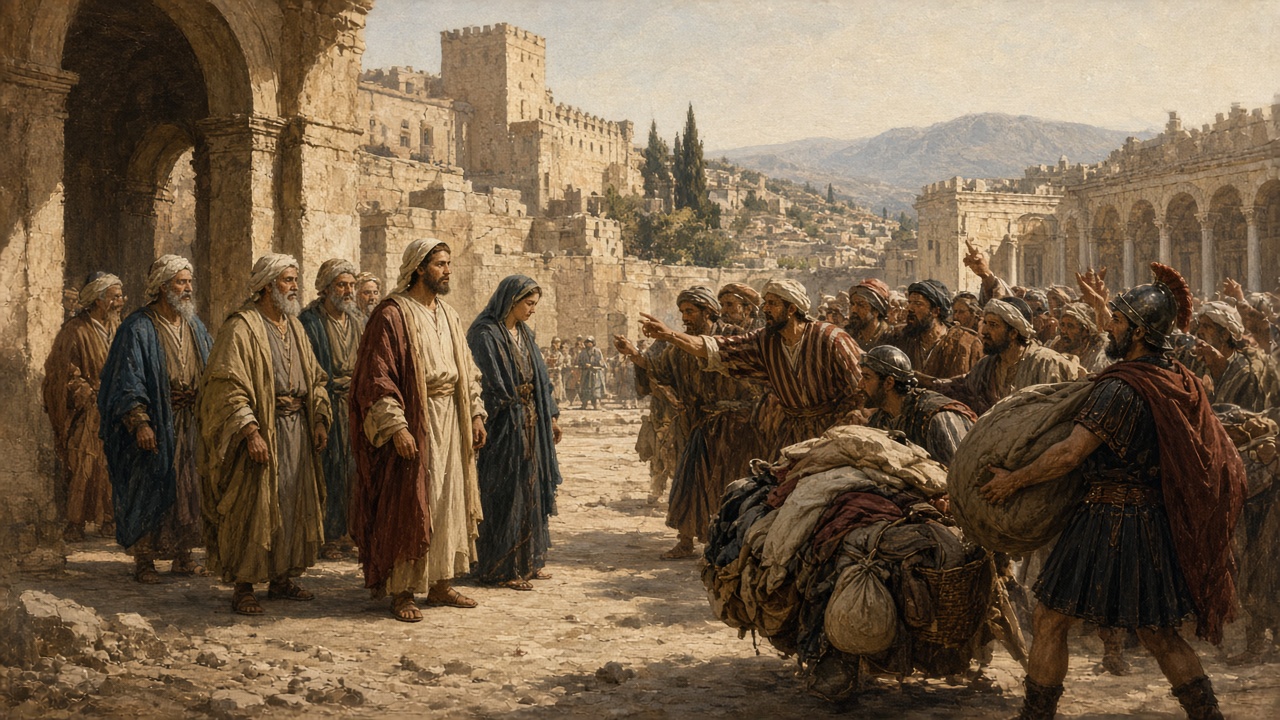
Did you know?
A Sacrifice Offered Once for All
- The law is called only a shadow of the good things to come. Sacrifices repeated year after year, and the blood of bulls and goats, are said to remind worshipers of sins rather than take those sins away; by contrast, the sacrifice of the body of Jesus Christ is presented as sanctifying people once for all.Sources: the Bible text itself
- Every priest is pictured standing day after day to offer the same sacrifices, which can never take away sins. After one sacrifice for sins, this Priest is said to have sat down at the right hand of God, and the chapter speaks of a new and living way into the Most Holy Place through the curtain of his body.Sources: the Bible text itself
- Rejecting the law of Moses, the chapter says, brought death without mercy on the testimony of two or three witnesses. It then recalls an earlier time when the readers endured public ridicule and persecution, stood with those so treated, sympathized with people in prison, and joyfully accepted the confiscation of their property.Sources: the Bible text itself
Notes written with AI assistance from open sources (Theographic Bible Metadata, CC BY-SA 4.0; Easton’s Bible Dictionary, public domain) and reviewed before publishing.
Places in this chapter
Only places identified with high confidence are shown (90% or more according to the scholarly sources compiled by OpenBible). Period map: DARE (Digital Atlas of the Roman Empire), CC BY 4.0; modern map: © OpenStreetMap contributors; places: OpenBible.info (CC BY 4.0).
Credits and license for this translation
Godɨndɨ Hoafɨ
The New Testament in the Angor language of Papua New Guinea
Nupela Testamen long tokples Angor long Niugini
Copyright © 2001 The Bible Society of Papua New Guinea
Language: Angor
Contributor: Wycliffe Bible Translators
This translation is made available to you under the terms of the
Creative Commons Attribution-Noncommercial-No Derivatives license 4.0.
You may share and redistribute this Bible translation or extracts from it in any format, provided that:
You include the above copyright and source information.
You do not sell this work for a profit.
You do not change any of the words or punctuation of the Scriptures.
Pictures included with Scriptures and other documents on this site are licensed just for use with those Scriptures and documents.
For other uses, please contact the respective copyright owners.
2013-01-07
Source: http://png.bible/agg/ · eBible.org