Colossians 3
Godɨndɨ Hoafɨ · Tap a verse to see its cross-references.
God ai Krais-babɨdɨ botɨmareamunɨ
1God ai Krais-babɨdɨ sɨhefɨmbo botɨreamunɨmboani. Ranɨmbo-hündambo-anɨmbo asu nɨnɨ-moatükunɨ hohoanɨmo nɨmoamo sünambe eŋgoro ranahambo yaŋgɨrɨ hohoanɨmondei. Nɨmoamo ranɨhü ana Krais ai muŋguambo moatükunɨ ranahambo bogorɨmbofi Godɨndɨ warɨ hondünɨ nɨmarümboani. 2Muŋguambo si aho ra se sünambeahɨndɨ moatükunɨmbo yaŋgɨr-anɨmbo hohoanɨmo pandɨhindɨ, ŋga hɨfɨnɨndɨ moatükunɨ ranɨyopoanɨ. 3Seana Krais-babɨdɨ yɨfɨmayei, ranɨmbo-wambo asu sɨhei koadürü yaŋgɨrɨ nɨŋgombo hohoanɨmo ranai-ana dɨbo mbeŋgorɨ Krais-dɨbo Godɨndɨ fikɨmɨ, ŋga awi moai weindahɨ yaŋgoro. 4Krais-ana sɨhei yaŋgɨrɨ nɨŋgombo hohoanɨmo ranahambo nɨmɨndɨhani. Süŋgunambo ai weindahɨ tüküfiyu-ambe-anɨmbo asu se ai-babɨdɨ Godɨndɨ ŋgɨnɨndɨ hɨmboamupuimbo-randeimbɨ eŋgoro ra ndahümündi hehimbo ranɨhü weindahɨ tükündahimboyei.
Se sɨmborɨ hohoanɨmo sahümündi-mboanei
5Ranɨmboane se sɨhei hohoanɨmoambe hɨfɨ ndanɨhündambo hohoanɨmo amarondürɨ ra raguanambo-ndɨhindɨ. Ro hoafehandürɨ moaruwai hohoanɨmo nda ndahurai-ane: Nɨmorehɨ sɨsɨhɨmo hohoanɨmo, nindowenihɨ bɨrabɨrɨ hohoanɨmo, ŋgusüfo botɨreandeimbɨ moaruwai hohoanɨmo asu nindou ŋgoründɨ napo hohoaŋɨfe hohoanɨmo. Hohoaŋɨfe hohoanɨmo ranana tɨkai godɨmbo süŋgufe hohoanɨmoane. 6Nindou düdi ai Godɨndɨ hoafɨ hɨmborɨkoate ranɨ-moatükunɨ hohoanɨmo süŋguareandɨ ana, asu God ai nindou ranahambo ŋgɨnɨndɨndürühɨ moaruwaimbo-ndirümbui. 7Horombo se-amboanɨ nindou ranɨ-babɨdɨ nɨmboeimbo muŋguambo moaruwai hohoanɨmo ra süŋgumarɨhünd-ane. 8Ŋga haponda se hohoanɨmo nda muŋguambo hɨnɨŋgɨndɨhindɨ: Ŋgɨnɨndɨ hohoanɨmo, watɨkoafɨ hohoanɨmo, nindou ŋgorümbo moaruwaimbofe hohoanɨmo, amoŋgonɨ hoafɨ, muŋguambo moaruwai hoafɨ ranana se muŋgu hɨnɨŋgɨndɨhindɨ. 9Se mamamɨ sɨmborɨ tɨkai hoafürɨ-ndeimboyei sapo ndeara yaboateihündɨ moaruwai hohoanɨmo ra sɨhei ŋgusüfoambe-ahɨndɨ hɨnɨŋgɨ-rɨhimboanei. 10Ŋga asu hapondan-ana se sɨmborɨ nindou tüküyahimboanei. God aiyu ahandɨhoarɨ nindou sɨmborɨ ra nafɨmarandɨ. Ranɨyu asu ai sɨheimbo hohoanɨmo sɨmborɨ sɨmborɨreandürɨ hɨnɨŋgɨreandürɨ arandɨ se God muŋguambo moatükunɨ nafɨra-randeimbɨ ranahambo dɨboadofe fɨfɨrɨfimbohünda. 11Ranɨmboane asu Godɨndɨ sɨmborɨ hohoanɨmo süŋgu sɨhɨrɨ ahandɨ hɨmboahü mam-anefɨ. Suda asu Suda-yafe ndɨfo ranɨ-poanɨmboyopoanɨ, nindou fi-hoearɨ kefe tɨrɨhefeimbɨ asu nindou fi-hoearɨ kefe tɨrɨhefe-koateimbɨ ranɨ-poanɨmboyopoanɨ. Ndɨfo asu nɨmambeahɨndɨ burɨyeimbɨ nindou, kakɨ semɨndɨkoate ratüpurɨyomo-rundeimbɨ nindou asu nindou moanɨ aboedɨ nɨŋgomondeimbɨ ra ranɨ-poanɨmboyopoanɨ. Ŋga Krais ai yaŋgɨrɨ adükarɨ moatükun-ani asu muŋguambo sɨhefɨ fiambe amarumunɨ.
12God ai sɨheimbo wand-anei yahu hɨnɨŋgɨma-reandür-amboani, asu se ahandɨ nindoumboyahi manɨmboei-amboanei asu ai sɨheimbo muŋguambo si ŋgusüfo pareandürɨ arandɨ. Ranɨmboane asu se hohoanɨmo ndahurai ndahümündi: Hɨpoambofe hohoanɨmo, nindou dɨdɨboadɨfe hohoanɨmo, afurɨfe hohoanɨmo, warɨ hoafeandühɨfe hohoanɨmo, sɨmborɨ hoafɨkoate hohoanɨmo. Ranɨ-hohoanɨmo ra se süŋgundɨhi ndühündɨ. 13Nindou ŋgorü ai sɨheimbo moaruwaimbo-areandürɨ ana, asu se amboawi mbɨsei. Nindou ŋgorü ai ŋgorümbo moaruwaimboarirɨ ana, nindou ranai ŋgɨrɨ ahambo sɨmborɨ hoafɨndu. Sisas Krais ai sɨhei hohoanɨmo moaruwai ranahambo amboawi mehu nahurai-anɨmbo asu se-amboanɨ ranɨ-süŋgumbo nindou ranaheimbo amboawi mbɨsei. 14Amurɨ hohoanɨmo muŋgu ra ranahambo kapeihɨ ŋgusüfo pefirɨndei. Ranane ŋgusüfo pefe hohoanɨmo ra muŋguambo mamambere hɨnɨŋgɨreanda ŋgɨnɨndɨ anɨŋgo.
15Sisas Kraisɨndɨ-mayo ŋgusüfoambe afurɨfimbɨ hohoanɨmo masemunɨ ranai sɨhei ŋgusüfo ranahambo ndore hɨfandɨmbɨrandür-amboane. Se fi mamɨ nahurai-anei asu God ai sɨheimbo afurɨfe küfimbɨ hohoanɨmondei yahuhaya mborai mehundürɨ. Asu se Godɨmbo hɨhɨfɨndɨhorɨ ndühündɨ. 16Kraisɨndɨ hoafɨ ra sɨhei hohoanɨmoambe ŋgɨnɨndɨ mbɨmarɨndür-amboane. Se sɨheihoarɨ ndondɨhi fɨfɨrɨndɨhindühɨ sɨmborɨ yamundɨfirɨndei. Se Herü Bukambeahɨndɨ herü, Sisasɨmbo kakɨsaombo herü asu Yifiafɨ Aboedɨndɨ-mayo herü ra heründeihɨ sɨhei hohoanɨmoambe Godɨmbo hɨhɨfɨndɨhorɨ. 17Rananɨmbo asu se muŋgu moatükunɨ hoafɨ hoafayei-ane asu nɨne ratüpurɨ ratüpurayei-ane ra Sisas Adükarɨ yifirayu süŋgu ratüpurɨndei. Krais ai sɨheimbo mafarɨhendürɨ ranɨmbo-hündambo se Ape Godɨmbo hɨhɨfɨndɨhorɨ.
Nɨmorehɨ nindowenihɨ asu ahei nɨmorɨ ranaheimbo hoafɨ
18Nɨmorehɨ se, sɨhei nindowenihɨ ranahamundɨ hoarehɨ nɨmboei. Ranɨ hohoanɨmo ranane Godɨndɨ hɨmboahü aboedɨ hamɨndayo. 19Nindowenihɨ se-amboanɨ, nɨmorehɨ sɨhamundɨ ranaheimbo ŋgusüfo pandundürühɨ sɨsɨ-koate ndowandümondürɨ nɨŋgomo. 20Nɨmorɨ se-amboanɨ muŋgua moatükunɨ sɨhei boagɨrɨ ai hoafayei ahei hoarehɨ nɨboadei. God ai ranɨ hohoanɨmo ranahamboani hɨhɨfɨ-hɨhɨfayu. 21Asu afɨndɨ se-amboanɨ sɨhamundɨ nɨmorɨ ranaheimbo randüwuranɨ asu ai ŋgɨnɨndɨ-ŋgɨnɨndɨndeihɨ dɨgorɨ-dɨgorɨndahimboyei.
Ratüpurɨyei-rɨhündeimbɨ asu hɨfandu-rundeimbɨ-yafe hoafɨ
22Ratüpurɨyei-rɨhündeimbɨ se sɨhei hɨfandündürɨ-rundeimbɨ ahamundɨ hoafɨ ranɨ-yaŋgɨrɨ süŋgundɨhindɨ. Se ahamundɨ hɨmboahü yaŋgɨrɨ ai hoeirundühɨ aboed-anei mbɨsɨmonda mbɨsei hehi ratüpurɨ aboedɨ ratüpurɨ-ndeimboyei. Ŋga se Adükarɨmbo yɨhɨmbondeih-anɨmbo asu sɨhei hohoanɨmo ra ratüpurɨ aboedɨ ranahambo yaŋgɨrɨ hohoanɨmo pandɨhindɨ. 23Se nɨne ratüpurɨ ratupurayei ra ndondɨhi ratüpurɨndei. Sapo se muŋgu ratüpurɨ ratüpurayei ra Adükarɨmbohünda ratüpurayei, ŋga nindou-yeiyopoanɨ. 24Se fɨfɨrɨhimboanei, süŋgunambo ana Adükarɨ ai sɨheimbo takɨnɨ dagadürɨmbui. Ai nɨnɨ-moatükunɨyo sɨheimbo segudürɨmboayu ra napɨre sɨhaiamboani. Se Kraisɨndɨ ratüpurɨyo-rambohünda nɨmboei. Aiana sɨhei Adükar-ani. 25Nindou ai moaruwai hohoanɨmoayei ana, asu God ai aheimbo sɨmborɨ moaruwaimbo-ndearümbui. Ŋga God ai nɨmorehɨ nindowenihɨ-yafe hohoanɨmo ra mamɨ sɨmogodühɨ yɨbobore randühani.
Did you know?
New life in one body and at home
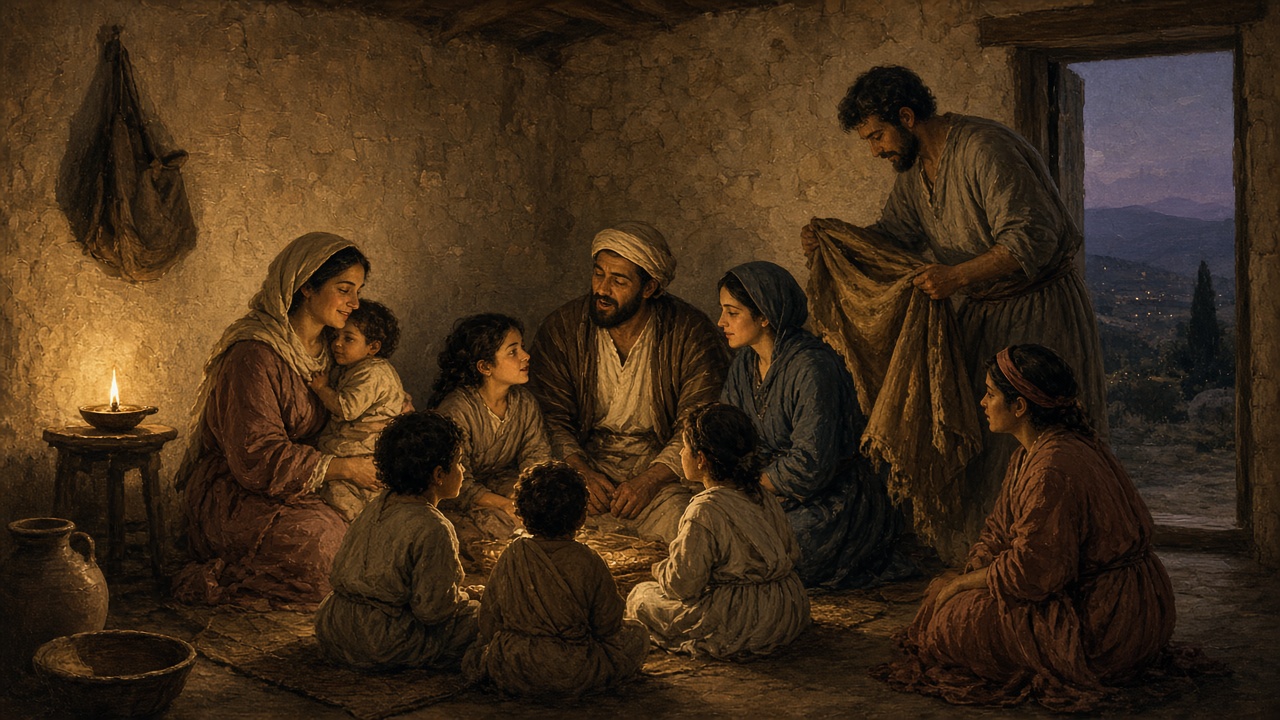
- This chapter pictures a changed life as a change of clothing. Readers are said to have taken off the old self with its practices and put on the new self, which is being renewed in knowledge in the image of its Creator. They are then told to clothe themselves with hearts of compassion, kindness, humility, gentleness, and patience, and to put on love over all these virtues as the bond of perfect unity.Sources: the Bible text itself
- The chapter lists Greek and Jew, circumcised and uncircumcised, barbarian, Scythian, slave and free, and declares that here none of these distinctions remains, because Christ is all and is in all.Sources: the Bible text itself
- The chapter then gives instructions for household relationships: wives and husbands, children and parents, and slaves and their earthly masters. Fathers are warned not to provoke their children, so that the children will not become discouraged. Slaves are told to obey with sincerity of heart, not only while they are being watched, and to work with their whole being for the Lord rather than for men, with the promise of an inheritance from the Lord as a reward; whoever does wrong will be repaid, and there is no favoritism.Sources: the Bible text itself
Notes written with AI assistance from open sources (Theographic Bible Metadata, CC BY-SA 4.0; Easton’s Bible Dictionary, public domain) and reviewed before publishing.
Credits and license for this translation
Godɨndɨ Hoafɨ
The New Testament in the Angor language of Papua New Guinea
Nupela Testamen long tokples Angor long Niugini
Copyright © 2001 The Bible Society of Papua New Guinea
Language: Angor
Contributor: Wycliffe Bible Translators
This translation is made available to you under the terms of the
Creative Commons Attribution-Noncommercial-No Derivatives license 4.0.
You may share and redistribute this Bible translation or extracts from it in any format, provided that:
You include the above copyright and source information.
You do not sell this work for a profit.
You do not change any of the words or punctuation of the Scriptures.
Pictures included with Scriptures and other documents on this site are licensed just for use with those Scriptures and documents.
For other uses, please contact the respective copyright owners.
2013-01-07
Source: http://png.bible/agg/ · eBible.org