Acts 24
Godɨndɨ Hoafɨ · Tap a verse to see its cross-references.
Suda ai Porɨmbo papɨ-hoafɨmarürɨ
1Hondahüfeimbɨ si muŋgumayowa asu Godɨmbo sɨhai-randeimbɨ bogorɨ adükarɨ ahandɨ ndürɨ Ananaias ai nindou bogorɨmbo yafundeimbɨ-yomo asu Terturus Romɨ-yafe ahɨnümbɨ hohoanɨmo fɨfɨreandeimbɨ nindou ra-babɨdɨ Sisaria ŋgoafɨna mahanɨmo. Ranɨyomo asu ai tüküyafu gafman bogorɨ hondü Feriks ahandɨ hɨmboahü Porɨmbo papɨ-hoafɨmarurɨ. 2Ranɨyo Porɨmbo mborai yahundowanɨ süfu tükümefɨyuwa asu Terturus ai ahambo papɨ-hoafɨrürühɨ yahuya, “Feriks nindou adükarɨ, se hɨfandamunambe ana, ro moai yifiarɨ-yifiarɨyefɨ rɨhundɨ, ŋga aboedɨ hamɨndɨ manɨmboefɨ. Ranɨyo asu sɨhafɨ-mayo hohoanɨmo aboedɨ ranambo ndanɨ hɨfɨhü ro sɨmborɨ hohoanɨmo süŋgurɨhu marɨhundɨ. 3Ranɨmbo-hündamboane muŋguambo ŋgoafɨ muŋguambo si yɨhoefɨ ŋgusüfoambe aboedɨ fufurɨfoare-amunühɨ asu sɨhambo hɨhɨfarɨhunɨnɨ.
4Awi ro sɨhambo gedühɨ kɨkɨhemɨndɨmbo moeisahɨ, ŋga yɨhoefɨmbo hɨpoambo-ndowamunühɨ yɨhoefɨ hoafɨ akɨdou nda hɨmborɨndafɨ sefomboanefɨ. 5Ro hoeirɨhuranɨ nindou ndanana afɨndɨmbo moaruwai hohoanɨmoyu randeimb-ani asu muŋguambo hɨfɨ Suda-yomondɨ mbusümo ai harɨ hoafɨ botɨre-arandɨ. Por ai nindou bɨdɨfɨrɨ aipoanɨmbo hohoanɨmoyei rɨhündeimbɨ Sisas Nasaretɨhündɨ süŋgurɨhurɨ-rɨhundeimb-anefɨ sei arɨhündɨ ahei bogorɨyu. 6Ranɨyu asu Godɨndɨ worɨ ranamboanɨ moaruwaimbo-ndɨheya yahuhaya hohoanɨmo-mayuwa asu ro ahambo kɨkɨhɨmarɨ-hurɨmɨndefɨ. Ro ahambo yɨhoefɨ ahɨnümbɨ hohoanɨmo ranambo yɨbobofembo masefɨ, ŋga ami bogorɨ hondü Risias ai kusü ahandɨ ŋgɨnɨndɨ-nambo yɨhoefɨ warambeahɨndɨ hümarümündu. 8Ranɨyu Risias ai hoafɨyuhü yahuya, ‘Ahambo papɨ-hoafɨmbo nindou ranai sɨhafɨ hɨmboahü tükümbɨyafu-ndamboane,’ mehu. Asu nindou ranahambo düduarɨworɨ ana, se sɨhafɨhoarɨ muŋgu-moatükunɨ ro ahambo papɨ-hoafɨ-marɨhurɨ ra anɨhondümbo fɨfɨrɨndowamboyafɨ,” mehu. 9Muŋguambo Suda ai Terturus-babɨdɨ Porɨmbo papɨ-hoafɨrurühɨ yahomoya, “Ranɨ-moatükunɨ ra e, anɨhond-ane,” mehomo.
Por ai Feriksɨndɨ hɨmboahü hoafɨmayu
10Ranɨyu asu Feriks ai Porɨmbo hoafɨyafɨ yahumbo warɨnambo yaŋgɨrɨ koamarɨherü. Ranɨyu asu Por ai hoafɨyuhü yahuya, “Se afɨndɨ hɨmbanɨ ndanɨ hɨfɨhü yɨboboro-randeimbɨ manɨmbafɨ ra ro fɨfɨrɨhe-amboanahɨ. Ranɨmboanahɨ ro ahamumbo sɨmborɨ hoafombohünda moai yɨhɨmboyahɨ. 11Se düdu-düduayafɨ ana, fɨfɨrɨndowamboyafɨ, ŋga 12 si maho ra ro Godɨmbo hohoanɨmombohünda Serusaremɨnambo hahühane. 12Ro-ana moai nindou ŋgorü-dɨbo Godɨndɨ worambe sɨmborɨ hoafɨyahɨ. Asu ro moai Suda-yafe rotu worambe adükarɨ ŋgoafɨhü amboanɨ harɨ hohoanɨmo botɨrɨheandɨ. Ro raweheanda asu Suda ai moai hoeirundɨrɨ, ŋga wanɨ. 13Haponda ai wambo papɨ-hoafaründɨrɨ ra ŋgɨrɨ aboedɨ hoafɨndomondanɨ fɨfɨrɨndowandühɨ anɨhond-ane mbɨsafɨ.
14Ŋga ro nda anɨhond-ane asahɨ. Ro yɨhoefɨ amoao-yafe Godɨmbo hohoanɨmoyahando arɨhandɨ nafɨ ra Suda ai ŋgorüpoanɨmboane asei. Asu muŋguambo hoafɨ ahɨnümbɨ hohoanɨmoambe eŋgoro ranane asu Godɨndɨ hoafɨ hoafɨyomo-rundeimbɨ sürü papɨmaründɨ anɨhondümbo-arɨheandɨ. 15Rananahɨ asu ro anɨhondümbo-rɨheandühɨ God ai moaruwai asu aboedɨ hohoanɨmoyeimbɨ yɨfɨmayei muŋguambo botɨfendü-rɨmboayu ranɨ si ranahambo hɨfandarɨhandɨ nindou ranai hɨfandarundɨ nou. 16Ranɨmboanahɨ asu ro muŋguambo si wandɨ ŋgusüfoambe aboedɨ hohoanɨmo God asu nindou-yafe hɨmboahü aboedɨ mbɨmarowa sahehea tɨŋɨrɨfoayahɨ.
17Ro afɨndɨ hɨmbanɨ maho ra habodɨmboyahɨ asu süŋgunambo wandɨ sɨrambeahɨndɨ Suda aheimbo saiwanɨ Godɨmbo saimbohündambo Serusaremɨna mahahühɨ. 18Ro rarɨhe hehea wandɨ fi aboedɨ tükümefeyowa Godɨndɨ worambe Godɨmbo sɨheheandane, Suda ai wambo hoeimarundɨrɨ. Ŋga asu ranɨ-sɨmboanɨ ranɨhü nindou afɨndɨ moai ro-dɨbo nɨŋgombo hoafɨ gobadɨrundɨ, ŋga wanɨ. 19Ŋga asu Esia hɨfɨhündɨ Suda bɨdɨfɨrɨ ai manɨŋgomo. Ai-boatei wambo papɨ-hoafɨmarundɨrɨ. Ŋga nindou ranai ahamumbo sowahɨ wandɨ hoafɨ eŋgoro-ana, ai sɨhambo sowahɨ ndühɨ sɨfomo wambo papɨ-hoafɨ-mbɨründɨramboane. 20Ai refekoate-ayomo ana, asu nindou ndanai ro Suda-yomondɨ kansɨr ahamundɨ hɨmboahü nɨmboambo nɨne moaruwai ramarɨheandɨ ra hoeiarundɨrɨ ana, asu ai ndühɨ tükündafu sɨhafɨ hɨmboahü hoafɨndɨ-nɨnɨmboemosɨ. 21Mamɨ hoafɨ yaŋgɨrɨ mbeŋgorɨmbai? Horombo ro kansɨr ahamundɨ mbusümo nɨmboambo rarɨhe puküna hoafɨyahühɨ sahɨya, ‘Yɨfɨyeimbɨ aiana botɨndahimboyei sa anɨhondümbo-arɨheandɨ masahɨ ranɨmboanemo ai sɨhafɨ hɨmboahü hoafemo ranana?’ masahɨ,” mehu.
22Feriks ai Adükarɨmbo anɨhondümbo-rɨhoreimbɨ-yafe hohoanɨmo ra aboedɨ fɨfɨreandɨ, ŋga ranɨmboyu asu Sudambo awi hɨbadu nɨŋgomo mehupurɨ. Asu ai Suda ahamumbo hoafɨyupurühɨ yahuya, “Awi ami bogorɨ hondü Risias ai kudüwanɨ anɨmbo asu ro sɨhamundɨ hoafɨ ra dɨdɨboado-ndɨheamboyahɨ,” mehupurɨ. 23Ranɨyu asu ami bogorɨmbo hoafɨyundühɨ yahuya, “Se ahambo hɨbadɨrɨhü awi hɨnɨŋgɨrou-hɨnɨŋgɨroundɨrɨ. Asu Porɨndɨ ŋgunindɨ ai ahambo nɨne akɨdou moatükunɨ farɨhefimbo ra se yowanɨ mbɨsamboyafɨ,” mehu.
Feriks ai Porɨmbo yimbu hɨmbanɨ karabusɨ-fimbohünda hüputüpo-marɨherü
24Yahunümbɨ nɨmbɨyo hayamboyowane, Feriks ai ahandɨ nɨmorehɨ Drusira-dɨbo makosafe. Ahandɨ nɨmorehɨ ranai ana Suda sɨrambeahɨndɨyo. Ranɨyu asu Feriks ai Porɨmbo mborai yahundo hürüherü haya Porɨndɨ Sisas Kraisɨmbo anɨhondümbofe hoafɨ hɨmborɨ-mayundo. 25Ranɨyu Por ai mbumundɨ hohoanɨmo, nindou ai ahandɨ hohoanɨmo ra ndonde hɨbadandɨ hoafɨ, asu God ai süŋgunambo sɨhefɨmbo yɨbobonde-amunümbui hoafɨ ra hoafɨmayuwa asu Feriks ai hoafɨ ranahambo yɨhɨmbomayu. Ranɨyu asu Feriks ai hoafɨyundühɨ yahuya, “Andai ŋgafɨ, ŋga awi süŋgunambo ranɨpoanɨmbo ambe-yaŋgɨrühɨ sɨhambo mborai mbɨsahanɨmboyahɨ,” mehundo. 26Ŋga asu Feriks ai mamɨ moatükunɨmbo kameihɨyu hɨmboyu marandɨ. Ai ndanananɨya Por ai kakɨ ndembui yahuhayamboyu asu afɨndɨmbo ahambo mborai yahundo haya wataporɨmborürɨ marandɨ. 27Süŋgunambo yimbu hɨmbanɨ ranai howane, asu nindou mamɨ ahandɨ ndürɨ Posius Festus ai Feriksɨndɨ fondɨ masemündu. Ranɨyu asu Feriks ai Sudambo hoafɨ nafɨreapurühɨ Por karabusambe hɨnɨŋgɨmarirɨ.
Did you know?
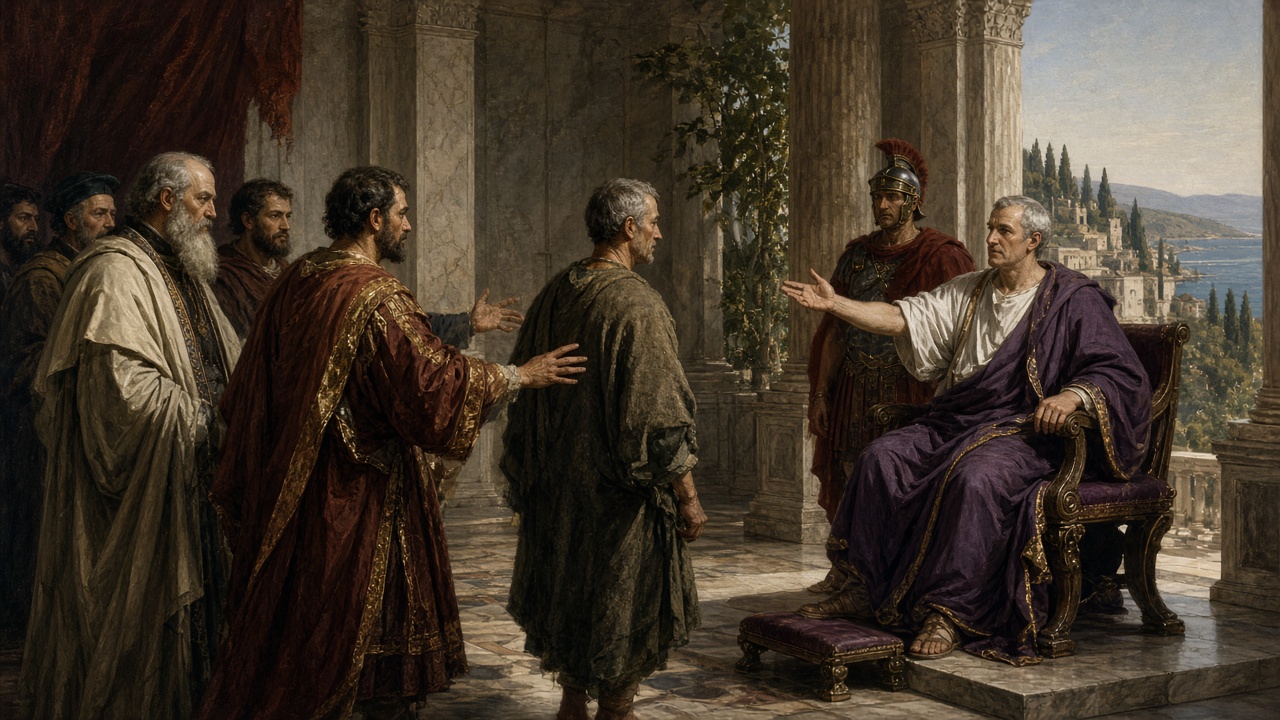
Paul before Felix
- The high priest Ananias came down with some elders and a lawyer named Tertullus, whom Easton's Bible Dictionary describes as a Roman advocate employed by the Jews to state their case against Paul before Felix. Tertullus praised the governor and then called Paul a pestilence who stirred up dissension among the Jews all over the world, a ringleader of the sect of the Nazarenes, and a man who had tried to desecrate the temple. The dictionary links that opening praise with Felix's clearing the country of bandits and impostors.Sources: the Bible text itself · Tertullus · Felix
- Felix, who was well informed about the Way, adjourned the hearing and kept Paul under guard, while allowing him some freedom and letting friends meet his needs. The account says he hoped Paul would offer a bribe and so sent for him often; Easton's Bible Dictionary likewise says he appears to have expected a bribe and therefore held several interviews with him. After two years Porcius Festus succeeded him—Easton's Bible Dictionary (1897) dates that appointment to A.D. 60—and, wishing to do the Jews a favor, Felix left Paul in prison.Sources: the Bible text itself · Felix · Portius Festus
- Several days later Felix returned with his wife Drusilla, who was Jewish, and listened as Paul spoke about faith in Christ Jesus and about righteousness, self-control, and the coming judgment; Felix became frightened and sent him away. Easton's Bible Dictionary (1897) identifies Drusilla as the third and youngest daughter of Herod Agrippa I and says Felix induced her to leave her husband, Azizus, king of Emesa. The same entry says that she and her son perished in the eruption of Mount Vesuvius in A.D. 79.Sources: the Bible text itself · Drusilla
Notes written with AI assistance from open sources (Theographic Bible Metadata, CC BY-SA 4.0; Easton’s Bible Dictionary, public domain) and reviewed before publishing.
Places in this chapter
- Caesarea · Today: Caesarea Maritima · 32.500, 34.892 · verse 1
- Jerusalem · 31.777, 35.234 · verses 11, 17
- Asia · 38.400, 28.300 · verse 18
Only places identified with high confidence are shown (90% or more according to the scholarly sources compiled by OpenBible). Period map: DARE (Digital Atlas of the Roman Empire), CC BY 4.0; modern map: © OpenStreetMap contributors; places: OpenBible.info (CC BY 4.0).
Credits and license for this translation
Godɨndɨ Hoafɨ
The New Testament in the Angor language of Papua New Guinea
Nupela Testamen long tokples Angor long Niugini
Copyright © 2001 The Bible Society of Papua New Guinea
Language: Angor
Contributor: Wycliffe Bible Translators
This translation is made available to you under the terms of the
Creative Commons Attribution-Noncommercial-No Derivatives license 4.0.
You may share and redistribute this Bible translation or extracts from it in any format, provided that:
You include the above copyright and source information.
You do not sell this work for a profit.
You do not change any of the words or punctuation of the Scriptures.
Pictures included with Scriptures and other documents on this site are licensed just for use with those Scriptures and documents.
For other uses, please contact the respective copyright owners.
2013-01-07
Source: http://png.bible/agg/ · eBible.org