Acts 19
Godɨndɨ Hoafɨ · Tap a verse to see its cross-references.
Por ai Efesus ŋgoafɨhü ratüpurɨmayu
1Aporos ai Korin ŋgoafɨhü nüŋguambe Por ai hɨfɨ wafuambe ŋgoafɨ adaburo ra hoahoaŋgu hu Efesus ŋgoafɨhü tüküfi Sonɨmbo süŋgururü-rundeimbɨ hoeimareapurɨ. 2Asu ai ahamumbo dudufipurühɨ yahuya, “Se Godɨmbo anɨhondümbo-rɨwuranɨ ahandɨ Yifiafɨ Aboedɨ sɨhamundɨ wamɨ kosowai wanɨyo?” mehuamboemo. Asu ai sɨmborɨ ahambo hoafɨyomondowohü yahomoya, “Yifiafɨ Aboedɨ ra ro moai hɨmborɨyefɨ,” mehomondoamboyu. 3Ai yahuya, “Nɨnɨ süŋgure hayamboyu sɨhamumbo hundürü-marapura?” mehuamboemo. Asu ai ahambo hoafɨyomondowohü yahomoya, “Sonɨndɨ süŋguyo hundürü-maramunɨ,” mehomondamboyu.
4Por ai hoafɨyuhü yahuya, “Sonɨndɨ hundürü ranana nindou ai moaruwai hohoanɨmo daboadanambofe hefembo aboedɨ hohoanɨmo süŋgufembo-hündamboane. Ranɨyu asu ai nindou Israerɨhündɨ ranaheimbo hoafɨyundürühɨ yahuya, ‘Se nindou wandɨ süŋgu tükefiyu ranahambo anɨhondümbo-ndɨhorɨ. Nindou ranana Sisas-ani,’ mehu. 5Sonɨmbo süŋgururü-rundeimbɨ ai hoafɨ ra hɨmborɨyomo houmbo Adükarɨ Sisasɨndɨ ndürɨnambo hundürü-memo. 6Ranɨyu Por ai ahamundɨwamɨ warɨ manande-apuramboemo Yifiafɨ Aboedɨ ranai ahamundɨ wamɨ kosɨwohü ranɨpoanɨmbo hoafɨnambo wataporɨ-yomondühɨ Godɨndɨ hoafɨ hoafɨyomo-rundeimbɨ nahurai hoafɨmemo. 7Ramefundɨ ranana 12 nindou-yomo. 8Ŋgɨmɨ amoamo Por ai Suda-yafe rotu worɨ ranambe kefuai hüfu nüŋgumbo yɨhɨmbokoate hoafɨyu marandɨ. Ai aheimboya, God ŋgɨnɨndɨ hɨfandarandɨ ranahambo anɨhondümbo-mbɨrɨhinda yahuhayamboyu wataporɨmborarü marandɨ. 9Ŋga nindou bɨdɨfɨrɨ ai ahei hohoanɨmo tapɨhamɨ-randürühɨ anɨhondümbofe-koateyeihɨ Sisasɨndɨ nafɨ ranahambo nindou hɨmboahü moaruwai hoafɨmayei. Ranɨyu asu Por ai aheimbo ranɨhü hɨnɨŋgɨrearü haya, Sisasɨmbo süŋgururü-rundeimbɨmbo sepurümündɨ haya hu Tiranusɨndɨ yamundɨfe worambe muŋguambo si wataporɨmbora marandɨ. 10Ranɨ-moatükunɨ ra yimbu hɨmbanɨ yare marandamboyei Sudahündɨ asu Grikɨhündɨ muŋguambo Esia hɨfɨhü amarei, ai Adükarɨndɨ hoafɨ ra hɨmborɨmayei.
Skefandɨ nindouwenihɨ nɨmorɨ
11God ai ranɨpoanɨmbo hepünɨfeimbɨ moatükunɨ Porɨndɨ warɨsüŋgu yare marandɨ. 12Ranɨyo nindou bɨdɨfɨrɨ ai yikunɨmɨ gedühefe hoearɨ asu güdɨfe hoearɨ ra Porɨndɨ fi sündiandeimbɨ sahümündi hei nindou aŋgünümboyeimbɨ aheiwamɨ manandɨhinda ahei aŋgünü ranai muŋguyowohü moaruwai nendɨ ranai hɨnɨŋgɨ-rɨhindürɨ hehi mahei.
13Ŋga Sudahündɨ bɨdɨfɨrɨ ai hoahoaŋgomo wakɨrundühɨ moaruwai nendɨ nindou fiambeahɨndɨ ranɨpoanɨmbo ŋgɨnɨndɨna raguanamboru marundɨ. Ai moaruwai nendɨ hefoefembohünda Sisasɨndɨ ndürɨna yaru hoeimarundɨ. Ai yaru hoafɨyomondühɨ yahomoya, “Por Sisasɨndɨ hoafɨ hoafɨyu marandɨ ranahandɨ ndürɨ ranɨnambo ro sɨheimbo anɨhondümboanefɨ hoafayefɨ, ŋga se nindou ranaheimbo hɨnɨŋgɨrɨhindürɨ,” mehomo. 14Nindou mamɨ Sudahündɨ Godɨmbo sesɨ sɨhai-randeimbɨ bogorɨ ahandɨ ndürɨ Skefa. Ahandɨ nɨmorɨ 7-yomo ai ranɨ-moatükunɨ ra ratüpurɨyomo marundɨ. 15Ŋga asu mamɨ sihɨ moaruwai nendɨ ranai hoafɨyopurühɨ yahoya, “Ro Sisasɨmbo fɨfɨrɨhinɨ asu Porɨmbo fɨfɨrɨhinɨ, ŋga se dɨdemoa?” mehopurɨ. 16Ranɨyu asu nindou mamɨ ahandɨ fiambe moaruwai nendɨ nɨmarümbɨ-mayu ranai ahamundɨ wamɨ horɨpɨrɨhoei piyuhü bubuhaimepura ai horɨ kapehü ahandɨ worambeahɨndɨ safɨ yaŋgɨrɨ mafefoundɨ. 17Nindou muŋgu Sudahündɨ asu Grikɨhündɨ Efesus ŋgoafɨhü mamarei ranai hoafɨ ra hɨmborɨyei hehi, yɨhɨmboyeihɨ Adükarɨ Sisasɨmbo adükar-ani masei. 18Ranɨyei asu Sisasɨmbo anɨhondümbo-rɨhoreimbɨ ai nindou hɨmboahü tüküyahi moaruwai moatükunɨ ratüpurɨyei marɨhündɨ ranahambo weindahɨ hoafɨmayei. 19Hɨmoarokoru-rundeimbɨ bɨdɨfɨrɨ ranai ahei buk ranɨpoanɨmbo hɨmoarokombo hoafɨ ranambe eŋgoro ra mamambe-mamamberühi sahümündi hei nindou-yei hɨmboahü fufusɨmarɨhindɨ. Horombo buk masahümündi kakɨ ra tapuiyei heimbo 50,000 kakɨfihɨyo masahümündi. 20Ranɨ hohoanɨmo ranɨnamboyo Adükarɨndɨ hoafɨ ranai ŋgɨnɨndɨ tüküfehü muŋguambo hɨfɨ yaŋgorɨ wakɨmareandɨ.
Efesus ai Porɨmbo hɨmbosɨ papɨmarɨhorɨ
21Ranɨ-moatükunɨ ranai ramefeyo-wamboyu Por ai hohoanɨmoyuhü yahuya, ro Masedonia asu Grik hɨfɨ, ŋgasündɨ-heapɨrɨ mbundɨha sipambe fandahe hehea Serusaremɨnambo, ŋgamboyahɨ mehu. Ai yahuya, “Ranɨ nafɨ boatei ŋga heheambo anɨmbo, asu ŋga Rom ŋgoafɨ hoeindɨhea,” mehu. 22Ranɨyu ahambo farɨhenerɨ-rɨnandeimbɨ, Timoti asu Irastusɨmbo Masedonianambo koarɨhepɨra ai-boatei mahafanda, asu ai Esia hɨfɨhü akɨdou gedühɨ safɨ manüŋgu.
23Ranɨ-sɨmboanɨ Efesus ŋgoafɨhü Sisasɨndɨ hohoanɨmo ranahambo hümbo hoafɨnambo sɨmborɨ-sɨmborɨmayei. 24Nindou mamɨ Demitrius ai sirfanambo muŋguambo sɨsamɨ nafɨra randeimb-ani. Ranɨyu ranɨ-moatükunɨ-nambo tɨkai god sɨsamɨ Atemisɨndɨ rotu worɨ nafɨramarandɨ. Asu sɨsamɨ nafɨru rundeimbɨ ai ranɨfihɨ kakɨ afɨndɨ sowandümo marundɨ. 25Ranɨyu Demitrius ai sɨsamɨ nafɨru-rundeimbɨ-yomo asu nindou amurɨ muŋgu sɨmogodɨ ratüpurɨ, ratüpurɨ-yomorundeimbɨ ahamumbo gugureapurɨ haya hoafɨyupurühɨ yahuya, “Wai, se fɨfɨrarundɨ sɨhefɨ ratüpurɨ ndanamboane kakɨ ra tükefeyo. 26Sɨhamundɨhoarɨ se hoeirundɨ asu hɨmborɨyomo nɨne-moatükunɨ Por ratüpurɨmayu ra. Ai yare hoafɨyuhü yahuya, ‘Sɨsamɨ god warɨnambo ratüpurɨyo-weimbɨhündɨ ana god hondüyopoanɨ,’ yahu arandɨ. Nindou afɨndɨ ranaheimbo gugurearü haya hohoanɨmo ŋgorü süŋguarearü marandɨ ra Efesus hɨfɨhündɨ yaŋgɨrɨ randürɨpoanɨ, ŋga bɨdɨfɨrɨ muŋgu Esia hɨfɨhündɨ kameihɨ randürɨ. 27Porɨndɨ hoafɨ ranambo ana sɨhefɨ kakɨ semɨndɨmbo ratüpurɨ ra moaruwai-ane mbɨseimboyei. Ranɨ yaŋgɨrɨyopoanɨ, ŋga sɨsamɨ god rehɨ Atemisɨndɨ worɨ ra nindou-yei hɨmboahü moaruwai hɨmbondɨmboe. Asu ahandɨ ndürɨ adükarɨ ra hɨfɨnambo-ndeamboe. Sapo nindou afɨndɨ Esia hɨfɨhü asu muŋguamho hɨfɨhü ahambo dɨdɨbafɨyahindo arɨhündɨ,” mehu.
28Ranɨ hoafɨ ra hɨmborɨyei hehi nindou ranai ŋgɨnɨndɨyeihɨ puküna seiya “Efesusɨ-yafe Atemis ana Adükar-ane!” masei. 29Ranɨyo hoafɨ ra adükarɨ ŋgoafɨ Efesusühɨ mahoamboyo nindou ranai muŋgumbo hoafɨ warapomayei. Ranɨyomo bɨdɨfɨrɨ ai Masedoniahündɨ Gaius asu Aristakusɨmbo kiafu hürɨpɨndɨmo ahei gugurɨhi nɨmarei rɨhündanambo mahomo. Nindou yimbu ra Por-babɨdɨ hahabodɨfanɨ rɨnandeimbɨyafanɨ. 30Ranɨyu Por ai nindou afɨndɨ ahei mbusümo ŋga mehuamboemo asu süŋgururü-rundeimbɨ bɨdɨfɨrɨ ai ranambe hombo yowanɨ mehomondo. 31Porɨndɨ ŋgunindɨ Esia hɨfɨhündɨ, gafman bogorɨ ai-amboanɨ hoafɨyomo koarɨhoemondühɨ yahomoya, “Ambe, se gugurɨfe wataporɨyorambo ranambe hopoanɨ,” mehomo.
32Nindou afɨndɨ ai mamɨkarɨ hohoanɨmoyeihɨ nɨnüŋgu-yefühɨyefɨ masei. Bɨdɨfɨrɨ ai ŋgorü-moatükunɨ hoafɨyeiane, asu bɨdɨfɨrɨ ai ŋgorü-moatükunɨmbo hoafɨmayei. Ŋga nindou afɨndɨ nɨmboeyei muŋgu mafandɨhindɨ ra ai moai fɨfɨrɨhindɨ. 33Ranɨyomo Sudahündɨ bɨdɨfɨrɨ ai Areksandambo ahei hɨmboahü nɨnendɨhorɨ hei hɨnɨŋgɨmarɨhora manüŋgu. Ranɨyo nindou bɨdɨfɨrɨ ai hoeirüwurü houmbo moaruwai hohoanɨmo nɨmɨndɨhümbai mehomo. Ranɨyu Sudambo fehefendürɨmbo hünda ai warɨ nɨmoamo-mareandɨ hoafɨ kɨkɨmbɨrɨhümündia yahu haya. 34Ŋga ai Sudahündɨ-mayuwa ahambo fɨfɨrɨhorɨ ranɨyei puküna yimbu awa mamɨ afɨndɨ hoafɨyeihɨ seiya, “Efesus-yafe Atemis ana adükar-ane,” masei.
35Ranɨyu asu Efesus-yafe kuskus ai ahei hoafɨ gobadɨhendürühɨ yahuya, “Efesusɨhündɨ se hɨmborɨyei. Muŋguambo ai fɨfɨrɨhindɨ nɨmoei sɨsamɨ Atemis sünambeahɨndɨ pɨyo haya makoso asu ahandɨ hoafɨyorambo worɨ Efesus ŋgoafɨ ra ai hɨfandarandɨ. 36Nindou mamɨ ai-amboanɨ ŋgɨrɨ hoafɨ ndanahambo tɨkai-ane mbüsu. Ŋga ranɨmbo-hündambo-anɨmbo se sɨhei hoafɨ ra kɨkɨndɨhümündi. Ŋga se awi ranahambo hohoanɨmokoate-yirünɨmbo randɨhimboyei. 37Asu se nindou yimbu ndanahafanɨmbo sahüpɨrɨmündi masühüsi. Ŋga asu ai moai nɨnɨ-moatükunɨ sɨsamɨ godɨndɨ worambeahɨ hümbuhünɨyafanɨ asu worɨ moaruwaimbo-rɨneandɨ. Asu moai ai nɨmorehɨ god sɨhefɨ ranahambo tɨrɨfoefe hoafɨ, hoafɨyafanɨ. 38Ŋga asu Demitrius ai ahandɨ mamɨ ratüpurɨyomo-rundeimbɨ babɨdɨmbo ahamundɨ hoafɨ eŋgoro ranana awi ŋgorü-sɨmboanɨ ranɨpoanɨmbo anɨmbo fɨfɨrɨfemboane. Asu bogorɨ gafman ai nɨmarɨmo-mboanemo, ŋga ai anɨmbo hoafɨ ranahambo fɨfɨrɨndumboemo. 39Ŋga sɨhamundɨ hoafɨ ra yagodowanɨ ana, mamɨ wataporambe anɨmbo ranahambo anɨhondü wataporɨmbo-mboane. 40Haponda sɨhɨrɨ hoafɨ afɨndɨ ndahumɨ-ndemboyefɨ, nɨmboe sɨhɨrɨ ndanɨ sihɨ sɨmborɨ hoafɨmayefɨ ranɨmbohünda. Ranahandɨ nɨmɨndɨhündɨ ana moai hoafɨ yaŋgoro, ŋga moanɨyefɨ sɨmborɨ hoafɨmayefɨ. Ŋga sɨhefɨ gugurɨfe moaruwai ranahambo düduwehimunɨ ana, asu anɨkɨrɨ sɨmborɨ hoafɨmandefɨ,” mehu. 41Ai yare hoafɨyundürɨ mburamboyu asu koamarɨheira bukürümehindɨ.
Did you know?
Paul, the Way, and Artemis in Ephesus
- Ephesus was the capital of proconsular Asia, the Roman province covering the western part of Asia Minor, and in Roman times it bore the title of the first and greatest metropolis of Asia. The city was distinguished for the temple of Artemis, whom the Romans called Diana, built outside the walls and reckoned one of the seven wonders of the ancient world. At its center stood an ancient image of the goddess, reputed to have fallen from the sky.Sources: Ephesus · Diana · Asia
- Demetrius, a silversmith at Ephesus, made silver shrines of Artemis, models of her temple or of her statue, which sold readily to visitors from all over Asia Minor. Acts says this trade was the craftsmen's source of prosperity, and that Demetrius warned them of danger to their business and to the honor of the temple of Artemis, the goddess he said was worshiped throughout the province of Asia and the whole world.Sources: Demetrius · the Bible text itself
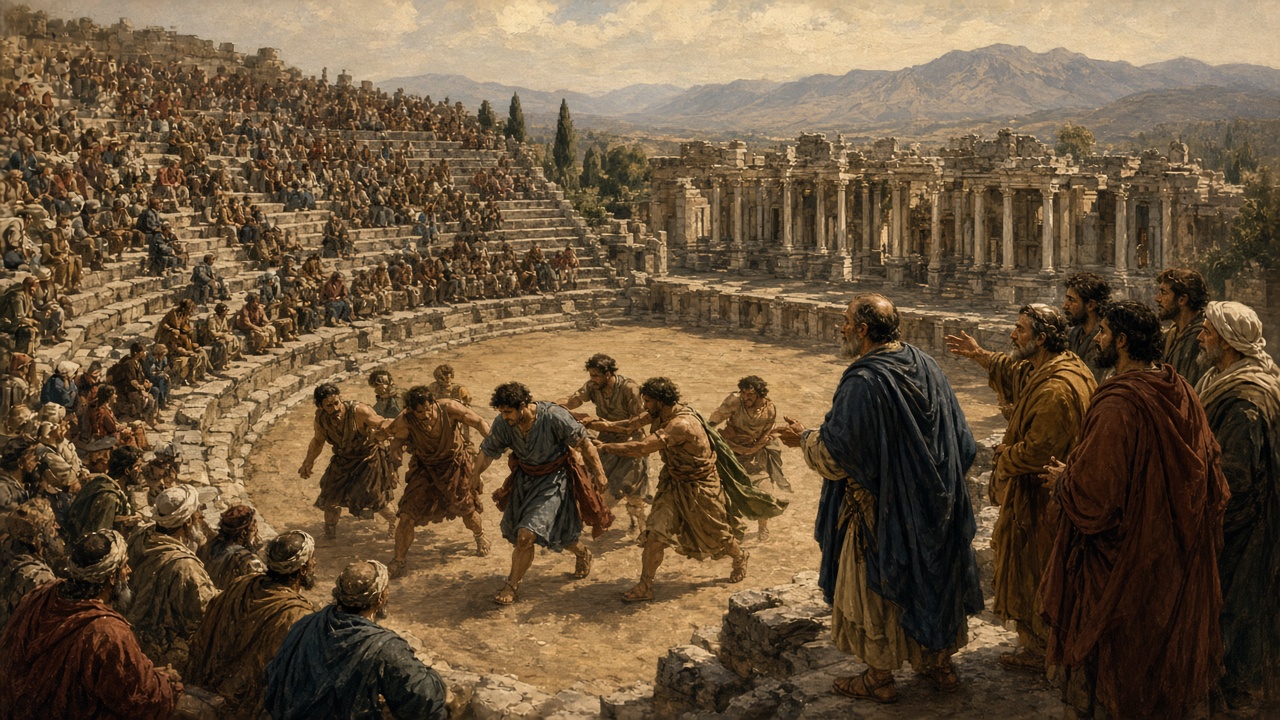
- The crowd rushed into the theatre of Ephesus, which Easton's Bible Dictionary (1897) describes as the largest in the world, open to the sky and able to hold 50,000 spectators. Friends of Paul among the chiefs of Asia, wealthy citizens elected each year to preside over the games and religious festivals of their cities, begged him not to go in. The city clerk then reminded the assembly that Ephesus was guardian of the temple of the great Artemis and of her image, said to have fallen from heaven.Sources: Ephesus · Asia · the Bible text itself
Notes written with AI assistance from open sources (Theographic Bible Metadata, CC BY-SA 4.0; Easton’s Bible Dictionary, public domain) and reviewed before publishing.
Places in this chapter
- Corinth · 37.906, 22.879 · verse 1
- Ephesus · 37.939, 27.341 · verses 1, 17, 23, 26, 35
- Asia · 38.400, 28.300 · verses 10, 22, 26, 27, 31
- Achaia · 38.720, 22.540 · verse 21
- Jerusalem · 31.777, 35.234 · verse 21
- Macedonia · 41.600, 22.540 · verses 21, 22, 29
- Rome · 41.892, 12.485 · verses 21, 40
Only places identified with high confidence are shown (90% or more according to the scholarly sources compiled by OpenBible). Period map: DARE (Digital Atlas of the Roman Empire), CC BY 4.0; modern map: © OpenStreetMap contributors; places: OpenBible.info (CC BY 4.0).
Credits and license for this translation
Godɨndɨ Hoafɨ
The New Testament in the Angor language of Papua New Guinea
Nupela Testamen long tokples Angor long Niugini
Copyright © 2001 The Bible Society of Papua New Guinea
Language: Angor
Contributor: Wycliffe Bible Translators
This translation is made available to you under the terms of the
Creative Commons Attribution-Noncommercial-No Derivatives license 4.0.
You may share and redistribute this Bible translation or extracts from it in any format, provided that:
You include the above copyright and source information.
You do not sell this work for a profit.
You do not change any of the words or punctuation of the Scriptures.
Pictures included with Scriptures and other documents on this site are licensed just for use with those Scriptures and documents.
For other uses, please contact the respective copyright owners.
2013-01-07
Source: http://png.bible/agg/ · eBible.org