Acts 12
Godɨndɨ Hoafɨ · Tap a verse to see its cross-references.
Herot ai Sems hɨfokoarirü mbura Pitambo karabusɨmarirɨ
1Ranɨ-sɨmboanɨ bogorɨ adükarɨ Herot ai Kraisɨndɨ nendɨ bɨdɨfɨrambo moaruwaimbo-mareandürɨ. 2Ai hoafɨmeyuwa Sems Sonɨndɨ amoŋgo pisao yihɨmɨndɨnambo hɨfokoamarüwurü. 3Herot ai hoeireanda Suda ai ranahambo aboed-ane maseiamboyu Pitambo kameihɨ karabusɨmarirɨ. Suda ai bret yisɨkoate-sesesɨ-mayei rasɨmboa Herot ai ramareandɨ. 4Ai Pitambo serümündü karabus worambe hɨnɨŋgɨmarira, yimbuyimbu bɨdɨfɨrambe yimbuyimbu ami ai hɨfandɨmarurɨ. Herot ai yare hohoanɨmoyuhüya, “Awi Suda ai bret yisɨkoate-sesesɨndei mbundühümbo anɨmbo ro Pitambo weindahɨ papɨ-hoafɨndühünɨ-mboeahɨ,” mehu. 5Asu Pita ai karabusɨ worambe mamaru, ŋga anɨhondümbo-rɨhindeimbɨ ai ahambohünda Godɨmbo dɨdɨbafɨyei marɨhündɨ.
Pita karabus worɨ hɨnɨŋgɨmareandɨ
6Ndanɨ nɨmbɨnambo sümbu noufe Herot ai Pitambo papɨ-hoafɨmbo yahumboyu sen yimbunambo hüputüpurundümo ami yimbu-yafandɨ mbusümo sɨhawura mapu. Asu hɨfandɨru-rundeimbɨ ai karabus worɨ yipurɨkɨmɨ hɨfandɨmarundɨ. 7Nɨmehünou Adükarɨndɨ sünambeahündɨ nendɨ ai manüŋguamboyo asu worambe si pɨmayoa Pitambo ŋgɨrɨsafɨnɨ sindira botɨmefiwa hoafɨyuhü yahuya, “Nɨmai botɨyafo!” mehuamboyu nɨmehünou asu sen ai Pitandɨ warɨhündɨ fufurɨmarɨhoayo. Sünambeahɨndɨ nendɨ ai Pitambo hoafɨyuhü yahuya, “Hoearɨ yɨhuruyafɨ mbura su güdo,” mehuambo Pita ai rasüŋgu-mareandɨ. Asu sünambeahɨndɨ nendɨ ai yahuya, “Sɨhafɨ hoandarɨ hoearɨ güdo mbura wandɨ süŋgu sɨnɨfɨ,” mehu. 9Ranɨyu asu Pita ai ahandɨ süŋgu karabus worɨ safambeahɨndɨ tükümefiyu. Ŋga Pita ai sünambeahɨndɨ nendɨ ramarirɨ ra moai weindahane yahu, ŋga yafogoadɨ-nambombai yahuhayamboyu. 10Yɨbobo ai hafanɨ yimbu hɨfandɨ-rɨnandeimbɨ ŋgasündɨne hena karabus ain yipurɨ ra-sowahɨ tükümefɨneandɨ. Yipurɨ ra ahafanɨmbo moanɨ timarɨhoayo-wamboyafanɨ weindanɨ tüküyafɨne hena adükarɨ nafɨ süŋgu hafanɨ asu nɨmehünou sünambeahɨndɨ nendɨ ai ahambo hɨnɨŋgɨmarirɨ.
11Pita ai wudɨpoapore fɨfɨre hohoanɨmoyuhü yahuya, “Haponda ro anɨhondümbo fɨfɨrɨhe-amboanahɨ Adükarɨ ai ahandɨ nendɨ koamarɨheira kusü mafarɨhendɨra Herot ai ŋgɨrɨ wambo moaruwaimbo-ndeandɨrɨ. Suda ai wambo moaruwaimbo-fendɨrɨmbo mehomo, ŋga ŋgɨrɨ randundɨrɨ,” mehu. 12Ranɨyu asu ai Maria, Sonɨmboyu Makɨmboyu-randeimbɨ hondandɨ worɨna mahu. Nindou afɨndɨ ai ranɨhü Godɨmbo dɨdɨbafɨ-fembo-hündambo gugurɨmehindɨ. 13Ranɨyu asu Pita ai hu yipurühɨ pɨrako-pɨrako-marandamboyo nɨmorehɨ ratüpurɨyo-randeimbɨ ahandɨ ndürɨ Roda ai yipurɨ sübüdühefembo ho Pitandɨ yasɨmondɨ hɨmborɨyo haya hɨhɨfɨ-hɨhɨfɨmayo. Ranɨyo asu yipurɨ moai sübüdühendɨ, ŋga hɨhɨrɨfe worɨ safana pɨpɨyo ho hoafɨyondürühɨ yahoya, “Pita yipurɨ nafɨtambehü anüŋgu,” mehoamboyo. 15Asu ai ahambo hoafɨyeihɨ seiya, “Se ra hɨhɨndɨ-hɨhɨndɨ-yafühɨyafɨ!” masei. Ŋga asu ai yahoya, “Tɨkaipoanɨ, ŋga anɨhondümbo asahɨ,” yahoenɨŋgo asükaiyo hoafɨmayo. Asu ai hoafɨyeihɨ seiya, “Awi sünambeahɨndɨ nendɨ Pitambo hɨfandɨrürɨ-randeimbɨ-mbai ranana?” masei.
16Asu Pita ai asükaiyu pɨrako-pɨrako-marandamboyo ai yipurɨ sübüdɨ-hehindɨhünda hoeirɨhorɨ hehi hepünɨmehindɨ. 17Pita ai aheimbo warɨnambo afoai yahu haya Adükarɨ ai ahambo karabus worambeahɨndɨ serümündü moanambühɨ tükümefiyu hoafɨ ra wataporɨmayu. Ai yahuya, “Sems asu wandafɨ mamɨ ranahamumbo hoafɨndahüpurɨ,” mehu. Asu ai Pita ranɨhü hɨnɨŋgɨrirɨ haya ŋgorü goanɨnɨ mahu.
18Asu ranɨyo ŋgorü siambeahɨ Pita ai nɨmarɨkoate-mayuwa, ami ai hepünafundühɨ afɨndɨ hohoanɨmo-yomondühɨ yahomoya, “Pita nüŋgufiyuwa?” mehomo. 19Herot ai Pitambo karabus worɨ muŋgu kokofoefimbo hoafɨmepuramboemo ramarundɨ, ŋga asu moai hoeirüwurü. Ranɨyo asu karabus hɨfandɨ-rundeimbɨmbo Pita ai aboedambomefiyu ranɨmbo düdumareapurɨ, ŋga ai moai dɨdɨboadoru hoafɨyomo. Ranɨyo asu ahamumbo hɨfokoefe-purɨmbo hoafɨmayu. Süŋguna ai Sudia hɨfɨ hɨnɨŋgɨre haya hanü Sisaria ŋgafɨhü mamaru.
Herot ai yɨfɨmayu
20Herot ai Tairɨhündɨ asu Saidonɨhündɨ ranaheimbo ŋgɨnɨndɨ-marandürɨ. Ranɨyei asu ai fandɨhi hehi nindou bɨdɨfɨrɨ ahambo sowana koamarɨhehipura mahomo. Weaŋgurühɨ ai Brastus, bogorɨ adükarɨndɨ ratüpurɨyu randeimbɨ-mayu, ranahambo yahomoya, “Farɨhawamunɨ,” mehomo-ndamboyu. “Fandɨhehea-purɨmboyahɨ,” mehu. Ai Herot soana homo hoafɨyomondühɨ yahomoya, “Sɨhɨrɨ aboedɨ-aboedɨ-ndahumboane,” mehomo. Nɨmboe hɨfɨ ra Herot ai hɨfandɨmarandɨ ranɨhü Tair asu Saidon ai ahei sesɨ sahümündi rɨhündühɨ wambo. 21Ranɨyo Herot ai mamɨ sihɨ ware haya, ahandɨ adükarɨ bogorɨ hoearɨ yihuru-ramündü haya, ahandɨ adükarɨ bogorɨ nɨmarɨ fondɨwamɨ nɨmarümbo nindou afɨndɨ ranaheimbo wataporɨmbo-marandürɨ. 22Asu nindou ranai puküna hoafɨ karɨhehindühɨ seiya, “Ndanana god mamɨndɨ yafambe-ane! Ŋga nindou-yomondɨ yafambeyopoan!” masei. 23Asu Herot ai ahei hoafɨ ranɨmbo moai ambe yahu asu ai moai Godɨmbo adükar-ani yahu. Ranɨmboyo sünambeahɨndɨ nendɨ harɨ-memondowa nüŋgarɨ ahandɨ safɨ ra sahüsi wakɨrɨhi marɨhünda yɨfɨmayu.
24Ŋga asu Adükarɨndɨ hoafɨ ai ŋgɨnɨndɨ tüküfe haya muŋguambo ŋgoafɨ maho. 25Asu Barnabas, Sor ai ratüpurɨ Serusaremɨhü moendɨrɨne hena hɨhɨreafɨne Andiok ŋgoafɨna mahafanɨ. Ai Son Mak sowarɨndɨfanɨ hena ai-babɨdɨmbo mahomo.
Did you know?
Peter's escape and Herod's death
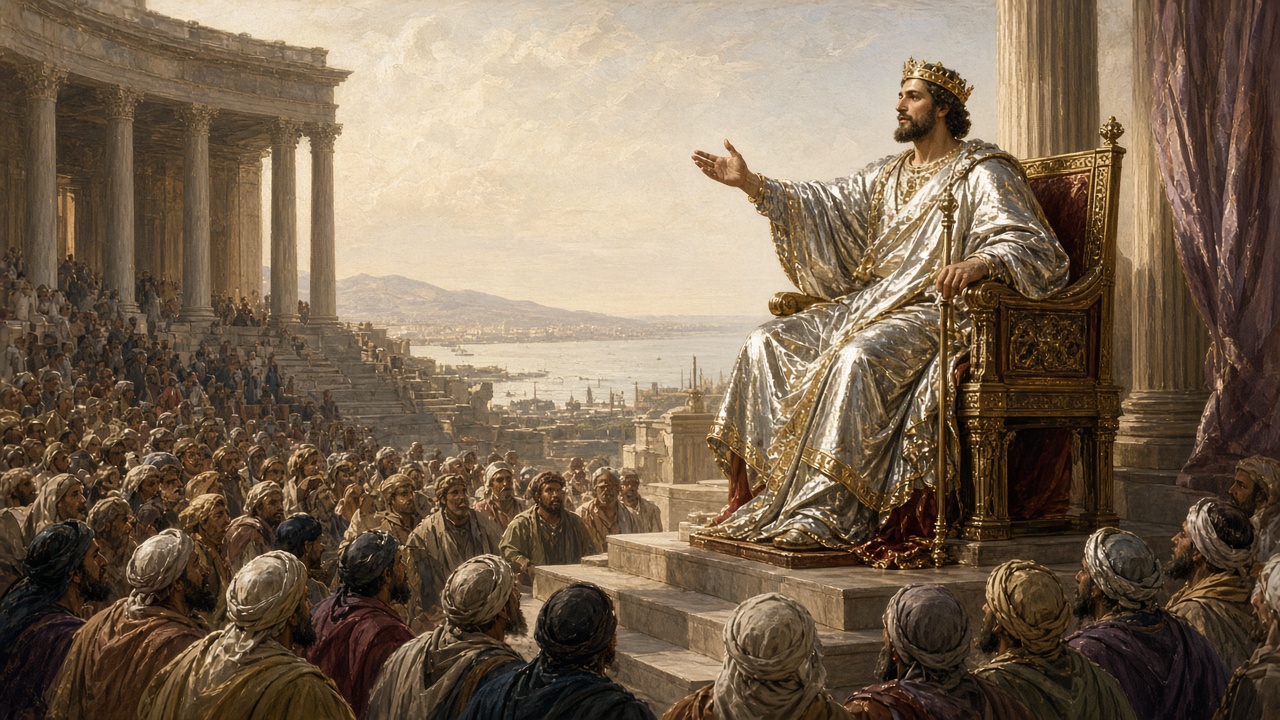
- The King Herod of this chapter is Herod Agrippa I, grandson of Herod the Great, who in time held his grandfather's entire kingdom and the title of king. He put James to death and imprisoned Peter. Easton's Bible Dictionary (1897) says that on the second day of a festival honoring the emperor Claudius, Agrippa appeared in the great theatre at Caesarea wearing magnificent silver robes; it was early in the day, and the sun's rays dazzled those who saw him.Sources: Herod Agrippa I · the Bible text itself
- The James killed with the sword was James the son of Zebedee, brother of the apostle John, a fisherman who had worked in partnership with Peter. Easton's Bible Dictionary (1897) calls him the first of the apostles to be put to death and says that Herod Agrippa had him beheaded. The James whom Peter tells the believers to notify is another man: the same dictionary identifies him as the James who headed the church in Jerusalem.Sources: James (Son of Zebedee) · James (Brother of Jesus) · the Bible text itself
- Once he knew he was free, Peter went to the house of Mary, mother of John Mark, in Jerusalem, which Easton's Bible Dictionary (1897) calls a common meeting place of the disciples; many people were gathered there praying. The servant who came to the outer gate was Rhoda, a name that means a rose; overjoyed at his voice, she ran inside to announce him and forgot to open the gate. John, also called Mark, was Mary's son—Mark, his Roman name, gradually replaced the Jewish name John—and he later left Jerusalem with Barnabas and Saul.Sources: Mary (Mother of John Mark) · Rhoda · John Mark · the Bible text itself
Notes written with AI assistance from open sources (Theographic Bible Metadata, CC BY-SA 4.0; Easton’s Bible Dictionary, public domain) and reviewed before publishing.
Places in this chapter
- Caesarea · Today: Caesarea Maritima · 32.500, 34.892 · verse 19
- Judea · Today: Judea 1 · 31.777, 35.234 · verse 19
- Sidon · Today: Sandikli archaeological site in Sidon · 33.561, 35.372 · verse 20
- Tyre · 33.271, 35.196 · verse 20
- Jerusalem · 31.777, 35.234 · verse 25
Only places identified with high confidence are shown (90% or more according to the scholarly sources compiled by OpenBible). Period map: DARE (Digital Atlas of the Roman Empire), CC BY 4.0; modern map: © OpenStreetMap contributors; places: OpenBible.info (CC BY 4.0).
Credits and license for this translation
Godɨndɨ Hoafɨ
The New Testament in the Angor language of Papua New Guinea
Nupela Testamen long tokples Angor long Niugini
Copyright © 2001 The Bible Society of Papua New Guinea
Language: Angor
Contributor: Wycliffe Bible Translators
This translation is made available to you under the terms of the
Creative Commons Attribution-Noncommercial-No Derivatives license 4.0.
You may share and redistribute this Bible translation or extracts from it in any format, provided that:
You include the above copyright and source information.
You do not sell this work for a profit.
You do not change any of the words or punctuation of the Scriptures.
Pictures included with Scriptures and other documents on this site are licensed just for use with those Scriptures and documents.
For other uses, please contact the respective copyright owners.
2013-01-07
Source: http://png.bible/agg/ · eBible.org