2 Corinthians 10
Godɨndɨ Hoafɨ · Tap a verse to see its cross-references.
Nindou ai Porɨmboya aiana Kraisɨndɨ hoafɨ semündü hu-randeimbɨ hondüyupoanɨ masei ranaheimbo sɨmborɨ hoafɨmayu
1Nindou bɨdɨfɨrɨ ai wamboya, “Por ai ro-dɨbo nüŋguambe afure manüŋgu, ŋga ai-poanɨmbo nüŋguambe ranɨ-sɨmboanɨ yaŋgɨrɨ yɨhoefɨmbo pasambe ŋgɨnɨndɨ hoafɨyumunɨ marandɨ,” asei. Ro Por-anahɨ haponda wandɨhoarɨ pas ndanambe sɨheimbo Krais ramefiyu nou hɨmboarɨ hoafendahü hɨpoamborɨhearühɨ hoafayahandürɨ. 2Ro sɨheimbo ŋgɨnɨndɨ hoafɨmbo moeisahɨ, ŋga se wambo amoŋgonɨ hoafɨndeianɨ ana, asu ro sɨheimbo-so dügühanɨ sɨheimbo ŋgɨnɨndɨ hoafɨndamboyahɨ. Ŋga nindou dɨdɨyei ai wamboya, aiana hɨfɨ ndanɨhündambo hohoanɨmo ranane süŋguare hu asei ranaheimbo-anɨmbo ro yɨhɨmbokoate ŋgɨnɨndɨ hoafɨndaha-ndürɨmboyahɨ. 3Ro nindou yaŋgɨr-anefɨsɨ, ŋga asu ro moai nindou-yafe hohoanɨmo süŋgurɨhundühɨ yifiarɨyefɨ rɨhundɨ. 4Muŋguambo yifiarɨ nɨmɨnehoarɨ sahumɨ-ndefɨmboayefɨ ra hɨfɨ ndanɨhündambo-yopoanɨ. Ŋga wanɨ. Ŋga ranana Godɨnd-mayo ŋgɨnɨndɨ yifiarɨ nɨmɨnehoar-ane. Ranana hürütümbü nindou-yafe ŋgɨnɨndɨ hɨfɨnambondeamboe. Ranamboane wosɨhoaforɨ hohoanɨmo ra raguanambo-arɨhundɨ. 5Asu nɨne-moatükunɨ ai Godɨmbo fɨfɨrɨfimbo-mayo ranahambo nafɨ gürareandɨ ra hɨfɨnambo-ndɨhumboyefɨ. Asu muŋguambo sɨhefɨ hohoanɨmo kɨkɨhɨrɨ-hümündeihɨ Kraisɨmbo yaŋgɨrɨ hohoanɨmo pambɨrɨhinda asefɨ. 6Se Kraisɨndɨ hoafɨ ranɨ yaŋgɨrɨ süŋgundɨhi mbundɨhümbo-anɨmbo asu sehündɨ bɨdɨfɨrɨ ai süŋgufekoate-ayei ranaheimbo tɨŋümbɨ hohoanɨmo ndahu-ndürɨmboyefɨ.
7Seana nɨne-moatükunɨ hoeiarɨhindɨ ranahambo wudɨpoapondɨhi türüboadɨhi hohoanɨmondei. Nindou mamɨ ai hoafɨyuhüya, roana Kraisɨndɨ nindou hond-anahɨ ehu ana, awi ai rande wudɨpoaponde hohoanɨmonduhü ro-amboanɨ ai rawefiyu nou Kraisɨndɨ nindou-anefɨ mbeyahu-wamboane. 8Sɨhei anɨhondümbofe hohoanɨmo ra ŋgɨnemɨndɨ-ndürɨmbo-hündamboyu Adükarɨ ai yɨhoefɨmbo ndanɨ ratüpurɨ nda masemunɨ. Ranɨ-moatükunɨ ranana sɨheimbo moaruwaimbofe-ndürɨmbo-yopoanɨ. Ŋga asu ro ndanɨ ratüpurɨ ranɨmbo wandɨhoarɨ akɨdou borayahɨ ana, asu ranɨmbo ro moai amoanɨŋgɨyahɨ. 9Se randɨhi hohoanɨmondeihɨya, “Por aiana ahandɨ pasambe hoafɨ ranɨnambo yɨhɨmboaramunɨ,” mbɨseimboyei. 10Nindou bɨdɨfɨrɨ ai randɨhi hoafɨndeihɨ anɨmboya, “Porɨndɨ-mayo pas ranana tɨŋümbɨ saf-ane. Ŋga ai sɨhefɨ fikɨmɨ nüŋgumbo ana, ai hɨmboarɨ hoafendɨ safɨ nüŋgumbo asu hoafɨ ahandɨ ra ndorɨhefekoate-ane,” sei arɨhündɨ. 11Nindou düdi yahurai hoafɨyu arandɨ ranai ana rande ndonde hohoanɨmondühɨ türüboadeandɨ. Ro aŋgunɨ nɨmboefɨmbo pasambe hoafayef-ane, asu sɨheimbo-so ranɨhü nɨmboefɨmbo hoafehundür-ane, ranɨ moatükunɨ ra ŋgorü-poanɨmboyopoanɨ, ŋga wanɨ.
12Roana ŋgɨrɨ yɨhoefɨhoarɨ yɨhoefɨ fi ra sɨmoŋgorɨndɨhu hoeindɨhu ndɨhundɨ nindou bɨdɨfɨrɨ ai ahamundɨ fimbo borayomo nou. Nindou ranai ana moanɨ ahamundɨ hohoanɨmonambo yaŋgɨr-anemo ai ahamundɨhoarɨ ŋgorü ahandɨ hohoanɨmo ra ŋgoründɨ-mayo hohoanɨmo ranɨfihɨ sɨmoŋgoru hoeiru arundɨ. Yahurai nendɨ ana fɨfɨrɨfekoate-anemo! 13Ŋga asu ro yɨhoefɨ fimbo ana ratüpurɨ yɨhoefɨ ranahambo sɨmoŋgorɨ ra ŋgasündɨfe hefe borɨyo ho ranahambo moei asefɨ. Ŋga nɨne-moatükunɨ ratüpurɨ God ai yɨhoefɨmbo masemunɨ ranɨ sɨmoŋgorühɨ anɨmbo ŋgemboyefɨ sɨheimbo-so ratüpurɨmbo kameihɨ amboanɨ. 14God ai yɨhoefɨmbo ratüpurɨ masemunɨ ranɨ hoarehɨ se anɨmboei. Ranɨ-sɨmboanɨ ro sɨheimbo sowahɨ tüküyahundühɨ Kraisɨndɨ Aboedɨ Hoafɨ ra sahumɨndefɨ hohu sɨheimbo hoafɨmehundürɨ. Ranɨnambo God ai yɨhoefɨmbo ratüpurɨ masemunɨ ranɨ yaŋgɨrɨ süŋgumarɨhundɨ. 15Roana moai God ai ratüpurɨ nindou ŋgorümbo masagadürɨ ranahambo borɨyefɨ hefɨ rɨhundɨ, ŋga wanɨ. Ŋga roana sɨhei anɨhondümbofe ranai ŋgoanɨ asu ro sɨhei mbusümo ratüpurɨmbohünda God ai ranɨ ratüpurɨ masɨhendɨ ra refeyowanɨ aboedɨ adükarɨ tüküfembo ranahamboane anɨhondümbo hɨmboayefɨ. 16Rananɨmbo asu ro aboedɨ hoafɨ ra ndahumɨndefɨ nindou bɨdɨfɨrɨ sɨhei hɨfɨ daboadanɨ amarei ranaheimbo hoafɨnda-hundürɨmboyefɨ. Asu ro ŋgɨrɨ nindou ŋgorü ai ratüpurɨmayu ranahambo borɨndefɨ.
17Bukambe yare hoafɨyowohü yahoya, “Nindou düdi ai borɨmbo hohoanɨmoayu ana, moanɨ Adükarɨ ai nɨne-moatükunɨ ramareandɨ ranahambo yaŋgɨr-anɨmbo borɨmbiyu-wamboane,” meho. 18Nindou düdi ai sapo nɨne-moatükunɨ ramareandɨ ranɨmbo ahandɨhoarɨ borayu ana, Godɨndɨ homboahü ndürɨmbüyupoanɨ. Ŋga asu Adükarɨ ai nindou daboe ndürɨmb-ani ehu ana, nindou ranai ndürɨmb-ani.
Did you know?
Letters, Presence, and Warfare Not of This World
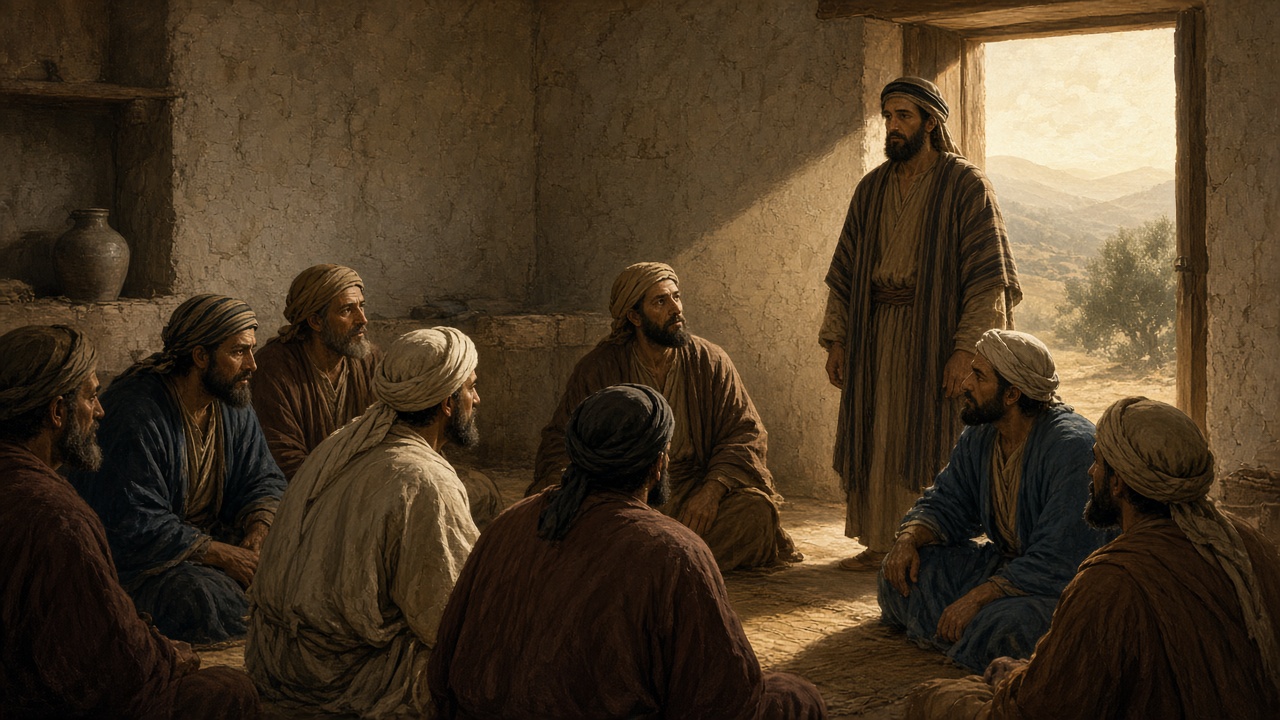
- Some people measured Paul by appearances and by his speech. They granted that his letters were weighty and forceful, yet called his physical presence unimpressive and his speaking of no account. He replies that what he is in his letters when away, he will be in his actions when he is present.Sources: the Bible text itself
- He casts the conflict in military terms, but not as an ordinary fight. Living in the flesh, he says, does not mean waging war according to the flesh. The weapons he claims are not the world's; they have divine power to pull down strongholds, to dismantle arguments and every presumption set against the knowledge of God, and to bring every thought into obedience to Christ.Sources: the Bible text itself
- Paul will not boast beyond the field of influence God has assigned him, a field that already includes his readers, since he was the first to reach them with the gospel of Christ. Anyone who boasts, he says, should boast in the Lord; approval belongs not to the one who commends himself, but to the one whom the Lord commends.Sources: the Bible text itself
Notes written with AI assistance from open sources (Theographic Bible Metadata, CC BY-SA 4.0; Easton’s Bible Dictionary, public domain) and reviewed before publishing.
Places in this chapter
- Corinth · 37.906, 22.879 · verse 14
Only places identified with high confidence are shown (90% or more according to the scholarly sources compiled by OpenBible). Period map: DARE (Digital Atlas of the Roman Empire), CC BY 4.0; modern map: © OpenStreetMap contributors; places: OpenBible.info (CC BY 4.0).
Credits and license for this translation
Godɨndɨ Hoafɨ
The New Testament in the Angor language of Papua New Guinea
Nupela Testamen long tokples Angor long Niugini
Copyright © 2001 The Bible Society of Papua New Guinea
Language: Angor
Contributor: Wycliffe Bible Translators
This translation is made available to you under the terms of the
Creative Commons Attribution-Noncommercial-No Derivatives license 4.0.
You may share and redistribute this Bible translation or extracts from it in any format, provided that:
You include the above copyright and source information.
You do not sell this work for a profit.
You do not change any of the words or punctuation of the Scriptures.
Pictures included with Scriptures and other documents on this site are licensed just for use with those Scriptures and documents.
For other uses, please contact the respective copyright owners.
2013-01-07
Source: http://png.bible/agg/ · eBible.org