1 Corinthians 2
Godɨndɨ Hoafɨ · Tap a verse to see its cross-references.
Por ai Sisas yɨfɨmayu ranahambo hoafɨmayu
1Wandafɨ mamɨ, sapo sɨheimbo sowana sühühühɨ Godɨndɨ-mayo dɨbohɨndɨ hoafɨ hoafɨyahühɨ ro moai ndorɨhoeimbɨ hamɨndɨ hoafɨ nahurai hoafɨyahɨ asu moai hohoanɨmo ndorɨheandeimb-anahɨ sahehea hoafɨyahɨ. 2Ro se-babɨdɨ nɨmboambo ana rarɨhe hohoanɨmoyahühɨya, ŋgɨrɨ ŋgorü-moatükunɨmbo yamundɨheandɨ, ŋga Sisasɨmbo asu ai nɨmɨ keimbɨ karɨhendeimbɨfihɨ yɨfɨmayu ranahambo yaŋgɨr-anɨmbo yamundɨheamboyahɨ, masahɨ. 3Ro sɨheimbo-so nɨmboahambe hamɨndɨ kemɨndɨkoate-yahühɨ hɨhamɨndarɨ kapeihɨyahɨ manɨmboahɨ. 4Ro yamundɨheandühɨ asu bokarɨ-marɨheheandɨ ra fɨfɨrundeimbɨ nindou-yomondɨ-mayo fɨfɨrɨfe hoafɨnambo-yopoanɨ hoafɨmayahɨ. Ŋga ro hoafɨyahane Godɨndɨ Yifiafɨndɨ ŋgɨnɨndɨnambo ratüpurɨmayahɨ ranai wandɨ hoafɨ anɨhond-ane yaho nafuimeyondürɨ. 5Sɨhei anɨhondümbofe ra se nindou-yei fɨfɨrɨfe hohoanɨmonambo tüküfembo moeisahɨ, ŋga Godɨndɨ ŋgɨnɨndɨnambo-anɨmbo tükümbɨfeyo-wamboane.
Godɨndɨ ndofe hohoanɨmo
6Ŋga nindou ŋgɨnɨndɨmbo-yahindeimbɨ aheimboane ro ndofe hohoanɨmo hoafɨ ra hoafɨyahandürɨ arɨhandɨsɨ, ŋga ndofe hohoanɨmo ranana hɨfɨ ndanɨhündambo-yopoanɨ asu hɨfɨ ndanɨhündɨ bogorɨyafe-mayopoanɨ. Ŋga ahei ŋgɨnɨndɨ afure arandɨ. 7Godɨndɨ ndofe hohoanɨmo-ane yamundɨhe arɨhandɨ. Hohoanɨmo ranana dɨbo meŋgoro-ane. God ai muŋgu-moatükunɨ nafɨkoate-yuambeyo ai ranɨ ndofe hohoanɨmo ranahambo sɨhefɨmbo ai ndürümbɨ mbɨmariamboane yahuhaya ahandɨ hohoanɨmonambo yaŋgɨrɨ hoafɨyu masɨhendɨ. 8Hɨfɨ ndanɨhündambo nindou bogorɨ mamɨ ai-amboanɨ ndofe hohoanɨmo ra moai fɨfɨreandɨ. Asu ai fɨfɨrɨmbaru-mbonana ŋgɨrɨ nindou Adükarɨ hɨmboamupuimbo-randeimbɨ-mayu ra sowaründümo houmbo nɨmɨ keimbɨ karɨhendeimbɨ-fihɨ parüwurɨ, ŋga wanɨ. 9Ŋga Bukambe yare hoafɨyowohü yahoya,
“Nindou Godɨmbo hohoanɨmo parɨhorɨ-rɨhoreimbɨ ranaheimbo ai afɨndɨ moatükunɨ dɨdɨboadore masɨhendɨ.
Ranɨ-moatükunɨ ra hɨmboarɨ ai moai hoeireandɨ,
hɨmboambe ai moai hɨmborɨyo
asu nindou-yafe hohoanɨmonambo yaŋgɨrɨ moai tüküfeyo,” Aisaia 64:4
meho. 10Hoafɨ ra ai dɨbo meŋgoroyosɨ, ŋga Yifiafɨ Aboedɨ ranahandɨ ratüpurɨnamboyo God ai ranɨ-moatükunɨ ra nafuimemunɨ. Yifiafɨ Aboedɨ ranai ana Godɨndɨ hohoanɨmo dɨbo eŋgoro amboanɨ kokondambo hoeindeamboe. 11Nindou ŋgorü ai ŋgɨrɨ ŋgoründɨ hohoanɨmo amaro ra fɨfɨrɨndeandɨ, ŋga yifiafɨ ahandɨ fiambe amarondo ranai-anɨmbo ahandɨhoarɨ fɨfɨrɨndeamboe. Mare yahuraiane nindou ai moai God hohoanɨmoayu ra fɨfɨrɨhindɨ, ŋga ahandɨ Yifiafɨ Aboedɨ ranane ahandɨ hohoanɨmo ra fɨfɨreamboayo. 12Sɨhɨrɨ ana hɨfɨ ndanɨhündambo yifiafɨ ranana moai sahumɨndefɨ, ŋga Yifiafɨ God ai koamarɨhemunɨ ranɨyo masahumɨndefɨ. Sapo God ai nɨne-moatükunɨ masemunɨ ra fɨfɨrɨferambohünda. 13Ranɨmboane sɨhɨrɨ ŋgɨrɨ hoafɨndefühɨ nindou-yafe hohoanɨmo hoafɨnambo yamundɨhundɨ, ŋga Yifiafɨ Aboedɨndɨ yamundɨfe hoafɨ rananɨmbo nindou Godɨndɨ Yifiafɨ ahei fiambe nɨmarɨndüreimbɨ ranaheimbo Godɨndɨ moatükunɨ fɨfɨrɨfe hoafɨmboane.
14Ŋga nindou Yifiafɨ ahandɨ fiambe nɨmarɨkoate-yondoweimbɨ ranai ŋgɨrɨ Godɨndɨ Yifiafɨ sai-randeimbɨ moatükunɨ ra ndemündu. Nindou aiana ranɨ-moatükunɨ ra ŋgɨrɨ ndonde fɨfɨrɨndeandɨ. Ŋga ahambo hɨhɨndɨ hohoanɨmo nahuraindɨmboe. Ŋga Yifiafɨndɨ warɨ-süŋgu yaŋgɨr-anɨmbo nindou ai ranɨ-moatükunɨ yɨbobondeandühɨ fɨfɨrɨndeambui. 15Nindou düdi ai Yifiafɨ Aboedɨ ra ahandɨ fiambe amarondo ana, ai muŋguambo moatükunɨ yɨbobondeambui, ŋga asu nindou ŋgorü ai ŋgɨrɨ ahandɨ hohoanɨmo yɨbobondeandɨ. 16Godɨndɨ hoafɨ yare hoafɨyowohü yahoya, “Nindou düdi Adükarɨndɨ hohoanɨmo fɨfɨreamboayu-a? Nindou dɨdai ahambo yamundɨmandira?” Ŋga sɨhefɨmbo ana awi Kraisɨndɨ hohoanɨmo ra ŋgusüfoambe nɨmarɨmunɨmboane.
Did you know?
Christ crucified and the Spirit's wisdom
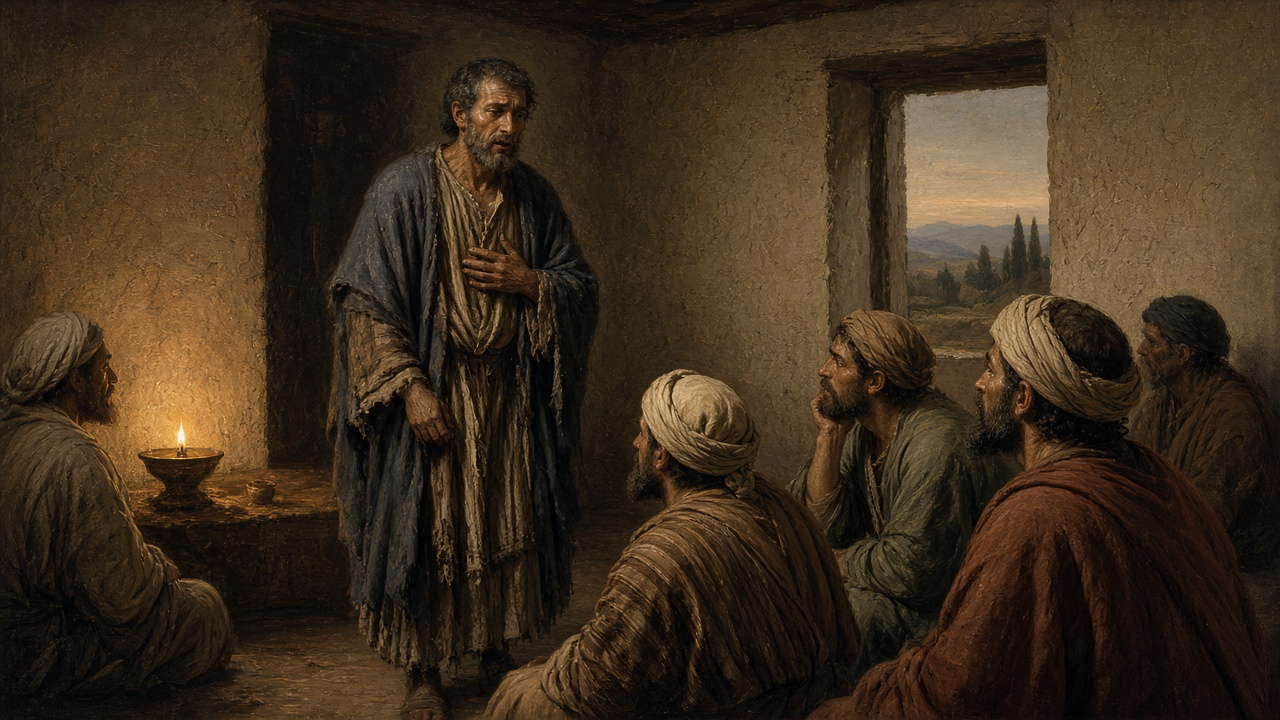
- The writer says he did not come with eloquence or wisdom when he proclaimed the testimony about God. He had resolved to know nothing while he was with them except Jesus Christ and him crucified, and he came in weakness, fear, and much trembling, so their faith would rest on God's power rather than on human wisdom.Sources: the Bible text itself
- The wisdom spoken among the mature is not the wisdom of this age or of its rulers, who are coming to nothing. It is called God's mysterious, hidden wisdom, destined for glory before time began; those rulers did not understand it, or they would not have crucified the Lord of glory.Sources: the Bible text itself
- The chapter says God has revealed by the Spirit what lies beyond human sight, hearing, and imagination. Only a person's own spirit knows that person's thoughts, and only the Spirit of God knows God's thoughts. The natural person does not accept what comes from the Spirit, treats it as foolishness, and cannot understand it, because it is spiritually discerned.Sources: the Bible text itself
Notes written with AI assistance from open sources (Theographic Bible Metadata, CC BY-SA 4.0; Easton’s Bible Dictionary, public domain) and reviewed before publishing.
Credits and license for this translation
Godɨndɨ Hoafɨ
The New Testament in the Angor language of Papua New Guinea
Nupela Testamen long tokples Angor long Niugini
Copyright © 2001 The Bible Society of Papua New Guinea
Language: Angor
Contributor: Wycliffe Bible Translators
This translation is made available to you under the terms of the
Creative Commons Attribution-Noncommercial-No Derivatives license 4.0.
You may share and redistribute this Bible translation or extracts from it in any format, provided that:
You include the above copyright and source information.
You do not sell this work for a profit.
You do not change any of the words or punctuation of the Scriptures.
Pictures included with Scriptures and other documents on this site are licensed just for use with those Scriptures and documents.
For other uses, please contact the respective copyright owners.
2013-01-07
Source: http://png.bible/agg/ · eBible.org