1 Timothy 4
YISASINI KAMA VAYA · Tap a verse to see its cross-references.
Kampun Monó Baya Sin Kékái Vaya Ino
1Máan ten mifo ma vara kípan akhempá ma oriyantin maen manáa kéká ano mai ma esé araíintá ma Tiyarafenurá mumunan iyá ein me ifá uren kampun aunani vaya ánain dakhafinten mino sen Kantá Aunan mano mai fákena sian amá ukhen mino. 2Mai ma kampun ten monó banta kéká uno ma siyain kéká anon mai afova aminten mifo vetíi kama yaná bá namu yaná bá ma yaíden afová in ineine asusen ukhen mino.
3Máan tukhan mi ábasuí ma in avúavá bá inká mai ma fura sikhein baya ma afová ukhen mumunan iyain kéká ano susu siantáden nano van ma Tiyarafenu ano uvamádan bain dunan kayo vá are uanté iyan mino. 4Para vara seyo, Tiyarafenu ano ma uvantein danasinta mai kama anan ukhen mifo ída vá manáa mo ifá iyáké túkákesá béin tusu siantiyá timusin pintesá mai yanasinta vará tifano. 5Mai fara vara seyo, Tiyarafenui vaya ano máa sikhen mino. Ábasu ma vampin má ara ara yunan ma nan avúavá bápin pefái Tiyarafenu ano maman kantasí ukhen mifo amúkimposá tusu siyákeya varano.
Yisas Karaisini Kama Yoran Bantaí Ma In Baya Ino
6Ma vaya kayo ma mumunan kéká tiaminte mae mai Yisas Karaisini kama yoran bantaíi uveyan mai ma fura mumunan má inká kama vaya vá ma inire ma mantaan ákona eona vayan tian dákó inono. 7Kampun banta kayo ano ma siamin nain baya kayo van pédeya nentasá bano. Mai fara vara seyo, mai vaya kayo ano ída ayainten mifo ída vá asive asive iya vákeya kantasí ukhen ban avúavá ma varan nará ena ena ákona e yoseno. 8Mai fara vara seyo, manáa nanin banta ano máa sikhen mino: “Dan bukhafará ma ákona varan mai veni nena sanáan ban mifo monó avúava san ma ákona varan mai moéken kákan danái van mino. Mai fara vara seyo, saréa ma vá tifanuna vá inká ínaimpá ma vá tifanuna vái miyan pefái Tiyarafenu ano iyátintan ban mino.” 9Ma fura vayan tiyan mifo minó ano mai rasá mumunan ono. 10Mai ma fara van oriyan ban Tiyarafenu ano ma minó nanin banta vá inká béintá ma mumunan iyain kayo vá ma aya uren avíkeintái setisi inin kauráké moékan uman o yosiyáké ákona yorarí iyá tiféuno. Mai fara vara seyo, fura yanáká banasi ano mumunan ino van muno.
11Ma vaya vá minó nanin banta siamíde afova amesin ná mai ánain dakhafino. 12Ída vá áesin ná mana ano éin nan pumara ino siren ná éi ma siaminona vaya oyan amino. Mumunan kéká ma afova amiyáke ma yanasinta vá aní ono. Éi ma ne vare inonafin má inká mumunampin ma kantasí ukhen ban má inká ena ma avábá in má ino. 13Tiyarafenui vompon dóki finte yankafesin iniyantiya vá mumunan kéká ákona uantiyáke vanasi afova amiyasirá téi oreno.
14Mai ma sakhanampa vaya ma inikhein Yisasini mumunan nanin bantai ánon banta kayo ano ma ayan ánontá kauren avu uantákaré ein amusin ída vá kaumpan ono. 15Éin ma amikhein dorantasá ei minó inin onan kaure yoriyákeya inká Tiyarafenu ano ma anunu ukhein avúavá ana variya sin ná minó nanin banta ano onano. 16Ei avúavá bá inká Tiyarafenui vaya ma siamiyaonará basá dafiseno. Puntákein avúaváká ma mantaan ákona uvesin maen mai ma siamesin inin nain kéká bá inká éin má Tiyarafenu ano aya uren aviranten mino.
Did you know?
False Teaching and Godly Training
- The chapter says the Spirit expressly states that in later times some will abandon the faith to follow deceitful spirits and the teachings of demons. They are influenced by the hypocrisy of liars whose consciences are seared with a hot iron, and they will prohibit marriage and require abstinence from certain foods.Sources: the Bible text itself
- The letter answers those demands by saying God created such foods to be received with thanksgiving by those who believe and know the truth. Every creation of God is good, and nothing received with thanksgiving should be rejected, because it is sanctified by the word of God and prayer.Sources: the Bible text itself
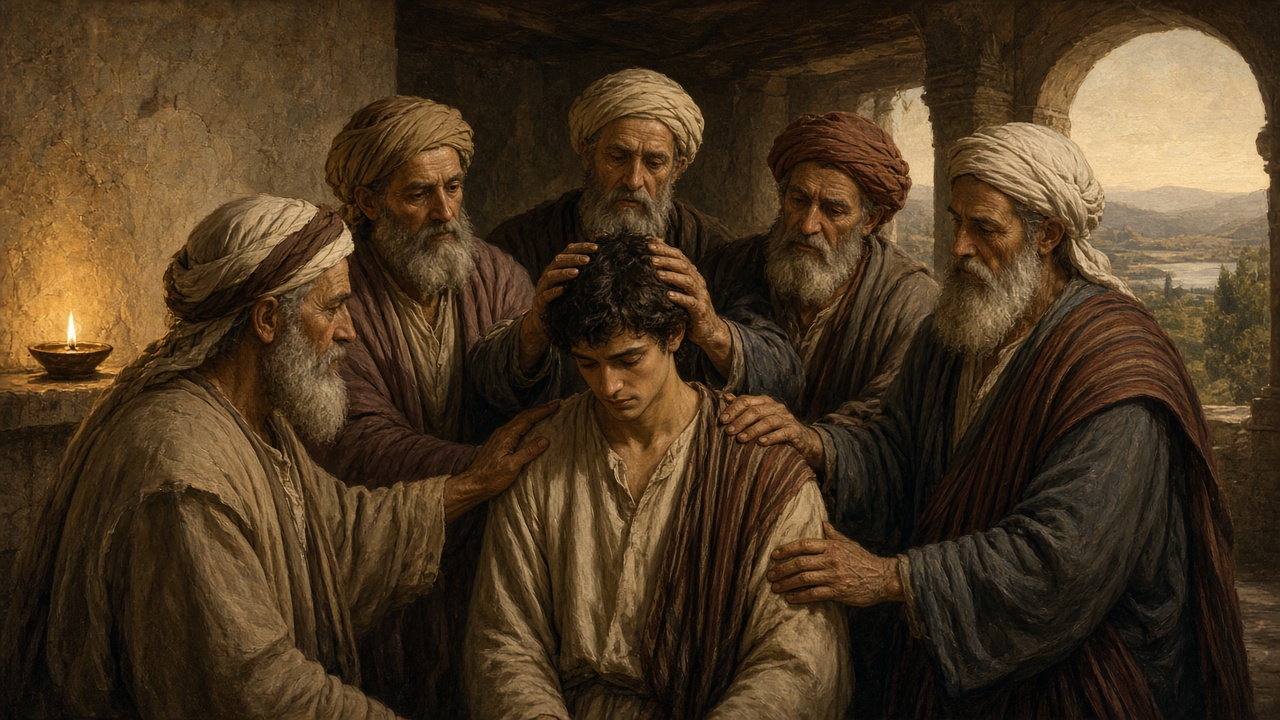
- The writer urges the young person he addresses not to let anyone despise his youth, but to set an example in speech, conduct, love, faith, and purity. Until the writer comes, he is to devote himself to the public reading of Scripture, to exhortation, and to teaching, and not neglect the gift given through prophecy when the elders laid hands on him. Physical exercise, the letter adds, is of limited value, while godliness is valuable in every way, holding promise for the present life and the life to come, a saying the letter calls trustworthy and worthy of full acceptance.Sources: the Bible text itself
Notes written with AI assistance from open sources (Theographic Bible Metadata, CC BY-SA 4.0; Easton’s Bible Dictionary, public domain) and reviewed before publishing.
Credits and license for this translation
YISASINI KAMA VAYA
The New Testament in the Agarabi language of Papua New Guinea
Nupela Testamen long tokples Agarabi long Niugini
Copyright © 2010 The Bible Society of Papua New Guinea
Language: Agarabi
Translation by: Wycliffe Bible Translators
This translation is made available to you under the terms of the
Creative Commons Attribution-Noncommercial-No Derivatives license 4.0.
You may share and redistribute this Bible translation or extracts from it in any format, provided that:
You include the above copyright and source information.
You do not sell this work for a profit.
You do not change any of the words or punctuation of the Scriptures.
Pictures included with Scriptures and other documents on this site are licensed just for use with those Scriptures and documents.
For other uses, please contact the respective copyright owners.
2013-01-07
Source: http://png.bible/agd/ · eBible.org