Matthew 11
العهد الجديد بالدارجة التونسية 2022 · Tap a verse to see its cross-references.
يُوحَنَّا يَبْعَثْ شْكُونْ يِسْإِلْ يَسُوعْ
1وبَعْدْمَا كَمِّلْ يَسُوعْ وَصَّى تْلَامِذْتُو الأَثْنَاشْ، مْشَى مِالبْلَاصَة هَاذِيكَا بَاشْ يْعَلِّمْ ويْبَشِّرْ فِي المْدُنْ الأُخْرَى.
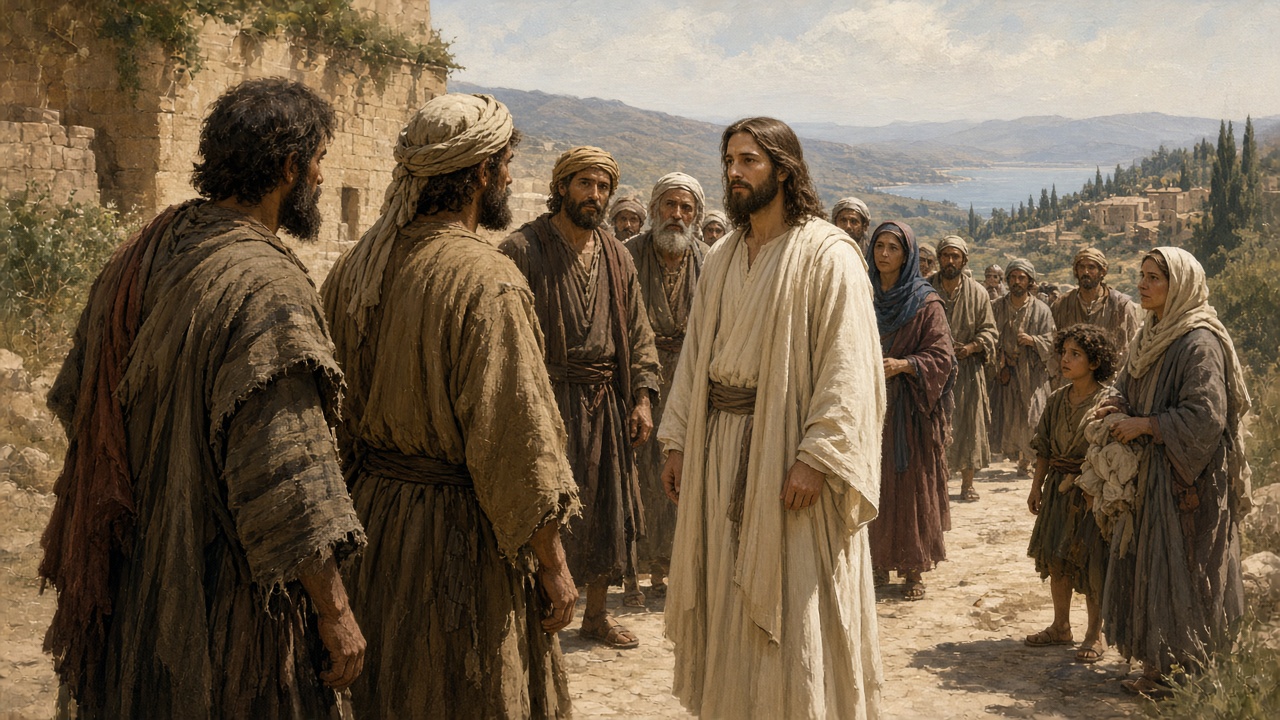
2وسْمَعْ يُوحَنَّا وهُوَّ فِي الحَبْسْ بِلِّي يَعْمِلْ فِيهْ المَسِيحْ، يَاخِي بْعَثْلُو جْمَاعَة مِنْ تْلَامِذْتُو، 3بَاشْ يِسْأْلُوهْ: «إِنْتِ هُوَّ الِّي نِسْتَنَّاوْ فِيهْ بَاشْ يْجِي، وَلَّا نِسْتَنَّاوْ وَاحِدْ آخِرْ؟» 4جَاوِبْهُمْ يَسُوعْ: «إِمْشِيوْ خَبْرُوا يُوحَنَّا بِلِّي تْشُوفُوا فِيهْ وتِسْمْعُوا فِيهْ، 5العِمْيَانْ يْشُوفُوا، والعَايْبِينْ يِمْشِيوْ، ولِّي عَنْدْهُمْ البْرَصْ يَطْهْرُوا، والطْرُشْ يِسْمْعُوا، والمُوتَى يْقُومُوا، والمْسَاكِنْ تُوصِلْهُمْ البْشَارَة. 6وصَحَّة لِيهْ الِّي مَا يْشُكِّشْ فِيَّا!».
7وَقْتِلِّي مْشَاوْ تْلَامِذْةْ يُوحَنَّا، بْدَا يَسُوعْ يَحْكِي لِلنَّاسْ عْلَى يُوحَنَّا وقَالْ: «وَقْتِلِّي خْرَجْتُوا لِلْخْلَاء، شْنُوَّة خْرَجْتُوا بَاشْ تْشُوفُوا؟ قَصْبَة يْحَرِّكْ فِيهَا الرِّيحْ؟ 8شْنُوَّة خْرَجْتُوا بَاشْ تْشُوفُوا؟ رَاجِلْ لَابِسْ لِبْسَة مِذْخْمَة؟ الِّي يِلْبْسُوا اللِّبْسَة المِذْخْمَة هُومَا فِي قْصُورْ المُلُوكْ! 9قُولُولِي مَالَا شْنُوَّة خْرَجْتُوا بَاشْ تْشُوفُوا؟ نَبِيْ؟ إِيْ نْعَمْ، وآنَا نْقُولِلْكُمْ إِنُّو أَعْظِمْ مِنْ نَبِيْ. 10هَاذَا هُوَّ الِّي تِكْتِبّْ عْلِيهْ فِي الكْتُبْ المُقَدْسَة:
"هَانِي بِشْ نِبْعَثْ قُدَّامِكْ رَسُولِي،
بَاشْ يْحَضِّرْلِكْ الطْرِيقْ".
11«نْقُلْكُمْ الحَقْ: فِي البَشَرْ الكُلْ، عُمْرُو مَا تُوجِدْ وَاحِدْ أَعْظَمْ مِنْ يُوحَنَّا الِّي يْعَمِّدْ. آمَا رَاهُو أَصْغِرْ وَاحِدْ فِي مَمْلِكْةْ السْمَاوَاتْ أَعْظَمْ مِنُّو. 12مِلِّي بْدَا يُوحَنَّا الِّي يْعَمِّدْ خِدْمْتُو لْتَوَّا والنَّاسْ يَسْعَاوْ بَاشْ يُدْخْلُوا مَمْلَكْةْ السْمَاوَاتْ، ولِّي قَاعْدِينْ يَسْعَاوْ يُدْخْلُوهَا بِالشْقَى. 13والأَنْبِيَاءْ الكُلْ والتَّوْرَاةْ تْنَبْؤُوا عْلِيهَا حَتَّى لِينْ جَاء يُوحَنَّا. 14وكَانْ تْحِبُّوا تْصَدْقُوا كْلَامْهُمْ، أَعْرْفُوا الِّي يُوَحَنَّا هُوَّ إِيلِيَّا الِّي تِسْتَنَّاوْ فِيهْ يْجِي. 15الِّي عَنْدُو وِذْنِينْ تِسْمَعْ، خَلِّيهْ يِسْمَعْ!
16«بِشْكُونْ نْشَبَّهْ الجِيلْ هَاذَا؟ هُومَا كِيفْ أَوْلَادْ قَاعْدِينْ فِي السُّوقْ يْعَيْطُوا لِصْحَابْهُمْ ويْقُولُوا:
17"ضْرَبْنَالْكُمْ الزُّكْرَة مَا شْطَحْتُوا،
نْدِبْنَالْكُمْ مَا نَوَّحْتُوا".
18«جَاء يُوحَنَّا لَا يَاكِلْ لَا يُشْرُبْ قُلْتُوا: "سَاكْنُو شِيطَانْ". 19جَاء إِبْنْ الإِنْسَانْ يَاكِلْ ويُشْرُبْ قُلْتُوا عْلِيهْ وَكَّالْ وسُوكَارْجِي وصَاحِبْ المَكَّاسَة والمُذْنْبِينْ. آمَا الحِكْمَة الحَقِيقِيَّة يِشْهْدُولْهَا أَفْعَالْهَا».
يَا وِيلْهُمْ المْدُنْ الِّي مَا تَابُوشْ
20وبْدَا يَسُوعْ يْلُومْ فِي المْدُنْ الِّي عْمَلْ فِيهَا أَكْثِرْ مُعْجْزَاتْ ونَاسْهَا مَا تَابُوشْ، 21وقَالْ: «يَا وِيلِكْ يَا كُورَزِينْ! يَا وِيلِكْ يَا بَيْتْ صَيْدَا! لَوْ كَانْ المُعْجْزَاتْ الِّي تْعَمْلِتْ فِي وِسْطْكُمْ تْعَمْلِتْ فِي صُورْ وصَيْدَا، رَاهُو نَاسْهُمْ تَابُوا ولِبْسُوا خْيِشْ وحَطُّوا الرْمَادْ عْلَى رْيُوسْهُمْ. 22آمَا آنَا نْقُلْكُمْ: فِي نْهَارْ الحْسَابْ، صُورْ وصَيْدَا بِشْ يْكُونْ حْسَابْهُمْ أَخَفْ مِنْكُمْ. 23وإِنْتِ يَا كَفْرْنَاحُومْ! تْحِبْ تِطْلَعْ لِلسْمَاء؟ لَا، رَاكْ بِشْ تَهْبِطْ لِلْهَاوِيَة. لَوْ كَانْ المُعْجْزَاتْ الِّي تْعَمْلِتْ فِيكْ تْعَمْلِتْ فِي مْدِينِةْ سَدُومْ، رَاهِي قَعْدِتْ مَوْجُودَة لِلْيُومْ. 24آمَا نْقُلْكُمْ: نْهَارْ الحْسَابْ حَالِةْ سَدُومْ بِشْ تْكُونْ أَهْوِنْ مِنْ حَالْتِكْ».
25تْكَلِّمْ يَسُوعْ فِي الوَقْتْ هَاذَاكَا وقَالْ: «نِحْمْدِكْ يَا بَابَا، يَا رَبْ السْمَاء والأَرْضْ، عْلَى خَاطْرِكْ خَبِّيتْ الأُمُورْ هَاذِي عَالحُكَمَاءْ والعُلَمَاءْ وكْشِفْتْهَا لِلصْغَارْ. 26إِيْ نْعَمْ، يَا بَابَا، هَكَّا إِنْتِ حَبِّيتْ.
إِيجَاوْنِي وآنَا نْرَتَّحْكُمْ
27«بَابَا عْطَانِي فِي يِدِّي كُلْ شَيْ. وحَتَّى وَاحِدْ مَا يَعْرِفْ الإِبْنْ كَانْ الآبْ، وحَتَّى وَاحِدْ مَا يَعْرِفْ الآبْ كَانْ الإِبْنْ وأَيْ وَاحِدْ حَبْ الإِبْنْ يْعَرْفُو بِيهْ. 28إِنْتُومَا يَا تَاعْبِينْ وحْمَالْكُمْ ثْقِيلَة، إِيجَاوْنِي وآنَا نْرَتَّحْكُمْ. 29حُطُّوا عْلِيكُمْ نِيرِي واتْعَلْمُوا مِنِّي خَاطِرْنِي سِيِّسْ وقَلْبِي مِتْوَاضَعْ، وتَوَّا تَلْقَاوْ الرَّاحَة لِرْوَاحْكُمْ، 30عْلَى خَاطِرْ نِيرِي سَاهِلْ وحِمْلِي خْفِيفْ».
Did you know?
John's question and the cities that did not repent
- From prison, John sent his disciples to ask whether Jesus was the one who was to come. Jesus told the crowds that John was more than a prophet—the messenger sent ahead to prepare the way—and, if they were willing to accept it, the Elijah who was to come. A Bible dictionary calls John the forerunner and says his mission was already the subject of prophecy, citing Isaiah 40:3 and Malachi 3:1; it also introduces Elijah as the Elias of the New Testament.Sources: the Bible text itself · John the Baptist · Elijah
- Jesus then denounced Chorazin, Bethsaida, and Capernaum, where most of his miracles had been performed, because they did not repent. A dictionary identifies Chorazin with modern Kerazeh, about two and a half miles up the Wady Kerazeh from Capernaum, and says that Capernaum, absent from the Old Testament, became Jesus' own city after he left Nazareth. It places Bethsaida on the east side of the lake, two miles up the Jordan in Gaulonitis, enlarged by Philip the tetrarch and named Julias after the emperor's daughter, though some have supposed there was only one Bethsaida, near where the Jordan enters the lake.Sources: the Bible text itself · Chorazin · Capernaum · Bethsaida
- He set those cities against Tyre and Sidon, which he said would have repented long ago in sackcloth and ashes, and against Sodom, which he said would have remained to this day. Sidon, on the Mediterranean coast about twenty-five miles north of Tyre, was the oldest Phoenician city there and the mother city of Tyre. A dictionary says the commerce of the whole world was gathered into Tyre's warehouses, and that Sodom, in the vale of Siddim, was destroyed by fire from heaven so completely that no trace of it has been found.Sources: the Bible text itself · Sidon · Tyre · Sodom
Notes written with AI assistance from open sources (Theographic Bible Metadata, CC BY-SA 4.0; Easton’s Bible Dictionary, public domain) and reviewed before publishing.
Places in this chapter
- Galilee · 32.760, 35.527 · verse 1
- Sidon · Today: Sandikli archaeological site in Sidon · 33.561, 35.372 · verses 21, 22
- Tyre · 33.271, 35.196 · verses 21, 22
Only places identified with high confidence are shown (90% or more according to the scholarly sources compiled by OpenBible). Period map: DARE (Digital Atlas of the Roman Empire), CC BY 4.0; modern map: © OpenStreetMap contributors; places: OpenBible.info (CC BY 4.0).
Credits and license for this translation
العهد الجديد بالدارجة التونسية 2022
Akeu: Jalliq aqsivq Gaolkheel daoq New Testament
copyright © 2015 Wycliffe Bible Translators, Inc.
Language: Gaolkheel (Arabic, Tunisian Spoken)
Contributor: Wycliffe Bible Translators, Inc.
Text copyright © United Bible Societies, 2011, 2018, 2022.
The Tunisian Arabic New Testament by United Bible Societies is licensed under a Creative Commons Attribution-NonCommercial-NoDerivatives 4.0 International License .
If you need permissions not granted by this license, contact United Bible Societies .
This translation is made available to you under the terms of the
Creative Commons Attribution-Noncommercial-No Derivatives license 4.0.
You may share and redistribute this Bible translation or extracts from it in any format, provided that:
You include the above copyright and source information.
You do not sell this work for a profit.
You do not change any of the words or punctuation of the Scriptures.
Pictures included with Scriptures and other documents on this site are licensed just for use with those Scriptures and documents.
For other uses, please contact the respective copyright owners.
2025-04-26
Source: http://ebible.org/aeu/ · eBible.org