1 Corinthians 10
العهد الجديد بالدارجة التونسية 2022 · Tap a verse to see its cross-references.
خُوذُوا العِبْرَة مِالمَاضِي
1نْحِبْكُمْ تِفْهْمُوا يَا خْوَاتِي شْنُوَّة الِّي صَارْ مْعَ جْدُودْنَا، الكُلْهُمْ كَانُوا تَحْتْ غِيمَة تْقُودْ فِيهُمْ، والكُلْهُمْ شَقُّوا البْحَرْ، 2كَايِنْهُمْ تْعَمْدُوا فِي البْحَرْ الأَحْمِرْ وفِي الغِيمَة، بَاشْ يْوَلِّيوْ أَتْبَاعْ لْمُوسَى. 3والكُلْهُمْ كْلَاوْ نَفْسْ المَاكْلَة الرُّوحِيَّة، 4والكُلْهُمْ شَرْبُوا مِنْ نَفْسْ المَاء الرُّوحِي، عْلَى خَاطِرْ شَرْبُوا مِنْ حَجْرَة رُوحِيَّة كَانِتْ مْعَاهُمْ، والحَجْرَة هَاذِي هِيَّ المَسِيحْ. 5ومْعَ هَاذَا، أَكْثَرِيِّتْهُمْ مَا رْضَاشْ عْلِيهُمْ اللَّهْ، هَاذَاكَا عْلَاشْ مَاتُوا فِي الصَّحْرَاء.
6وهَاذَاكَا الكُلْ صَارْ بَاشْ يْكُونْ عِبْرَة لِينَا، بَاشْ مَا نِشْتْهِيوِشْ نَعْمْلُوا الشَّرْ كِيفْهُمْ. 7ومَا تِعْبْدُوشْ الصْنَبْ كِيفْ مَا عَمْلُوا جْمَاعَة مِنْهُمْ، كِيمَا تِكْتِبْ عْلِيهُمْ: «قْعَدْ الشَّعْبْ بَاشْ يَاكِلْ ويُشْرِبْ، ومْبَعِّدْ قَامُوا بَاشْ يَلْعْبُوا». 8ومَا يِلْزِمْنَاشْ نِزْنَاوْ، كِيمَا زْنَاوْ جْمَاعَة مِنْهُمْ، يَاخِي مَاتُوا 23 000 وَاحِدْ فِي نَفْسْ النْهَارْ. 9ومَا يِلْزِمْنَاشْ نْجَرْبُوا المَسِيحْ كِيمَا عَمْلُوا جْمَاعَة مِنْهُمْ، يَاخِي قَتْلِتْهُمْ اللْفَعْ. 10ومَا تِتْشَكَّاوِشْ كِيفْ مَا تْشَكَّاوْ جْمَاعَة مِنْهُمْ، يَاخِي مَاتُوا عْلَى يِدْ مَلَاكْ المُوتْ. 11وصَارِلْهُمْ هَاذَا الكُلْ بَاشْ يْكُونْ عِبْرَة، وتْكْتِبْ بَاشْ يْنَبَّهْنَا أَحْنَا الِّي نْعِيشُوا فِي آخِرْ الزْمَانْ.
12ولِّي مَاشِي فِي بَالُو الِّي هُوَّ وَاقِفْ، يْرُدْ بَالُو بَاشْ مَا يْطِيحِشْ. 13المِحْنَة الِّي جَاتْكُمْ تْنَجِّمْ تْجِي لْأَيْ بَشَرْ، آمَا اللَّهْ أَمِينْ ومَا يْخَلِّيكُمْشْ تِتْعَدَّاوْ بْمِحْنَة فُوقْ مِنْ طَاقِتْكُمْ، آمَا وَقْتِلِّي اطِّيحُوا فِي مِحْنَة، يَعْطِيكُمْ مْعَاهَا كِيفَاشْ تُخْرْجُوا مِنْهَا، بَاشْ تْنَجْمُوا تِتْحَمْلُوهَا.
أُهْرْبُوا مِنْ عْبَادِةْ الصْنَبْ
14هَاذَاكَا عْلَاشْ يَا حْبَابِي، أُهْرْبُوا مِنْ عْبَادِةْ الصْنَبْ. 15آنَا نْكَلَّمْ فِيكُمْ كِيمَا نَاسْ فَاهْمِينْ، مَالَا أُحْكْمُوا إِنْتُومَا عَلِّي نْقُولْ فِيهْ: 16مُشْ كَاسْ البَرْكَة الِّي نُشْكْرُوا عْلِيهْ اللَّهْ ونُشْرْبُوا مِنُّو يْوَرِّي الِّي أَحْنَا وَاحِدْ مْعَ المَسِيحْ عْلَى طْرِيقْ دَمُّو؟ ومُشْ الخُبْزْ الِّي نَقْسْمُوهْ ونَاكْلُوهْ، يْوَرِّي الِّي أَحْنَا وَاحِدْ مْعَاهْ عْلَى طْرِيقْ بَدْنُو؟ 17ومَادَامْ فَمَّة خُبْزْ وَاحِدْ، أَحْنَا الكُلْ نْكَوْنُوا بْدَنْ وَاحِدْ رَغْمِلِّي أَحْنَا بَرْشَة، عْلَى خَاطِرْنَا الكُلْنَا نِتْشَارْكُوا فِي الخُبْزْ هَاذَا.
18شُوفُوا بَنِي إِسْرَائِيلْ: مُشْ الِّي يَاكْلُوا مِالذْبَايَحْ هُومَا مِتْشَارْكِينْ فِي تَقْدِيمْهَا عَالمَذْبَحْ؟ 19شْنُوَّة قَصْدِي مَالَا؟ يَاخِي الصَّنْبَة عَنْدْهَا قِيمَة؟ وَلَّا الذْبِيحَة الِّي يَذْبْحُوهَالْهَا عَنْدْهَا قِيمَة؟ 20بِالطْبِيعَة لَا! آمَا الِّي يِعْبْدُوا الصْنَبْ يَذْبْحُوا لِلشْوَاطِنْ، مُشْ لِلَّهْ. وآنَا مَا نْحِبْكُمْشْ تْكُونُوا مِتْشَارْكِينْ مْعَ الشْوَاطِنْ. 21مَا تْنَجْمُوشْ تُشْرْبُوا مِنْ كَاسْ الرَّبْ ومِنْ كَاسْ الشْوَاطِنْ، ومَا تْنَجْمُوشْ تَاكْلُوا مِنْ طَاوِلْةْ الرَّبْ وطَاوِلْةْ الشْوَاطِنْ. 22كَانْ نَعْمْلُوا هَاذَا، نِسْتْفَزُّوا الرَّبْ. وَلَّا بَالِكْ أَحْنَا أَقْوَى مِنُّو؟
أَعْمْلُوا كُلْ شَيْ لْمَجْدْ اللَّهْ
23«كُلْ شَيْ حْلَالْ»، آمَا مُشْ كُلْ شَيْ يَنْفَعْ. «كُلْ شَيْ حْلَالْ»، آمَا مُشْ كُلْ شَيْ يِبْنِي. 24مَا يِلْزِمْ حَتَّى وَاحِدْ يْلَوِّجْ عْلَى مَصْلَحْتُو، آمَا يْلَوِّجْ عْلَى مَصْلَحْةْ غِيرُو. 25كُولُوا مِاللْحَمْ الِّي يِتْبَاعْ فِي السُّوقْ ومَا تُقْعْدُوشْ تِسْأْلُوا عْلَى أَصْلُو مْنِينْ. كُولُوا وضَمِيرْكُمْ مِرْتَاحْ. 26عْلَى خَاطِرْ مَكْتُوبْ: «الأَرْضْ ولِّي فِيهَا الكُلْ مِلْكْ لِلرَّبْ». 27وإِذَا اسْتَدْعَاكُمْ وَاحِدْ مُشْ مُؤْمِنْ ومْشِيتُوا بَحْذَاهْ، كُولُوا أَيْ حَاجَة يْحُطْهَالْكُمْ مِنْ غِيرْ مَا تِسْأْلُوا بَاشْ تْرَضِّيوْ ضَمِيرْكُمْ. 28آمَا إِذَا كَانْ قَالِلْكُمْ وَاحِدْ: «الذْبِيحَة هَاذِي رَاهِي لِلصْنَبْ»، مَا تَاكْلُوشْ مِنْهَا، بَاشْ تْرَاعِيوْ الِّي قَالِلْكُمْ، وعْلَى خَاطِرْ رَاحِةْ الضَّمِيرْ، 29ومَا نُقْصُدْشْ ضَمِيرْكُمْ إِنْتُومَا، آمَا ضَمِيرْ غِيرْكُمْ. عْلَى خَاطِرْ، عْلَاشْ ضَمِيرْ غِيرِي يُحْكُمْ فِي حُرِّيْتِي؟ 30وإِذَا كْلِيتْ مَاكْلَة وشْكَرْتْ عْلِيهَا اللَّهْ، عْلَاشْ يْلُومُونِي عْلَى حَاجَة آنَا شْكَرْتْ عْلِيهَا اللَّهْ؟ 31هَاذَاكَا عْلَاشْ، كَانْ كْلِيتُوا وَلَّا شْرَبْتُوا، وَلَّا عْمَلْتُوا أَيْ حَاجَة، أَعْمْلُوا كُلْ شَيْ لْمَجْدْ اللَّهْ. 32مَا تْكُونُوشْ إِنْتُومَا سْبَبْ عَثْرَة لِلْيْهُودْ ولَا لِلْمُشْ يْهُودْ ولَا لِكْنِيسِةْ اللَّهْ، 33كِيمَا نَعْمِلْ آنَا زَادَا، نْحَاوِلْ بَاشْ نْرَضِّي النَّاسْ الكُلْ فِي أَيْ حَاجَة نَعْمِلْهَا، ومَا نْلَوَّجْشْ عْلَى مَصْلَحْتِي، آمَا نْلَوِّجْ عْلَى مَصْلَحْةْ أَكْثِرْ مَا يُمْكِنْ مِالنَّاسْ، فَمَّاشْ مَا يِنْجَاوْ.
Did you know?
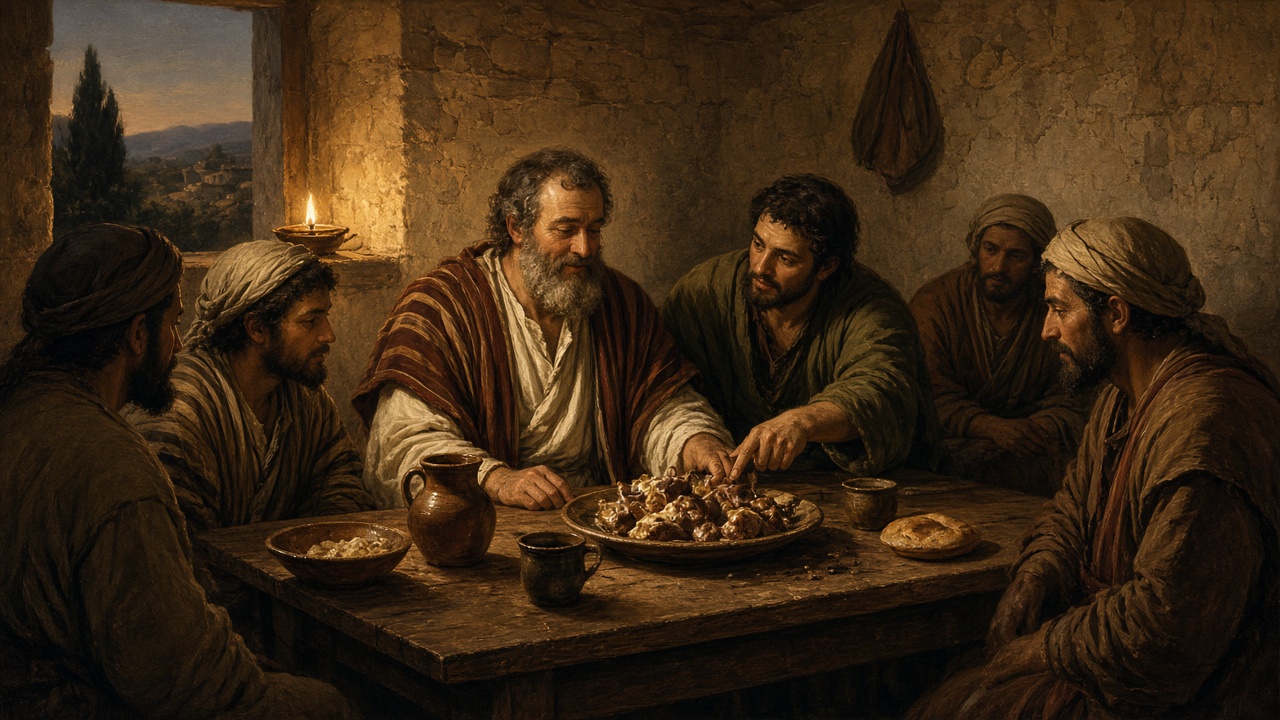
Wilderness Warnings and the Lord's Table
- Paul says he does not want the Corinthians unaware that the forefathers were all under the cloud and all passed through the sea, and that they were baptized into Moses in the cloud and in the sea. They all ate the same spiritual food and drank the same spiritual drink from the spiritual rock that accompanied them, and he says that rock was Christ.Sources: the Bible text itself
- Paul says God was not pleased with most of them, for they were struck down in the wilderness. He lists idolatry, sexual immorality in which twenty-three thousand died in one day, testing Christ, which brought death by snakes, and complaining, punished by the destroying angel, and calls these events examples written down as warnings.Sources: the Bible text itself
- He calls the cup of blessing and the bread that is broken a participation in the blood and body of Christ, and says pagan sacrifices are offered to demons, not to God, so the two tables cannot be shared. Food sold in the meat market may be eaten without raising questions of conscience, for "The earth is the Lord's, and the fullness thereof," but if someone says it was offered to idols, it should be refused for that person's conscience.Sources: the Bible text itself
Notes written with AI assistance from open sources (Theographic Bible Metadata, CC BY-SA 4.0; Easton’s Bible Dictionary, public domain) and reviewed before publishing.
Credits and license for this translation
العهد الجديد بالدارجة التونسية 2022
Akeu: Jalliq aqsivq Gaolkheel daoq New Testament
copyright © 2015 Wycliffe Bible Translators, Inc.
Language: Gaolkheel (Arabic, Tunisian Spoken)
Contributor: Wycliffe Bible Translators, Inc.
Text copyright © United Bible Societies, 2011, 2018, 2022.
The Tunisian Arabic New Testament by United Bible Societies is licensed under a Creative Commons Attribution-NonCommercial-NoDerivatives 4.0 International License .
If you need permissions not granted by this license, contact United Bible Societies .
This translation is made available to you under the terms of the
Creative Commons Attribution-Noncommercial-No Derivatives license 4.0.
You may share and redistribute this Bible translation or extracts from it in any format, provided that:
You include the above copyright and source information.
You do not sell this work for a profit.
You do not change any of the words or punctuation of the Scriptures.
Pictures included with Scriptures and other documents on this site are licensed just for use with those Scriptures and documents.
For other uses, please contact the respective copyright owners.
2025-04-26
Source: http://ebible.org/aeu/ · eBible.org