1 Timothy 2
Ri utzilaj tzij re ri kanimajawal Jesucristo · Tap a verse to see its cross-references.
Pixabanic chwi ri oración
1Cantzꞌonoj cꞌu chawe chabiꞌij waꞌ che rutinamit ri Dios: Lic chirajawaxic wi cakaꞌan orar chwach ri Dios. Echiriꞌ cojchꞌaꞌt rucꞌ, e chojelaj chwach Rire paquiwi conoje ri ticawex chaꞌ cuya chique ri lic cajawax che ri quibinic quisilabic, yey katioxij ronoje che. 2Kaꞌana orar paquiwi tak ri e takanelab y paquiwi conoje tak ri e aj wach che ruwachulew chaꞌ jelaꞌ utz coj-jekiꞌ chi utzil chomal y cojbin jusucꞌ rucꞌ jun sakil binic silabic chwach ri Dios. 3Lic cꞌu kaꞌana orar ma waꞌ e lic utz y e cucꞌul ucꞌuꞌx ri Dios Kacolobenel, 4ma ri caraj Rire e quecolobetaj conoje ri ticawex y caquetaꞌmaj chi utz ri Kꞌijsak. 5Ma xa jun ri Dios cꞌolic yey xa jun ri cꞌo pukꞌab cachꞌaw pakawiꞌ chwach ri Dios; waꞌ e ri Kanimajawal Jesucristo, Ralaxel Chiquixoꞌl Ticawex. 6Rire xuya rib pa camic kuma riꞌoj oj ticawex chaꞌ cutoj ri kamac y cojresaj pukꞌab Ritzel; yey waꞌ xkꞌalajisax pa rukꞌijol uchꞌobom chi lo ri Dios. 7E ruma waꞌ, riꞌin in chaꞌtal lo ruma ri Dios re cantzijoj ri Utzilaj Tzij y quinuꞌan cꞌu in takoꞌn yey in cꞌutunel chiquiwach ri na e ta aj Israel chaꞌ jelaꞌ cacubiꞌ quicꞌuꞌx rique rucꞌ ri Cristo y caquicoj ri Kꞌijsak. Lic katzij wa cambiꞌij che alak, ma in re ri Cristo y na canꞌan ta rakꞌubal.
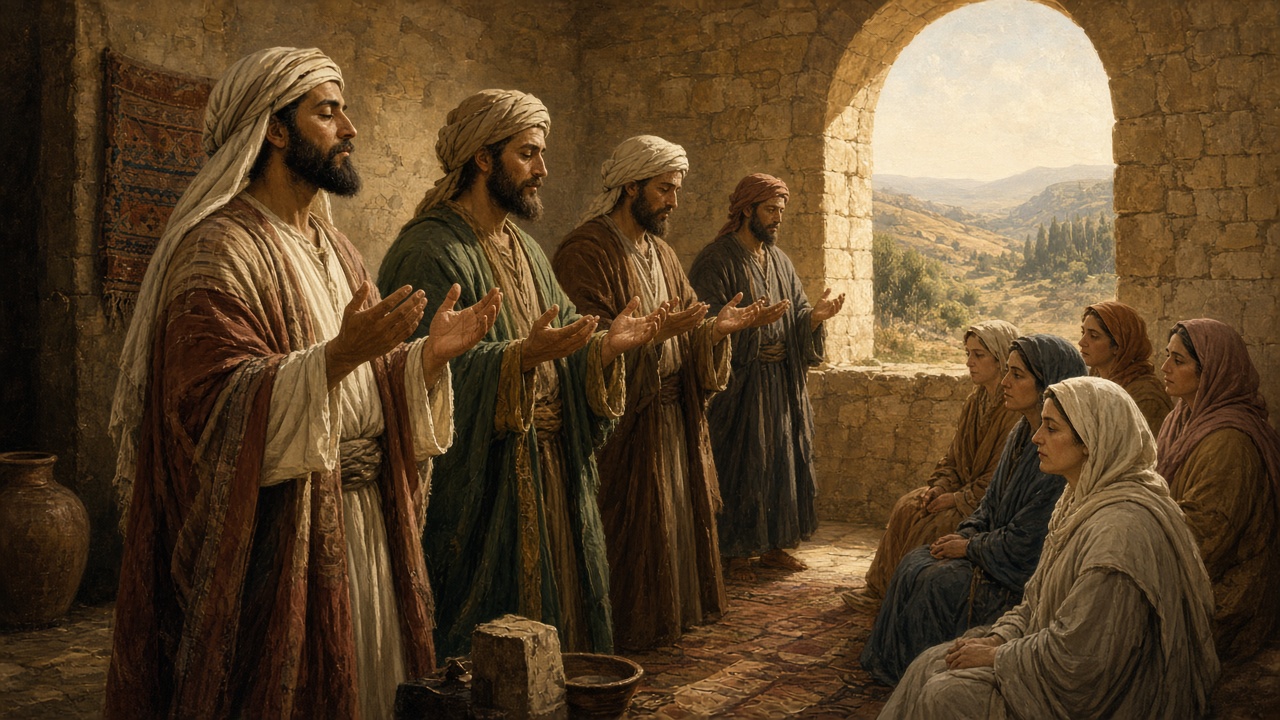
8Ri cuaj riꞌin e conoje tak rachijab, tob pa e cꞌo wi, xaki quiꞌana orar chwach ri Dios. Yey echiriꞌ caquiyac cꞌu ri quikꞌab re caquiꞌan orar, ri lic chirajawaxic wi e jusucꞌ ri quibinic quisilabic, na jinta oyowal pa canimaꞌ y na quechꞌoꞌjin ta chiquiwach.
Pixabanic chwi ri sakil quibinic rixokib
9Ri nupixabanic chique tak rixokib e quiwika quib chi usucꞌliquil. Maquicꞌut cꞌu ri quicuerpo yey maquiwik quib xa re yacbal quikꞌij. Ma ¿saꞌ ri cuꞌan chom che rixok? ¿E nawi ri wikital rucꞌ oro y rucꞌ perlas? ¿E nawi uchomalil laꞌ ri quiwikibal? Na e taj, 10ma ri quichomalil e ri chomilaj chac caquiꞌan chwach ri Dios, jelaꞌ pachaꞌ ri takal chique rixokib caquilokꞌnimaj ukꞌij Rire.
11Echiriꞌ cacꞌut Rutzij Upixab ri Dios chiquiwach rixokib, lic chirajawaxic rique xew caquito y maquicꞌul uwach. 12Riꞌin na canya ta luwar chique rixokib quebuꞌan e aj cꞌutunel chiquiwach rachijab o quetakan paquiwiꞌ; ma ri lic ube e xa caquito. 13Ma ri Dios nabe e xuꞌan ri Adán, tecꞌuchiriꞌ xuꞌan ri Eva. 14Yey na e ta ri Adán ri xsocotaj nabe ruma ritzel, e ri Eva; y echiriꞌ xsocotajic, e xupalajij rutzij ri Dios. 15Na rucꞌ ta cꞌu riꞌ, ri Dios quebucolobej rixokib y cuya calcꞌoꞌal chaꞌ quequiqꞌuiyisaj. Quecolobetaj cꞌu riꞌ we quetiquiꞌ chi utz rucꞌ ri cubulibal quicꞌuꞌx, ri rutzil quicꞌuꞌx y ri santowilaj quibinic.
Did you know?
Prayer, modest worship, and Adam and Eve
- This chapter urges that petitions, prayers, intercessions, and thanksgiving be offered for everyone, including kings and all those in authority, so that believers may lead tranquil and quiet lives in all godliness and dignity. It also says there is one God and one mediator between God and men, the man Christ Jesus, who gave himself as a ransom for all.Sources: the Bible text itself
- When the letter says that Adam was formed first, and then Eve, it appeals to the first man of Genesis. Easton's Bible Dictionary (1897) explains that Adam is a Babylonian word meaning 'red,' the generic name for man, with the same meaning in Hebrew and Assyrian, and that he was formed from the dust of the earth.Sources: the Bible text itself · Adam
- The letter says it was not Adam who was deceived, but the woman, who was deceived and fell into transgression. Easton's Bible Dictionary (1897) says Eve means 'life' or 'living,' the name Adam gave his wife, and that the account of her creation is given in Genesis 2:21-22.Sources: the Bible text itself · Eve
Notes written with AI assistance from open sources (Theographic Bible Metadata, CC BY-SA 4.0; Easton’s Bible Dictionary, public domain) and reviewed before publishing.
Credits and license for this translation
Ri utzilaj tzij re ri kanimajawal Jesucristo
New Testament in Achi Rabinal; acr (GT:acrT:Achi)
copyright © 2009 Wycliffe Bible Translators, Inc.
Language: Achi
Dialect: Rabinal
Translation by: Wycliffe Bible Translators, Inc.
Copyright Information
© 2009, Wycliffe Bible Translators, Inc. All rights reserved.
This translation text is made available to you under the
terms of the Creative Commons License: Attribution-Noncommercial-No Derivative Works.
( http://creativecommons.org/licenses/by-nc-nd/3.0/ )
In addition, you have permission to port the text to different file formats, as long as you
do not change any of the text or punctuation of the Bible.
You may share, copy, distribute, transmit, and extract portions
or quotations from this work, provided that you include the above copyright
information:
You must give Attribution to the work.
You do not sell this work for a profit.
You do not make any derivative works that change any of the actual words or punctuation of the Scriptures.
Permissions beyond the scope of this license may be
available if you contact
us with your request.
The New Testament
in Achi
© 2009, Wycliffe Bible Translators, Inc. All rights reserved.
This translation is made available to you under the terms of the
Creative Commons Attribution-No Derivatives license 4.0.
You may share and redistribute this Bible translation or extracts from it in any format, provided that:
You include the above copyright and source information.
You do not make any derivative works that change any of the actual words or punctuation of the Scriptures.
Pictures included with Scriptures and other documents on this site are licensed just for use with those Scriptures and documents.
For other uses, please contact the respective copyright owners.
2014-04-21
Source: http://ebible.org/acrTNT/ · eBible.org