1 Corinthians 7
Ri utzilaj tzij re ri kanimajawal Jesucristo · Tap a verse to see its cross-references.
Pixabanic puwi ri cꞌulaniquil
1Ecꞌu woꞌora cancꞌul pana uwach tak ri tzꞌonobal xꞌan lo alak chwi ri cꞌulaniquil pa ri carta xtak lo alak chwe. We juna achi cacꞌojiꞌ utuquel y na jinta ixok rucꞌ, utz ri cuꞌano. 2Pero ruma cꞌu ri tzakibal pa mac re rurayibal ri cuerpo, más utz cꞌu riꞌ we rachi cꞌo rixokil y rixok cꞌo rachijil. 3Chirajawaxic cꞌut e rachi chuꞌana janipa ri takal che cuꞌan rucꞌ ri rixokil ruma e cꞌulanic; jecꞌulaꞌ rixok chuꞌana janipa ri takal che cuꞌan rucꞌ ri rachijil. 4Rixok na e ta rajaw rucuerpo ma rucuerpo pukꞌab ri rachijil cꞌo wi; jecꞌulaꞌ rachi na e ta rajaw rucuerpo ma waꞌ pukꞌab ri rixokil cꞌo wi. 5Maxuꞌyaj cꞌu ib alak riꞌ chiwach alak rucꞌ ri rayibal alak, xew we chꞌaꞌtibem chi alak chaꞌ na cajunimaj ta ib alak queb oxib kꞌij ruma caya ib alak pa oración. Ecꞌuchiriꞌ caqꞌuis rukꞌijol ri oración, junimaj tanchi ib alak. Ma we lic naj na cajunimaj ta ib alak, laj cacꞌam pa alak ruma ri Satanás y na cachꞌij ta cꞌu alak uchukꞌab. 6Cambiꞌij cꞌu waꞌ xa pachaꞌ nupixabanic riꞌin che alak; na e ta jun takanic. 7Ecꞌu ri canchꞌob rakan riꞌin e lic utz riꞌ we ta conoje rachijab quecꞌojiꞌic jelaꞌ pachaꞌ nuꞌanom riꞌin. Na rucꞌ ta cꞌu riꞌ, pukꞌab ri Dios cꞌo wi saꞌ rusipanic cuya chiquijujunal. Ma chique jujun uyaꞌom cachbiꞌil, yey chique jujun chic uyaꞌom quecꞌojiꞌ quituquel.
8Cuaj cambiꞌij chique ri achijab na e ta cꞌulanic y rixokib e malcaꞌnib, e lic utz we rique quecanajic e laꞌ quituquel pachaꞌ ri nuꞌanom riꞌin. 9Noꞌj we rique na caquichꞌij taj e cꞌo quituquel, más utz we quecꞌuliꞌic, ma na utz taj we e caquiya quinaꞌoj puwi ri quirayibal y jecꞌulaꞌ caquiqꞌuis quib.
10Chique cꞌu ri e cꞌulanic, cambiꞌij waꞌ: Na utz taj we rixok cujach can ri rachijil. Y wa jun takanic na xa ta nuchꞌaꞌtem riꞌin, waꞌ re ri Kanimajawal. 11Pero we rixok cujach can ri rachijil, na utz taj we cacꞌuliꞌ rucꞌ jun chic. Ri chuꞌanaꞌ e canaja na can utuquel o tzeleja tanchi rucꞌ ri rachijil y cꞌola chi utzil chomal. Yey jelaꞌ rachi, e mujach can ri rixokil.
12Chique ri nicꞌaj chic cambiꞌij, tob waꞌ xa in quimbiꞌn re, na e ta utakanic ri Kanimajawal: We juna hermano cꞌo rixokil na ucojom ta rubiꞌ ri Cristo, yey waꞌ wiꞌxok caraj cacꞌojiꞌ rucꞌ, na utz ta cꞌu riꞌ we ri hermano cujach canok. 13Yey jelaꞌ rucꞌ ri hermana cꞌo rachijil na ucojom ta rubiꞌ ri Cristo, we waꞌ waꞌchi caraj cacꞌojiꞌ rucꞌ, na utz ta cꞌu riꞌ we ri hermana cujach canok. 14Ma we e laꞌ juna ixok ucojom rubiꞌ ri Cristo yey ecꞌu ri rachijil cꞌamajaꞌ cucojo, rukꞌab ri Dios cacꞌojiꞌ puwi waꞌchi ruma ri rixokil. Ma we na e ta uꞌanom riꞌ, rukꞌab ri Dios na cacꞌojiꞌ ta paquiwi ri ralcꞌoꞌal. Pero na e ta uꞌanom, ma rukꞌab ri Dios cꞌo paquiwiꞌ.
15Yey we e laꞌ juna achi o juna ixok na ucojom ta rubiꞌ ri Cristo y caraj cujach can ri rachbiꞌil ucojom rubiꞌ ri Cristo, quijacha na cꞌu quib. Ma che ri ucojom rubiꞌ ri Cristo, na mac taj we na e ta rire xtzucun ri jachanic. Ma ri Dios ojusiqꞌuim re cojcꞌojiꞌ chi utzil chomal. 16Cꞌola cꞌu utzil chomal riꞌ chixoꞌlibal alak, ma cꞌaxtaj uma rilal hermana, cacolobetaj ri achijil la; o cꞌaxtaj uma rilal hermano, cacolobetaj ri ixokil la.
17E chirij tak cꞌu ri quiꞌanom echiriꞌ xesiqꞌuix ruma ri Kanimajawal, chiquijujunal utz checanajok jelaꞌ pachaꞌ ri ebuyaꞌom wi ri Dios. Y waꞌ wa nubiꞌim che ralak, e takanic canꞌan chique conoje ri caquimol quib pubiꞌ ri Cristo. 18We cꞌo cꞌu juna achi cꞌo chi ri retalil re circuncisión che echiriꞌ xsiqꞌuix ruma ri Kanimajawal, utz jelaꞌ cacanaj canok. O we cꞌo juna achi na jinta ri retalil re circuncisión che echiriꞌ xsiqꞌuix ruma ri Kanimajawal, na chirajawaxic taj cacoj che. 19Ma ri chirajawaxic wi na e ta we jun ucojom ri retalil re circuncisión o we na ucojom taj, ma ri lic chirajawaxic wi che jun e cuꞌan ronoje rutakanic ri Dios.
20Ecꞌu chirij ri cꞌo wi jun echiriꞌ xsiqꞌuix ruma ri Dios, utz we jelaꞌ cacanaj canok. 21We lal cꞌo la pukꞌab ri ajaw la echiriꞌ xsiqꞌuix la ruma ri Dios, mubisoj cꞌuꞌx la; yey we cayaꞌtaj che la quel la pukꞌab ri ajaw la, lic utz riꞌ. 22Ma e junok cꞌo pukꞌab rajaw echiriꞌ xsiqꞌuix ruma ri Kanimajawal, riꞌ quesax lo pukꞌab ritzel ruma ri Kanimajawal. Yey e junok na jinta pukꞌab rajaw echiriꞌ xsiqꞌuix ruma ri Dios, woꞌora pukꞌab ri Cristo cꞌo wi. 23Ecꞌu ralak alak re ri Dios, ma Rire ulokꞌom chi alak rucꞌ rucamic ri Cristo. E uwariꞌche, maya ib alak paquikꞌab ri ticawex xa ruma e lic catakej alak ri quinaꞌoj. 24Hermanos, ecꞌu chirij ri cꞌo wi jun echiriꞌ xsiqꞌuix ruma ri Dios, lic utz we jelaꞌ cacanaj can chwach ri Dios.
25Chique cꞌu ri na e ta cꞌulanic, na jinta takanic uyaꞌom ri Kanimajawal chwe puwi waꞌ, pero canya cꞌu ri nupixabanic riꞌin chwi waꞌ. Y canchꞌob cꞌut utz cacubiꞌ cꞌuꞌx alak wucꞌ puwi ri cambiꞌij, ma yaꞌtal chwe riꞌin rutoꞌbal ri Kanimajawal. 26Chinuwach riꞌin, ruma ri cꞌaxcꞌobic oj cꞌo wi woꞌora, e utz we junok cacanaj canok jelaꞌ pachaꞌ ri uꞌanom. 27Pero we cꞌo chi awixokil, majach canok. Noꞌj we na jinta awixokil, muꞌan e ubis acꞌuꞌx catzucuj awixokil. 28Pero we catcꞌuliꞌic, utz; ma na mac taj we jun cacꞌuliꞌic. Jenelaꞌ juna ali we cacꞌuliꞌic, na mac taj. Pero e ri quecꞌuliꞌic cape ucꞌayewal che ri quicꞌaslem. Ecꞌu wa yaꞌl cꞌayew na cuaj ta che alak.
29Hermanos, ri cuaj cꞌut cambiꞌij che alak e waꞌ: E tak ri kꞌij cꞌo chikawach na naj ta chic. E uwariꞌche e rachi cꞌo rixokil, muꞌan ri xew lic e cꞌo unaꞌoj puwi ri rixokil. 30Jecꞌulaꞌ janipa ri quebokꞌic, maquiya quib xew che ri quibis. Janipa ri quequiꞌcotic, maquiya quib che ri quiꞌcotemal. Janipa ri caquiꞌan lokꞌoj, meꞌec quicꞌuꞌx rucꞌ rubitak que. 31Yey janipa ri caquiꞌcot quicꞌuꞌx rucꞌ tak ri cꞌo che ruwachulew, meꞌec quicꞌuꞌx puwi waꞌ. Ma ronoje ri quilitaj che ruwachulew, xa quicꞌowic.
32Ri cuaj riꞌin che alak e ri na jinta ubis cꞌuꞌx alak. Ri hermano na cꞌulan taj, ruma na jinta yaꞌl cꞌayew che, pukꞌab cꞌowi lic cuya rib che ri chac re ri Kanimajawal y cutakej janipa ri caraj Rire. 33Noꞌj ri hermano cꞌulanic e cutakej suꞌanic quebuchajij rufamilia wara che ruwachulew y cutakej saꞌ ri caraj ri rixokil. 34Jecꞌulaꞌ na xa ta jun uwach ruchac, ma cuꞌan ri cajawax pa ruchac ri Dios y cuꞌan ri cajawax chique rufamilia. Y jenelaꞌ cucꞌ ri hermanas. Ma ri hermana na jinta rachijil, na jinta yaꞌl cꞌayew che lic cutakej saꞌ ri caraj ri Kanimajawal, ma utz cꞌu riꞌ cuya rib pukꞌab ri Dios rucꞌ rucuerpo y ronoje ranimaꞌ. Noꞌj ri hermana cꞌulanic e cutakej suꞌanic quebuchajij rufamilia wara che ruwachulew y cutakej saꞌ ri caraj ri rachijil. 35Ecꞌu waꞌ wa ximbiꞌij che alak re toꞌbal e alak, na re ta cancoj kꞌatbal chiwach alak; ma e chaꞌ cacꞌojiꞌ alak pa sakil wi y jecꞌulaꞌ na jinta yaꞌl cꞌayew re caya ib alak che ruchac ri Kanimajawal.
36Laj cꞌo junok cꞌo umiꞌal na jinta rachijil y cuchꞌob cꞌu rakan: «Laj na usucꞌ taj we na canya ta luwar che ri numiꞌal cacꞌuliꞌic, ma cꞌo chi rujunab.» We rachi cuchꞌob cꞌu rakan takal che rumiꞌal cacꞌuliꞌic, e chuꞌana riꞌ, ma na mac taj. 37Noꞌj we cꞌo juna achi lic cunaꞌ chucꞌuꞌx utz cacꞌojiꞌ rumiꞌal utuquel, pukꞌab rire cꞌo wi we cucꞌulubaꞌ rumiꞌal o na cucꞌulubaꞌ taj. Utz we na cucꞌulubaꞌ taj, pero xew we lic ujiquibam uwach ri cuꞌano y na jinta junok xminow uwach chupa. 38E junok cucꞌulubaꞌ rumiꞌal, utz ri cuꞌano; yey ri na cucꞌulubaꞌ taj, más ne utz ri cuꞌano.
39Juna ixok cꞌulanic na jinta pukꞌab cacꞌuliꞌ rucꞌ jun chic we cꞌa cꞌas ri rachijil. Noꞌj we ri rachijil xcamic, pukꞌab cꞌo wi cacꞌuliꞌ china rucꞌ caraj wi rire, xew tane we rucꞌ junok uyaꞌom rib pukꞌab ri Kanimajawal. 40Pero cꞌu chinuwach riꞌin e más cꞌo quiꞌcotemal che rixok malcaꞌn we na cacꞌuliꞌ ta tanchic, yey riꞌin canchꞌobo wa cambiꞌij e ruma ri Ruxlabixel ri Dios cꞌo wucꞌ.
Did you know?
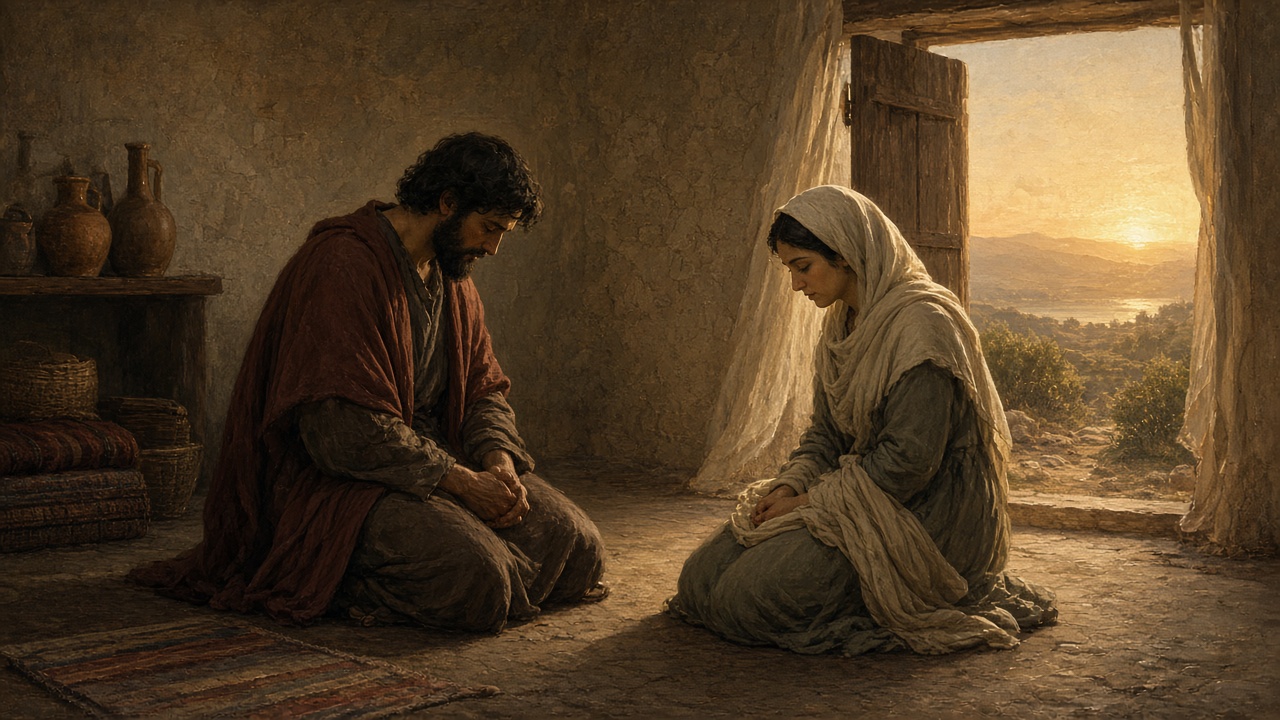
Counsel on marriage and the present crisis
- The chapter opens as a reply to matters the readers had written about. The writer says it is good to abstain from sexual relations, yet, because there is so much sexual immorality, each man should have his own wife and each woman her own husband. He presents this as a concession, not as a command, and says that each person has their own gift from God.Sources: the Bible text itself
- In marriage, the writer says the wife does not have authority over her own body, but the husband does, and likewise the husband does not have authority over his own body, but the wife does. They should not deprive each other except by mutual consent and for a time, so they may devote themselves to prayer, and then come together again, so that Satan will not tempt them through lack of self-control. Easton's Bible Dictionary (1897) presents the name Satan as “adversary” or “accuser,” and notes that he tempted Jesus in the wilderness.Sources: the Bible text itself · Satan
- The writer distinguishes a command he attributes to the Lord—a wife must not separate from her husband, and a husband must not divorce his wife—from his own judgment where he says he, not the Lord, is speaking, including marriages with an unbeliever and questions about virgins. Because of what he calls the present crisis, and because he says the time is short and this world in its present form is passing away, he thinks it good to remain as one is. He adds that to marry is not to sin, though those who marry will face troubles in this life.Sources: the Bible text itself
Notes written with AI assistance from open sources (Theographic Bible Metadata, CC BY-SA 4.0; Easton’s Bible Dictionary, public domain) and reviewed before publishing.
Credits and license for this translation
Ri utzilaj tzij re ri kanimajawal Jesucristo
New Testament in Achi Rabinal; acr (GT:acrT:Achi)
copyright © 2009 Wycliffe Bible Translators, Inc.
Language: Achi
Dialect: Rabinal
Translation by: Wycliffe Bible Translators, Inc.
Copyright Information
© 2009, Wycliffe Bible Translators, Inc. All rights reserved.
This translation text is made available to you under the
terms of the Creative Commons License: Attribution-Noncommercial-No Derivative Works.
( http://creativecommons.org/licenses/by-nc-nd/3.0/ )
In addition, you have permission to port the text to different file formats, as long as you
do not change any of the text or punctuation of the Bible.
You may share, copy, distribute, transmit, and extract portions
or quotations from this work, provided that you include the above copyright
information:
You must give Attribution to the work.
You do not sell this work for a profit.
You do not make any derivative works that change any of the actual words or punctuation of the Scriptures.
Permissions beyond the scope of this license may be
available if you contact
us with your request.
The New Testament
in Achi
© 2009, Wycliffe Bible Translators, Inc. All rights reserved.
This translation is made available to you under the terms of the
Creative Commons Attribution-No Derivatives license 4.0.
You may share and redistribute this Bible translation or extracts from it in any format, provided that:
You include the above copyright and source information.
You do not make any derivative works that change any of the actual words or punctuation of the Scriptures.
Pictures included with Scriptures and other documents on this site are licensed just for use with those Scriptures and documents.
For other uses, please contact the respective copyright owners.
2014-04-21
Source: http://ebible.org/acrTNT/ · eBible.org