John 17
Ri utzilaj tzij re ri kanimajawal Jesucristo · Tap a verse to see its cross-references.
Ri Jesús kuꞌan orar pakiwi rutijoꞌn
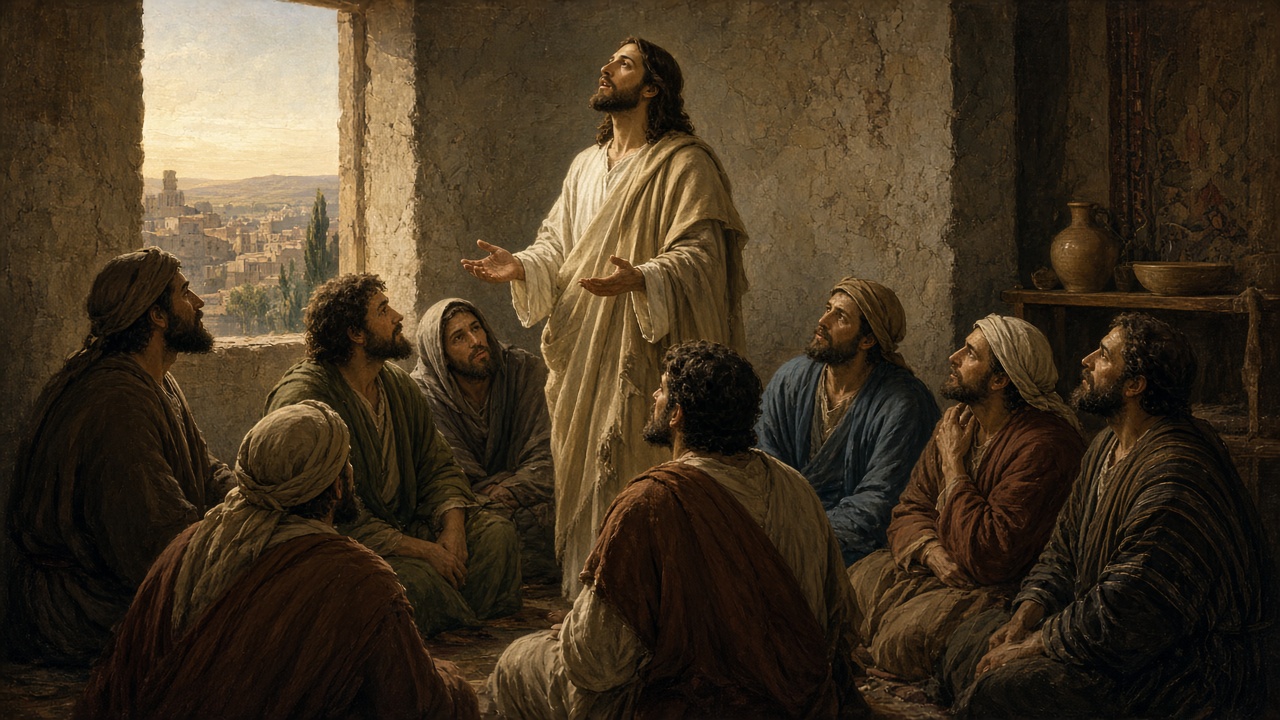
1Echiriꞌ ubꞌiꞌim chi waꞌ, ri Jesús xtzuꞌn chikaj y xubꞌiꞌij:
«Nuqaw, xopon ru orayil; yaka kꞌu la uqꞌij ri Kꞌajol la chaꞌ jelaꞌ ri Kꞌajol la kuyak qꞌij Rilal. 2Ma Rilal yaꞌom la che ri Kꞌajol la kataqan pakiwi konoje ri tikawex, chaꞌ puqꞌabꞌ Rire kꞌo wi kuya kꞌaslemal na jinta utaqexik chike konoje ri eyaꞌom la che. 3Ekꞌu wa kꞌaslemal na jinta utaqexik e ruma ri ketaꞌmax wach la, xew Rilal Lal Dios y na jinta jun chik, yey ketaꞌmax kꞌu uwach ri Jesucristo, ri xtaq lo la.
4»Riꞌin nuyakom qꞌij la wara che ruwachulew y xinkꞌis uꞌanik ri xintaq lo la che uꞌanik. 5Ekꞌu woꞌora Nuqaw, yaka la nuqꞌij chilaꞌ ukꞌ la, jelaꞌ pachaꞌ ri ꞌanom la chwe echiriꞌ kꞌamajaꞌ ne kajeqer ruwachulew.
6»Chike taq ri tikawex xeya la chwe che ruwachulew, nuqꞌalajisam china Rilal. Rike e e la, y xeya la panuqꞌabꞌ yey kitaqem ri tzij la. 7Y woꞌora ketaꞌam waꞌ: Ronoje ri yaꞌom la chwe, ukꞌ la petinaq wi. 8Ma janipa ri xbꞌiꞌij la chwe, nutzijom chike ri xeya la chwe, y rike xkikojo. Yey xketaꞌmaj kꞌut paqatzij wi riꞌin ukꞌ la in petinaq wi y Lal taqayom lo la weꞌin.
9»Riꞌin kinelaj ko chiwach la pakiwi rike; na e ta pakiwi konoje ri tikawex, xew pakiwi ri eyaꞌom la panuqꞌabꞌ, ma rike e e la. 10Konoje ri e kꞌo panuqꞌabꞌ, e e la. Jekꞌulaꞌ riꞌ, konoje ri e kꞌo paqꞌabꞌ Rilal, e weꞌin. Y ri yakbꞌal nuqꞌij kaqꞌalajin kuma rike.
11»Yey riꞌin kintzelej ukꞌ la, na kinkanaj ta kan che ruwachulew; noꞌj rike kekanajik. Lal Santowilaj Nuqaw, chechajij ko la chupa ri bꞌiꞌ la, ri eyaꞌom la chwe, chaꞌ chuꞌana xa jun kikꞌuꞌx jelaꞌ pachaꞌ nuꞌanom riꞌin ukꞌ la. 12Echiriꞌ riꞌin in kꞌo kukꞌ wara che wuꞌwachulew, xebꞌenuchajij chupa ri bꞌiꞌ la ri eyaꞌom la chwe. Na jinta junoq chike xsachik, xew kꞌu ri jun xex wi sachinaq chik chaꞌ e kuꞌana janipa ri tzꞌibꞌital kan chupa ri Chꞌaꞌtem la.
13»Ekꞌu woꞌora kintzelej tanchi ukꞌ la. Pero xaloqꞌ kꞌa in kꞌo che ruwachulew, kambꞌiꞌij taq waꞌ chike chaꞌ lik kanoj ri kanimaꞌ che kiꞌkotemal, jelaꞌ pachaꞌ ri kiꞌkotemal kꞌo wukꞌ riꞌin.
14»Riꞌin nuyaꞌom ri Chꞌaꞌtem la chike. Yey taq ri winaq re ruwachulew tzel kekilo ma na junam ta kikꞌuꞌx kukꞌ, jelaꞌ pachaꞌ riꞌin na junam ta nukꞌuꞌx kukꞌ ri e re ruwachulew. 15Na e ta kꞌu kinelaj chiwach la chaꞌ kebꞌesaj la che ruwachulew, xew lik chechajij la chwach ritzel winaq. 16Rike na junam ta kikꞌuꞌx kukꞌ ri e re ruwachulew, jelaꞌ pachaꞌ riꞌin na junam ta nukꞌuꞌx kukꞌ ri e re ruwachulew.
17»Yaꞌa kꞌu la chike kebꞌin jusukꞌ chupa ri Qꞌijsaq e la, waꞌ e ri Chꞌaꞌtem la. 18Jelaꞌ pachaꞌ Rilal xintaq lo la chikixoꞌl ri tikawex che ruwachulew, jekꞌuriꞌlaꞌ riꞌin kebꞌenutaq bꞌi rike chikixoꞌl ri tikawex che ruwachulew. 19Y kuma kꞌu rike, lik nuyaꞌom wibꞌ riꞌin che uꞌanik ri rajawal kꞌuꞌx la, chaꞌ jelaꞌ rike kebꞌin jusukꞌ chupa ri Qꞌijsaq.
20»Yey na xew tane kinelaj chiwach la pakiwi rike, ma e kantzꞌonoj cheꞌla pakiwi ri kꞌamajaꞌ kakikoj ri nubꞌiꞌ ruma kakita ri tzijonik kakiꞌan rike. 21Lal Nuqaw, kantzꞌonoj ko cheꞌla chuꞌana xa jun kikꞌuꞌx chikiwach junam qukꞌ riꞌoj, jelaꞌ pachaꞌ riꞌin ukꞌ la y Rilal wukꞌ riꞌin, chaꞌ ri e kꞌo che ruwachulew kakikojo e rilal taqayom lo la we riꞌin.
22»Ri yakbꞌal nuqꞌij yaꞌom la chwe riꞌin, xinya chike rike chaꞌ chuꞌana xa jun kikꞌuꞌx jelaꞌ pachaꞌ Rilal y riꞌin xa jun qakꞌuꞌx. 23Riꞌin in kꞌo kukꞌ rike y Rilal kꞌo la wukꞌ riꞌin chaꞌ rike kuꞌan xa jun kikꞌuꞌx pa saqil wi. Jekꞌulaꞌ riꞌ konoje ri tikawex che ruwachulew kaketaꞌmaj e Rilal taqayom lo la we riꞌin y lik kꞌax kenaꞌ la ri nutijoꞌn, jelaꞌ pachaꞌ lik kꞌax kinnaꞌ la riꞌin.
24»Lal Nuqaw, e janipa ri eyaꞌom la panuqꞌabꞌ, e kuaj riꞌin kebꞌeꞌkꞌola wukꞌ pa kineꞌkꞌola wi, chaꞌ kakil ri yakbꞌal nuqꞌij yaꞌom la. Ma xex wi kꞌax innaꞌom lo la, chwi echiriꞌ kꞌamajaꞌ ne kajeqer ruwachulew. 25Nuqaw, Rilal lik Lal jusukꞌ, yey ri tikawex che ruwachulew na ketaꞌam ta wach la. Noꞌj riꞌin wetaꞌam wach la yey ri nutijoꞌn ketaꞌam e Rilal taqayom lo la we riꞌin. 26Lik kꞌut nuqꞌalajisam chikiwach china Rilal y kꞌa kintajin ne che uqꞌalajisaxik waꞌ, chaꞌ ri rutzil kꞌuꞌx la chwe riꞌin, kakꞌojiꞌ kukꞌ rike y jelaꞌ kinkꞌojiꞌ riꞌin pa kanimaꞌ» xchaꞌ.
Did you know?
John 17: the hour has come
- The prayer opens when Jesus, having spoken these things, lifts his eyes to heaven and says that the hour has come. It is associated with the Upper Room Discourse, listed as lasting one day, and with Holy Week, listed as lasting eight days.Sources: the Bible text itself · Upper Room Discourse · Holy Week
- Here eternal life is knowing the only true God and Jesus Christ, whom the Father sent. Jesus also speaks of the glory he had with the Father before the world existed, and of the Father's love for him before the foundation of the world.Sources: the Bible text itself
- He prays for those the Father gave him out of the world, who have kept the word, and also for people who will believe through their message, asking that they may be one. He does not ask that they be taken out of the world, but that they be kept from the evil one and sanctified by the truth, which he identifies as the Father's word.Sources: the Bible text itself
Notes written with AI assistance from open sources (Theographic Bible Metadata, CC BY-SA 4.0; Easton’s Bible Dictionary, public domain) and reviewed before publishing.
Credits and license for this translation
Ri utzilaj tzij re ri kanimajawal Jesucristo
New Testament in Achi Rabinal; acr (GT:acrN:Achi)
copyright © 2009 Wycliffe Bible Translators, Inc.
Language: Achi
Dialect: Rabinal
Translation by: Wycliffe Bible Translators, Inc.
Copyright Information
© 2009, Wycliffe Bible Translators, Inc. All rights reserved.
This translation text is made available to you under the
terms of the Creative Commons License: Attribution-Noncommercial-No Derivative Works.
( http://creativecommons.org/licenses/by-nc-nd/3.0/ )
In addition, you have permission to port the text to different file formats, as long as you
do not change any of the text or punctuation of the Bible.
You may share, copy, distribute, transmit, and extract portions
or quotations from this work, provided that you include the above copyright
information:
You must give Attribution to the work.
You do not sell this work for a profit.
You do not make any derivative works that change any of the actual words or punctuation of the Scriptures.
Permissions beyond the scope of this license may be
available if you contact
us with your request.
The New Testament
in Achi
© 2009, Wycliffe Bible Translators, Inc. All rights reserved.
This translation is made available to you under the terms of the
Creative Commons Attribution-No Derivatives license 4.0.
You may share and redistribute this Bible translation or extracts from it in any format, provided that:
You include the above copyright and source information.
You do not make any derivative works that change any of the actual words or punctuation of the Scriptures.
Pictures included with Scriptures and other documents on this site are licensed just for use with those Scriptures and documents.
For other uses, please contact the respective copyright owners.
2014-04-18
Source: http://ebible.org/acrNNT/ · eBible.org