Acts 3
Ri utzilaj tzij re ri kanimajawal Jesucristo · Tap a verse to see its cross-references.
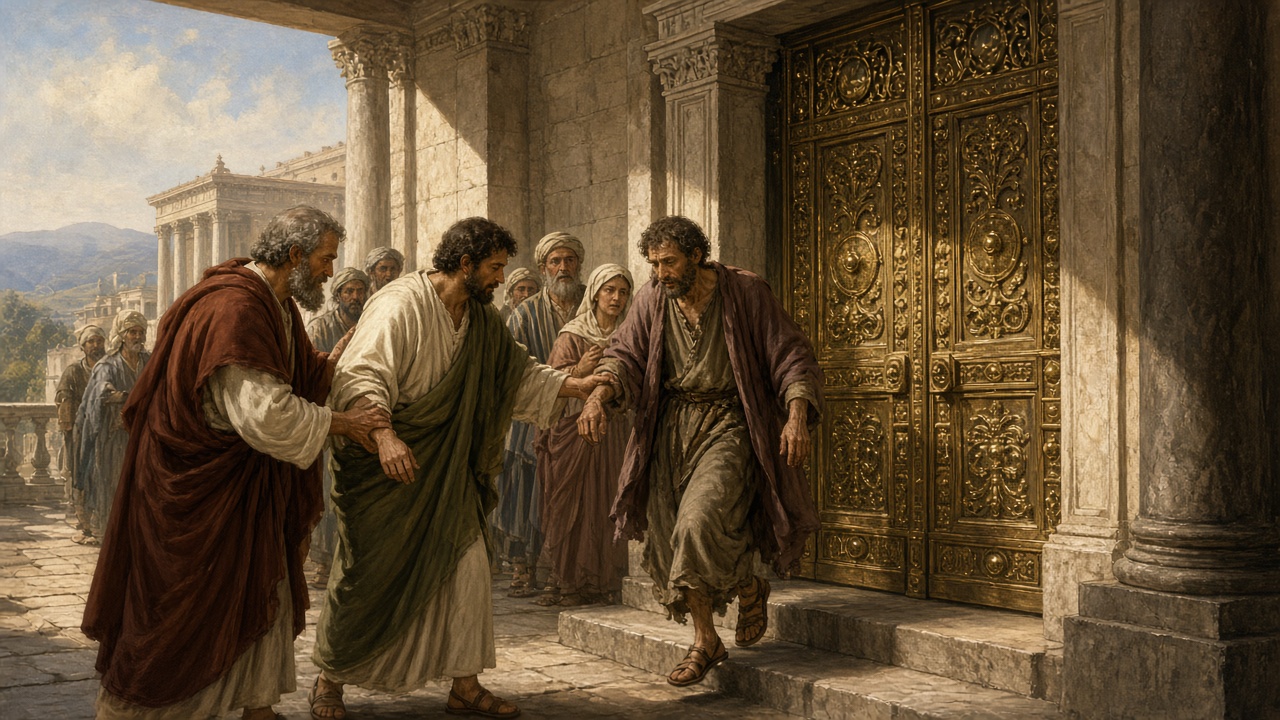
Jun achi sik kakunutajik
1Xuꞌana kꞌu chupa jun qꞌij, ri Pedro y ri Juan junam xebꞌek pa ri Rocho Dios che ri urox ora bꞌenaq qꞌij, ma e ora riꞌ re oración.
2Ronoje qꞌij kꞌut kakꞌam lo jun achi ralaxibꞌem sik y kayaꞌ chwach ri Rocho Dios pa ri okibꞌal kabꞌiꞌx che “Lik Chom” chaꞌ kutzꞌonoj ulimoxna chike ri winaq kebꞌok bꞌi. 3Ekꞌu rachi sik, echiriꞌ xeril ri Pedro y ri Juan e riꞌ kebꞌok bꞌi chupa ri Rocho Dios, xujeq kelaj chike chaꞌ kakiya kan ulimoxna.
4Ekꞌu ri Pedro junam rukꞌ ri Juan lik xkichꞌikibꞌaꞌ ri kiwach puwi rachi, yey ri Pedro xubꞌiꞌij che:
—Chojtzuꞌu pe la —xcha che.
5Ewi ri sik xebꞌutzuꞌu ma royeꞌem we kꞌo kakiya che.
6Pero ri Pedro xubꞌiꞌij che:
—Na jinta saqil puaq wukꞌ y na jinta ne qꞌana puaq wukꞌ; noꞌj kꞌu ri kꞌo wukꞌ kanya cheꞌla. Chupa rubꞌiꞌ ri Qanimajawal Jesucristo ri aj Nazaret, yaktaj la y bꞌina la —xcha che.
7Ekꞌu ri Pedro xuchap che ruqꞌabꞌ uwikiqꞌabꞌ, xuyako y chupa laꞌ la joqꞌotaj xkowir ri raqan y ruqul raqan. 8Y rachi xchꞌoplin chikaj, xtakꞌiꞌik y xujeqo kabꞌinik. Junam kꞌut kukꞌ ri Pedro y ri Juan, xok bꞌi pa ri Rocho Dios, kabꞌinik, kachꞌoplanik y kuyak uqꞌij ri Dios.
9Konoje kꞌu ri winaq re ri tinamit xkilo rachi kabꞌinik y lik kuyak uqꞌij ri Dios. 10Y xketaꞌmaj e achi katzꞌuyiꞌik y kutzꞌonoj ulimoxna chwach ri Rocho Dios pa ri okibꞌal kabꞌiꞌx che “Lik Chom”. Lik kꞌu xkam kanimaꞌ che ri xꞌaniꞌ che rachi y na xkimaj ta kꞌana usukꞌ chaꞌtaj xkunutajik.
11Rachi xkunutajik na karesaj ta chi ribꞌ chikij ri Pedro y ri Juan. Yey konoje ri winaq kaminaq kanimaꞌ che, xemok kaꞌn pa ri luwar kabꞌiꞌx che “Ruchiꞌ Ja re Salomón”.
12Ekꞌuchiriꞌ xril waꞌ ri Pedro, xubꞌiꞌij chike ri tinamit:
«Achijabꞌ alaq aj Israel, ¿suꞌchak lik kaminaq animaꞌ alaq che wa xil alaq? ¿Yey suꞌchak e kojtzutzaꞌ alaq riꞌoj pachaꞌ oj ri xojbꞌinisan re waꞌchi rukꞌ ri qachuqꞌabꞌ o ruma lik oj jusukꞌ riꞌoj chwach ri Dios? Na e ta riꞌ. 13Ma e ri Dios ke ri qamam ojertan, waꞌ e ri Abraham, ri Isaac y ri Jacob, ekꞌu Rire ri lik xuyak uqꞌij ri Jesús ri Raj Chak Rire. Noꞌj ralaq xya alaq ri Jesús puqꞌabꞌ ri Pilato. Y na xew ta laꞌ, ma xkꞌaq bꞌi alaq uqꞌij chwach ri Pilato y na xya ta alaq luwar che rire kuyolopij bꞌi ri Jesús echiriꞌ xraj kuyolopij bꞌi ruma na jinta mak xuriq che. 14Ekꞌu riꞌ ralaq na xꞌaj ta alaq kayolopix bꞌi waꞌ wa Jun lik nim uqꞌij Santo y Jusukꞌ; ma e xtzꞌonoj alaq kayolopix bꞌi ri jun kamisanel. 15Xkamisaj kꞌu alaq riꞌ ri aj yaꞌl kꞌaslemal, ri Jun xkꞌastajisax lo chikixoꞌl ri ekaminaq ruma ri Dios. Puwi kꞌu riꞌ wa kꞌastajibꞌal kojtzijon wi riꞌoj ma lik oj xojilow re.
16»E ruma ri kubꞌulibꞌal kꞌuꞌxaj rukꞌ ri Jesús, xkowir ri raqan waꞌ waꞌchi kil alaq y etaꞌam ne alaq uwach. Yey ruma wa kubꞌulibꞌal kꞌuꞌxaj rukꞌ ri Jesús xkunutaj waꞌchi pa saqil wi jelaꞌ pachaꞌ katajin onoje alaq che rilik.
17»Wetaꞌam kꞌut, alaq qatz-qachaqꞌ, ri xꞌan alaq e ruma na xmaj ta alaq usukꞌ, y jenelaꞌ riꞌ xkiꞌan raj wach re ri tinamit alaq. 18Pero ruma ri xꞌan alaq che ri Jesús, ri Dios xuꞌana janipa rubꞌiꞌim lo ojertan kuma ri qꞌalajisanelabꞌ echiriꞌ xubꞌiꞌij Ruchaꞌoꞌn lo Rire kutij kꞌax.
19»E uwariꞌche tzelej tzij alaq chwach ri Dios y yaꞌa kꞌu ibꞌ alaq puqꞌabꞌ chaꞌ kakuytaj ri mak alaq y chaꞌ ri Qajawal Dios kuya uxlanem y utzil chomal chupa ri animaꞌ alaq. 20Jekꞌulaꞌ ri Dios kutaq na lo ukꞌ alaq ri Jesús, Ruchaꞌoꞌn lo Rire, ri bꞌiꞌtisim chi lo che alaq ojertan. 21Tobꞌ kꞌu woꞌora lik chirajawaxik wi ri Jesús kꞌo chilaꞌ chikaj, kopon na ri qꞌij echiriꞌ ri Dios kuꞌan tanchi kꞌakꞌ che ronoje jelaꞌ pachaꞌ ri xubꞌiꞌij lo ojertan kuma ri qꞌalajisanelabꞌ ri xetaq lo ruma Rire.
22»Ma ri Moisés xubꞌiꞌij chike ri qatiꞌ-qamam ojertan:
E ri Dios Qajawxel kuyak na lo chikixoꞌlibꞌal ri qatinamit Israel
jun Qꞌalajisanel jelaꞌ pachaꞌ riꞌin.
Ekꞌu chita janipa ri kubꞌiꞌij Rire chiwe.
23Ekꞌu ri tikawex na kukoj ta utzij wa jun Qꞌalajisanel, Dt. 18:15-19
riꞌ kesax bꞌi y na jinta chi re kukꞌ rutinamit ri Dios Lv. 23:29
xcha ri Moisés.
24»Konoje kꞌu ri qꞌalajisanelabꞌ kipetebꞌem lo chwi ri Samuel, lik etzijoninaq lo chwi taq waꞌ wa qꞌij. 25Alaq kꞌu ri kakꞌuluw re ri xubꞌiꞌtisij ri Dios kuma ri qꞌalajisanelabꞌ y ruma ri tzij xuꞌan kukꞌ ri qatiꞌ-qamam ojertan, echiriꞌ xubꞌiꞌij che ri Abraham:
Ruma kꞌu Jun chike rawalkꞌoꞌal,
kebꞌenuꞌan bendecir konoje rukꞌiyal kiwach taq ri tikawex che ruwachulew Gn. 12:18
xchaꞌ.
26»Ekꞌu ri Dios, echiriꞌ xukꞌastajisaj lo ri Raj Chak chikixoꞌl ri ekaminaq, xutaq lo nabꞌe ukꞌ ralaq re toꞌbꞌel e alaq chaꞌ jelaꞌ chijujunal alaq kajalkꞌatitaj ri bꞌinik silabꞌik alaq che ri na utz taj» xcha ri Pedro chike.
Did you know?
Healing and Preaching at the Temple
- The temple gate called Beautiful, where a man lame from birth was placed each day to beg, is named in this chapter. It is supposed to have been the door from the court of the Gentiles into the court of the women, and it was massive, covered with plates of Corinthian brass.Sources: Beautiful Gate · the Bible text itself
- After the healing, the astonished crowd ran to Peter and John in the walkway called Solomon’s Colonnade. This was a colonnade, or cloister, probably on the eastern side of the temple; it is not mentioned with the first temple, but Josephus mentions a porch of that name in Herod’s temple.Sources: Solomon's Portico · the Bible text itself
- In his address there, Peter said the people had handed Jesus over and rejected him before Pilate, although Pilate had decided to release him. A dictionary entry identifies Pontius Pilate as the sixth Roman procurator of Judea, from A.D. 26 to 36, with headquarters at Caesarea, though he frequently went up to Jerusalem; his name comes into prominent notice in connection with the trial of Jesus.Sources: Pontius Pilate · the Bible text itself
Notes written with AI assistance from open sources (Theographic Bible Metadata, CC BY-SA 4.0; Easton’s Bible Dictionary, public domain) and reviewed before publishing.
Places in this chapter
- Beautiful Gate · Today: in Jerusalem · 31.777, 35.234 · verses 2, 10
- Nazareth · 32.702, 35.298 · verse 6
- Solomon’s Portico · Today: in Jerusalem · 31.777, 35.234 · verse 11
Only places identified with high confidence are shown (90% or more according to the scholarly sources compiled by OpenBible). Period map: DARE (Digital Atlas of the Roman Empire), CC BY 4.0; modern map: © OpenStreetMap contributors; places: OpenBible.info (CC BY 4.0).
Credits and license for this translation
Ri utzilaj tzij re ri kanimajawal Jesucristo
New Testament in Achi Rabinal; acr (GT:acrN:Achi)
copyright © 2009 Wycliffe Bible Translators, Inc.
Language: Achi
Dialect: Rabinal
Translation by: Wycliffe Bible Translators, Inc.
Copyright Information
© 2009, Wycliffe Bible Translators, Inc. All rights reserved.
This translation text is made available to you under the
terms of the Creative Commons License: Attribution-Noncommercial-No Derivative Works.
( http://creativecommons.org/licenses/by-nc-nd/3.0/ )
In addition, you have permission to port the text to different file formats, as long as you
do not change any of the text or punctuation of the Bible.
You may share, copy, distribute, transmit, and extract portions
or quotations from this work, provided that you include the above copyright
information:
You must give Attribution to the work.
You do not sell this work for a profit.
You do not make any derivative works that change any of the actual words or punctuation of the Scriptures.
Permissions beyond the scope of this license may be
available if you contact
us with your request.
The New Testament
in Achi
© 2009, Wycliffe Bible Translators, Inc. All rights reserved.
This translation is made available to you under the terms of the
Creative Commons Attribution-No Derivatives license 4.0.
You may share and redistribute this Bible translation or extracts from it in any format, provided that:
You include the above copyright and source information.
You do not make any derivative works that change any of the actual words or punctuation of the Scriptures.
Pictures included with Scriptures and other documents on this site are licensed just for use with those Scriptures and documents.
For other uses, please contact the respective copyright owners.
2014-04-18
Source: http://ebible.org/acrNNT/ · eBible.org