Luke 8
I 'utz laj tzij re i dios · Tap a verse to see its cross-references.
ʼO jujun ixokib xqui to i Jesus
1Xoʼon chupan jubiʼ, i Jesus ca tijin chi qui solixic i tinimit, tak i aldéa, chu bixquil u tzij i Dios chique. Xu paxsaj i ʼutz laj tzij re u ʼatbal tzij i Dios chique i aj pa tak tinimit-le. I cablajuj rapostelab xak xe ʼe ruʼ. 2Xak je ʼo jujun ixokib je terejnak bi chiquij chi je utzirsam rumal i Jesus. ʼO jujun chique, ʼelsam ni itzel tew chique, xak ʼo jujun chique chi je utzirsam na che tak yobil. Jun chique are i ati Mariy chi xak Magdaléna ca bix che. Are ire-le chi je wukub itzel tew ʼelsam na che rumal i Jesus. Jun chic chi xa ʼe cuʼ are i ati Wan, chi rixokil i ma Chus, jun achi nim u patan chirij i rey ma Heródes. Jun chic chi xa ʼe cuʼ are i ati Susan. Xak je qʼui chic i ixokib xe ʼe cuʼ, tobal-que ruʼ i qui mer ique wach i rajwaxic chique.
I tijojbal tzij re ulew ʼutz, tak i n-ʼus taj
4Je qʼui i winak xe ʼel pa qui tinimit chu tayic u tzij i Jesus. Ire, are xrilo xe moltaj mas i winak, xu bij i tijojbal tzij-i chique:
5—ʼO jun achi xa ʼe chu tiquic u ticon. Are xu quirij bi i rijaʼ, ʼo jubiʼ xtzak pa be. Rumal-i, xa xyaʼyax u wi che akan, xak xe cʼun i tzʼiquin y xqui tij bic. 6Xak ʼo jubiʼ chic xtzak pa abaj, y are xalax lok, xa xchakijic, man n-chʼenen ti ulew pa i ʼo wi. 7Xak juban chic xe tzak pa qʼuix; i qʼuix xqʼuiyic y xu camsaj i ticon. 8Xak ʼo ni ija xe tzak pa ʼutz laj ulew, y are xqʼuiyic xu ya ni u wach chom; ʼo ni rakan xu ya jun ciénto u wach.
I Jesus, are xutzin u bixquil ile chique, co xsiqʼuin chu bixquil i tzij-i:
—We yix ʼo i xiquin chu tayic, chi ta ʼuri u be —xu bij.
Wach u chac i tak tijojbal tzij xu bij i Jesus
9Are ʼuri i u tijoxelab xqui tzʼonoj che wach usucʼ i tijojbal tzij-le chi xu bij. 10Ire xu bij chique:
—Yix ʼut, Dios u yom chiwe chi qui ta u be i u ʼatbal tzij ire, chi n-xa ʼetamax ta ujer; xui-ri, i toʼ winak, xa ruʼ tijojbal tzij ca ʼani i cʼutunic chique, man queʼel chique chi que tan neri, péro n-quiqui ta tu be, que tzun neri, péro n-quiquil taj —xu bij.
Wach usucʼ i tijojbal tzij re i ticanel
11Teʼuri i Jesus xu bij chique:
—Quin bij ʼuri chiwe wach usucʼ i tijojbal tzij xin bij-le. I ija-le chi xin bij, queʼelok are u tzij i Dios. 12Niʼpa i ija chi xtzak pa be, queʼelok are i winak chi quiqui ta, xui-ri, ca cʼun ni itzel, y cresaj i tzij piqui cʼux. N-craj ti ire we quiqui coj i tzij chi qui tom, xak que ʼel chupam i qui mac rumal. 13Niʼpa i ija xtzak pa abaj, queʼelok are i winak chi quiqui ta i tzij, y que quicotic xqui cojo, péro je pacha ticon n-ta kas raʼ ʼenak pa jyub. Ique xa ʼatal ʼij que cojon che, y are ca pe jun cʼax piquiwi, cacoʼtaj canok. 14Niʼpa i ija xtzak pa qʼuix je are pacha i winak chi quiqui ta i tzij, xui-ri are que ʼe chic, ʼo i ca chupsaw i ʼutz piqui cʼux: xa que cʼachir rumal i qui cʼaslemal waral chuwach i jyub taʼaj, xa quiqui tzucuj ubitak-que, xak xa quiqui chʼob i qui rayijbal; ile xa cu chup i ʼutz laj tzij piqui cʼux. Queʼelok je pacha ticon chi n-ca wachin taj. 15Are ija chi xtzak pa ʼutz laj ulew, ile queje pacha i winak chi lic cacaj quiqui ta i ʼutz laj tzij, lic je sicʼaj chu cojic; n-quiqui mayij ti u ʼonquil wach i qui tom, cʼa ca wachin ni ʼutz pi qui cʼaslemal.
I tijojbal tzij re i cantil
16Yix, are qui tzij jun cantil, n-qui chʼuk ta ʼuri u wi, xak n-qui min ta chuxeʼ i chʼat. Are i qui ʼano, qui ya ʼan chicaj, man niʼpa i que oc bi pa ja que tzun na. 17Niʼpa i maja ca ʼalijinic, ca ʼalijinsax na; xak ronojel niʼpa uwam u wach ʼis quelsax na chi sak.
18Rumal-i, chi cojo retalil wach quin bij. Jun, we ʼo na chic ʼo ruʼ, ca yaʼ na mas ʼuri che; xak queje i jun, we n-ta ʼo ruʼ, ca ʼelsax na i jubiʼ che, chi cu bij ire ʼo ruʼ, —xu bij i Jesus chique.
Je pachin i ratz u chaʼ i Jesus, xak i u chuch
19Teʼuri i je u chaʼ i Jesus, chilam i u chuch xe upon ruʼ ja, pa ʼo wi ire. N-xe oc ta ruʼ, cumal i uqʼuial winak. 20Teʼuri xbix che i Jesus:
—I a chuch je ʼo chi sak, cuʼ a chaʼ —xcha.
21I Jesus xu bij ʼuri:
—Je niʼpa i quiqui coj retalil che u tzij i Dios, xak que cojon che, je are ique je in chuch in chaʼ —xu bij chique.
I Jesus xu ʼatij i tew, xak i u choʼab i ya
22Che tak i ʼij-le, i Jesus xa ʼan pa bárco cuʼ u tijoxelab. Xu bij chique:
—Joʼ, coj ʼax chʼakap che i alagun —xu bij.
Xqui jek ʼuri ʼaxic chuwi ya. 23Are que tijin chi be, i Jesus xwaric. Xak teʼet, xcʼun jun nim laj tew puwi i ya; i bárco xu ticba nojic che i ya. Laj xmuktaj rumal. 24Are ʼuri ique xe ʼe ruʼ i Jesus y xqui cʼastaj. Xqui bij che:
—¡Tijonel! ¡Ka Tijonel! ¡Coj muktaj pa ya! —xqui bij che.
I Jesus xwalijic y xu ʼatij i tew, i ya. Are ʼuri i ya n-xsilab ta chic, xak i tew; ʼis xe uxlanic. 25Teʼuri i Jesus xu bij chique u tijoxelab:
—¿Wuchac xi sach u cubibal i cʼux? —coʼono.
Ique, are xquilo, lic xqui xij quib, lic xqui bisoj. Xqui bij chiquiwach:
—¿Bi chi achial ire-le, chi cu ʼatij i tew, i ya, y que cojon che? —que cha.
Wach i relsaxic itzel tew che achi aj Gadára
26Que tijin qui ʼenam chuwi ya, cʼa xe upon che i jyub, Gadára u bi. I jyub-le ca canaj chʼakap re i jyub Galiléa. 27I Jesus, are xkaj li pa bárco, xcʼun jun achi ruʼ, aj Gadára. I achi-le, ya ujer tan, ʼo juban itzel tew che. Rumal-i, lic n-tu ʼuʼ cu cojo, xak n-ruʼ ja ta jekel wi, xa chuwi tak camnak jekel wi. 28Are xril u wach i Jesus, xu jek siqʼuinic, xuqui la chuwach, y co xu bij:
—¿Wach col a tzucuj wuʼ yin, Jesus, chi at u Cʼojol i Dios ʼAtz u ʼIj? Lic quin tzʼonoj chawe, ¡min a ya pa tojpen! 29Queje xu bij ile che, man i Jesus ca tijin chic chu bixquil che i itzel tew chi quel che achi. I itzel tew-le, nic are wi cu ya i u choʼab che i achi. I winak qʼuialmul qui chapom i achi y qui ximom i rakan y u ʼab ruʼ carena. Ire xa cu rakij, y ca ʼanmaj na pa tak jyub tzʼinilic, cʼamtal bi rumal itzel tew-le.
30I Jesus xu tzʼonoj che:
—¿Wach a bi? —coʼono.
—Legion in bi —xu bij.
Queje xu bij i itzel tew ile, man je qʼui je ʼo che i achi. 31I tak itzel tew-le lic xqui tzʼonoj che i Jesus:
—Moj a tak bi pa ka cʼujibal pu jyub —xqui bij.
32Chu nakaj pa que chʼaʼat wi, je ʼo uqʼuial ak, que tijin chi waʼim chuwa tak jyub. I itzel tew lic xqui tzʼonoj che i Jesus chi cu ya chique que oc na chique i ak. Ire xu ya chique pacha xqui tzʼonoj; 33xe ʼel ʼuri che achi y xe oc chique i ak. Are ʼuri i ak xe ʼe paʼanem, xqui cʼak bi quib pa siwan, y xe tzak pa ya. Xe jiʼic, xe camic.
34I je aj chajil ak, are xquil ile, xe ʼe paʼanem pa tinimit. Xqui jek u bixquil tzam tak ja, teʼuri xqui paxsaj rason ronojel i tinimit, wach xquilo. 35I winak, are xqui ta ile, ʼis xe ʼe chi rilic wach i xa ʼantajic. Are xe upon chila pa ʼo wi i Jesus, xquil i achi chi ʼelsam chic itzel tew che. Ire cul chuwach i Jesus; u cojom chic u ʼuʼ, ʼutz chic u noʼoj. I winak lic xqui xij quib rumal. 36Niʼpa i xquilo wach i xu ʼan i Jesus, xe oc chu bixquil chique i juban wach i rutzirsaxic i achi xu ʼano. 37Are ʼuri, conojel i aj Gadára lic xqui tzʼonoj pawor che i Jesus chi quel chila pa Gadára, man lic xqui xij quib che. Rumal-i, i Jesus xoc chic pa bárco y xtzalijic. 38I achi chi xel bi itzel tew che, lic craj ʼenam ruʼ, xui-ri, i Jesus n-xu ya ta che. Xu bij che:
39—Chat tzalij chi awachoch y cha lapa niʼpa i u ʼanom i Dios chawe —coʼono.
Teʼuri i achi xa ʼec; ʼis xu paxsaj pa tinimit wach i nim laj ʼutz xa ʼani che rumal i Jesus.
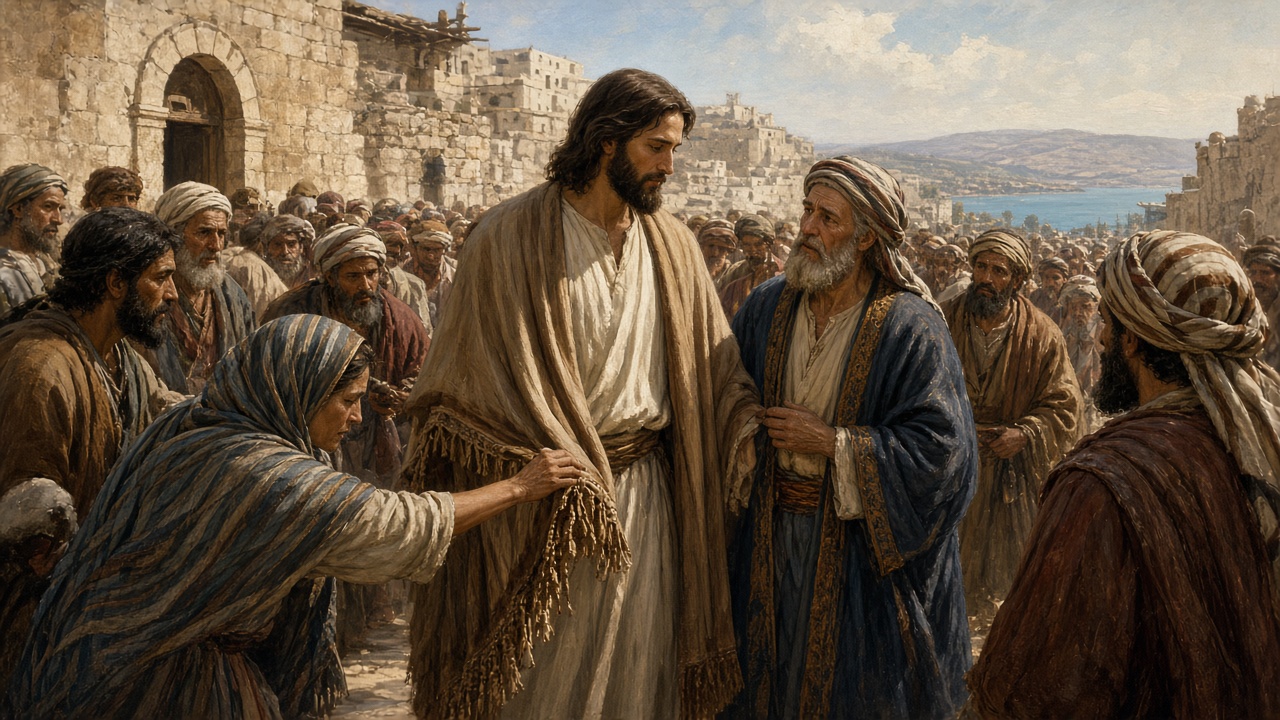
Wach i u cʼunsaxic sak chuwach jun ali, xak i rutzirsaxic jun ixok chi xu chap u ʼuʼ i Jesus
40I Jesus, are xa ʼax chic chʼaka ya, i winak lic que quicotic xqui cʼulaj. Conojel lic coyʼem ni u cʼunic. 41Are ʼuri, xupon jun achi, ma Jáiro u bi; nim u patan pa molbalʼib que i aj Israel winak. Ire xuqui chuwach i Jesus, lic xu tzʼonoj che chi ca ʼe ruʼ pa rachoch. 42Queje xoʼon ire ile, man ʼo jun u miʼal ya ca camic. I racʼal-le, xa jun chirij, ʼo cablajuj junab che.
I Jesus, are ca tijin chi be, je qʼui i winak je teren chirij; ire lic ca pitzʼpat chiquixol. 43Chiquixol i winak-le, ʼo jun ixok iwab. ʼAx iwab wi; cablajuj junab ʼo chic i yobil che; n-ca tani ta chic. Ire u sachom chic ronojel u mer cuʼ i doctor; mi jun xtiqui chi rutzirsaxic. 44Ire xtejeb pan chirij i Jesus xu yin pan u chiʼ u ʼuʼ. Are ʼuri xtani i u quiqʼuel.
45I Jesus xu bij:
—¿Pachin xin u yino?
Y conojel xqui bij:
—N-yoj taj —xe cha.
I ma Pédro, cuʼ i rachiʼil xqui bij che i Jesus:
—Ka Tijonel, lic je qʼui i winak cat qui pitzʼo, cat qui tacpuj, ¿y yet ca tzʼonoj chake pachin xat u yino? ¿Wach retamaxic caka ʼan yoj? —xe cha.
46I Jesus xu bij:
—Katzij ʼo ni xin yinawic, man xin naʼo ʼo ni xwutzirsaj ruʼ in choʼab —coʼono.
47I ixok, are xu ta ile, xrilo chi Jesus retaʼam chic wach u ʼanom che. Ire, ca sicsatic, xuqui chuwach i Jesus, y xu bij che chiquiwach conojel i winak wach rumal xu yin u ʼuʼ. Xak xu bij chi juntir xutziric. 48Teʼuri i Jesus xu bij che:
—Wacʼal, xat utziric rumal u cubibal a cʼux chwe. Jat, mat cʼachir chic —coʼono.
49Cʼa ca chʼaʼat i Jesus are xupon jun aj ruʼ ja re i ma Jáiro chi achi nim u patan pa molbalʼib. Xu bij che u patron:
—I a miʼal ya xcamic; n-ta chic u chac we ca ʼe i tijonel awuʼ —xu bij.
50Are xu ta i Jesus ile, xu bij che i ma Jáiro:
—Mat oc ʼil che, xui cha cuba a cʼux chwe, y awacʼal cutzir na —xu bij.
51Are xupon ruʼ ja, n-xu ya ta chique i winak que oc bi ruʼ pa ja. Xui xoc bi i ma Pédro cuʼ i ma Jacóbo, y ma Wan, xak i u kajaw i u chuch i ali. 52I winak ʼis que oʼic, que siqʼuinic rumal i camnak. I Jesus xu bij chique:
—Mix oʼic; i ali n-camnak taj. Ire xa ca waric —coʼono.
53I winak xa xqui tzeʼej che, man quetaʼam ique chi camnak chic. 54I Jesus are ʼo ruʼ i ali, xu chap u ʼab y co xu bij che:
—Ali, ¡Chat walijok! —coʼono.
55Are ʼuri xcʼun sak chuwach, y juntir xwalijic. Teʼuri i Jesus xu bij chique chi quiqui ya u wa i ali. 56I u chuch u kajaw lic xqui bisoj. I Jesus xu bij chique chi mi xa ta jubiʼ quiqui lapo wach xoʼon che i ali-le.
Did you know?
Good news on the Galilean road
- As Jesus went from town to town, some women traveled with him and the Twelve and supported them from their own means. Mary is called Magdalene from Magdala, her birthplace, to distinguish her from the other Marys; a reference work calls it a mistake to identify her with the woman described as a sinner in the previous story. Joanna was the wife of Chuza, steward of Herod Antipas, tetrarch of Galilee, and Susanna, whose name means lily, is named among them.Sources: Mary Magdalene · Joanna · Susanna · the Bible text itself
- Peter, James, and John, who appear with Jesus in this chapter, were fishermen on the Sea of Galilee. Peter's hometown, Bethsaida, lay on its western coast, where he was trained as a fisher; James, son of Zebedee and one of the Twelve, worked in partnership with him, and his brother John followed the same trade on the lake.Sources: Simon Peter · James (Son of Zebedee) · John the Apostle · the Bible text itself
- Jairus, who pleaded with Jesus to come because his only daughter was dying, is identified as a ruler of the synagogue at Capernaum. In the house, only Peter, James, and John were allowed to enter with the child's father and mother; after the girl got up, Jesus directed that she be given something to eat.Sources: Jairus · the Bible text itself
Notes written with AI assistance from open sources (Theographic Bible Metadata, CC BY-SA 4.0; Easton’s Bible Dictionary, public domain) and reviewed before publishing.
Places in this chapter
Only places identified with high confidence are shown (90% or more according to the scholarly sources compiled by OpenBible). Period map: DARE (Digital Atlas of the Roman Empire), CC BY 4.0; modern map: © OpenStreetMap contributors; places: OpenBible.info (CC BY 4.0).
Credits and license for this translation
I 'utz laj tzij re i dios
New Testament in Achi (I 'utz laj tzij re i dios)
copyright © 2009 Wycliffe Bible Translators, Inc.
Language: Achi
Dialect: Cubulco
Translation by: Wycliffe Bible Translators, Inc.
Achi, Cubulco
Achi' is a Mayan language very
closely related to K'iche' (Quiché in the older orthography). It is spoken by the
Achi people, primarily in the area of Baja Verapaz in Guatemala. There are two Achi'
dialects. Cubulco Achi' is spoken by approximately 48,000 people in the Cubulco area
west of Rabinal area. Rabinal Achi' is spoken by approximately 37,000 people in the
Rabinal area.
El Nuevo Testamento
en el idioma Achí de Cubulco de
Guatemala
Ediciones anteriores
Segunda edición
©2009, Wycliffe Bible
Translators
Primera edición
Publicado por
©1984, Sociedad Bíblica
Internacional
Copyright Information
© 2009, Wycliffe Inc. All rights reserved.
This translation text is made available to you under the terms of the Creative
Commons License: Attribution-Noncommercial-No Derivative Works. ( http://creativecommons.org/licenses/by-nc-nd/3.0/ ) In addition, you have
permission to port the text to different file formats, as long as you do not change
any of the text or punctuation of the Bible.
You may share, copy, distribute, transmit, and extract portions or quotations from
this work, provided that you include the above copyright information:
You must give Attribution to the work.
You do not sell this work for a profit.
You do not make any derivative works that change any of the actual words or
punctuation of the Scriptures.
Permissions beyond the scope of this license may be available if you contact us
with your request. If you want to revise a translation, use a translation in an
adaptation, or use a translation commercially, we will consider your request.
NT:segunda edición
The New Testament
in Achi
© 2009, Wycliffe Inc. All rights reserved.
This translation is made available to you under the terms of the
Creative Commons Attribution-Noncommercial-No Derivatives license 4.0.
You may share and redistribute this Bible translation or extracts from it in any format, provided that:
You include the above copyright and source information.
You do not sell this work for a profit.
You do not change any of the words or punctuation of the Scriptures.
Pictures included with Scriptures and other documents on this site are licensed just for use with those Scriptures and documents.
For other uses, please contact the respective copyright owners.
2013-01-05
Source: http://ebible.org/acr-acc/ · eBible.org