James 2
I 'utz laj tzij re i dios · Tap a verse to see its cross-references.
Xak jun quilic i winak chi ʼana
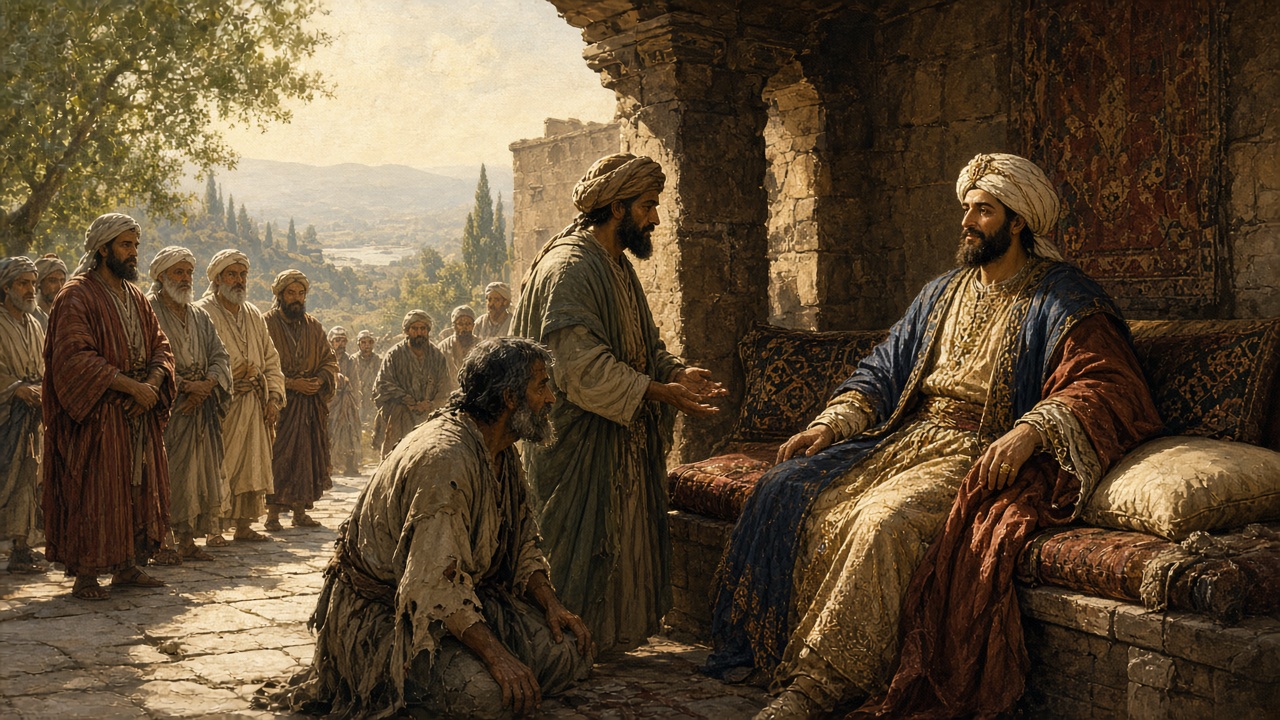
1Ix wachalal, yix chi i cubam i cʼux che i nim laj Kajwal Jesucrísto, n-ʼus taj we n-xak jun ta quilic i winak qui ʼano. 2Por ejémplo, we que oc queb achiab pa molbalʼib, jun beyom, y jun nibaʼ, we i beyom-le chom u ʼuʼ, ʼo bak che u ʼab, péro i nibaʼ xa cʼojcʼoj u ʼuʼ, 3we yix xui ʼutz quiwil i jun chi chom u ʼuʼ, n-ʼus ta ʼuri qui ʼano. We qui bij che i beyom: “Chat cul yet chi, chupam i chom laj cubibal-i”, teʼuri qui bij che i nibaʼ: “Chat tacʼal ni yet chila, o chat cul na pulew”, quix cha che, 4we queje ile qui ʼano, n-ʼus taj, man n-junam ti quilic i winak qui ʼano, chi que upon iwuʼ. Quix tijin ʼuri chu ʼonquil pacha quiqui ʼan i juez chi n-sucʼul ti ʼatbal tzij quiqui ʼano. 5Ix wachalal chi quix waj, chi ta peʼ: i Dios je u chom i je nibaʼ chuwach i jyub taʼaj, cu yabej re u cubibal qui cʼux lic nim; are ile are i qui beyomal ique. Xak i ʼatbal tzij re i Dios ʼo que ique che, man u bim can i Dios chi cu ya chique niʼpa i cʼax quiqui na ire. 6Xui-ri yix xa junwi u ʼonquil qui ʼano; xa qui ya qui qʼuix i nibaʼib, y qui coj qui ʼij i beyomab. ¿Xataba n-are ti beyomab quix qui ya pa cʼax? Cumal ique qui tij uyej; ¿xataba n-are ti ique quix qui cʼam bi chuwach i ʼatbal tzij? 7¿Xataba n-are ti beyomab quiqui yoʼya i loʼlaj u bi i Jesucrísto, chi Toliwe?
8Cu bij u tzij i Dios: “Cʼax cha na a loʼcʼanij queje pacha i cʼax u naʼic awib yet ca ʼano.” Are ile are i ʼatz laj ʼatbal tzij re i Dios. We lic qui ʼan cas che i tzij-le, ʼutz ʼuri i qui ʼano. 9Xui-ri, we n-xak jun ta quilic i winak qui ʼano, quix tijin ʼuri chu ʼonquil i mac, xak ʼo i mac chuwach i ʼatbal tzij re i Dios. 10Jun, we ca tijin chu ʼanic ronojel pacha cu bij i lajuj tzij pixab re i Dios, péro we cu canaj can u ʼonquil jun che, queʼel ʼuri ʼo u mac chuwach ronojel i lajuj tzij pixab. 11Man are i Dios chi xu bij i tzij-i: “Jun winak, we cʼulanic, mu min rib ruʼ chic jun chic;” xak are ire xu bij: “Mat camsanic.” Bay, jun achi, tupu n-cu min ta rib ruʼ jun chic ixok, xui-ri we cu ʼan i camic, siémpre ʼo u mac; queʼelok chi n-coʼon ta cas ʼuri che ronojel tak i tzij pixab. 12Yix ix ʼelsam puʼab i ujer ʼatbal tzij; woʼor ix ocsam puʼab i ʼatbal tzij cʼacʼ chi quix resaj chi sak. Rumal-i chi na iwib wach i qui bij, xak wach i qui ʼano, man ca ʼat ni tzij piwi ruʼ i mísmo tzij chi xix resaj chi sak. (Rumal i cʼaxnabal u cʼux i Dios, xix ʼel chi sak; rumal-i xak ʼo u chac chi yix ʼo u cʼaxnabal i cʼux.) 13Man i Dios n-cril ta toʼbal u wach jun winak we n-rilom ta toʼbal u wach i rachiʼil. Xui-ri, we yoj kilom toʼbal qui wach i winak, i Dios cril ʼuri toʼbal ka wach yoj are cu ʼan i ʼatbal tzij chake.
Wach u ʼalijinsaxic u cubibal ka cʼux
14Wachalal, n-tu chac we caka bij chi ʼo u cubibal ka cʼux che i Dios we n-caka ʼalijinsaj taj ruʼ wach tak i caka ʼano; we queje u cubibal ka cʼux ile, n-ta coʼon re ʼuri chake. (Lic ʼo u chac chi ʼo u cʼaxnabal ka cʼux chique i winak.) 15Por ejémplo, we ʼo jun kachiʼil, lic nibaʼ, n-tu wa, n-tu ʼuʼ, 16we caka bij che: “Chawila awib; cwaj yin n-ta tew ca tijo, n-ta numic ca tijo,” coj cha che, péro we n-caka ya ta che wach i rajwaxic che, n-ta queʼel wi ʼuri. 17Mokxa caka bij chi ʼo u cubibal ka cʼux che i Kajwal, péro we n-ta jun ʼutz caka ʼan chique i winak, n-tu chac ʼuri; n-ca ʼalijin taj we oj re i Kajwal.
18Pent ʼo jun cu bij: “Yet ca coj u ʼij i Dios ruʼ tak i ʼutz ca ʼano; yin quin coj u ʼij i Dios ruʼ u cubibal in cʼux che. Cha ʼalijinsaj chwe chi katzij ʼo u cubibal a cʼux che,” mok cu bij. Yin quin laʼ ʼuri u wach che: Yin quin cʼut chawe chi ʼo u cubibal in cʼux che i Kajwal man quin ʼan i ʼutz chique i winak; xui-ri i u cubibal a cʼux yet che i Kajwal n-ca ʼalijin taj. 19Yet ca bij chi cul a cʼux chi xa jun i Dios; pues ʼutz i ca chʼobo-le, xui-ri, xak i itzel quiqui coj ile, y que sicsat chuwach rumal qui xibriquil. 20Ma ʼan tont che awib; cha ta u be: i u cubibal ka cʼux n-ta queʼel wi we n-ta jun ʼutz caka ʼano, ʼalijinsabal-re u cubibal ka cʼux che i Dios. 21Ujer, i ka mam, mam Abraham, ʼutz xeʼel chuwach i Dios rumal wach i xu ʼano, man xu ʼan cas che i Dios, are xtzʼonox i racʼal che, chi a-Isaac u bi. Xu sujuj u camsaxic i racʼal puwi i altar chuwach i Dios. 22Chawila ʼut: i mam Abraham xu cʼutu chi ʼo u cubibal u cʼux rumal wach i xu ʼano. Queje ile xu tzʼakatsaj u cubibal u cʼux ruʼ wach i xu ʼano. 23Queje ile xeʼelok pacha i tzʼibtalic: “I mam Abraham xu coj i Dios, rumal-i i Dios xu bij chi ʼutz xeʼel chuwach ire.” Rumal-i, ca bixic chi i mam Abraham, ramig i Dios.
24Chi, quiwil wi chi jun achi, ʼutz queʼel chuwach i Dios, n-xui ta rumal u cubibal u cʼux, xak rumal i ʼutz cu ʼano. 25Xak queje ile i ati Rahab ujer, jun ixok lic ajmac, xui-ri, i Dios ʼutz xrilo rumal wach i xu ʼano. Ire xu ya qui posar i winak chi je re i Dios, xe u to y xe resaj aliʼal piquiʼab i winak chi je aj chʼoʼoj chiquij. Rumal-i, i Dios ʼutz xrilo.
26I cubibal cʼuxij queʼel ʼuri pacha coʼon jun chʼaculaj. Jun chʼaculaj, we n-ta ranima, camnak ʼuri. Xak queje ile coʼon i u cubibal ka cʼux; we n-caka ʼan ti ʼutz rumal, camnak ʼuri u cubibal ka cʼux.
Did you know?
Impartiality and Living Faith
- James recalls that Abraham was justified by offering his son Isaac on the altar, his faith working with his actions and perfected by what he did. Isaac, the only son of Abraham by Sarah, was the one God commanded Abraham to offer as a sacrifice on a mountain in the land of Moriah.Sources: the Bible text itself · Isaac
- James also cites Rahab the prostitute, justified by welcoming the spies and sending them off on another route. The two spies, sent by Joshua while the Hebrews were encamped at Shittim opposite Jericho, had gone to her house, faced danger in the city, and were saved by her fidelity.Sources: the Bible text itself · Rahab
Notes written with AI assistance from open sources (Theographic Bible Metadata, CC BY-SA 4.0; Easton’s Bible Dictionary, public domain) and reviewed before publishing.
Credits and license for this translation
I 'utz laj tzij re i dios
New Testament in Achi (I 'utz laj tzij re i dios)
copyright © 2009 Wycliffe Bible Translators, Inc.
Language: Achi
Dialect: Cubulco
Translation by: Wycliffe Bible Translators, Inc.
Achi, Cubulco
Achi' is a Mayan language very
closely related to K'iche' (Quiché in the older orthography). It is spoken by the
Achi people, primarily in the area of Baja Verapaz in Guatemala. There are two Achi'
dialects. Cubulco Achi' is spoken by approximately 48,000 people in the Cubulco area
west of Rabinal area. Rabinal Achi' is spoken by approximately 37,000 people in the
Rabinal area.
El Nuevo Testamento
en el idioma Achí de Cubulco de
Guatemala
Ediciones anteriores
Segunda edición
©2009, Wycliffe Bible
Translators
Primera edición
Publicado por
©1984, Sociedad Bíblica
Internacional
Copyright Information
© 2009, Wycliffe Inc. All rights reserved.
This translation text is made available to you under the terms of the Creative
Commons License: Attribution-Noncommercial-No Derivative Works. ( http://creativecommons.org/licenses/by-nc-nd/3.0/ ) In addition, you have
permission to port the text to different file formats, as long as you do not change
any of the text or punctuation of the Bible.
You may share, copy, distribute, transmit, and extract portions or quotations from
this work, provided that you include the above copyright information:
You must give Attribution to the work.
You do not sell this work for a profit.
You do not make any derivative works that change any of the actual words or
punctuation of the Scriptures.
Permissions beyond the scope of this license may be available if you contact us
with your request. If you want to revise a translation, use a translation in an
adaptation, or use a translation commercially, we will consider your request.
NT:segunda edición
The New Testament
in Achi
© 2009, Wycliffe Inc. All rights reserved.
This translation is made available to you under the terms of the
Creative Commons Attribution-Noncommercial-No Derivatives license 4.0.
You may share and redistribute this Bible translation or extracts from it in any format, provided that:
You include the above copyright and source information.
You do not sell this work for a profit.
You do not change any of the words or punctuation of the Scriptures.
Pictures included with Scriptures and other documents on this site are licensed just for use with those Scriptures and documents.
For other uses, please contact the respective copyright owners.
2013-01-05
Source: http://ebible.org/acr-acc/ · eBible.org