Colossians 3
I 'utz laj tzij re i dios · Tap a verse to see its cross-references.
1Yix ʼut, ya ix walijnak chic che i camic junam ruʼ i Crísto, rumal-i, mi rayij chic i toʼ re u wach i jyub taʼaj; are chi rayij niʼpa ʼo chicaj pa cu ʼat wi tzij i Crísto ruʼ i Dios. 2Chi chʼobo i ʼutz chi ʼo chicaj, mi chʼob chic i toʼ re u wach i jyub taʼaj. 3Man yix ya xix cam junam ruʼ i Crísto, y woʼor i cʼaslemal ʼo che ire, xak ire ʼo che i Dios. 4Che i Crísto ʼo wi i cʼaslemal yix, rumal-i, are ca cʼun tan chic ire, xak queje yix quix cʼun junam ruʼ. Niʼpa i u ʼij u chomal ire, xak ʼo chiwe yix are ca cʼun chalok.
Chi canaj can i nojbal re ujer; are, cʼax chi na iwib chiwach
5Rumal-i, chi chupu pi cʼux niʼpa i n-re ti Dios, niʼpa i xa re u wach i jyub taʼaj; por ejémplo: jun achi mu min rib ruʼ jun ixok we n-rixokil taj, xak queje jun ixok; xak mi ʼan chic i n-chʼam taj; mi ya iwib che i mal laj tak i rayijbal, xak mi rayij u ʼonquil i n-ʼus taj. Mi rayij i n-iwe taj man i mac-le xak jun ruʼ pacha u cojic u ʼij jun tiox chi xa ril ʼantalic. 6Mi ʼan tak ile, man ca pe i roywal i Dios piquiwi conojel niʼpa i quiqui ʼan ile, niʼpa i n-que cojon ta che ire. 7Xak yix queje xi ʼan li ile ujer, are ix ʼo chupam i ujer cʼaslemal. 8Xui-ri, woʼor chi canaj niʼpa tak i n-ʼus taj-i: mix oywar chic, mi ʼan cʼan che iwib, mi chʼob u ʼanic cʼax che jun chic, mix toʼtanic, mi ya i chiʼ chu bixquil i mal laj tak tzij. 9Xak mi tʼor iwib chiwach, man i canam chic niʼpa i n-ʼus taj i ʼanom ujer; i jalwachim chic i nojbal re ujer. 10I jalwachim chic che jun cʼacʼ nojbal. I cʼacʼ laj i nojbal-le, are i Dios xa ʼanawic, xak ca tijin chu yijbaxic pacha u nojbal ire. Queje ile ca tijin chu ʼonquil chiwe, man craj lic quiwetamaj u nojbal ire. 11Niʼpa i ʼo qui nojbal cʼacʼ, n-ta coʼono we je aj Israel, we xi ne te aj Israel; n-ta coʼono we ʼo i retal circuncision che qui chʼacul, we xi n-taj; n-ta coʼono we je aj naj, xak we je chicop laj tak winak caka bij yoj; n-ta coʼono we je ajchac piquiʼab i cajaw, we xi n-ta cajaw. (N-ta coʼono xa bi chi winakil.) Conojel je ʼo che i Crísto, y Crísto ʼo chique conojel; are ile are i ʼo u chac.
12Yix ix chatal rumal i Dios; u ʼanom chiwe lic ix re ire; lic cʼax quix u naʼo. Rumal-i, chi ya iwib chi rilic toʼbal qui wach i winak, chi ʼana chi ʼutz i cʼux chique, mi ʼan nim che iwib, chi ʼana ʼal i cʼux che iwib, xak mi sach u nimal i cʼux chuwach i cʼax. 13Chi ya u nimal i cʼux chiwach; chi cuyu i mac chiwach; chi ʼana pacha i xu ʼan i Crísto chiwe yix, xu cuy i mac; xak queje ile chi ʼana yix. 14Xui-ri, are i mas ʼo u chac qui ʼano, are i cʼaxnabal iwib chiwach, man we ʼo cʼaxnabal i cʼux chiwach, quix tijin ʼuri chu ʼanic ronojel tak ile chi xin bij chiwe. 15Chi ya che i Dios quix u to man ʼutz n-ta chʼoʼoj ca pe chixol. Queje chi ʼana ile man i Dios ix u chom chu ʼonquil ile; u ʼanom xa jun chiwe pacha jun chʼaculaj. Xak chi tioxij che, ronojel wach u ʼanom chiwe.
16Chi ya che i u tzij i Crísto ca qʼuiji pi cʼux. Chi nawsaj iwib chiwach, xak chi ya u cowil i cʼux chiwach, xui-ri, chi ʼana ruʼ i nojbal chi ca pe ruʼ i Dios. Chi bixaj i tioxbal che i Dios, n-ta coʼono we are i bix tzʼibtal chupam u wuj i Dios ujer, o we are juban bix chi cojbal u ʼij i Dios; xui-ri, chi tioxij che, ronojel i cʼux. 17Yix iwucʼam u bi i Kajwal Jesucrísto, rumal-i, ronojel i qui bij, ronojel i qui ʼano, chi ʼana ʼut pacha i craj ire. Chi tioxij che i ka Kajaw Dios; ile quix tiqui che rumal i Jesucrísto.
I pixbanic chique i je cʼulanic, chique i nimak i chʼutik, chique i je mocom, i je patron
18Yix chi ix ixokib, we ʼo iwachijil, chi ya iwib piquiʼab; mas ca majaw ile man iwucʼam u bi i Kajwal. 19Xak yix ix achiab, cʼax che i na iwixokil; mi ʼan toʼ quix yajan chique. 20Xak yix ix acʼalab, chi cojo i chuch i kajaw ronojel wach cacaj ique chiwe, man queje ile chom cril i Kajwal. 21Xak yix chi ix kajawxel, mi ʼan toʼ qui petsaj coywal iwacʼal, mokxa ca baʼcrij qui cʼux iwumal. 22Xak yix ix ajchaquib, che i cojo i patron waral chuwach i jyub taʼaj ronojel wach i cacaj. Mi ʼano chi xui ʼutz quix chacunic are quix qui takej mok quiqui chʼob na chi ix ʼutz laj tak ajchaquib (qui bij yix). Chi ʼana i chac ronojel i cʼux, man i Dios quix rilo. 23Niʼpa i qui ʼano, chi ʼana ronojel i cʼux. Chi ʼana che pacha u chac i Kajwal; n-are ta pacha re jun winak qui ʼan che. 24Queje ile chi ʼana man iwetaʼam chi i Kajwal cu ya ni sipon chiwe chi u sujum chique i je re ire. Man are i Kajwal Jesucrísto are i mer i patron yix; are u chac ire quix tijin chu ʼanic. 25Xui-ri, niʼpa i quiqui ʼan i n-sucʼul taj, quiqui toj na niʼpa i n-ʼus taj quiqui ʼano. Quiqui toj na, man i Dios xak jun quilic coʼon chique i winak conojel.
Did you know?
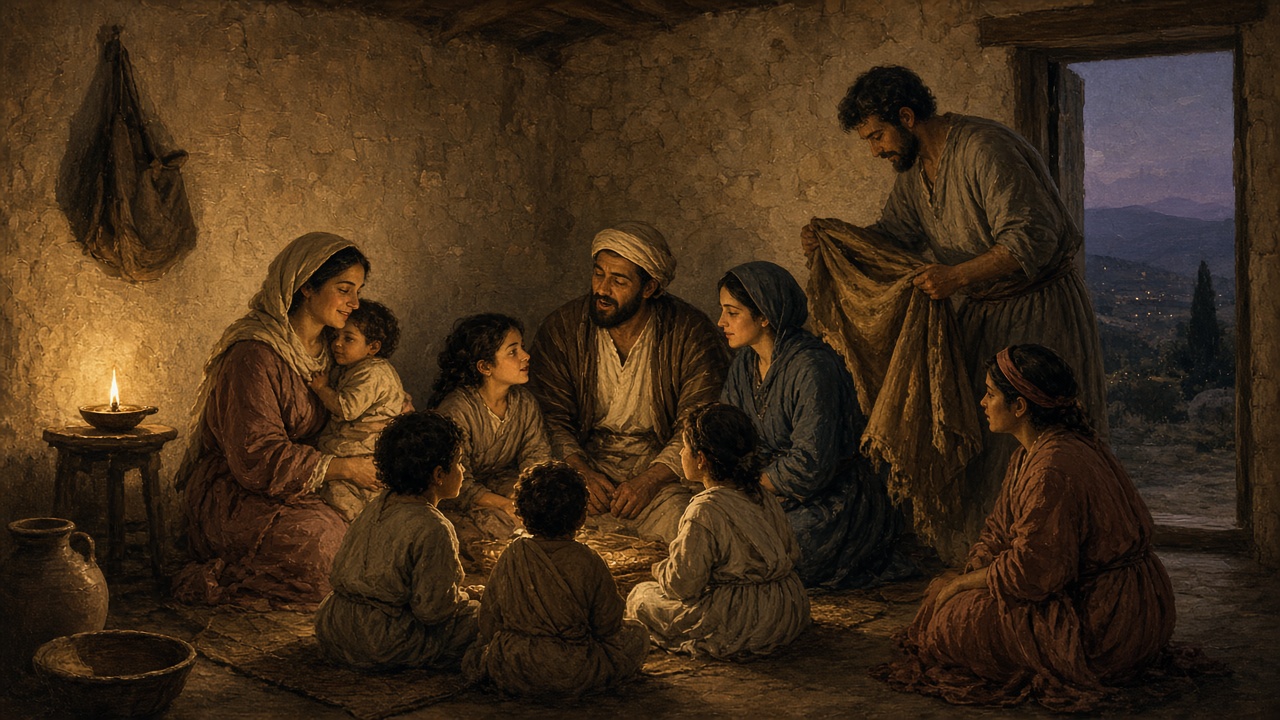
New life in one body and at home
- This chapter pictures a changed life as a change of clothing. Readers are said to have taken off the old self with its practices and put on the new self, which is being renewed in knowledge in the image of its Creator. They are then told to clothe themselves with hearts of compassion, kindness, humility, gentleness, and patience, and to put on love over all these virtues as the bond of perfect unity.Sources: the Bible text itself
- The chapter lists Greek and Jew, circumcised and uncircumcised, barbarian, Scythian, slave and free, and declares that here none of these distinctions remains, because Christ is all and is in all.Sources: the Bible text itself
- The chapter then gives instructions for household relationships: wives and husbands, children and parents, and slaves and their earthly masters. Fathers are warned not to provoke their children, so that the children will not become discouraged. Slaves are told to obey with sincerity of heart, not only while they are being watched, and to work with their whole being for the Lord rather than for men, with the promise of an inheritance from the Lord as a reward; whoever does wrong will be repaid, and there is no favoritism.Sources: the Bible text itself
Notes written with AI assistance from open sources (Theographic Bible Metadata, CC BY-SA 4.0; Easton’s Bible Dictionary, public domain) and reviewed before publishing.
Credits and license for this translation
I 'utz laj tzij re i dios
New Testament in Achi (I 'utz laj tzij re i dios)
copyright © 2009 Wycliffe Bible Translators, Inc.
Language: Achi
Dialect: Cubulco
Translation by: Wycliffe Bible Translators, Inc.
Achi, Cubulco
Achi' is a Mayan language very
closely related to K'iche' (Quiché in the older orthography). It is spoken by the
Achi people, primarily in the area of Baja Verapaz in Guatemala. There are two Achi'
dialects. Cubulco Achi' is spoken by approximately 48,000 people in the Cubulco area
west of Rabinal area. Rabinal Achi' is spoken by approximately 37,000 people in the
Rabinal area.
El Nuevo Testamento
en el idioma Achí de Cubulco de
Guatemala
Ediciones anteriores
Segunda edición
©2009, Wycliffe Bible
Translators
Primera edición
Publicado por
©1984, Sociedad Bíblica
Internacional
Copyright Information
© 2009, Wycliffe Inc. All rights reserved.
This translation text is made available to you under the terms of the Creative
Commons License: Attribution-Noncommercial-No Derivative Works. ( http://creativecommons.org/licenses/by-nc-nd/3.0/ ) In addition, you have
permission to port the text to different file formats, as long as you do not change
any of the text or punctuation of the Bible.
You may share, copy, distribute, transmit, and extract portions or quotations from
this work, provided that you include the above copyright information:
You must give Attribution to the work.
You do not sell this work for a profit.
You do not make any derivative works that change any of the actual words or
punctuation of the Scriptures.
Permissions beyond the scope of this license may be available if you contact us
with your request. If you want to revise a translation, use a translation in an
adaptation, or use a translation commercially, we will consider your request.
NT:segunda edición
The New Testament
in Achi
© 2009, Wycliffe Inc. All rights reserved.
This translation is made available to you under the terms of the
Creative Commons Attribution-Noncommercial-No Derivatives license 4.0.
You may share and redistribute this Bible translation or extracts from it in any format, provided that:
You include the above copyright and source information.
You do not sell this work for a profit.
You do not change any of the words or punctuation of the Scriptures.
Pictures included with Scriptures and other documents on this site are licensed just for use with those Scriptures and documents.
For other uses, please contact the respective copyright owners.
2013-01-05
Source: http://ebible.org/acr-acc/ · eBible.org